Writing
Done back-to-back with "Kidnapping", 1982, this family entertainment continues the saga of little Bertram's rather erratic and not always law-abiding family. Parents, chief schemer Uncle Georg, Bertram and his swarm of siblings all get into hot water when Betram's slapdash kindergarten artwork is somehow being mixed up with a famous painting from a museum.
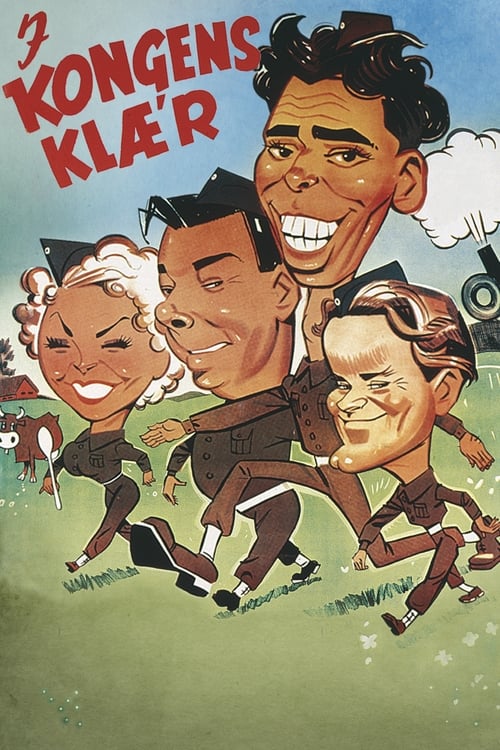
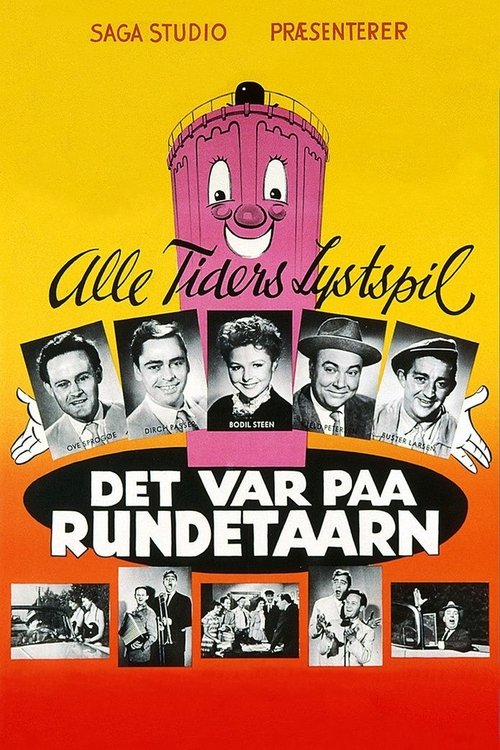
Kjeld Petersen plays a merchant who has stolen his clothes when he is out take a dip in the Sound. He stopped by the police, and they find a call to military service in his pocket, after further complications lands him at the barracks, where he came under the loving care of 66 (Dirch compatible) and 65 (Ove Sprogø). So the stage is set for lots of fun and games, in the right old style.
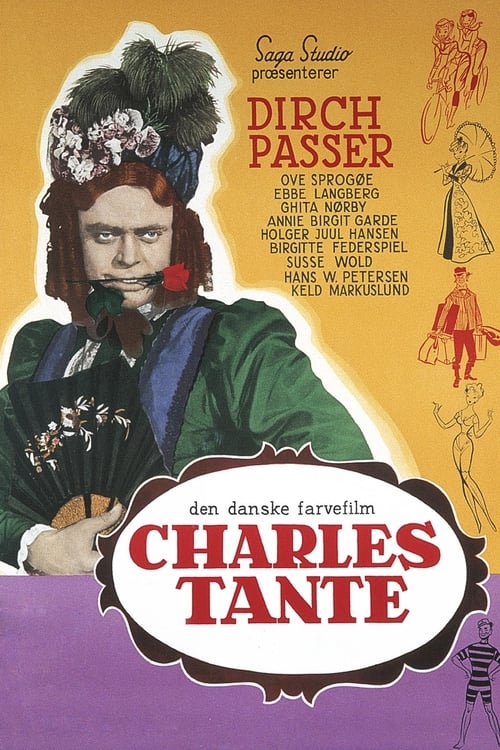
Charles and Peter have passed their law degree and are looking forward to wooing a few girls in the country. For that, they need a chaperone and persuade their fellow student Ditlev to play Charles's aunt from Brazil. Ditlev has a talent for acting and takes the role very seriously, but when Charles's real aunt turns up, things get complicated.
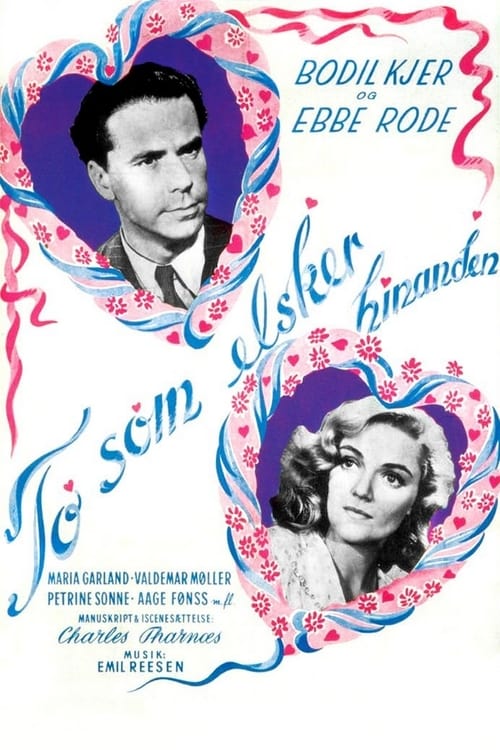
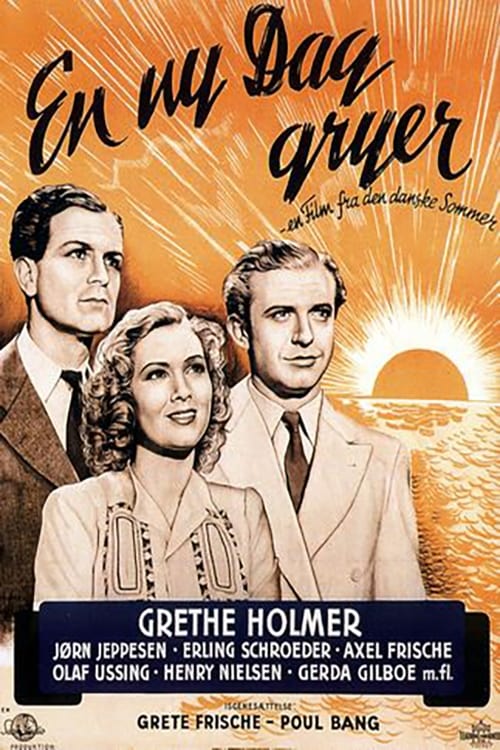
It all happens over two days and—naturally—and in particular—two nights. A perfectly ordinary girl gets herself into a lot of trouble because of her slightly too big heart, which exposes her to trials and temptations she cannot overcome without the help of little white lies and pretence. She manages to overcome almost all obstacles, but loses her heart.
The hunter Olaf Ruud sits by his sick wife Anna and remembers the old times.
On the indebted estate, Gyldenstrup, lives a spoiled and selfish lady, Mrs. Selstrup, with her two spoiled and selfish children, Ellen and Joachim. Her husband has recently died, and the widow completely forgets her grief when lawyer Hansen confides in her that they are in fact very poor. Spoiled and selfish as she is, it seems to her like a disaster that she and her two hopeful offspring may end up living in poorer conditions.
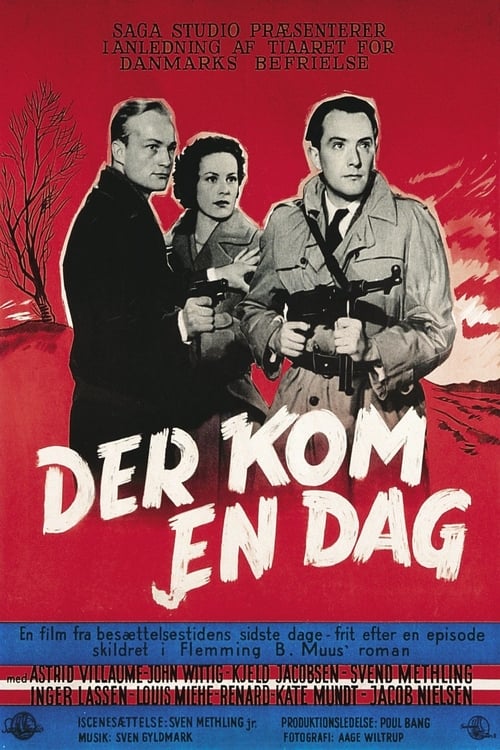
This film is based on a true story, depicted in the novel of the same name, "Der kom en dag" (The Day Came), written by Flemming B. Muus. Quote: On April 9, 1940, we surrendered, under protest, to an army that broke all treaties, attacked our borders, occupied our country, and seized all executive power. But soon, the will to resist was born. Groups of people came together in a common desire to help win the war and liberate our country.
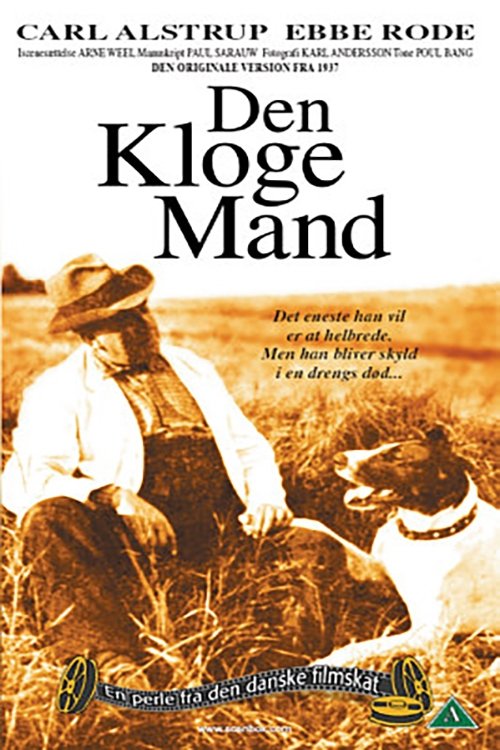
A film about a doctor in a small idyllic town. He's an honest man who wants his patients best, but fewer and fewer visitors comes to his practice and that frustrates the doctor. A 'quack doctor' is taking his business.
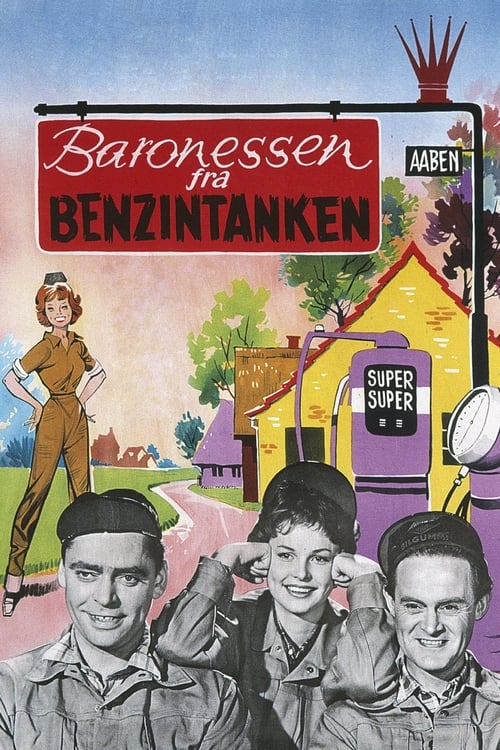
The film begins with Baron von Rosensteen's funeral. As Rosensteen has no heirs, the old Rosensteen Castle is to be inherited by the Rabenfeldt family. Supreme Court Attorney Berg visits the widow baroness about a document found among the papers of her son, the deceased baron. It turns out that the baron had a child out of wedlock with a non-noble woman. The widow baroness and the Supreme Court attorney decide to find the child, as this would mean that an heir to the castle had been found. The child turns out to be a girl named Anne Tofte, who works at a gas station with her uncle Lars Tofte and his colleague Hans Høy. They persuade Anne to live with the baroness for a while, which she is not very keen on. The widow tries to teach Anne to be a fine lady, rather than the tomboyish workshop mechanic her uncle had raised her to be.
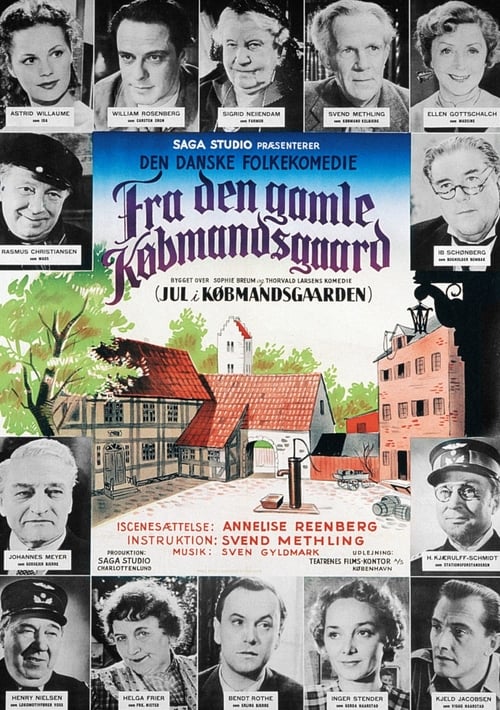
Two rival young men both desire the merchant's pretty daughter, a bad young man robs the merchant's safe and blames it on "mother-in-law's dream", a worldly-wise grandmother directs the battle of love from her living room, and a couple of silly railway workers spread song and joy.
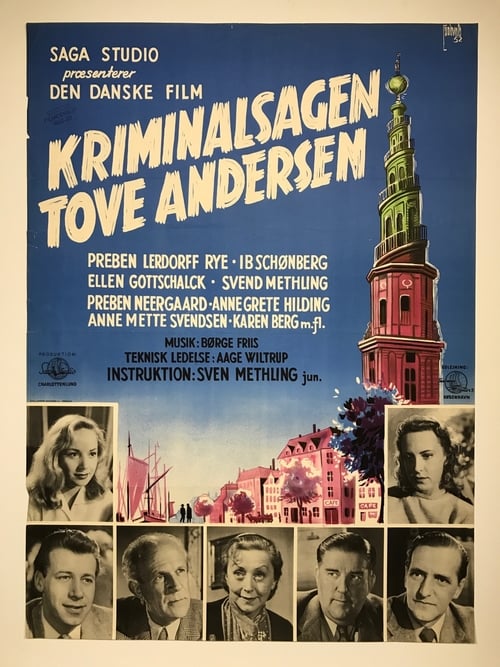
Tove Andersen's problem ends in Christianshavn's moat, and this is where the film begins. The body has a noose around its neck. The homicide division is called in, and it turns out that shortly before her death, she had undergone an illegal operation. An unscrupulous womanizer had abandoned the young student from the countryside when the relationship had consequences. The doctor rejects her after a beautiful lecture on the sanctity of life, and she must therefore rely on "private" help.
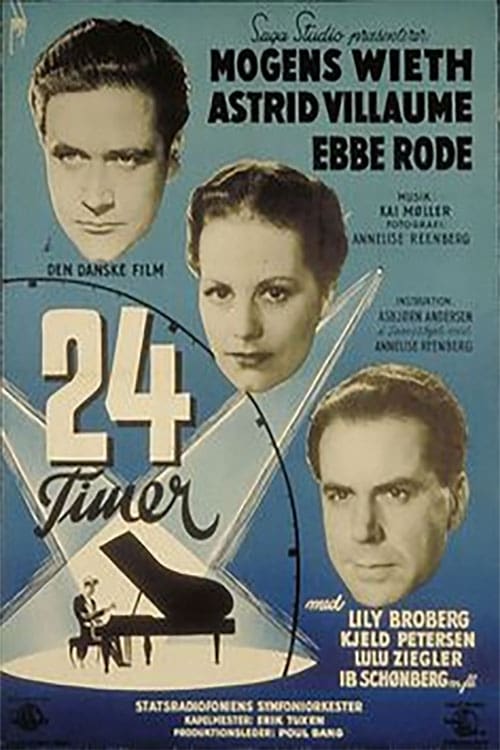
Many people are preparing their lives for a lifetime, to make it safe and secure. And then the fate's game of 24 hours can overturn everything.
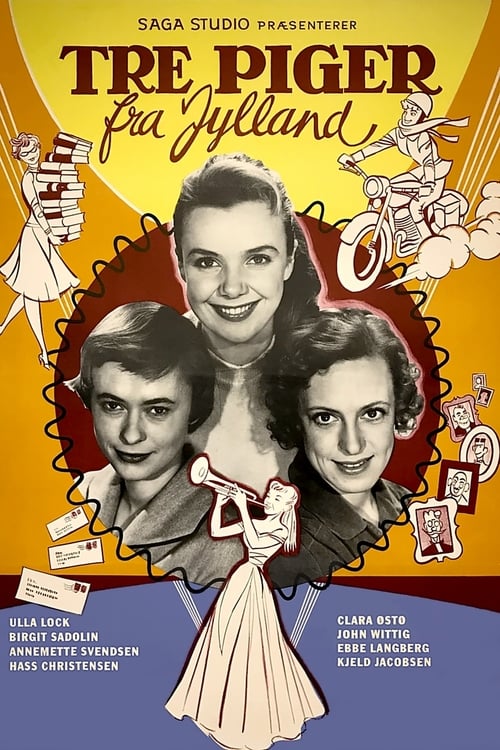
Three girls (around 20 years old) who have grown up in different parts of Denmark get a strange letter. It turns out they are sisters, and will inherit from their late mother, if the can stay together one month in the same house. They end up in a lot of (romantic) trouble, because of speculations of who their father(s) might be.
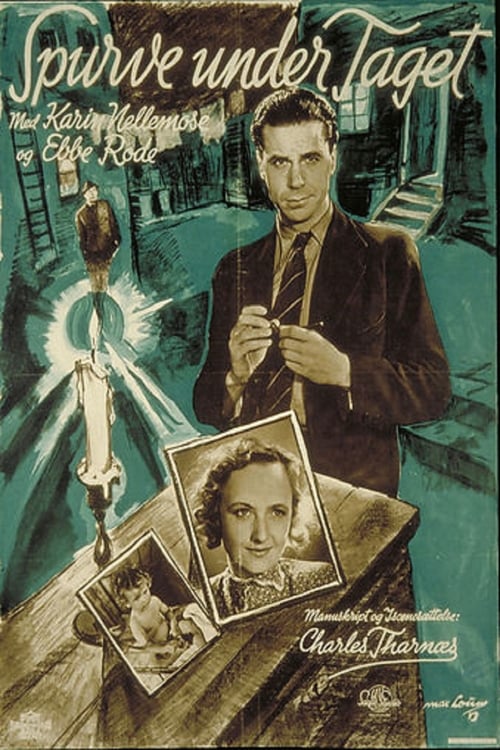
The action takes place in the bleak, overcrowded, and for many too small apartments in one of Copenhagen's bridge districts, where there are both good citizens, but also people who live a shadowy existence. Up in the attic, Mathilde lives alone with her little daughter Vibeke. She is the result of a coincidence, as is so often the case when a young girl from the provinces comes to the Capital. Mathilde comes from Vordingborg, she went to the city to look for work. At the boarding house where she stayed, she made a friend Ellen, a rather frivolous and indifferent young girl.
Honor, morality and the "right" outlook on life are paramount. And these concepts were by no means something to be made fun of, which can be somewhat annoying when you remember that this film is based on the English play "Bank Holiday", which took a good English fart on virtues and morality. Inger Holst is a nursing student who, at a party, meets the unreal Jørgen Frandsen, who invites her to a "festive night" one weekend at a hotel in Tisvilde. However, a tragic incident occurs at the hospital where she works. The incident involves the young widower, engineer Berg, whom she has come to know as a fine, real and sympathetic person. Inger's compassion makes her offer to give up her weekend trip and stay with him.
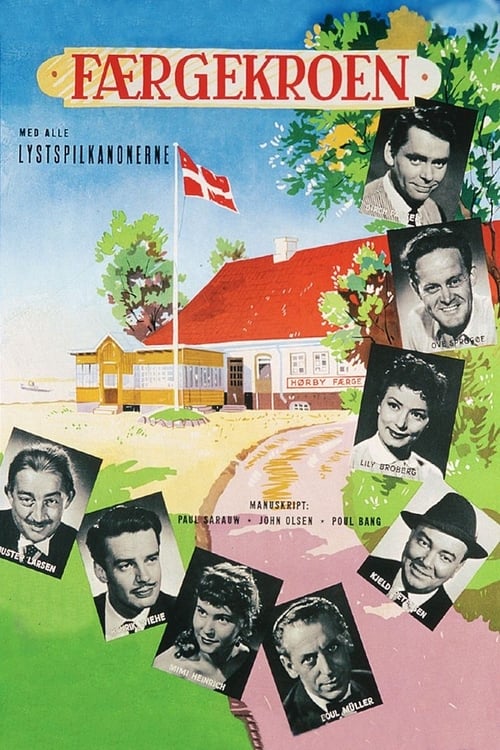
The Royal privileged ferry inn in Hørby is owned and operated by the two good friends Erik Hansen and Lars Tofte. In addition to the inn they own the small ferry, which keeps them in touch with the mainland.
It all begins innocently enough on a summer Sunday morning, with the sun shining from a cloudless sky. Mrs. Hald sends her two young twenty-year-old daughters on a cycling and swimming trip to North Zealand. Mr. Hartsen, a district court attorney who, incidentally, is married to a very jealous and combative wife, is taking his newly acquired Chevrolet for a long drive. When the two girls have everything stolen from them while swimming in the sea, they stop the first motorist they meet—and unfortunately, this happens to be our friend, district court attorney Hartsen.
We follow two randomly selected destinies: two young girls whose data could have been taken straight from the police files, which contain so many human documents—many sad, but also many joyful, because a large proportion of those who were initially weak and frivolous are saved from the temptations of the big city.
First mate Knud Karlsen has just received sad news from his girlfriend. On board the ship is also chef Valdemar, sailor Ole, owner's confident son Robert and a whole bunch of eager sailors. On board develops the drama out every minute, culminating in the film's climax, when a fire breaks out on board
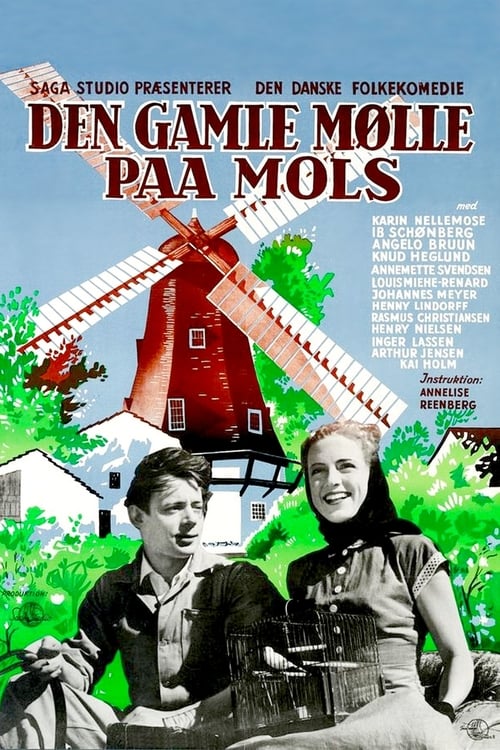
A young, beautiful girl arrives at Krogerød Kro on Mols and shocks the innkeeper by telling him that he is her father. At the same time, the inn is about to lose its liquor license, threatening its very existence. The innkeeper tells the girl that both he and his friend from his military days have paid child support to her, as no one knew which of them was her real father.