FEEL IT.STREAM
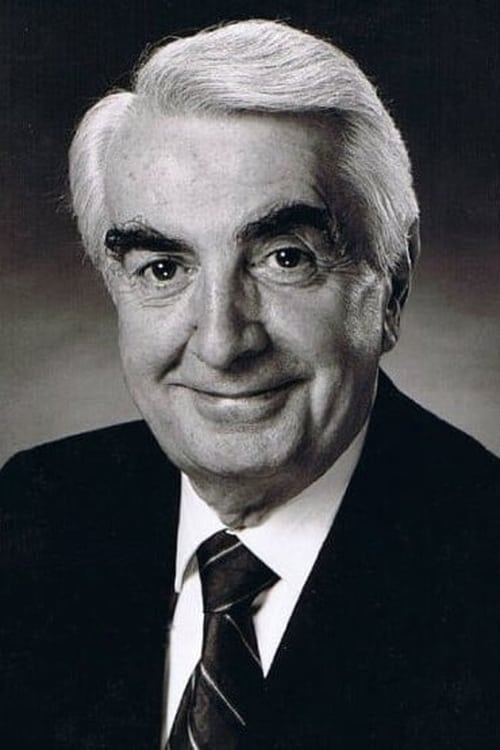
Milo O'Shea

Milo O'Shea

Acting

Biography

Milo Donal O'Shea was an Irish actor. He received nomination for the BAFTA Award for Most Promising Newcomer for his breakthrough role in Ulysses (1967), and was twice nominated for the Tony Award for Best Lead Actor in a Play for his performances in Broadway productions of Staircase (1968) and Mass Appeal (1982).
Known For

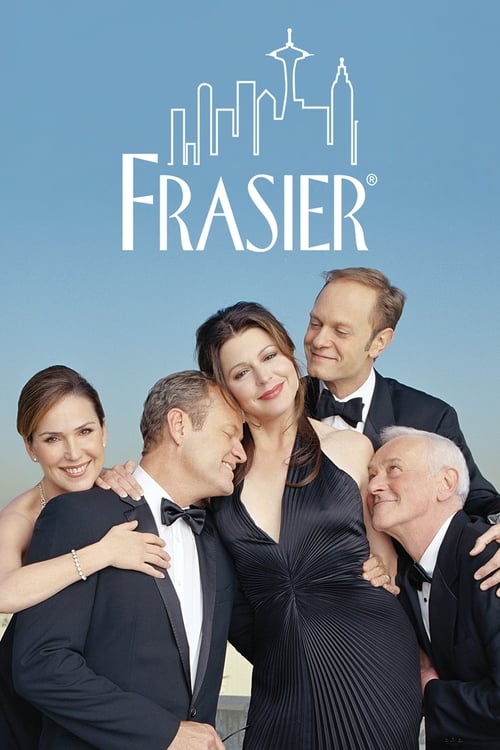
Frasier
7.7

After many years spent at the “Cheers” bar, Frasier moves back home to Seattle to work as a radio psychiatrist after his policeman father gets shot in the hip on duty.

Frasier

1993
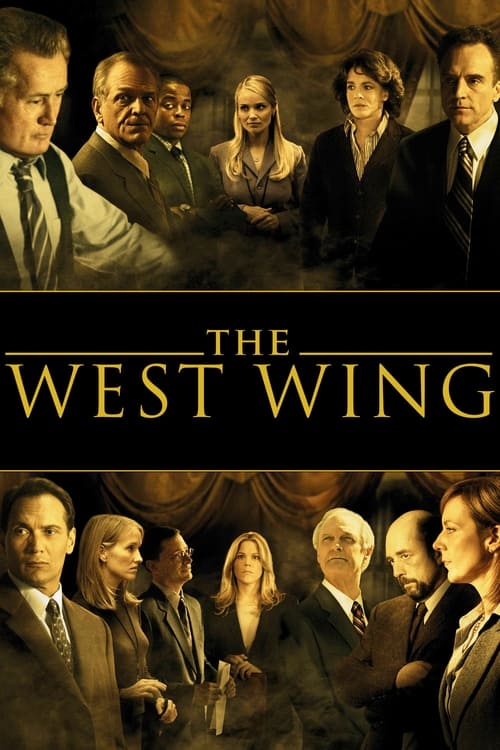
The West Wing
8.3

The West Wing provides a glimpse into presidential politics in the nation's capital as it tells the stories of the members of a fictional presidential administration. These interesting characters have humor and dedication that touches the heart while the politics that they discuss touch on everyday life.

The West Wing

1999
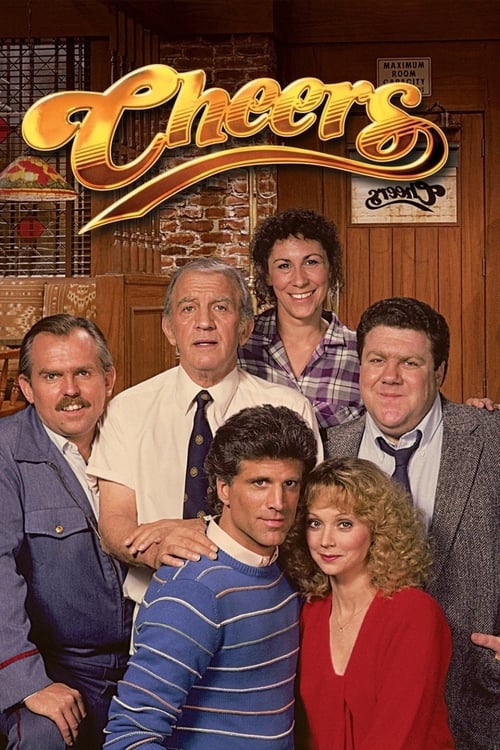
Cheers
7.6

The story about a blue-collar Boston bar run by former sports star Sam Malone and the quirky and wonderful people who worked and drank there.

Cheers

1982
Oz
8.1

The daily lives of prisoners in Emerald City, an experimental unit of the Oswald Maximum Security Prison where ingroups - Muslims, Latinos, Italians, Aryans - stick close to their mutual friends and terrorize their mutual enemies.

Oz

1997
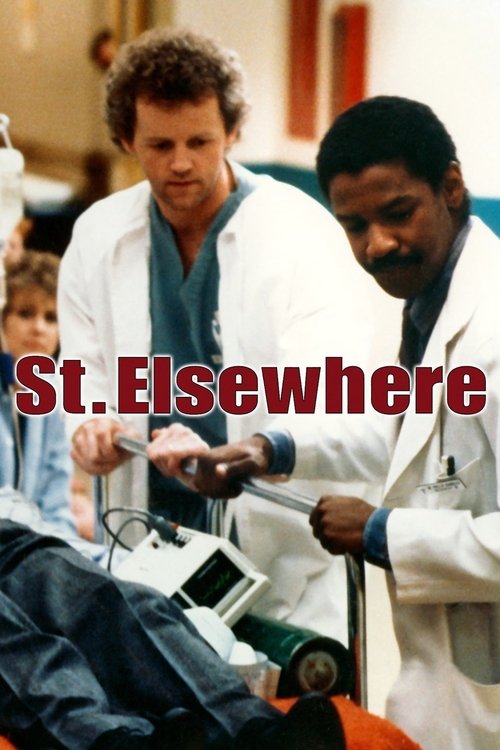
St. Elsewhere
5.7

St. Elsewhere is an American medical drama television series that originally ran on NBC from October 26, 1982 to May 25, 1988. The series starred Ed Flanders, Norman Lloyd and William Daniels as teaching doctors at a lightly-regarded Boston hospital who gave interns a promising future in making critical medical and life decisions.

St. Elsewhere

1982
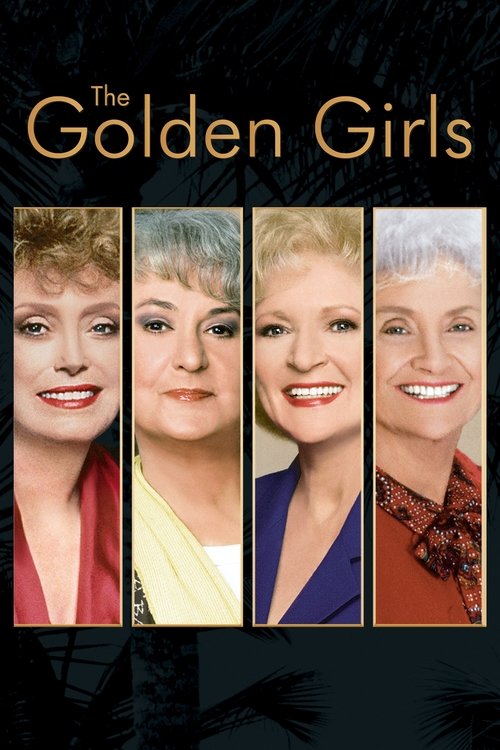
The Golden Girls
7.6

Four Southern Florida seniors share a house, their dreams, and a whole lot of cheesecake. Bright, promiscuous, clueless and hilarious, these lovely, mismatched ladies form the perfect circle of friends.

The Golden Girls

1985
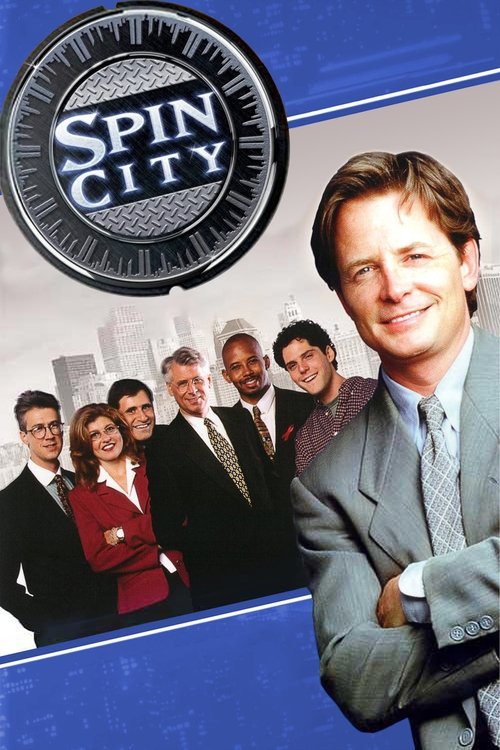
Spin City
7.0

Workaholic Mike Flaherty is the Deputy Mayor of New York City, serving as Mayor Randall Winston's key strategist and much-needed handler. Mike runs the city with the help of his oddball staff: an anxious and insecure press secretary; a sexist, boorish chief of staff; an impeccably groomed gay activist running minority affairs; a sharp and efficient, man-crazy accountant; and an idealistic young speechwriter. Like Mike, they are all professionally capable but personally challenged.

Spin City

1996
Tony Awards
N/A

The Antoinette Perry Award for Excellence in Theatre, more commonly known as a Tony Award, recognizes achievement in live Broadway theatre. The awards are presented by the American Theatre Wing and The Broadway League at an annual ceremony in New York City. The awards are given for Broadway productions and performances, and an award is given for regional theatre.

Tony Awards

1956
Early Edition
7.3

Gary Hobson thinks he may even be losing his mind when tomorrow's newspaper mysteriously arrives today giving him a disconcerting look into the future. What will he do with tomorrow's news?

Early Edition

1996
The Wednesday Play
5.2

An anthology series of television plays which aired on BBC1 from October 1964 to May 1970. The plays were usually written for television, although adaptations from other sources also featured.

The Wednesday Play

1964
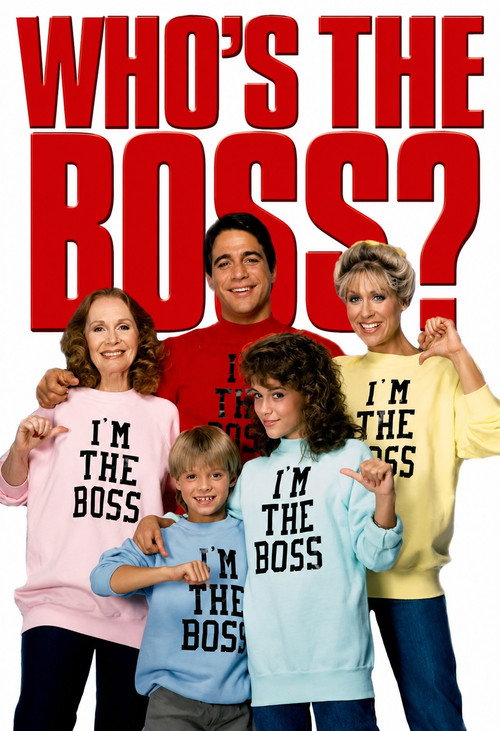
Who's the Boss?
7.4

A former professional baseball player, along with his preteen daughter, moves into New York advertising executive Angela Bower's house to be both a housekeeper and a father figure to her young son. Tony 's laid-back personality contrasts with Angela's type-A behavior.

Who's the Boss?

1984
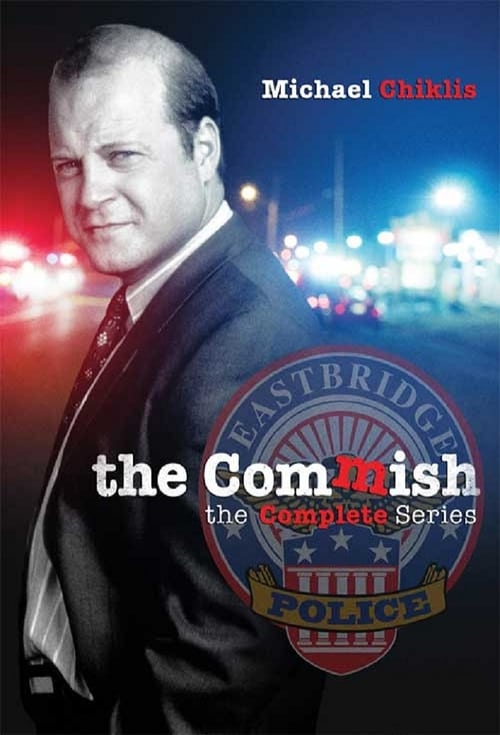
The Commish
7.1

Tony Scali is a former Brooklyn cop now the Police Commissioner of a small upstate city. But for Scali, this is no desk job. He's a tough yet compassionate boss, a loving husband and father, and a hands-on law enforcer with an unorthodox style of bending the rules. From parenthood to politics, from sex crimes to murder cases, one man takes it day-to-day with offbeat humor and street- smart skill.

The Commish

1991
Theatre 625
7.2

Theatre 625 is a British television drama anthology series, produced by the BBC and transmitted on BBC2 from 1964 to 1968. It was one of the first regular programmes in the line-up of the channel, and the title referred to its production and transmission being in the higher-definition 625-line format, which only BBC2 used at the time.

Theatre 625

1964
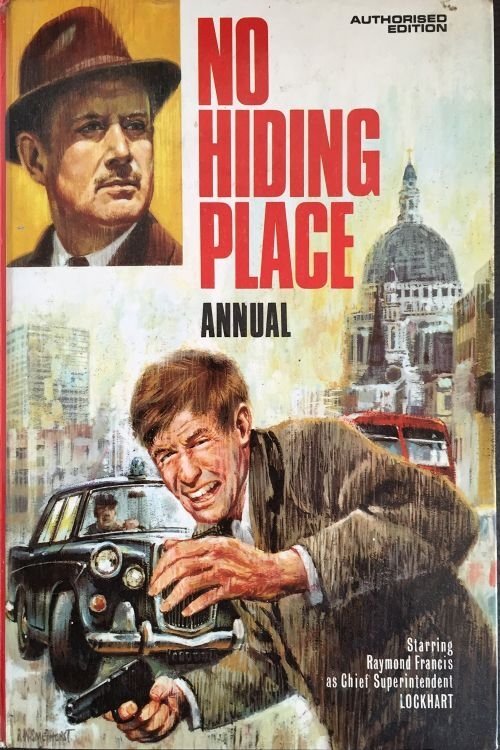
No Hiding Place
4.8

No Hiding Place is a British television series that was produced at Wembley Studios by Associated-Rediffusion for the ITV network between 16 September 1959 and 22 June 1967. It was the sequel to the series Murder Bag and Crime Sheet, all starring Raymond Francis as Detective Superintendent, later Detective Chief Superintendent Tom Lockhart.

No Hiding Place

1959
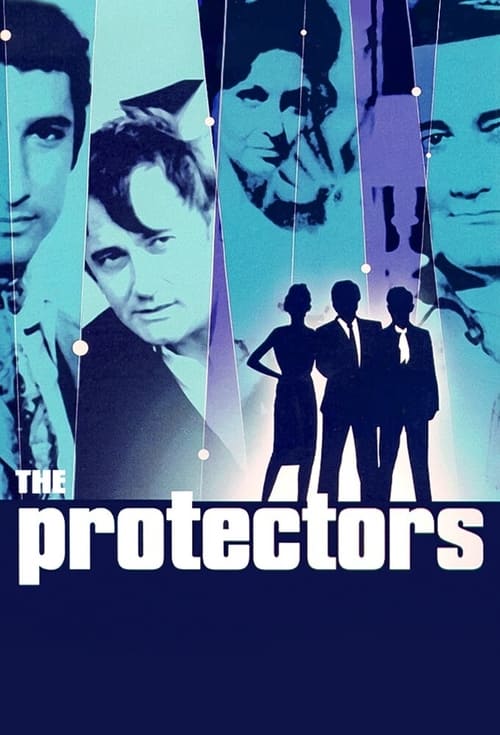
The Protectors
6.1

The Protectors is a British television series, an action thriller created by Gerry Anderson. It was Anderson's second TV series using live actors as opposed to electronic marionettes, and also his second to be firmly set in contemporary times. It was also the only Gerry Anderson produced television series that was not of the fantasy or science fiction genres. It was produced by Lew Grade's ITC Entertainment production company. Despite not featuring marionettes or any real science fiction elements, The Protectors became one of Anderson's most popular productions, easily winning a renewal for a second season. A third season was in the planning stages when the show's major sponsor pulled out, forcing its cancellation. The Protectors first aired in 1972 and 1973, and ran to 52 episodes over two series, each 25 minutes long - making it one of the last series of this type to be produced in a half-hour format. It starred Robert Vaughn as Harry Rule, Nyree Dawn Porter as the Contessa Caroline di Contini, and Tony Anholt as Paul Buchet. Episodes often featured prominent guest actors.

The Protectors

1972
No image
N/A

Drama 61-67 is anthology drama series which took a different title, based on year of transmission, each year. It alternated with Armchair Theatre from ABC in the Sunday evening slot. The series was described at the time as epitomising ATV drama.

Drama 61-67

1961
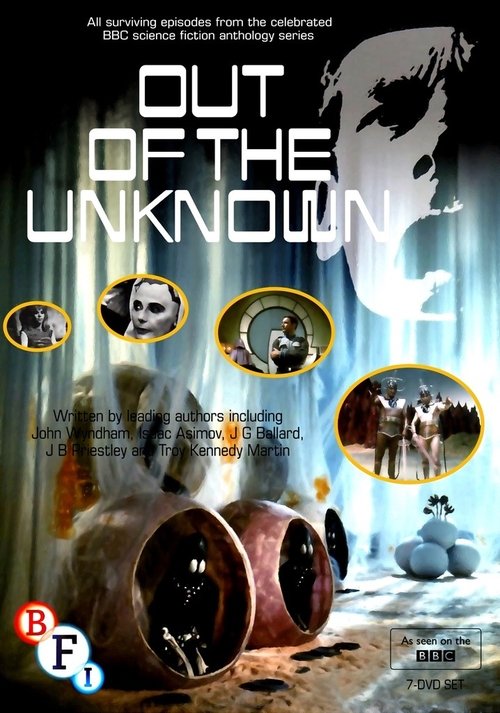
Out of the Unknown
7.1

Out of the Unknown is a British television science fiction anthology drama series, produced by the BBC and broadcast on BBC2 in four series between 1965 and 1971. Each episode was a dramatisation of a science fiction short story; some were created for the series, but most were adaptations of already published stories. The first three years were exclusively science fiction, but that genre was abandoned in the final year in favour of horror and fantasy. A number of episodes were wiped during the early 1970s, as was standard procedure at the time.

Out of the Unknown

1965
No image
8.0

An anthology of single plays offering up adaptations of either of prominent stage plays or novels.

Festival

1963
Journey to the Unknown
7.0

A British television anthology series with a fantasy, science fiction and supernatural theme, similar to the American television series The Twilight Zone, and deals with normal people whose everyday situations somehow become extraordinary.

Journey to the Unknown

1968
Orson Welles' Great Mysteries
6.8

Orson Welles’ Great Mysteries is a British television anthology series produced by Anglia Television for the ITV network and broadcast between 1973 and 1974. The series presents standalone adaptations of classic mystery, crime, and supernatural stories drawn from literary sources including Dickens, Conan Doyle, Wilkie Collins, Balzac, Maugham, O. Henry, and others. Each episode is framed by original introductory and closing sequences performed by Orson Welles, who serves as the series’ host and sole recurring on-screen presence. These segments, written and directed by Welles (uncredited), function as stylized narrative framing devices rather than dramatic participation in the stories themselves. The dramatic content of each episode is performed by separate casts and directors, with no continuing characters or serialized narrative, establishing the series as a unified television anthology rather than a collection of standalone films.

Orson Welles' Great Mysteries

1973