Francesco Tirone
Acting
Known For
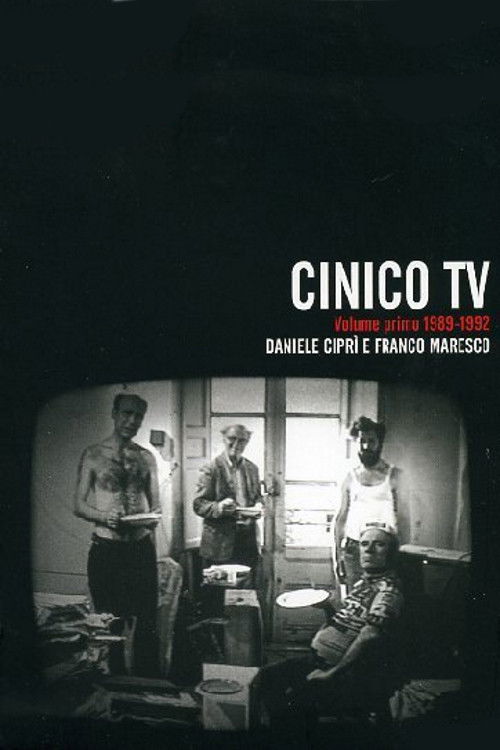
The program consists of clips featuring interviews conducted by the two directors with alienated, crazy, and squalid characters against the backdrop of a desolate Sicily. A characteristic feature is the black and white footage. The subjects are all strictly male: there is no place for femininity in absolute squalor and desolation.
Cinico TV
No description available.
Verso Vertov - Frammenti necropolitani
No description available.
Stanley's Room nº1
No description available.
A Tirone - Da Franco Scaldati
Set in apocalyptic Palermo peopled by ignorant, inbred, flatulent gluttons and deformed Mafiosi, a dark comedy which centers on a poor family of three-middle aged brothers who are coerced, by local Mafia honchos, into hiding a mysterious old man known as the Uncle from Brooklyn in their home.
The Uncle from Brooklyn
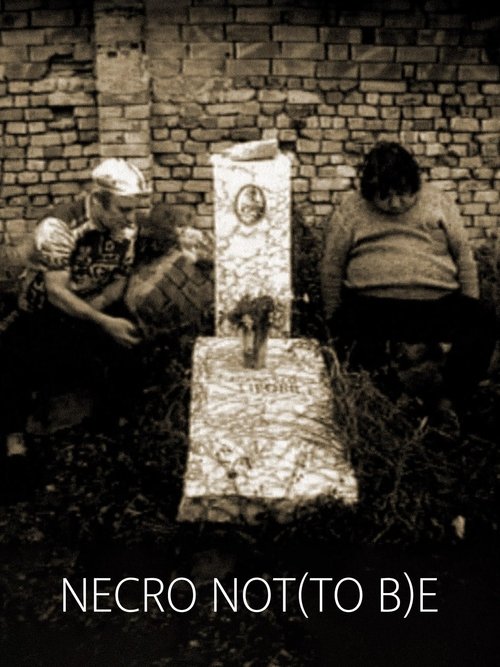
A montage dedicated to friends, actors and companions who have passed away over the years: from Francesco Tirone to Paviglianiti, two leading figures in the famous Cinico TV series, from Tommaso Lauria to Carmelo Bene. This journey down memory lane (and through pain), created especially for Fuori Orario, was broadcast on the night of Ferragosto.
Necro not(to b)e

No description available.
Pasta e patate
No description available.
Illuminati
Several figures associated with Cinico TV talk about its inception, its rise, and the context in which it took place.
Cinico in TV
No description available.
Così!
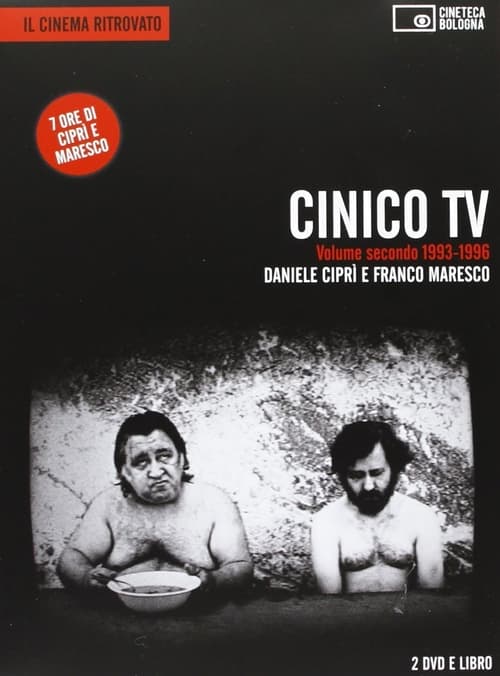
“Being born in Palermo is a kind of punishment, but I’ve never left because it would feel like betrayal. Moreover, I can’t imagine Cinico Tv in any other place in the world.” To Franco Maresco, a brilliant, solitary director from Palermo, his city was the stage of a surreal comedy of rampant decay just as the Mafia was renegotiating the division of power and influence in the emerging Second Republic. Ruins, trash, scraps, underwear, flatulence and burping raided the TV screen at dinnertime in Italian homes in the spring of 1992, sparking hostile cultural debates about the limits of trash and the aesthetics of ugliness, the sense of post-history and post-humanity
Cinico tv
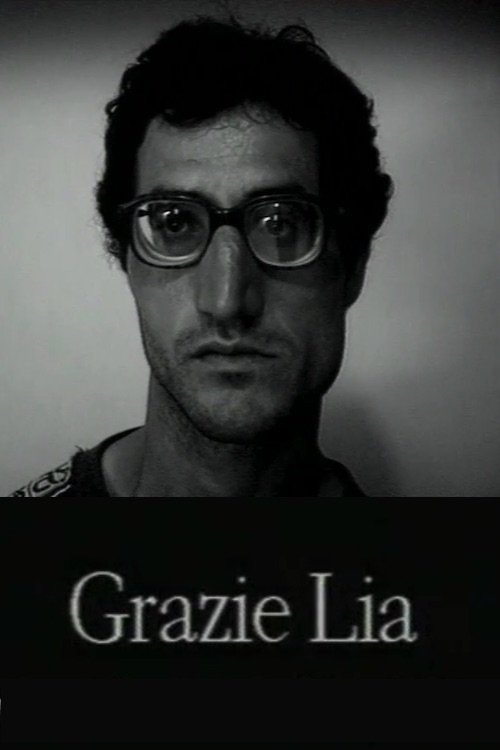
Ciprì and Maresco are fierce critics of post-modern society. They bear witness to the colonization of the imagination attributable in part to the omnipresence of mass communications and the globalization of neo-capitalist values. Their works, scatological in the literal but especially in the metaphorical and etiological sense, denounce social institutions and practices thought to be at the root of injustice, inequality and criminality.
Grazie Lia
In relation to some of Pasolini's visits to Palermo for this last film, in 2000 Ciprì and Maresco shot Arruso, which begins with a phrase by Pasolini ("I banished the word hope from my vocabulary") and consists of imaginary interviews with some local characters who are presumed to have had homosexual relationships with the director. The two record the testimonies, sometimes affectionate others less, of those who had the opportunity to meet him and know the trends on the occasion of that trip.
Arruso
Romagnolo is a short film contained CinicoTV series by the duo Maresco & Ciprì .
Romagnolo
Comments on the work of Ciprì and Maresco by Emma Dante, Emiliano Morreale, and Giuseppe Lo Bianco