David Langton
Acting
Known For
A quirky spy show of the adventures of eccentrically suave British Agent John Steed and his predominantly female partners. Jonathan Steed - an urbane, proper gentleman spy - teams with various assistants throughout the series' run, including Dr. David Keel, Cathy Gale, Emma Peel and Tara King, to repeatedly save the world from diabolical schemes plotted by equally diabolical evil-doers (among them robots and man-eating monsters).
The Avengers

A BBC television anthology series featuring productions of classic and contemporary stage plays usually broadcast on BBC1. Each production featured a different work, often using prominent British stage actors in the leading roles. The series was transmitted from October 1965 to September 1983.
BBC Play of the Month
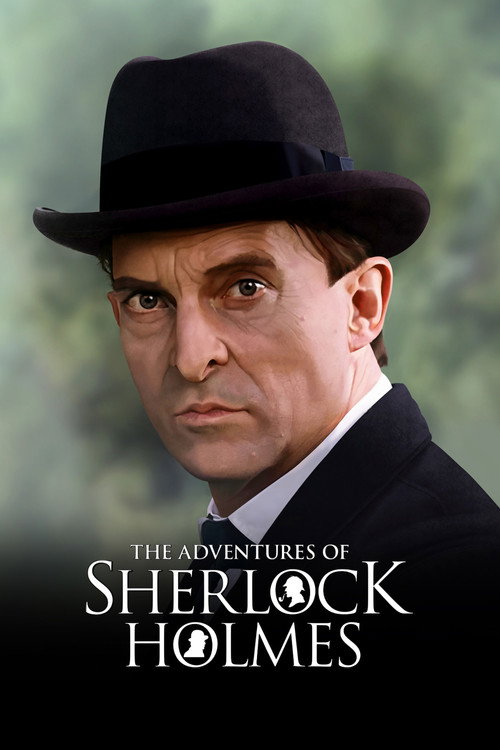
Sherlock Holmes uses his abilities to take on cases by private clients and those that the Scotland Yard are unable to solve, along with his friend Dr. Watson.
Sherlock Holmes
An anthology series of television plays which aired on BBC1 from October 1964 to May 1970. The plays were usually written for television, although adaptations from other sources also featured.
The Wednesday Play
Series of single made-for-television dramas.
Screen Two
ITV Playhouse is a British comedy-drama TV series that ran from 1967 to 1983, which featured contributions from playwrights such as Dennis Potter, Rhys Adrian and Alan Sharp. The series began in black and white, but was later shot in colour and was produced by various companies for the ITV network, a format that would inspire Dramarama. Actors appearing in the series included Leslie Anderson, Gwen Nelson, Ricky Alleyne, Pat Heywood, Michael Elphick, Ian Hendry, Edward Woodward, Margaret Lockwood, Jessie Matthews and Lloyd Peters.
ITV Playhouse
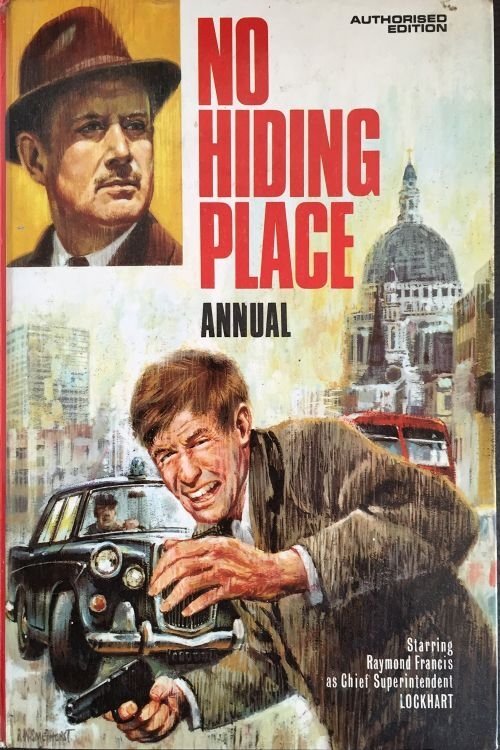
No Hiding Place is a British television series that was produced at Wembley Studios by Associated-Rediffusion for the ITV network between 16 September 1959 and 22 June 1967. It was the sequel to the series Murder Bag and Crime Sheet, all starring Raymond Francis as Detective Superintendent, later Detective Chief Superintendent Tom Lockhart.
No Hiding Place
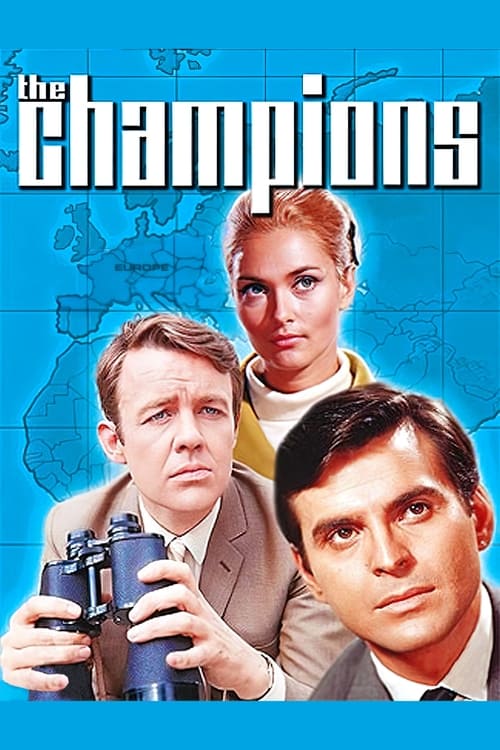
After a plane carrying three Agents crashes in the Himalayas, they are rescued by an advanced civilisation secretly living in Tibet who grant them enhanced versions of the ordinary five senses, and intellectual and physical abilities.
The Champions
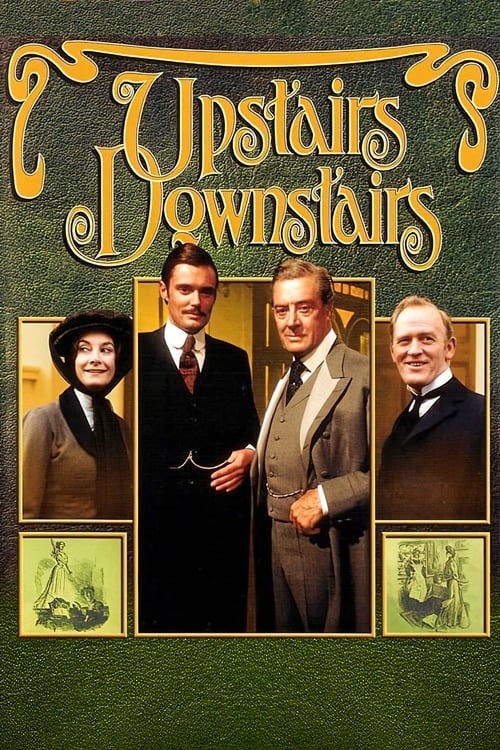
Upstairs: the wealthy, aristocratic Bellamys. Downstairs: their loyal and lively servants. For nearly 30 years, they share a fashionable townhouse at 165 Eaton Place in London’s posh Belgravia neighborhood, surviving social change, political upheaval, scandals, and the horrors of the First World War.
Upstairs, Downstairs
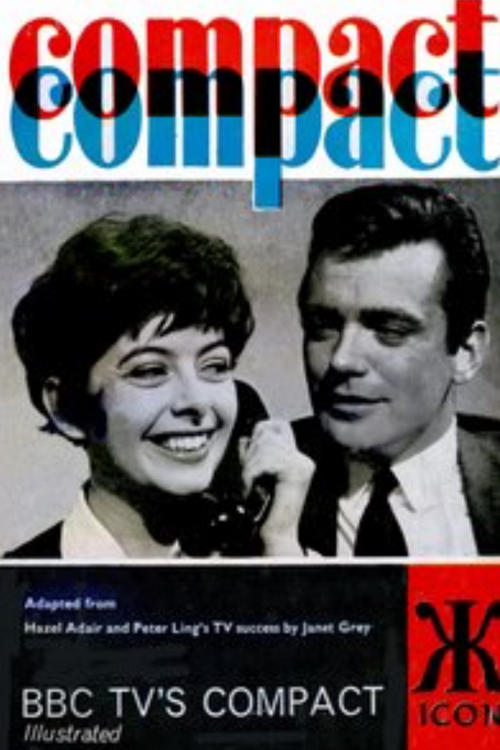
Compact was a British television soap opera shown by the BBC between 1962 and 1965. The series was created by Hazel Adair and Peter Ling, who together went on to devise Crossroads. In contrast to the kitchen sink realism of Coronation Street, Compact was a distinctly middle-class serial, set in the more "sophisticated" arena of magazine publishing. An early "avarice" soap, it took the viewer into the business workplace, and aligned the professional lives of the characters with more personal storylines. The show was scheduled for broadcast on Tuesdays and Thursdays, thus avoiding a clash with ITV's Coronation Street on Mondays and Wednesdays. When Compact began, the editor was a woman, Joanne Minster, yet it was not long before she was replaced by Ian Harmon, the son of the magazine's owner. Despite being largely criticised by reviewers, Compact was popular with the general public, and in 1964 a regular omnibus edition was introduced, broadcast on Sundays. Morris Barry, a some-time actor and BBC director – he directed several Doctor Who stories in the 1960s – took over as producer and was given a brief to spice the series up in view of the criticism it had received from the national press. But the BBC, never comfortable with the concept of soap opera, quietly dropped the series in 1965.
Compact
Anthology series of dramatic works.
ITV Saturday Night Theatre
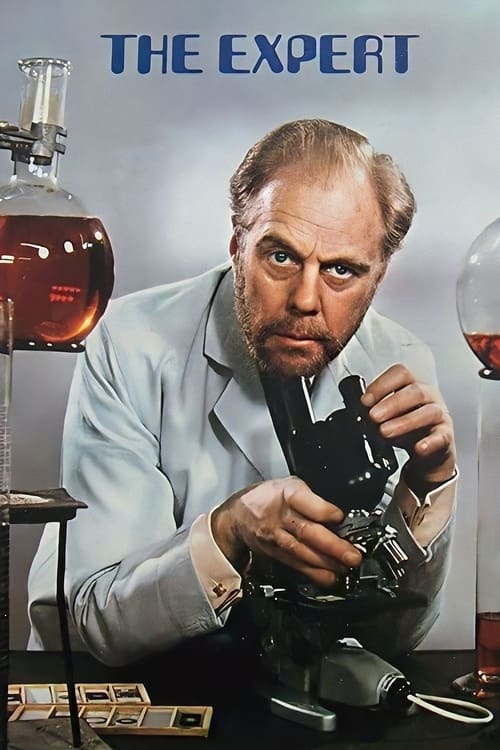
The Expert is a British television series produced by the BBC between 1968 and 1976. The series starred Marius Goring as Dr. John Hardy, a pathologist working for the Home Office and was essentially a police procedural drama, with Hardy bringing his forensic knowledge to solve various cases. The Expert was created and produced by Gerard Glaister. The series was also one of the first BBC dramas to be made in colour, and throughout its four series had numerous high quality guest appearances by actors such as John Carson, Peter Copley, Rachel Kempson, Peter Vaughan, Clive Swift, Geoffrey Palmer, Peter Barkworth, Jean Marsh, Ray Brooks, George Sewell, Anthony Valentine, Bernard Lee, Lee Montague, Geoffrey Bayldon, Mike Pratt, Edward Fox, André Morell, Brian Blessed, Nigel Stock, Philip Madoc and Warren Clarke.
The Expert
Out of the Unknown is a British television science fiction anthology drama series, produced by the BBC and broadcast on BBC2 in four series between 1965 and 1971. Each episode was a dramatisation of a science fiction short story; some were created for the series, but most were adaptations of already published stories. The first three years were exclusively science fiction, but that genre was abandoned in the final year in favour of horror and fantasy. A number of episodes were wiped during the early 1970s, as was standard procedure at the time.
Out of the Unknown
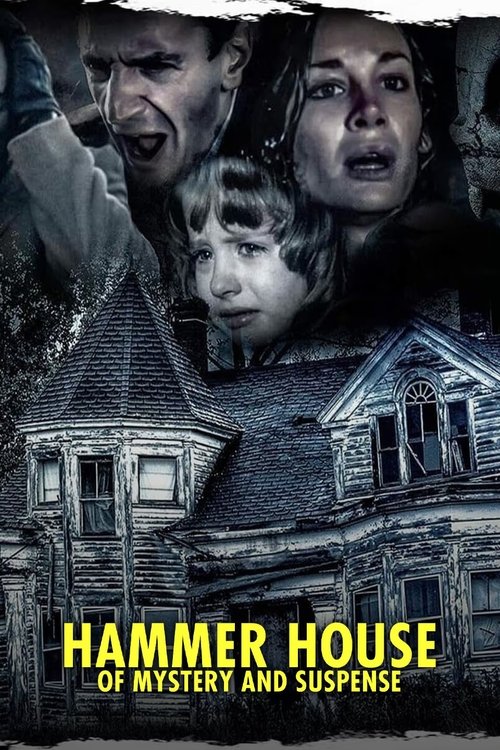
A short-lived anthology television series from Hammer Studios. Though similar in format to the 1980 series Hammer House of Horror, the Mystery and Suspense series had feature-length episodes, usually running around 70 minutes without commercials. Co-produced by Hammer Studios with 20th Century Fox Television, it is known in the United States as Fox Mystery Theater. Unlike 1980's Hammer House of Horror, all episodes feature American actors as either the leads or in key roles. It first broadcast in the UK on ITV in 1984, though was not simulcast and was shown in different timeslots throughout the various regions.
Hammer House of Mystery and Suspense
A British television anthology series with a fantasy, science fiction and supernatural theme, similar to the American television series The Twilight Zone, and deals with normal people whose everyday situations somehow become extraordinary.
Journey to the Unknown
A BBC anthology series featuring adaptations of detective stories over 45 episodes in three seasons that ran from 1964 to 1969. As with many BBC programmes made before the early 1970s, many of its episodes no longer exist. Of the eighteen episodes from the first season only twelve are currently known to exist; likewise six of the sixteen editions from the second run are considered lost, and just one of the final ten survives in the archives.
Detective
Anthology series telling suspenseful tales.
Suspense
Long-running anthology program sponsored by Hallmark Cards. Beginning in 1951 and continuing into 2019, the series received 80 Emmy Awards, 24 Christopher Awards, 11 Peabody Awards, 9 Golden Globes, and 4 Humanitas Prizes. Early seasons were a weekly live drama, eventually transitioning to videotaped and then filmed productions broadcast as occasional specials.
Hallmark Hall of Fame
An anthology of 1920s set plays and musicals, transmissioned from 10 September to 10 December 1968 on BBC One.
The Jazz Age
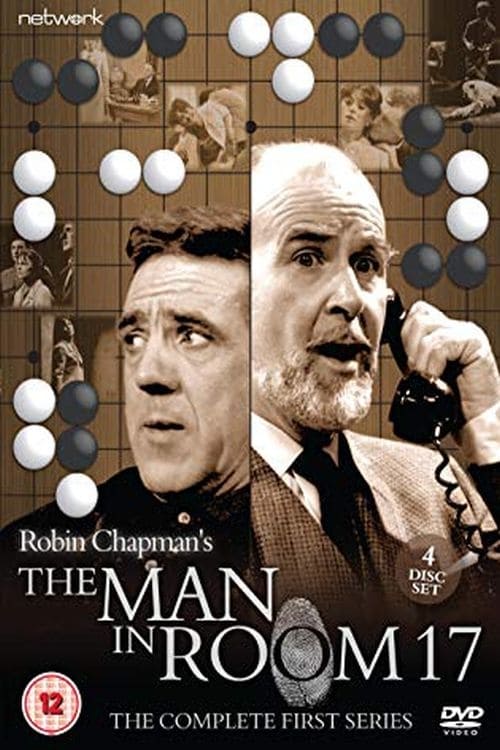
The Man in Room 17 is a British television series which ran for two seasons in the mid-1960s, produced by the Northern ITV franchise, Granada Television. Key to the series' success was the involvement of writer/producer Robin Chapman. The show was set in Room 17 of the Department of Social Research, where former wartime agent-turned-criminologist Edwin Oldenshaw solved difficult police cases through theory and discussions with his assistants. The novelty of the series was that Oldenshaw and his colleagues never needed to leave their office in order to resolve cases, preferring to spend their time playing the Japanese board game of Go. They simply provided their prognosis and left the police to do the cleaning up. Different directors were often appointed to film the Room 17 and outside-world scenes independently, to maintain a sense of distance between the two worlds.