
Jake Starr
Directing
Biography
Jake Starr is a research-based artist residing on unceded Gadigal land (Sydney, Australia). Starr’s practice yearns across new media, sculpture, film and text, toward speculative post-human futures. Much of their process involves the appropriation of disregarded ideas, data and intelligences in order to formulate surprising relational ecologies. Starr’s research is informed by the frameworks of post-structuralism and queer ecology as much as the seemingly frameless, fringe stirrings of furry fandom, conspiracy theories and accelerationism. Their work often operates within zones of slippage, creating webs of intimacy which evoke imaginaries that exist beyond historical grand narratives and anthropocentric hegemony.
Known For
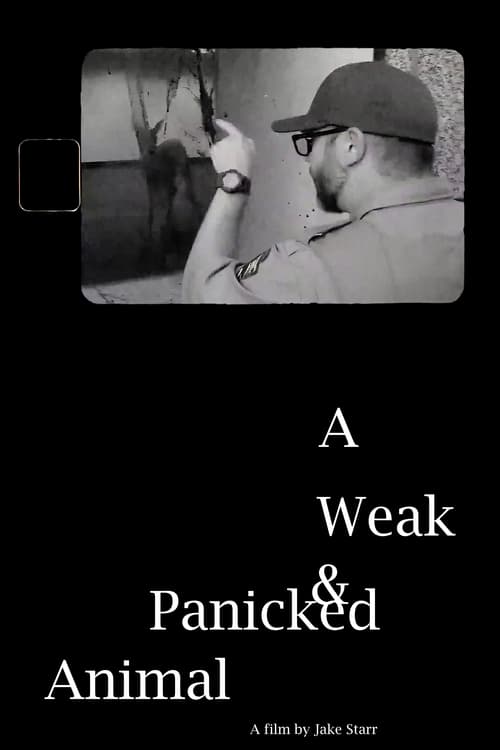
Enclosed by a civilised landscape, society reduces the problem of human survival to a minimum. The sidewalk, the fence, the clearing, demarcate a treaty between man and nature whereby neither one of us shall pass these thresholds lest we become subject to the law of the other.
A Weak & Panicked Animal
Beavers is a surreal comedy showcasing and inspired by an important part of the theatre production process — all of the work that goes into the transportation flats and large set pieces. It recycles this work by treating it as a rehearsal.
Beavers
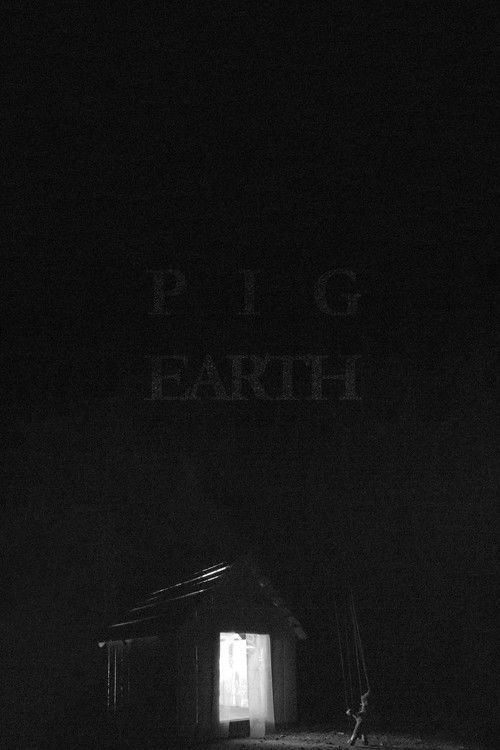
Pig Earth traces a sequence of conditions through which consciousness emerges, organises, and ultimately fractures under its own weight. It follows the slow organisation of mind from instinct into structure, from structure into consciousness, only for this awareness to rupture, turning back upon the organism that hosts it. If evolution tends toward efficiency, then consciousness appears excessive. If it tends toward survival, then consciousness appears compromised. The conscious animal becomes the animal that hesitates, the animal that suffers its own awareness, the animal for whom existence is no longer given but must be continually reckoned with. In this sense, consciousness may be less a culmination than a misstep: not the enlightenment of the organism, but its undoing.