Editing
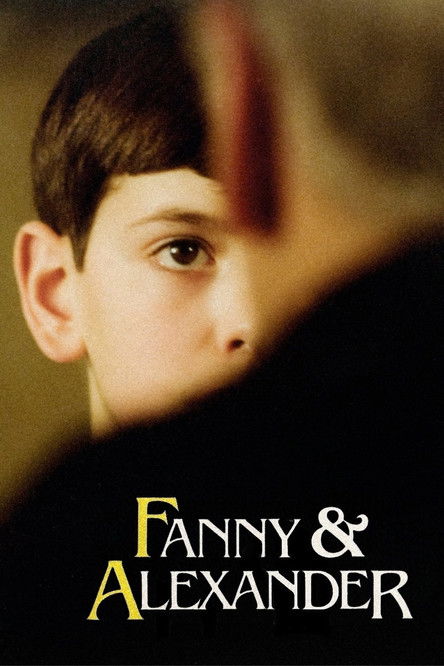
Through the eyes of ten-year-old Alexander, we witness the delights and conflicts of the Ekdahl family, a sprawling bourgeois clan in turn-of-the-twentieth-century Sweden.
As children in the loving Ekdahl family, Fanny and Alexander enjoy a happy life with their parents, who run a theater company. After their father dies unexpectedly, however, the siblings end up in a joyless home when their mother, Emilie, marries a stern bishop. The bleak situation gradually grows worse as the bishop becomes more controlling, but dedicated relatives make a valiant attempt to aid Emilie, Fanny and Alexander.
After a seven-year absence, Charlotte Andergast travels to Sweden to reunite with her daughter Eva. The pair have a troubled relationship: Charlotte sacrificed the responsibilities of motherhood for a career as a classical pianist. Over an emotional night, the pair reopen the wounds of the past. Charlotte gets another shock when she finds out that her mentally impaired daughter, Helena, is out of the asylum and living with Eva.
Rational, exacting, and self-controlled theater director, Henrik Vogler, often stays after rehearsal to think and plan. On this day, Anna comes back, ostensibly looking for a bracelet. She is the lead in his new production of Strindberg's A Dream Play. She talks of her hatred for her mother, now dead, an alcoholic actress, who was Vogler's star and lover.
Stig-Helmer and Ole Bramserud on a trip to the Canary Islands for Christmas.
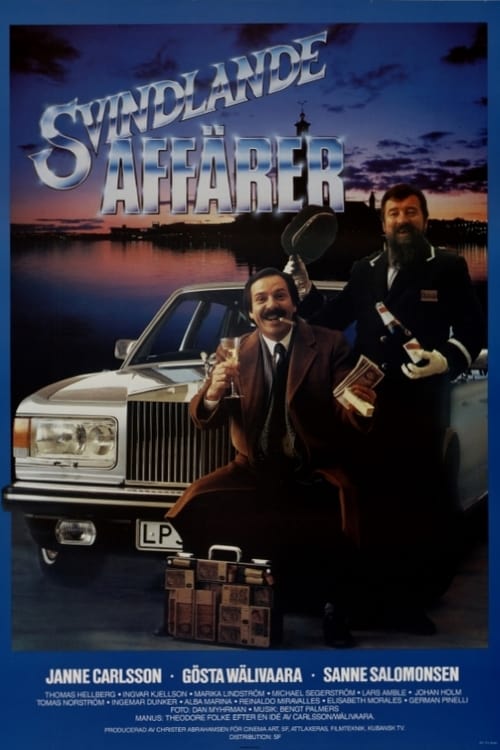
Gösta Eriksson, a hairdresser, buys a car from used-car dealer Bertil Planåker. But Gösta soon discovers that the car is a wreck. Planåker won't give him his money back, in fact he denies ever having seen Gösta. Gösta's brother Rolle is released from prison and promises to help him. They form an investment company, Parabola, and convinces Planåker to invest a lot of money in it. Planåker has a lot of shady business colleagues who also invest their money. Gösta's and Rolle's scam becomes much bigger than they had bargained for.
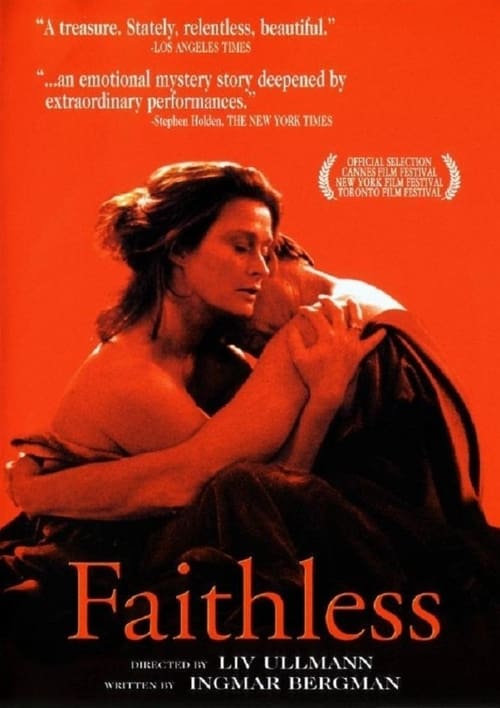
Scripted by Ingmar Bergman, this very personal film is about a destructive affair which wrecks the marriage of an actress (Marianne) and musician (Markus). Wanting to continue the affair, Marianne moves in with her lover. But she is tormented by Markus' decision not to let her have custody of their daughter. Finally Markus announces he may have a solution to the stalemate, but this leads to deception, lies and ultimately, tragedy.
The puppy love of two teenagers is set against a backdrop of adults struggling with their own lives. As a couple in love, they don't care about anything but themselves and seem totally unaware about everything that surrounds them.
When an inspector is murdered in hospital, the investigation led by Detective Martin Beck uncovers reports of misconduct and possibly revenge.
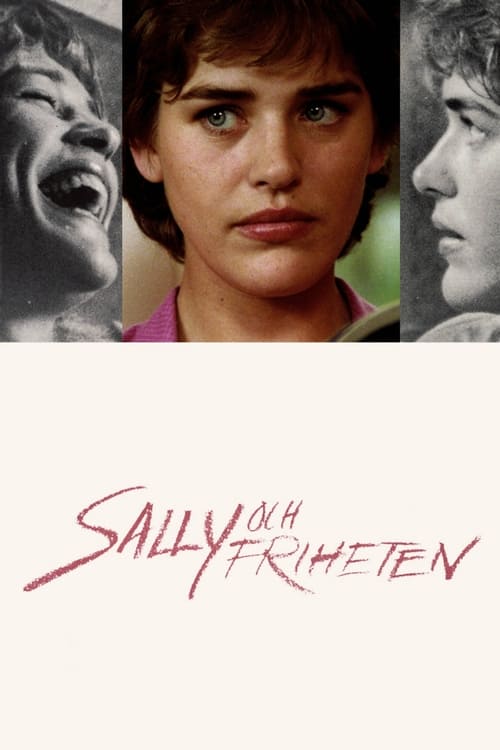
About choices in life and responsibilities. Sally has decided to have an abortion. It seriously affects her relationship with her partner Jonas, and their daughter Mia.
Trine refuses to fly. When the 18-year-old environmental activist and trumpet talent only has a few days to travel 1500 km from Lofoten to Oslo in order to reach a crucial audition at the Opera House, she is forced to hitchhike, despite great time pressure. Suddenly, her passion for music and environmental idealism is set against each other. Å ØVE (TO PRACTICE) is a film that explores resistance in passion, a deeply intimate encounter with music and the practice of listening to oneself.
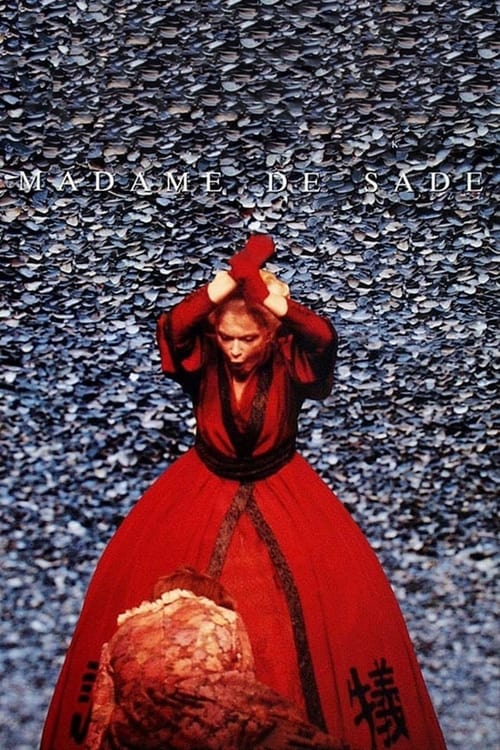
This television production captures Ingmar Bergman’s stage adaptation of Yukio Mishima’s Madame de Sade, set in France from 1772 to the aftermath of the French Revolution. While the Marquis de Sade remains imprisoned, six women—including his wife Renée—debate his actions, reputation, and meaning, revealing conflicting views on devotion, morality, and power.
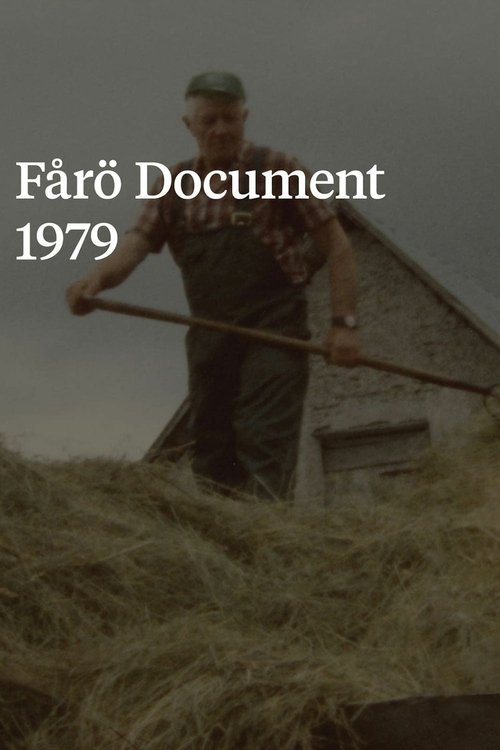
Returning to Fårö a decade after his earlier documentary, Ingmar Bergman records the daily lives of farmers, fishermen, and families living on the island. Structured around the four seasons, the film documents labor, communal routines, and reflections on how life on Fårö has changed since the late 1960s.
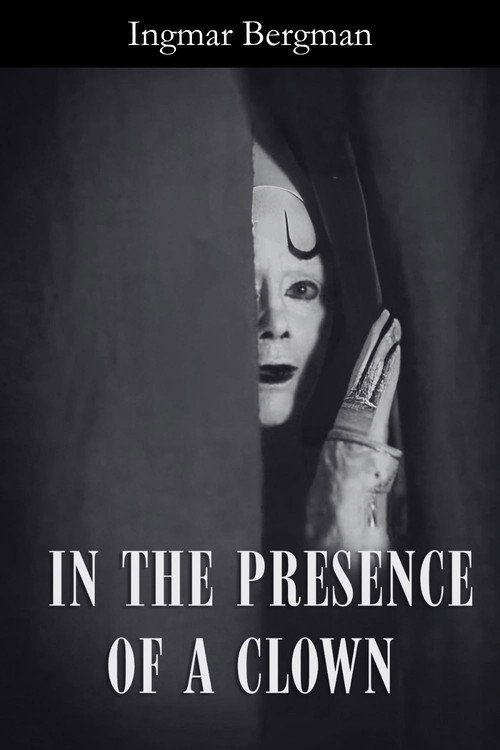
In 1925, eccentric inventor and Franz Schubert devotee Carl Åkerblom is confined to a psychiatric ward in Uppsala after attempting to murder his fiancée. Obsessed with death, music, and the future of cinema, he joins forces with a fellow patient to create a “living talkie,” an experimental film performance with live-spoken dialogue. As the project unfolds, art, madness, and mortality collide in a tragicomic reflection on creativity and human frailty.
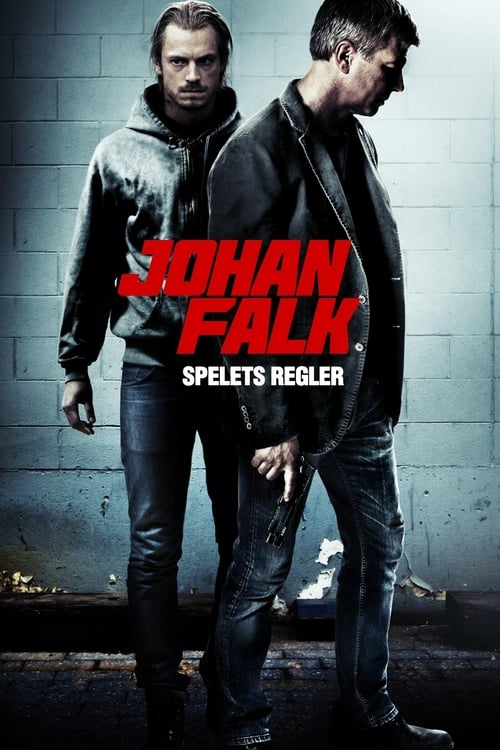
It's been two years since John Falk and Frank Wagner broke their cooperation and Frank started working undercover with the police. Frank's search for Kevin crosses Johan's investigation and opens up a new collaboration between them - with the big difference that this time it's personal for Frank.
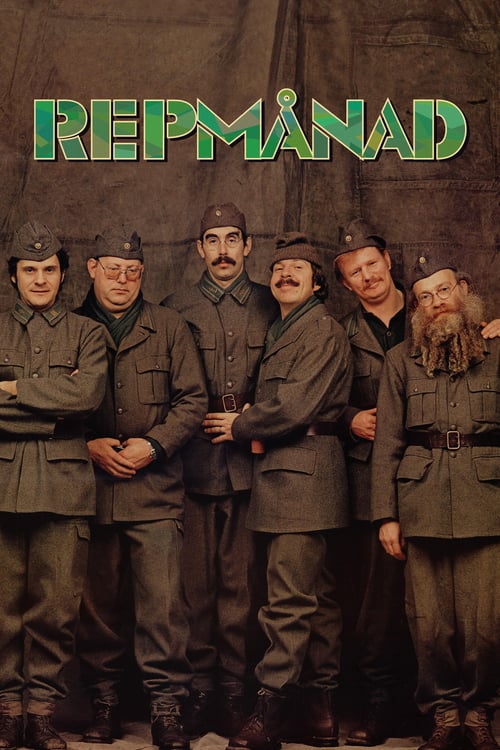
It's time for Jonsson to return to his old regiment to rehearse what he learned during conscription a few years ago. He meets his old friends, platoon leader Larsson and the music loving captain 'Beethoven'. Jonsson and his comrades doesn't take it very serious - but they have a jolly good time. A female journalist follows the exercise to write an article, and gets interested in him.
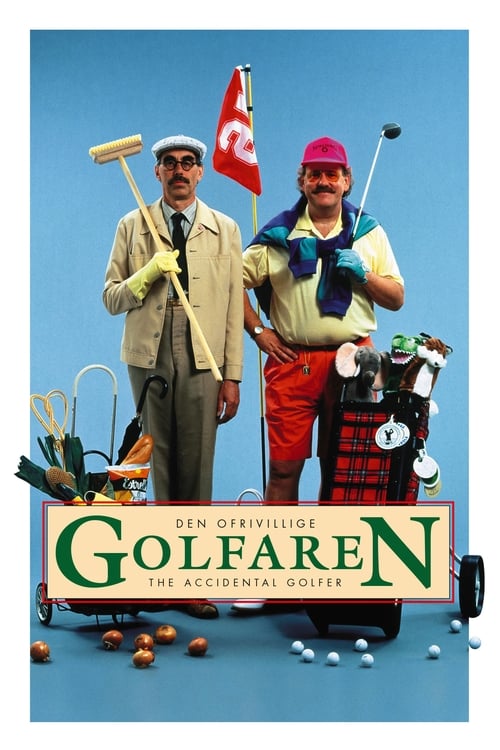
I bet anyone can get better at golf than you are in one week, a golfer says to her golfing businessman for a boyfriend in a quarrel. Unfortunately Stig-Helmer is standing nearby when the boyfriend accepts the bet, and he is chosen to be the competitor. Stig-Helmer has never played the game before, but his Norwegian friend Ole promises to help him.
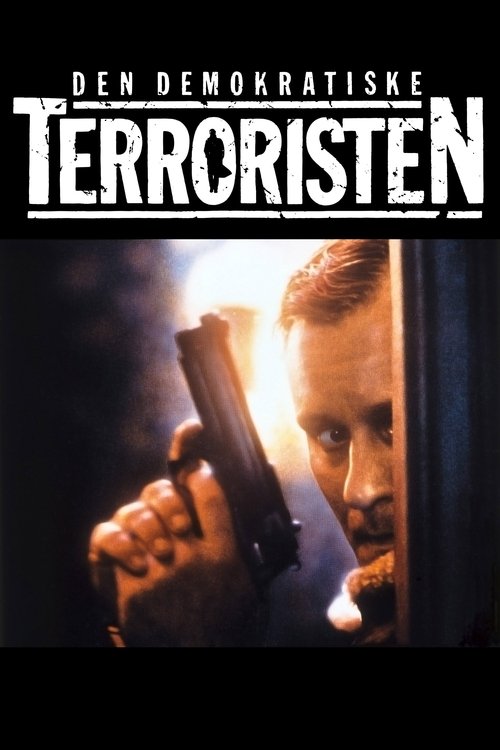
The West German security police, Verfassungsschutz, need help to infiltrate a group connected to the Rote Arme Fraktion. The Swedish James Bond, Carl Hamilton, goes to Hamburg, pretending to be a Swedish officer, thrown out of the country after having been exposed as an East German spy. He gets in contact with the terrorists and joins them. Together they are planning to strike against the CIA headquarters in Stockholm.
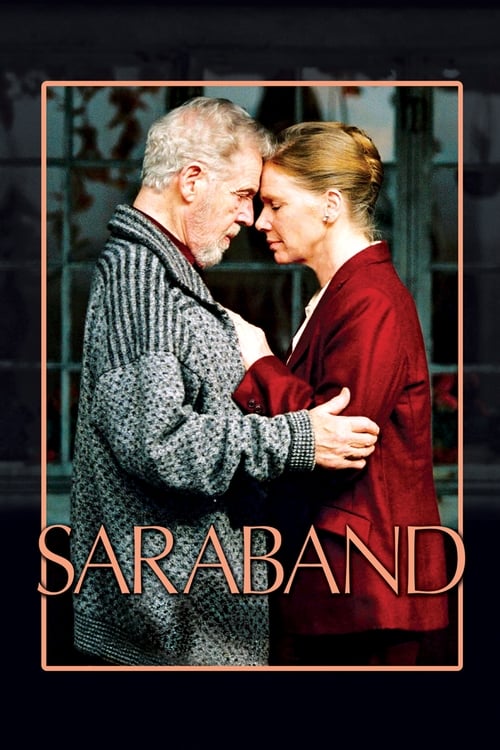
Reuniting the characters of Johan and Marianne three decades after "Scenes from a Marriage," "Saraband" follows Marianne’s visit to her reclusive ex-husband, where she finds him locked in a destructive conflict with his troubled son Henrik and Henrik’s musically gifted daughter Karin. Told as an intimate chamber drama, the film explores love, resentment, forgiveness, and the inescapable pull of family bonds.
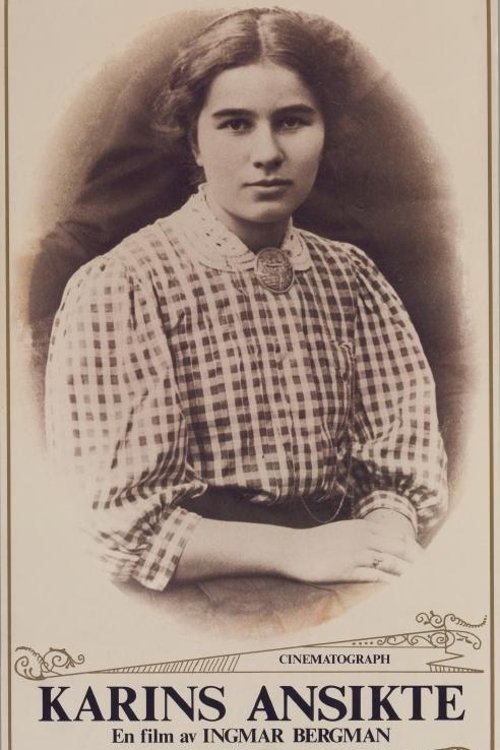
This short film assembles still photographs from Ingmar Bergman’s personal family albums, concentrating on portraits of his mother, Karin, from childhood through adulthood. The images are arranged in chronological order and set to a piano score by Käbi Laretei, with no spoken narration.