Directing
Egon Monk was a German actor, theater and film director, dramaturge and author.
No description available.
Annual awarding of the Grimme Awards.
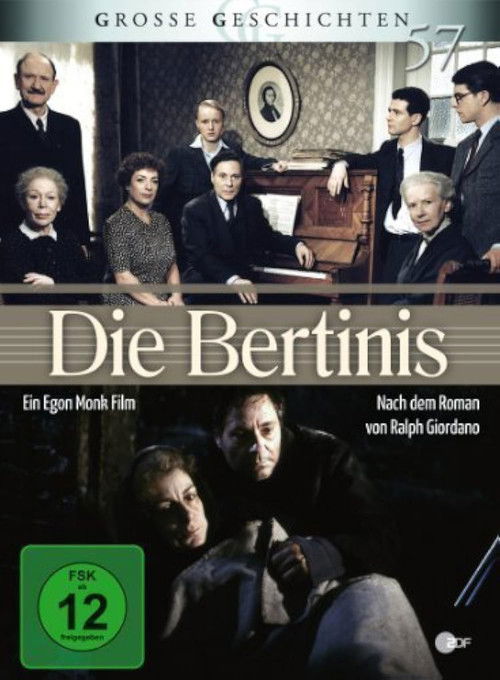
The story of the life and survival of a half-Jewish family in Germany from 1882 to 1945. The focus is on the family of the failed pianist and conductor Alf Bertini and his Jewish wife Lea Lehmberg. They live in poor conditions in Hamburg and fight to give their children a better life until Hitler seizes power.
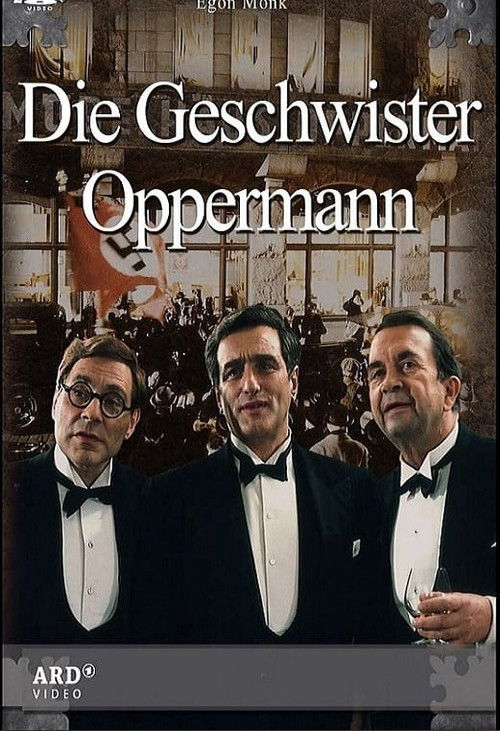
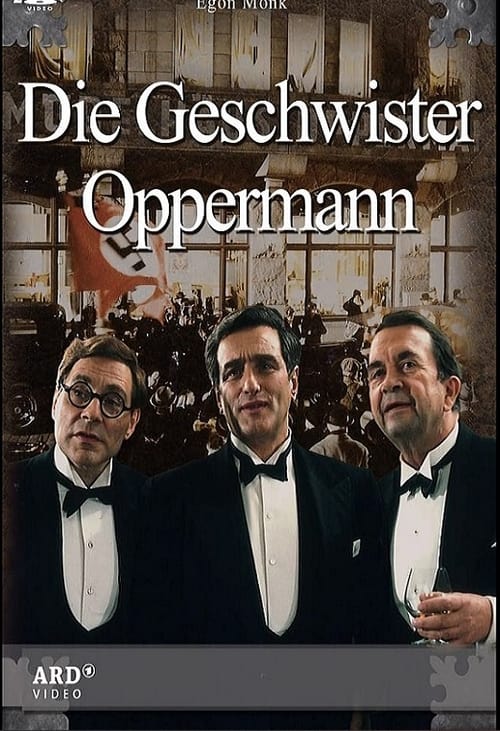
History of a Jewish family, the Oppermanns, in Berlin at the end of 1932, after Hitler has become the leader of Germany's strongest political party.
A day in the lives of a Hamburger couple Jan and Renate. A few days ago they moved to Wilhelmsburg. There they have to build a child's room, but they lack the money.
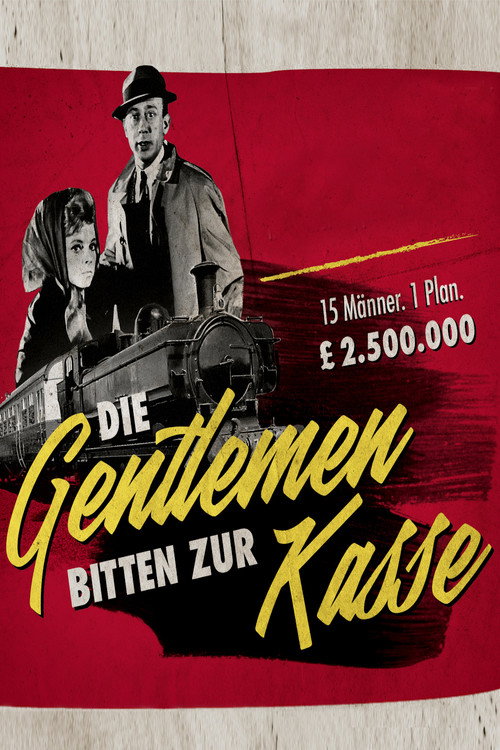
A story of the famous British train robbery from the 1960s, told from the view of the robbers.
Strange things happen in the overnight express: according to a cryptic, obviously military announcement, the train's telephone link with the outside world has been cut off, access to the rear part of the train has been barred, the windows cannot be opened and the train does not stop at any station. While the train's secretary decides to get to the bottom of these ominous events, the other passengers react quietly and are annoyed by the young woman's anxiety. A young priest prevents her from pulling the emergency brake.
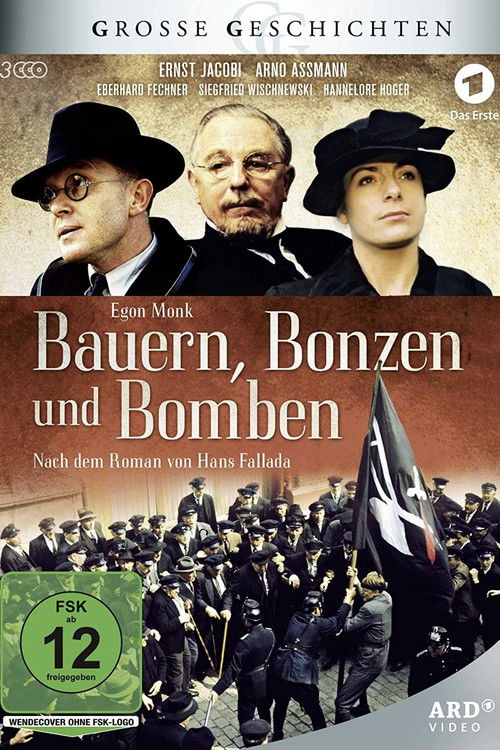
The tax officials Thiel and Kalübbe try to confiscate two oxen, but are prevented from doing so by protesting farmers led by the community leader Reimers. The assistant editor Tredup, who takes photos of the incident, is also in the thick of things.
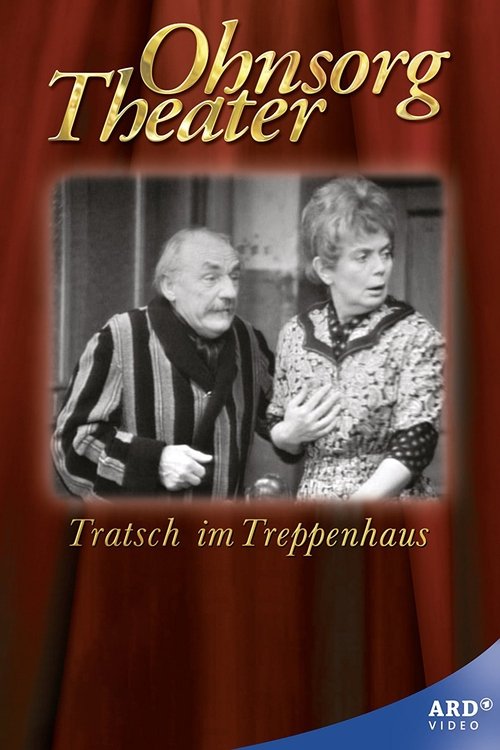
Meta Boldt misses nothing in the house of master butcher Tramsen. She is firmly convinced that unsustainable conditions would prevail and order would be lost if she did not keep the landlord constantly informed of all the news. Unfortunately, Meta Boldt can't find out everything through glimpses through the keyhole and overheard conversations. Slowly but surely, her half-truths get her into trouble with everyone in the house, especially as she can't keep her mouth shut...
The movie "L'instant de la paix" consists of three segments: 1. "Les rideaux blancs" (France) 2. "Berlin N 65" (West Germany) 3. "Matura" (Poland)
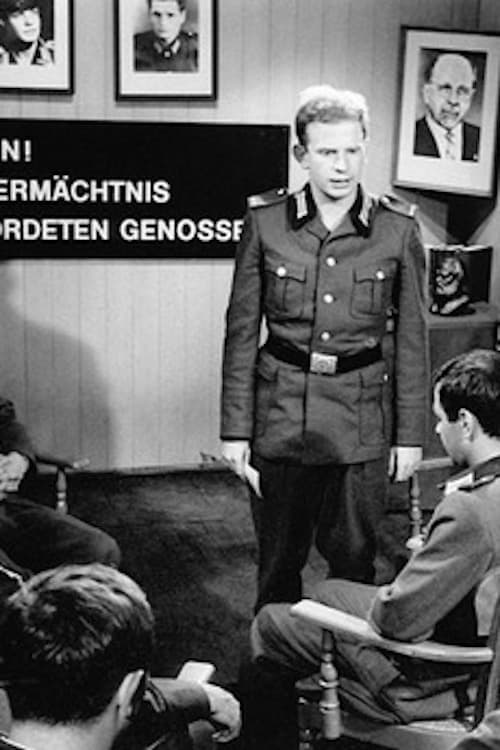
24 hours on the border between East and West Germany. In an outlying West Berlin district, police officers chat about their personal lives, take care of petty offence and at most, warn the odd rubbernecker away from the border to the “Soviet zone”. Meanwhile their East German counterparts are under enormous pressure. The day begins with disciplinary action after one of the border guards was found sleeping on duty. The supervisors demand utmost vigilance and a solid ideological bent, and suspicion and mistrust are the rule within the ranks of these soldiers of the National People’s Army (NVA). Unnoticed by the soldiers, four East Berlin students are preparing to flee to the west. But in the morning mists, only their accomplice, an NVA private, succeeds …
The Investigation (1965) is TV version of a play by German playwright Peter Weiss that depicts the Frankfurt Auschwitz Trials of 1963–1965.
In the fight against the impending bankruptcy of his business, a Hamburg chemist relies on total adaptation to the prevailing circumstances.