Writing
Ashjar La Tamoot (Trees Do Not Die) is a theatrical drama originally written by acclaimed playwright Mahmoud Diab. The first production was staged in 1991 under the direction of Mohsen Mohamed. In 1998, the play was revived with a new interpretation by director Abdullah bin London, featuring a fresh cast that included Mohammed Al-Saadi and Ashwaq. The story metaphorically compares human perseverance to trees that never die, addressing themes of resilience, moral struggle, and the timeless strength of values against adversity.
An adaptation of “Crime and Punishment", a young educated man's descent into madness and paranoia after committing a crime, and finding comfort in the company of kind-hearted but abused poor prostitute in the middle of his turmoil.
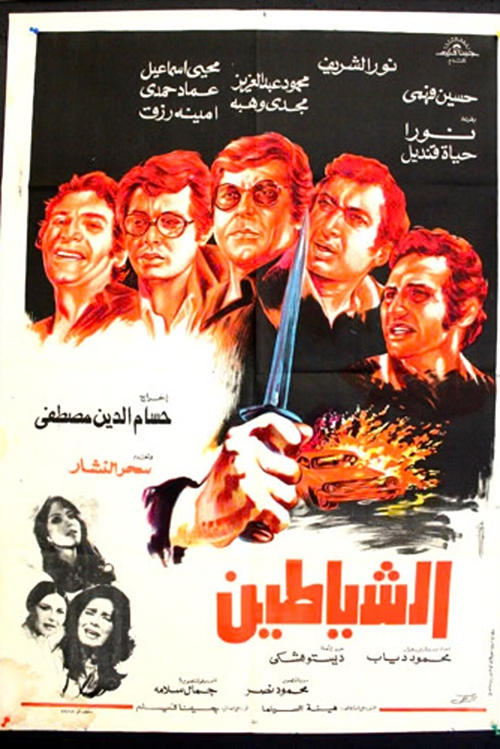
The story revolves around a national political association in the 1940s, joined by a group of national youth, who see violence as one of the most important means of overthrowing the regime.
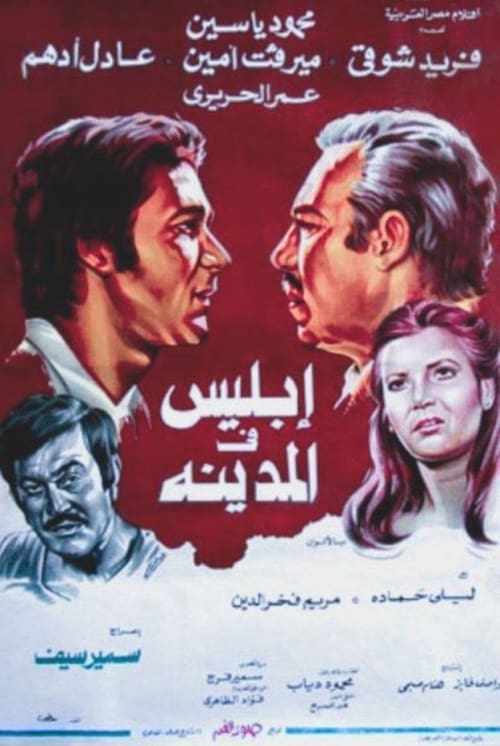
Mansour Nassab deceives the new arrivals to Cairo, falls on his way to the shy young man Sharif, and claims to him that he is rich and is managing a place for him to stay in, so he resorts to a hotel owned by Tahiya, who lives in it with her daughter Sawsan, and in the hotel Sharif gets to know the uncle of the old man who He sees that this young man is in need of care and a guide for him, and Mansour agrees with Sharif to kill Sawsan's father and Tahiyya's husband in search of great wealth, provided that they share the wealth between them
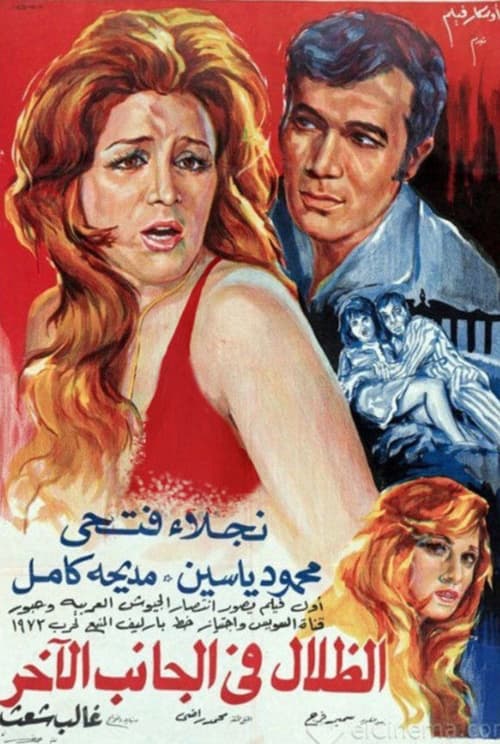
The love relationship between Mahmoud and Rose develops until she gets pregnant. Mimi kicks Mahmoud out of the room that she rented him, because she trusted Mahmoud with Rose whom she has cared for since she was a child.