Directing
Tatort is a long-running German/Austrian/Swiss crime television series set in various parts of these countries. The show is broadcast on the channels of ARD in Germany, ORF in Austria and SF1 in Switzerland.
Polizeiruf 110 is a long-running German language detective television series. The first episode was broadcast 27 June 1971 in the German Democratic Republic, and after the dissolution of Fernsehen der DDR the series was picked up by ARD. It was originally created as a counterpart to the West German series Tatort, and quickly became a public favorite.
Annual awarding of the Grimme Awards.
No description available.
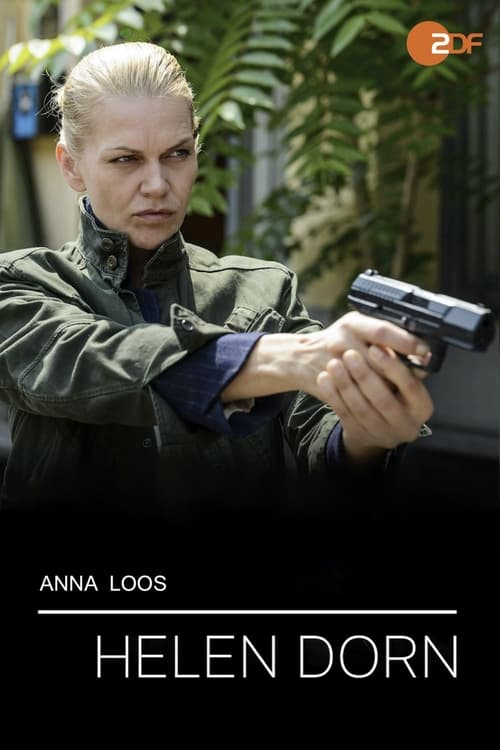
Helen Dorn is an expert Police Commissioner, who’s years of experience have given her killer instinct when it comes to crime. On the department head’s orders, Helen Dorn become involuntary partners with Detective Chief Superintendent Gregor Georgi, with Helen in the role of Georgi’s superior. After initially ruffling some feathers, as Gregor thought he was about to take over a case as head investigator and not confronted with a new superior, the two prove to be a solid pairing: Helen’s famed intuition is matched by Gregor’s rational analysis and precision. But will he be able to unearth her mysterious past?
Weissensee is a German television series. The series is set in East Berlin in 1980 and 1987 and follows two families.
Two families have created an idyllic life for themselves on one of the Oxen Islands. But when tragedy strikes, long-buried secrets come to light, friendships are undermined, and the paradise they built begins to fall apart.
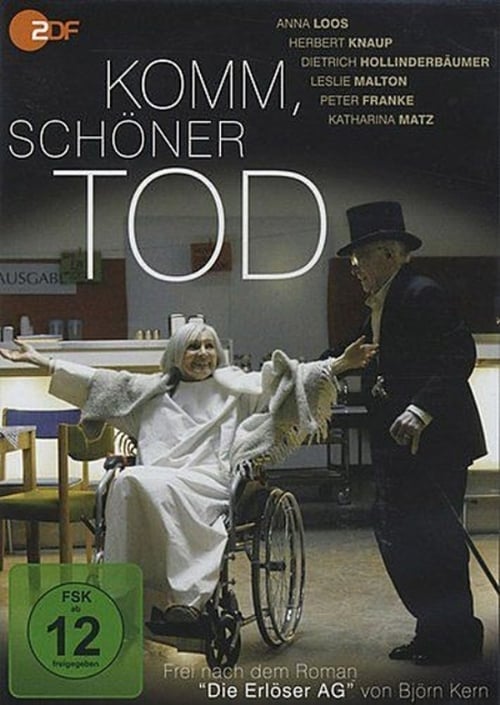
Berlin sometime in the near future: Due to the demographic change, more and more old people are walking confused through the city. In order to avoid accidents and to protect the elderly, there are special task forces that pick up the pensioners and bring them back to the homes. The entrepreneur Sebastian von Werding recognized the potential of customers and developed a new business model.
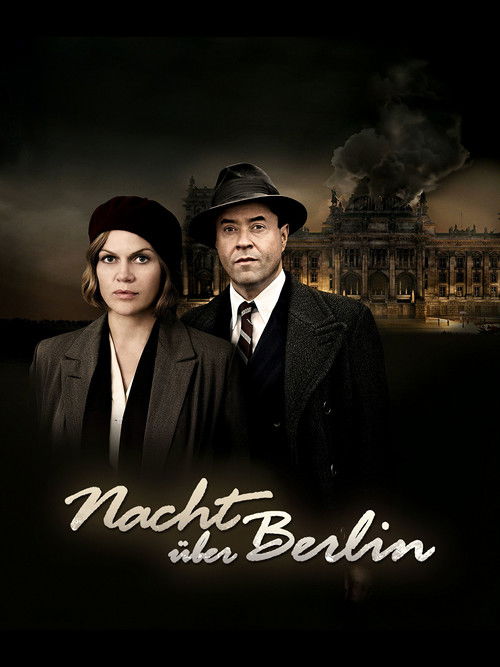
Berlin, 1932. The Weimar Republic is torn apart in the struggle between right- and left-wing extremists and Berlin is a powder keg. Nightclub singer Henny Dalgow get to know the Social Democratic congressman and Jewish doctor Albert Goldman, and the two become a slightly odd couple. Albert is a sworn pacifist after his experiences in the First World War. Contrary to his beliefs he agrees to act as courier for his brother Edwin, who belongs to a radical communist cell.
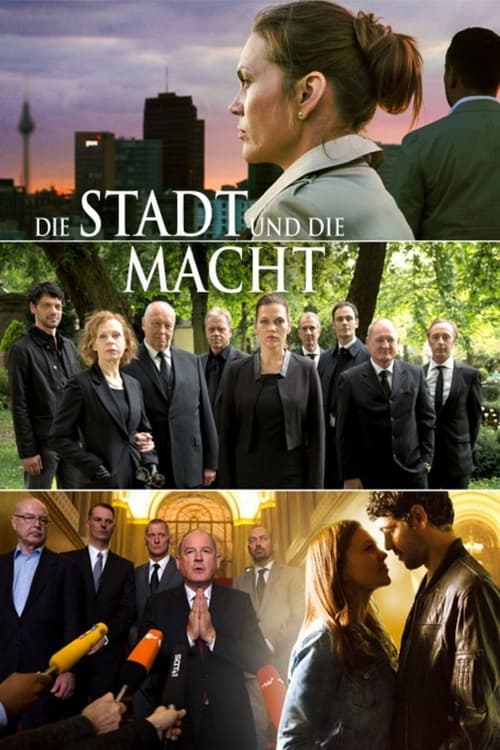
Staged by Friedemann Fromm, this new prime time serial with main actors Anna Loos, Thomas Thieme and Burghart Klaußner is an emotional family drama, exciting political thriller and genre picture of the German capital in one sweep. The action’s central character is lawyer Susanne Kröhmer. While planning her private future with her partner, she gets the chance of becoming a candidate for the position of mayor of Berlin and prepares for competing with the city’s powerful ones. During this phase, however, she gets into conflict with her own father’s political interests, him being the leader of the conservative party.When finding out about some deceptive business practice with mayor-in-office Degenhardt, she feels urged to start on a journey back into her own past to find out truth. Alex, a journalist and good friend of hers from youth times, supports her in her confrontation with her past and her father’s criminal offences. One prime result during her search is, that transparency and honesty are hard to keep up within the political arena she is about to step into.
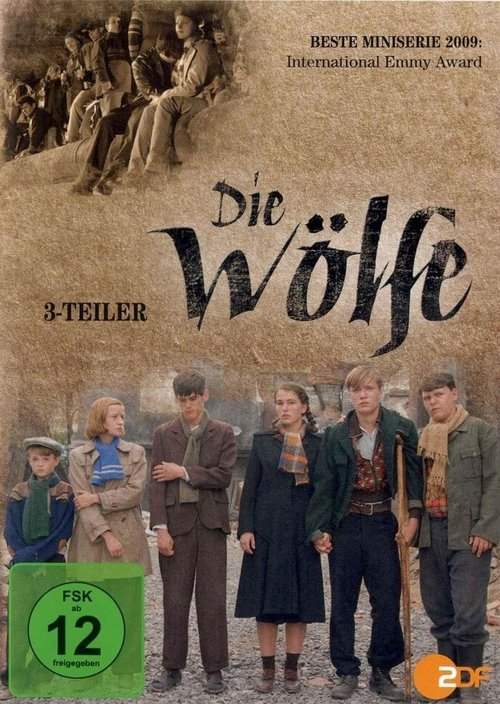
The story of a group of Berlin youths from the post-war period to the post-reunification era. A gripping story of friendship, love and betrayal against a global political backdrop, told in a three-part documentary drama. Friends Kurt, Lotte, Jakob, Silke and Bernd experience everyday life together in post-war Berlin in 1948: between rubble women and the black market, rival youth gangs and first love. Thirteen years later, as the flow of refugees to the West increases, they try to hold on to their friendship. But the estrangement becomes ever more apparent and the gang members lose sight of each other. Only after the fall of the Berlin Wall in 1989 do the former friends finally find each other again and have to ask themselves whether they are still bound by the vow they once made: "Nothing can separate us, not even death"...
The petty dealer Ole was found murdered and burned. Siggi Baumeister, tabloid journalist in Berlin, senses an explosive story
In September 1974, at the Bösebrücke border crossing between East and West Germany, Heike and Ulrich Molitor, along with their two little children, are caught trying to escape to the West. As a punishment the parents are presented with a terrible decision: they will be permitted to leave for West Germany with their seven-year-old son Klaus, but their two-year-old daughter Miriam must remain in East Germany and will be given up for adoption. If the Molitors refuse these conditions, they will both be imprisoned for a year—and both their children will be taken from them. This situation forms the basis for an emotional story in which various destinies in East and West intertwine, reaching a dramatic climax with the fall of the Berlin Wall.
Early 1980s: Martin Siedler, a successful press officer for a leading pharmaceutical company, believes he has the trust of his boss Walter Lange. But then he finds out that his company's supposed miracle drug, which he is promoting, carries a deadly risk. This is proven by a secret, internal study, which his boss also knows about. How should Martin deal with this explosive information? What does he risk by going public with it? How strong is conscience? Drama based on real events about one of the biggest German medical scandals.