Nino Baragli
Editing
Biography
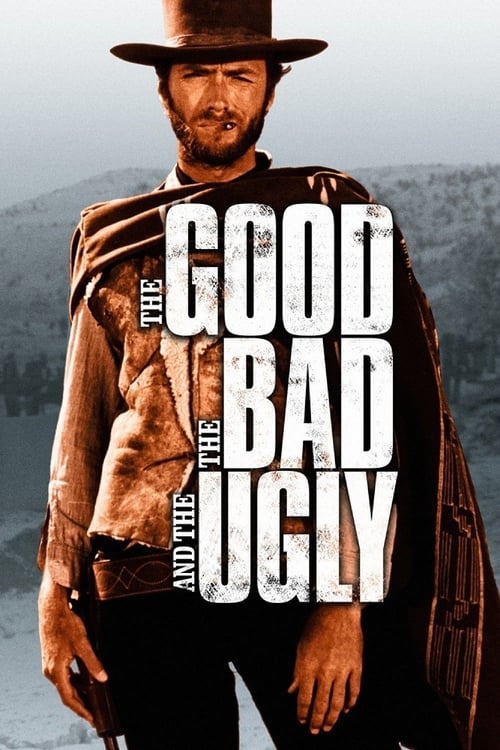
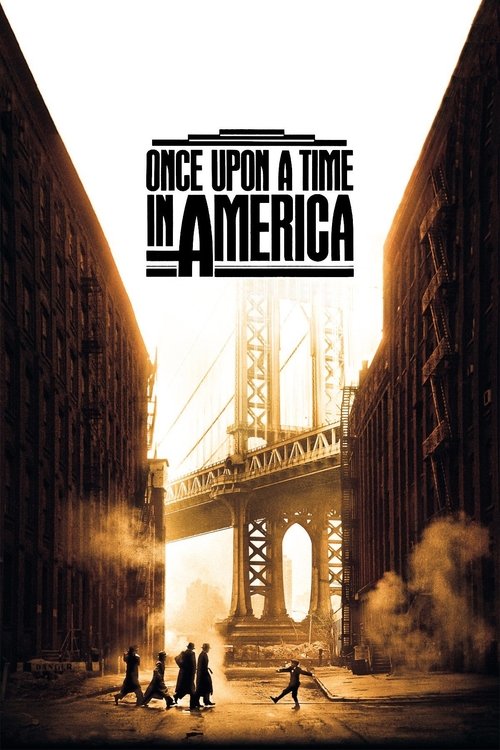
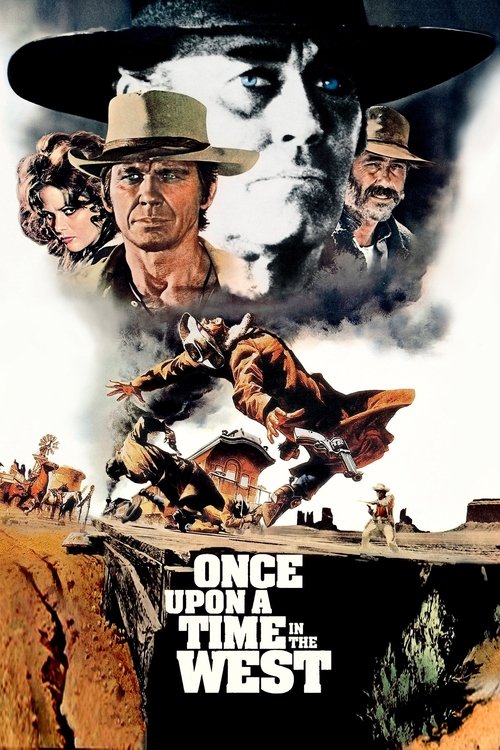
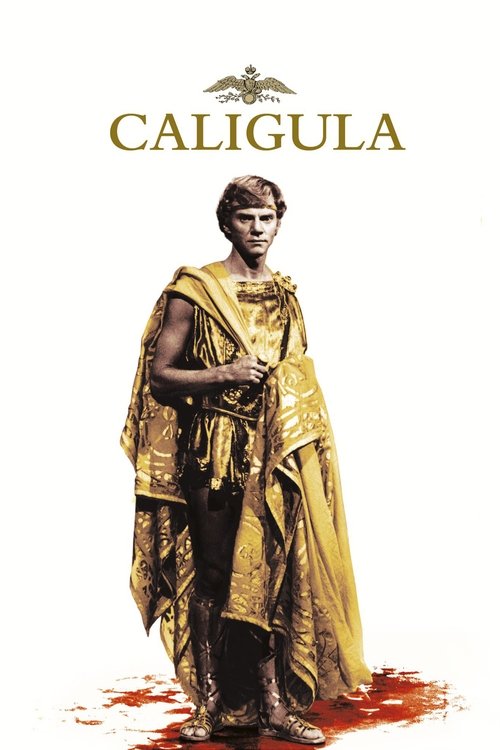
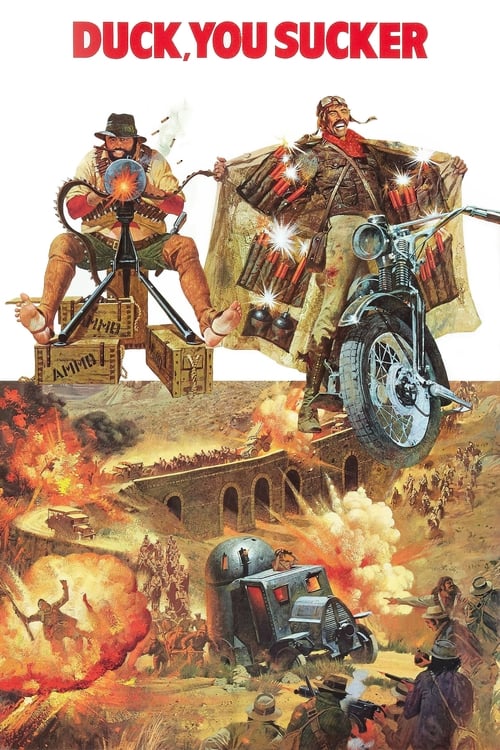
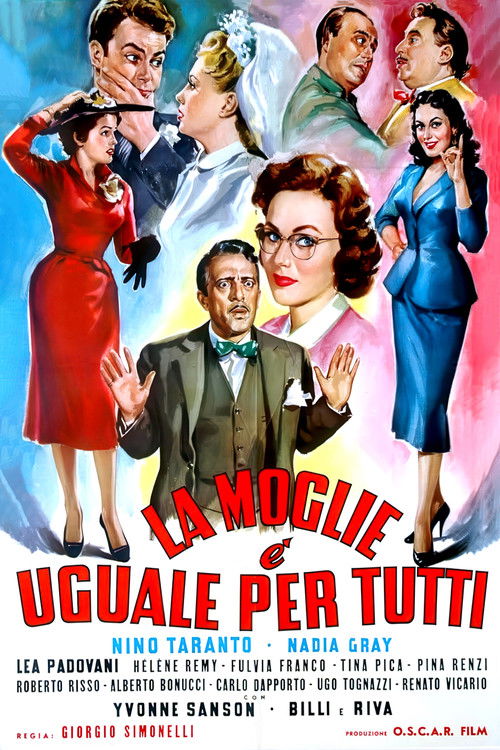
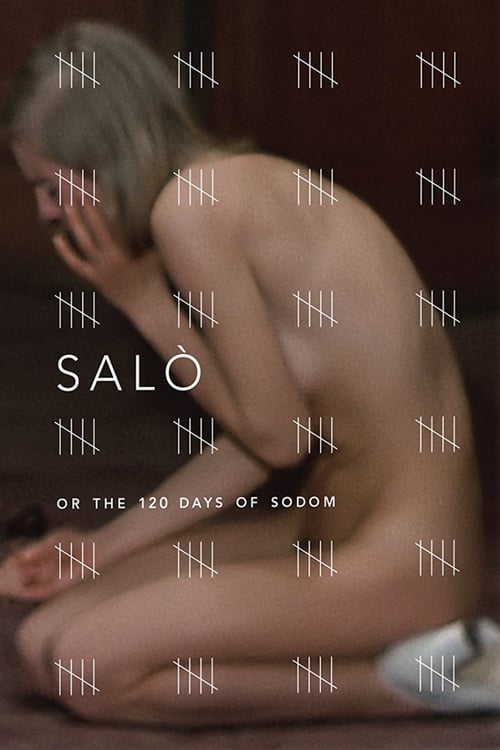
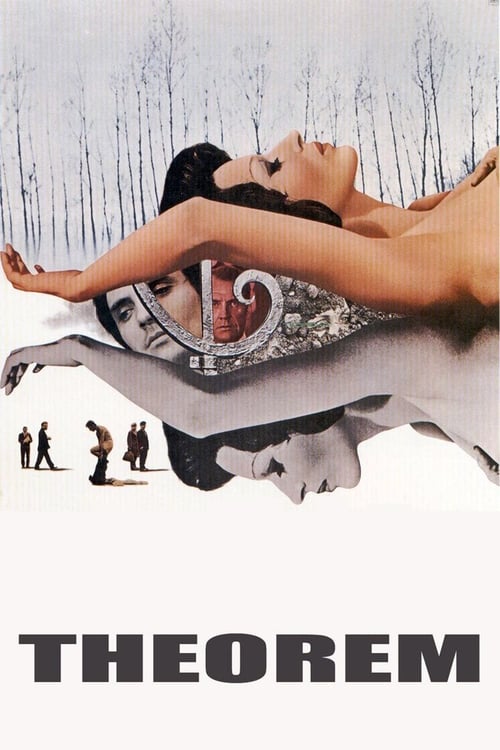
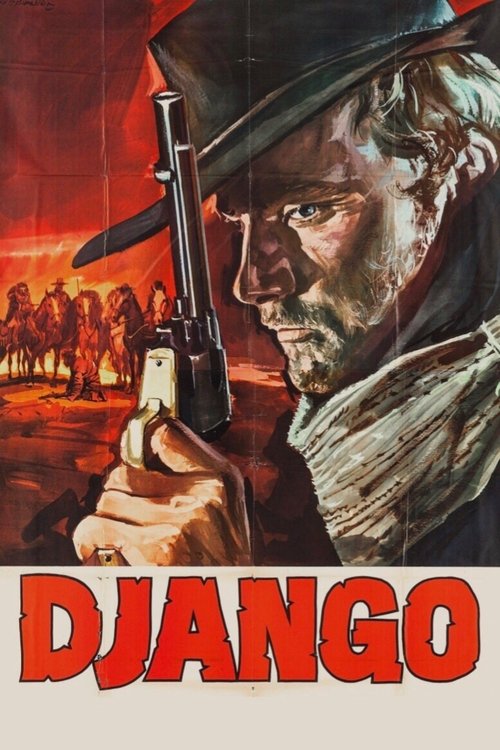
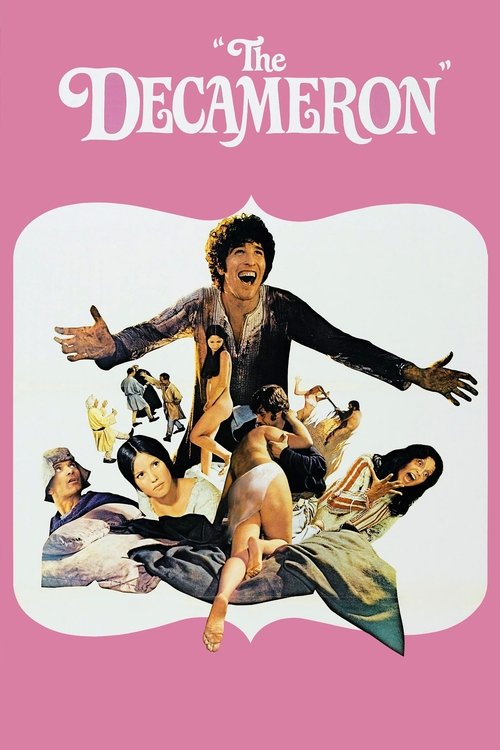
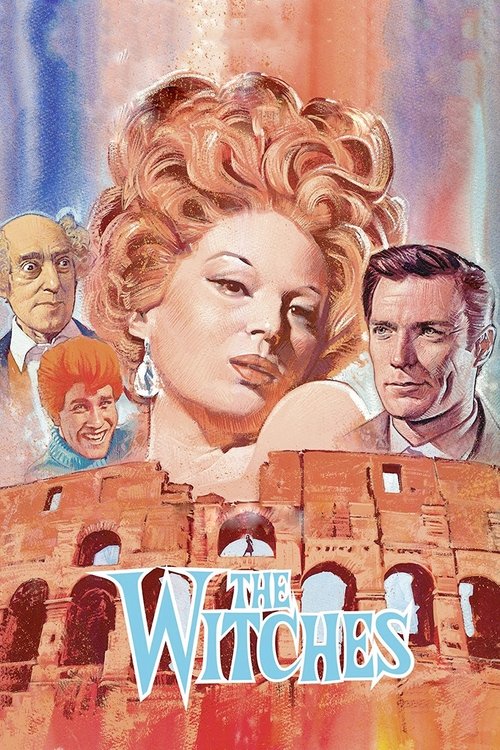
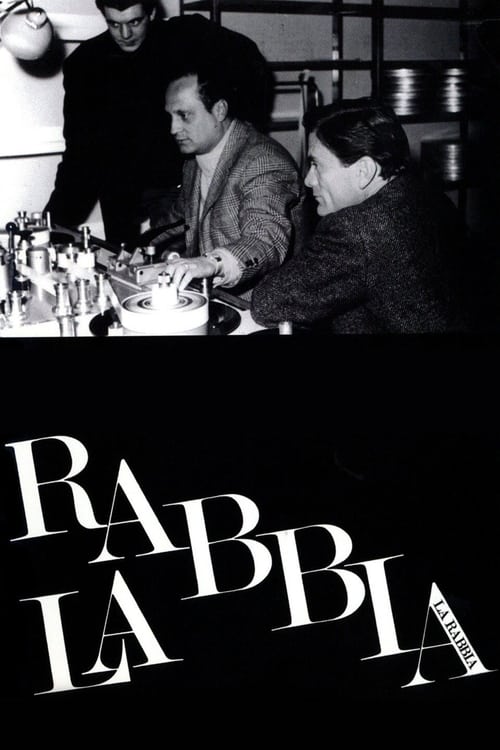
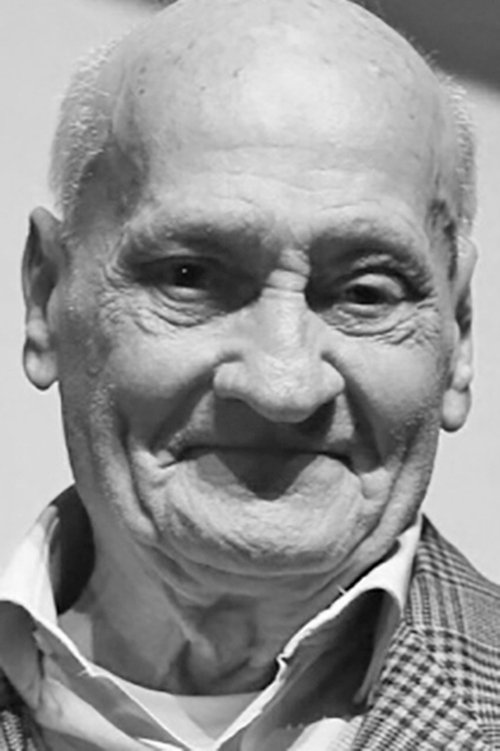
Nino Baragli (1 October 1925 – 29 May 2013) was an Italian film editor with more than 200 film credits. Among his films in English, The Good, the Bad and the Ugly (1966) and Once Upon a Time in the West (1968), both directed by Sergio Leone, are perhaps the best known. Born in Rome as Giovanni Baragli, he was introduced in the film industry by his uncle, the renowned editor Eraldo Da Roma. He started his career in 1944 as film operator and assistant editor for Marinai senza stelle by Francesco De Robertis. During his career he worked as editor in more than 200 productions between 1944 and 1996, including works by Federico Fellini, Pier Paolo Pasolini, Sergio Leone, Damiano Damiani, Luigi Zampa, Giuliano Montaldo, Sergio Corbucci, Mauro Bolognini, Luigi Comencini, Cristina Comencini, Florestano Vancini, Gabriele Salvatores, Alberto Lattuada, Tinto Brass, Margarethe von Trotta, Pál Sándor, Bernardo Bertolucci, Roberto Benigni, Massimo Troisi. The single largest impact of Baragli's editing is likely on the films of Pier Paolo Pasolini. Gino Moliterno as described Pasolini as follows: "Outside Italy Pasolini is usually remembered as one of the most significant of the directors who emerged in the second wave of Italian postwar cinema in the early 1960s but, within Italy itself, Pasolini was always much more than just a distinctive and innovative filmmaker. By the time he came to make his first film, Accattone, in 1961, he had already published numerous collections of poetry, two highly-acclaimed novels, had collaborated widely in cultural-literary journals and firmly established himself as one of Italy’s leading writer-intellectuals." Stefano Musi has called Baragli's contributions to Pasolini's films "enormous"; Baragli edited every one of Pasolini's feature films from his first, Accattone (1961), to his final film Salò, or the 120 Days of Sodom (1975), which was released shortly after his murder. Geoffrey Nowell-Smith has written of the editing innovations in their early films, "When Accatone and Mamma Roma came out, Pasolini and his editor Nino Baragli were widely condemned as amateurish and incompetent, which is rather like saying that Cezanne's brushstrokes showed that he couldn't paint." Perhaps the best-known of Pasolini's films to English-speaking audiences is The Gospel According to Saint Matthew (1964), now considered a masterpiece by many critics. Nowell-Smith writes of the editing that "large sections of the film do not even bother to respect continuity, let alone to pay obeisance to it. ... Each shot simply presents itself as reality in its own right but there is no attempt to maintain the realistic illusion that had been the foundation of cinema since the early 1920s if not before." ... Source: Article "Nino Baragli" from Wikipedia in English, licensed under CC-BY-SA 3.0.