Acting
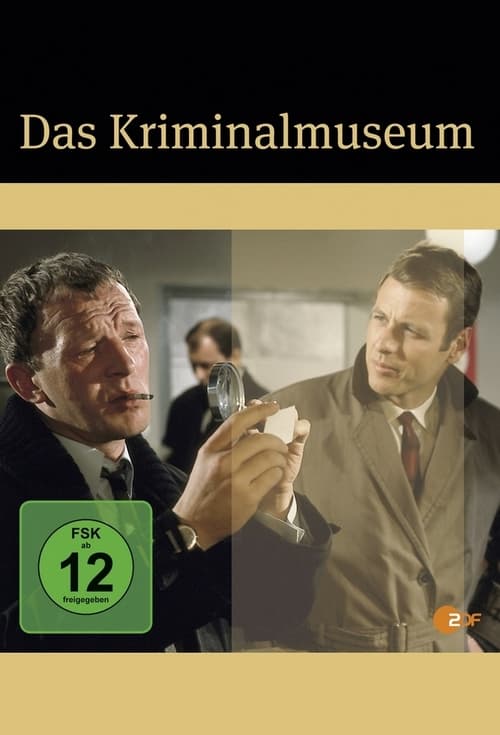
Das Kriminalmuseum was a German television series. It ran from 1963 to 1970 on ZDF and was one of its first programs. Each episode began with a tracking shot through an unspecified crime museum, stopping at one of the displays, whose story was then told. Each episode was between 60 and 75 minutes long and featured different actors as the criminal commissioner. The best known was Erik Ode, who in 1969 moved to Der Kommissar, appearing in 97 episodes. The theme music of the series was written by German composer Martin Böttcher, who also composed the complete scores for five episodes.
No description available.
Pippi Longstocking, accompanied by friends Tommy and Annika, adventures on the South Seas to search for her father, who has been kidnapped by pirates.
The film is based on the true story of Special Operations Executive French-born agent Odette Sansom, who was captured by the Germans in 1943, condemned to death and sent to Ravensbrück concentration camp to be executed. However, against all odds she survived the war and testified against the prison guards at the Hamburg Ravensbrück Trials. She was awarded the George Cross in 1946; the first woman ever to receive the award, and the only woman who has been awarded it while still alive. (From Wikipedia, licensed under CC-BY-SA)
Dr. Blum, a Jewish manufacturer, is falsely accused of a murder. Even when the real killer’s identity becomes evident, the state prosecutor refuses to accept Blum’s innocence.
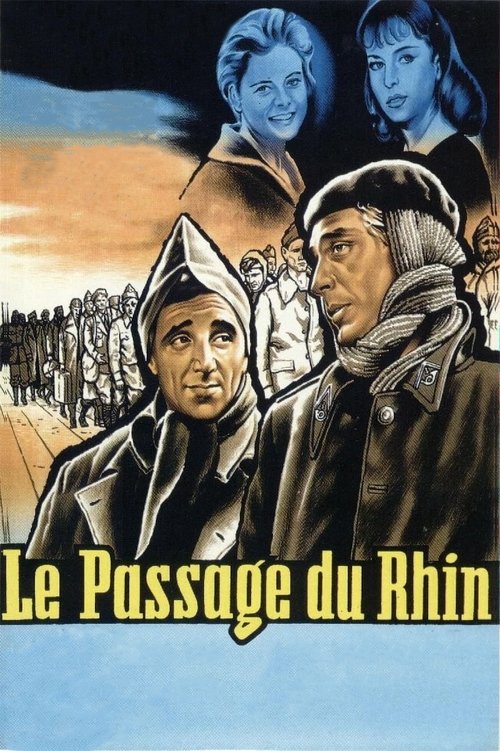
Following the defeat of France by Germany during WWII, two French soldiers are taken to a German farm as forced laborers.
After serving five years Willi soon learns that his new life is another kind of prison since no one trusts an ex-convict. His uphill struggle for a job and shattered hopes of a normal existence grind him down to utter despair.
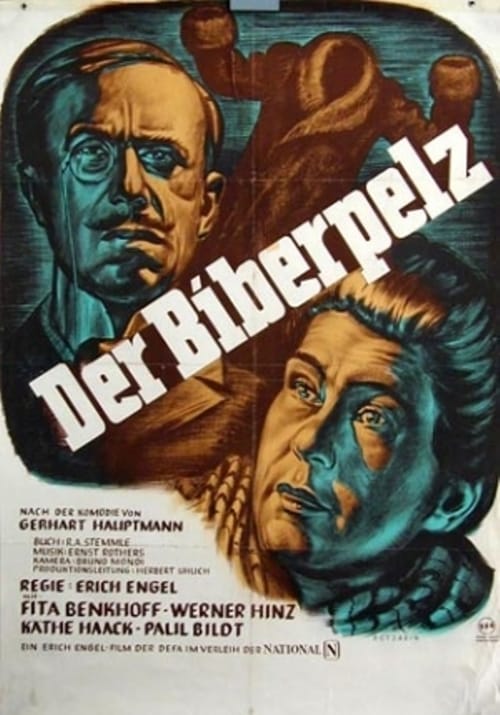
Mother Wolffen, a washerwoman, is a woman of principle: A poor man must do what he must to get through life, only he mustn't get caught doing it. All sorts of crooked deals contribute to the improvement of the daily menu and the increase of household funds. When everyone is searching for pensioner Krueger's missing beaverskin coat, Mother Wolffen and her family are calmly enjoying fresh roast venison.
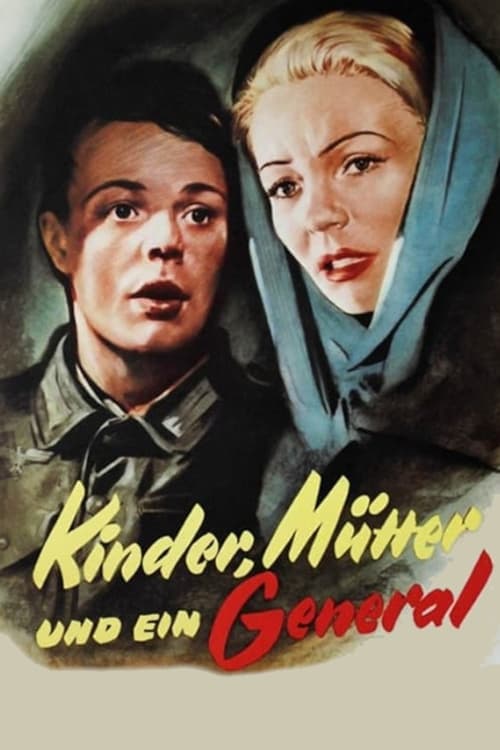
As Germany's fortunes in the latter part of World War II wane, several young boys, in their enthusiasm to do something "for the fatherland", volunteer to fight with the German army in the East. Horrified at the news that their children left for the Russian front, the boys' mothers begin a desperate effort to get their sons back.
Otto, a feckless Everyman, tries to adjust to the postwar travails of his defeated nation. Stymied by black-market profiteers and government bureaucrats, Otto begins fantasizing about a happier life at the end of that ever-elusive rainbow.
Anne Treibel owns a small house that is home to four women and one man, Martin, a badly injured war veteran. All the women are interested in Martin, but he knows that only Anne truly loves him. When Helga asks him to get a surgery that could save his life, he does it for Anne. Fortunately, the attention of the other three amorous women is diverted when three suitable men happen to show up!