Acting
Der Kommissar is a German television series about a group of detectives of the Munich homicide squad. All 97 episodes, which were shot in black-and-white and first broadcast between 1969 and 1976, were written by Herbert Reinecker and starred Erik Ode as Kommissar Herbert Keller. Keller's assistants were Walter Grabert, Robert Heines, and Harry Klein who, in 1974, was replaced by his younger brother Erwin Klein.
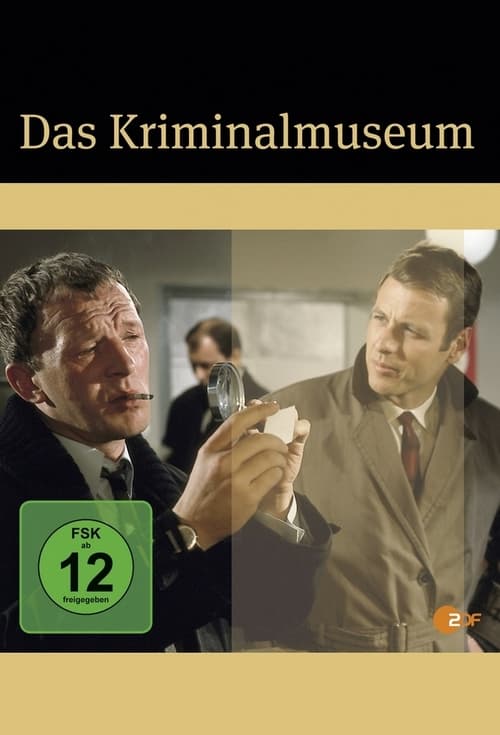
Das Kriminalmuseum was a German television series. It ran from 1963 to 1970 on ZDF and was one of its first programs. Each episode began with a tracking shot through an unspecified crime museum, stopping at one of the displays, whose story was then told. Each episode was between 60 and 75 minutes long and featured different actors as the criminal commissioner. The best known was Erik Ode, who in 1969 moved to Der Kommissar, appearing in 97 episodes. The theme music of the series was written by German composer Martin Böttcher, who also composed the complete scores for five episodes.
No description available.
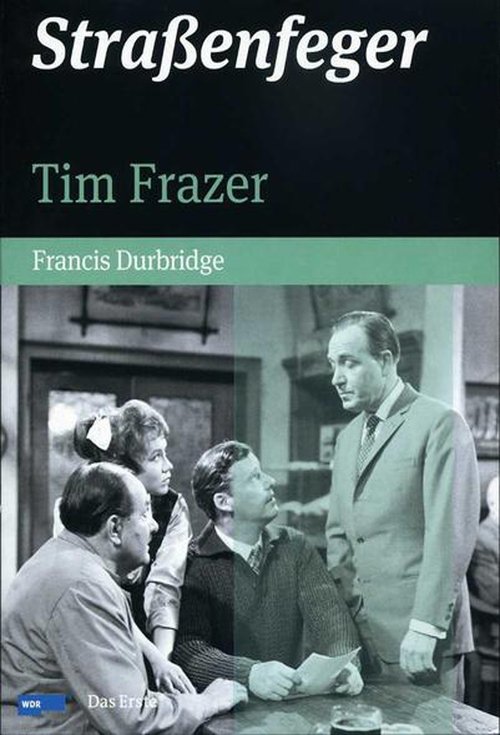
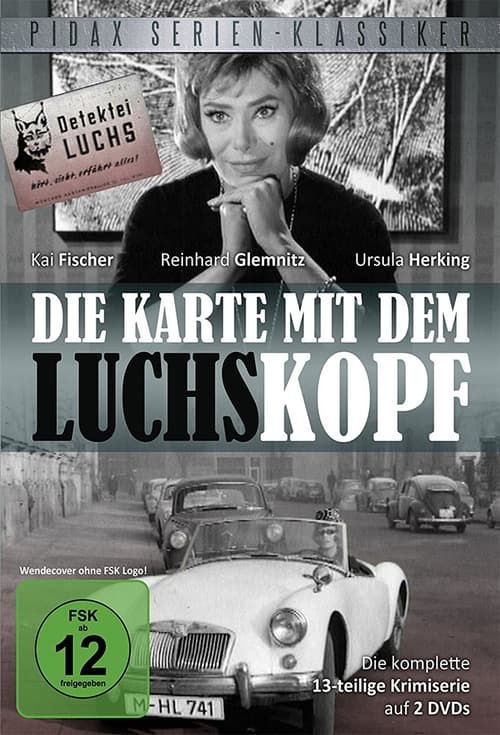
Engineer Tim Frazer is hired by the mysterious Mr. Ross to search for his missing business partner Harry Denston. Denston appears to be involved in a case of espionage.
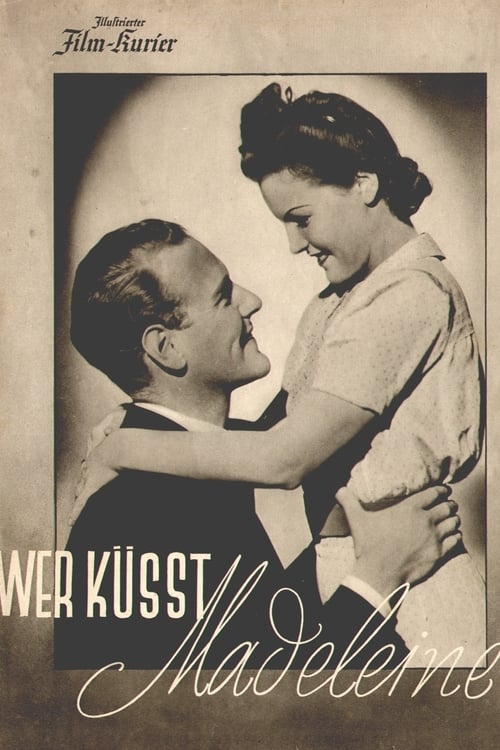
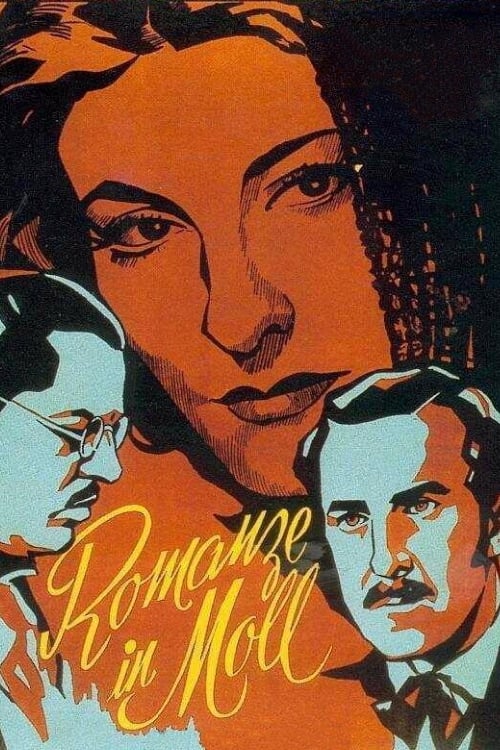
Pierre Pasqual has just about everything his heart desires: in his career as a commercial pilot, he is well known and successful; he has wealth and a beautiful wife. The only thing is, that because of his career, Pierre is frequently away and the thought constantly tortures him, that his wife is up to something when he’s not home. “Who’s kissing Madeleine?” is the question Pierre must have answered.
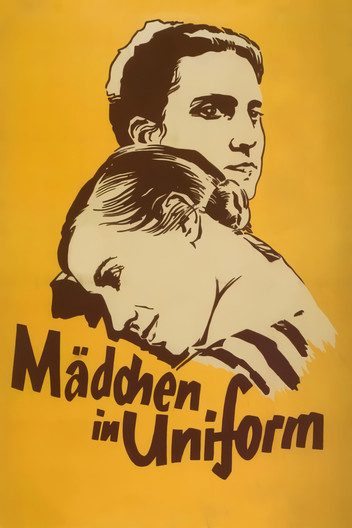
A sensitive girl is sent to an all-girls boarding school and develops a romantic attachment to one of her teachers.
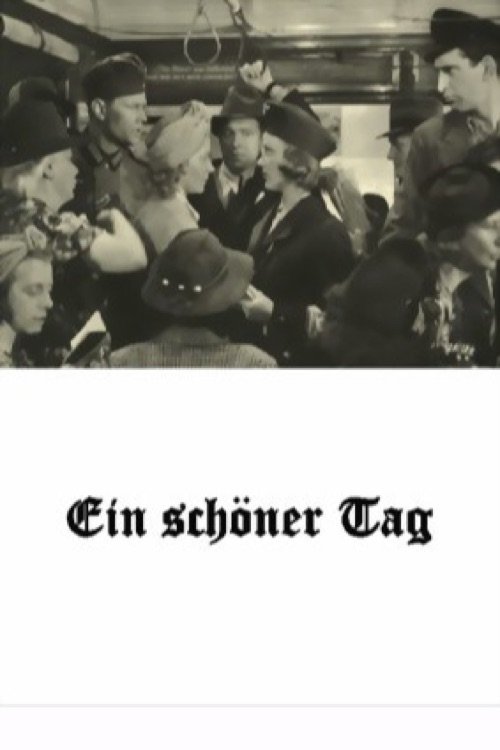
Three soldiers on very short home leave visit Berlin. One isn't from there and runs around with his guide book being perplexed by all the things that are different now. Another visits his wife and his baby. The third enters a romance due to a mistaken identity.
A young shoemaker is arrested for stealing a small amount of money, and is jailed for fifteen years. Upon his release, he wants to get a permit to get a job and start anew, but finds that without a job he can't get a permit, and without a permit he can't get a job. Ensnared in the absurd net of Prussian bureaucracy, he can't see any way out. That is, until he enters a thrift shop and spots a Prussian officer's uniform that fits him like a second skin...
In wartime Berlin, a factory foreman, Otto Quangel and his wife, Anna learn that their only son, Paul, has been killed in action in France. In their grief, the couple decide to take action against the Nazi regime. They create their own form of resistance, writing postcards urging people to resist Hitler and the Nazis and quietly distributing the postcards around Berlin. Various people enter the picture, showing the fear and distrust of the times. People, such as the actor Harteisen, find the cards and race to turn them in, lest they be found with them and come under suspicion. The police and the Gestapo are baffled for over a year, but finally find the source of the cards. The Volksgerichtshof sentences the Quangels to death.
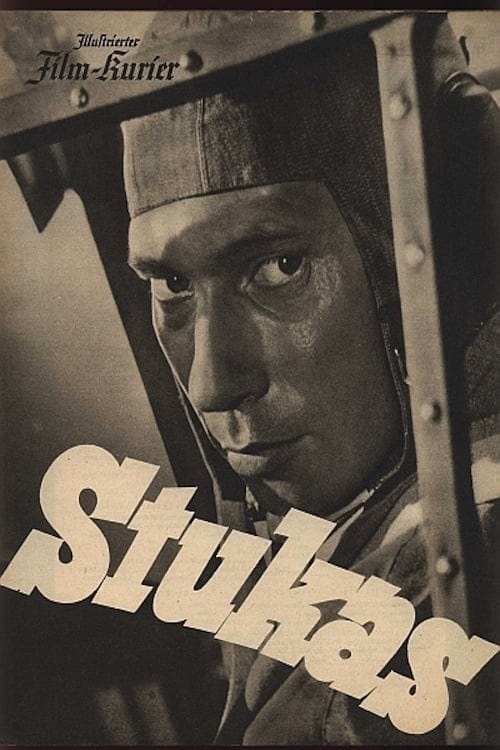
This Nazi propaganda film details the exploits of a group of German Luftwaffe pilots flying Stukas--fighter-bombers--in the Battle of France in the early days of World War II.
A grieving husband tries to uncover the truth behind his wife's suicide, leading him to discover a tragic tale of infidelity and redemption.
a movie by Heinz Paul