Marko Reikop
Acting
Biography
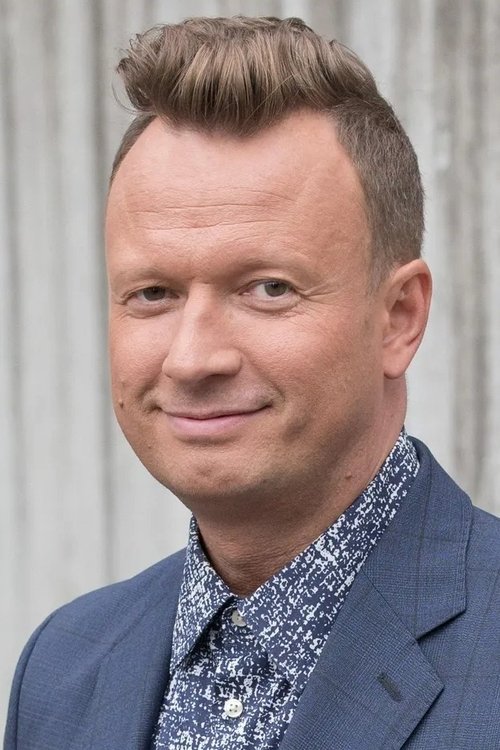
Marko Reikop (born June 19, 1969 in Tallinn) is an Estonian TV host. He graduated from the Tallinn University on bibliography and is employed by radio and TV channels of the Estonian Public Broadcasting since 1991. He has presented the Estonian national finals for Eurovision Song Contest and made a live commentary for the event. From 2009 and on, he presents the daily talk show Ringvaade together with Anu Välba (along with Grete Lõbu since autumn of 2013). In 2018, he was given Fifth Class of the Order of the White Star by the President of Estonia. Reikop is openly gay. In September 2020, Reikop was the subject, along with Ringvaade cohost Grete Lõbu, of an anti-gay slur by Conservative People's Party of Estonia (EKRE) MP and Eesti Rahvusringhääling (ERR) board representative Urmas Reitelmann in a social media post, which caused a backlash by ERR supervisory board member Rein Veidemann and ERR board chair Erik Roose, with Veidemann calling for Reitelmann's removal from the board. Reikop later stated that he considered filing a court action suit against Reitelmann.

Known For

The opening part of the new season of the comedy series "EnsV" begins in the last days of 1991, when the USSR disappears from the world map. Unexpected guests arrive at the desert home. Living is reminiscent of a collective farm. Money is mixed with the feet. New Year's Eve plans are held in Kukeke and Illar's fantasies know no bounds.
EnsV

Tuulepealne maa is a twelve-part Estonian television mini-series about the pre-World War II history of Estonia, its birth as a country, the Estonian War of Independence, post-war life throughout 1920 up to 1941 and World War II.
Windward Land

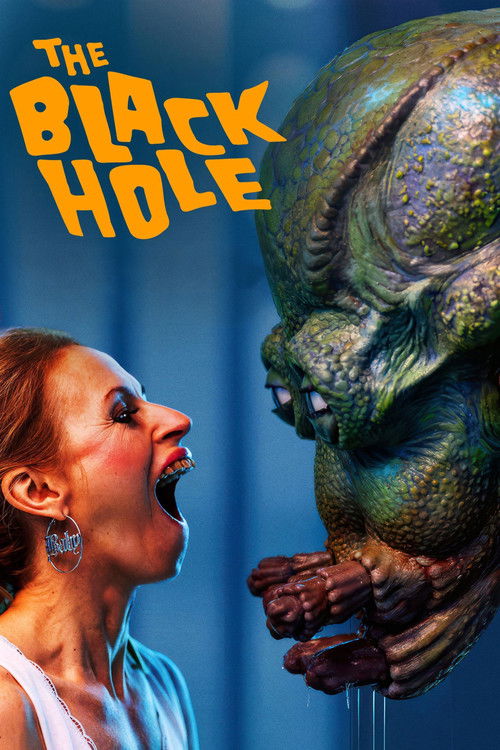
A comical triptych about residents in an apartment block district who long for a better life. When a black hole mysteriously appears in a lilac bush, they will have to face aliens, a giant spider, and an Austrian in breeches.
The Black Hole
Eurolaul was an annual televised competition to select a song to represent Estonia in the Eurovision Song Contest made by the Estonian Public Television Service ETV. For many years the competition differed from the national selections of most other countries in that the outcome was solely determined by an international jury. The rules were changed to entrust the Estonian public with the choice by means of televoting in 2004 and 2005, but due to the disappointing results in the ESC in those years there was a return to the former system in 2006. Eurolaul also selected Tanel Padar and Dave Benton's song "Everybody" in 2001, which went on to win the contest for Estonia. In 2009, Eurolaul was discontinued after a long period of bad results for Estonia in the Eurovision Song Contest and was replaced with a new contest entitled Eesti Laul.
Eurolaul

No description available.
A Brief Lesson on Estonian Culture

What has changed for Estonia since the Eurovision Song Contest was held in Tallinn ten years ago? How did the big event actually happen?