Acting
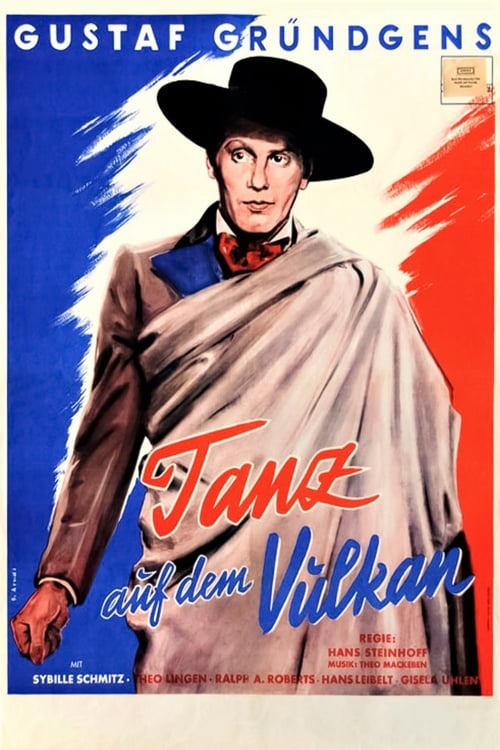
Prince Klemens von Metternich orders Friedrich Gentz, one of his aides, to keep the Duke of Reichstadt---Napoleon Francois Joseph Charles---son of Napoleon and heir to the French throne, from thinking about French politics. Gentz enlists the help of ballerina Fanny Elsser, all the rage in several European capitals, to keep the Duke distracted.
No description available.
A waitress takes all the gossip of a small town on the Rhine in stride, in spite of a distinguished composer being a loving husband and father for her illegitimate child.
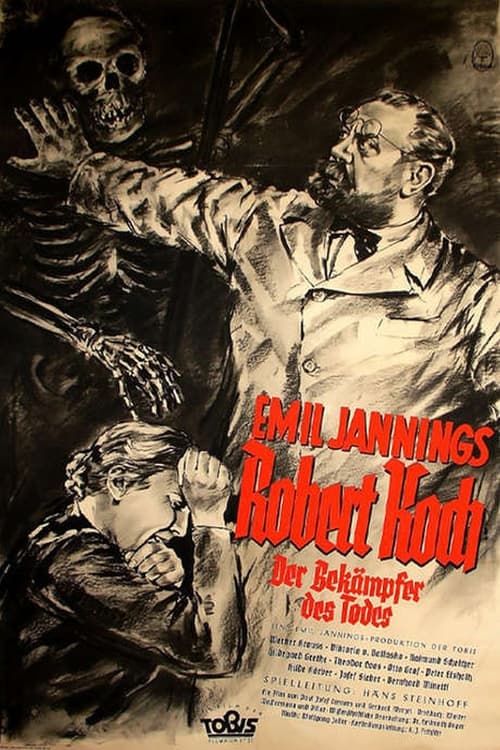
Country Dr. Robert Koch is desperate: a tuberculosis epidemic is decimating the children in his district and no one is able to do anything about it. Every fourth child is already sick and the parents must helplessly watch as their young ones die. Now Koch is undertaking to find the cause of the tuberculosis --- something he has already been working on for years --- which has been causing this plague of illness. His work is made more difficult by envy; for example, that of his teacher, who was wounded defending his honor. But his greatest obstacle is the famous Berliner scientist and Reichstag deputy, Privy Councilor Rudolf Virchow: He is extraordinarily skeptical of Koch's theory, that the cause for tuberculosis is a bacteria.
Nazi historical drama about Duke Karl Alexander of Württemberg and his treasurer Süß Oppenheimer.
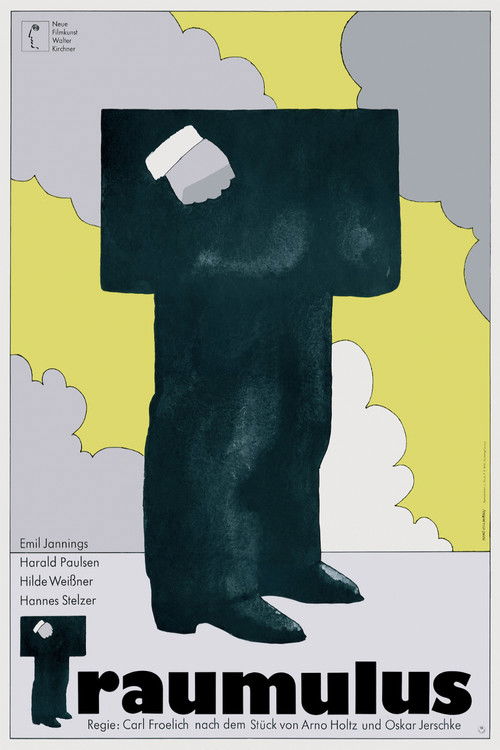
This film is a fascinating showcase for Emil Janning's theatrical play. He's a gentle school teacher who believes in his boys and is easily fooled about all things, while the other town officials want him dismissed. Curiously it's very hard to see what the film is exactly aiming for. Disaster strikes and the lax prof proves to be too far removed of the real problems of the world, on the other hand his enemies are shown in the most unsympathetic, satirical way denouncing the militaristic, bourgeois ideology of the Kaiserreich.
For many years, Ulrich, the hereditary forester, and Steinbach, the landowner, were the best of friends. But one day, this friendship is put to a severe test: Driven by financial need, Steinbach wants to have the forest cleared, which Ulrich condemns as brutal exploitation of nature – and therefore refuses to grant permission for the project. To clear the way for his plan, Steinbach ensures that Ulrich is dismissed as forester. When, a few days later, the dam built by Steinbach is blown up and the floodwaters inundate Steinbach's sawmill, suspicion immediately falls on Ulrich. The hereditary forester is ostracized, threatened, and even fears for his life.
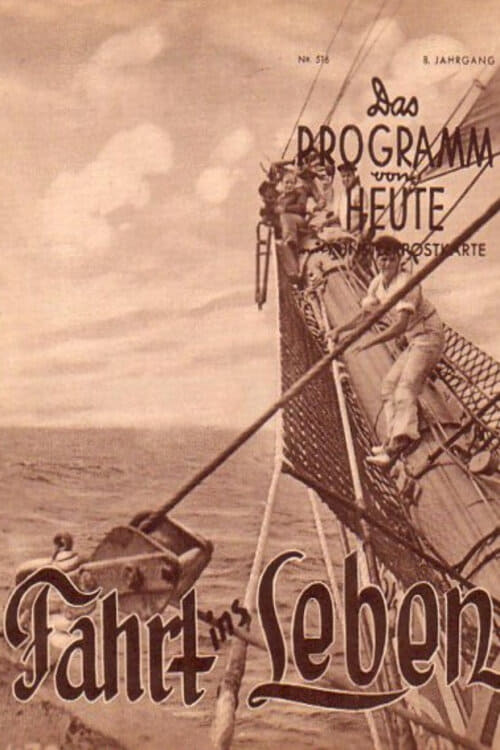
The four sailing school cadets Gerhard, Fritz, Kurt, and Christian are close friends; there's hardly anything they don't do together. But when the charming Gerhard begins a romance with Charlotte, his comrade Christian's childhood sweetheart, a shadow falls over their close bond. Then, when the four young men are involved in an accident during a nighttime trip on the school ship's pinnace, their friendship is put to another severe test. While three of them manage to raise the money for the repairs, Kurt, unable to contribute his share, lies to his comrades, claiming he has already put the money into the communal kitty.
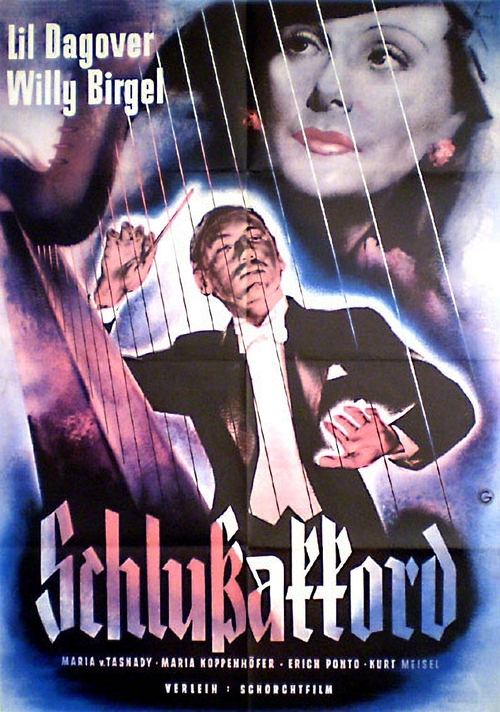
After her husband dies, a German woman who gave up her infant for adoption to emigrate to America returns to Germany, discovering that her child is being raised by a married orchestra conductor.
Two dubious characters disguise themselves as Holmes and Watson to gain attention and end up chasing counterfeiters and stolen stamps.
Professor Lorenz is nominated for the highest accolade of his profession, and he smiles about his sons' juvenile mismanagement of private funds. Then he learns that one of them has forged the professor's signature on several IOUs.
Franz Biberkopf has served four years in prison. His return to normal life is not successful.
Ten years ago, the "Andree case" was seemingly solved. Now criminal investigator Husfeld is to reopen it, as doubts have arisen about the guilt of Helga Andree, who was convicted at the time. She is said to have pushed her former rival, the singer Elinor Gyldenborg, off the roof garden and killed her. Husfeld seeks advice from his friend, the writer Volkmar Hollberg. He turns the case into a radio play, which is broadcast on the radio under the title The Jump from the Roof Garden. The broadcast brings back memories of the night of the crime for those present at the time...
Paris, 1830: Jean-Gaspard Debureau performs on the stage and delights his audience with song, wit and charm. He is, however, very unpopular with King Charles X, who is the target of much of Debureau's scornful jests. That would be a somewhat tolerable situation if it weren't for the fact that Debureau has fallen for a countess, who happens to be the King's mistress.
The physician Dr. Deruga is suspected of having poisoned his wife out of greed. She died after naming Deruga, poor and in debt, the sole heir in her will. There are a lot of people willing to testify against him in court, including Marta, the dead woman's best friend. Only his niece Mingo believes him to be innocent and goes out on her own to prove it.
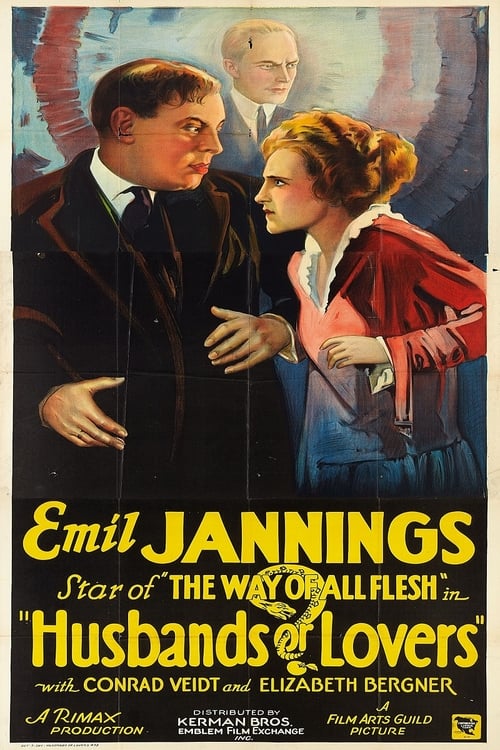
A wife, bored by her overweight slob of a husband, gives in to the temptation of a slickly seductive poet.
An industrialist's wife was killed and now her lover is accused of murder.
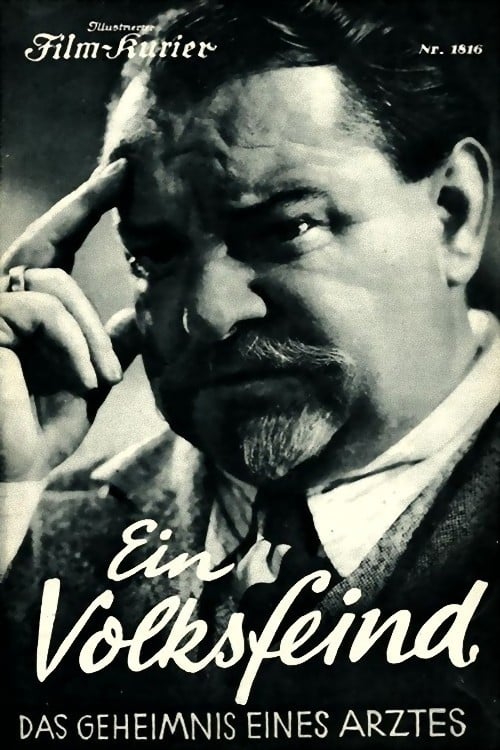
Before the First World War, Dr. Hans Stockmann had a practice in a small town. His powerhungry brother is the mayor of Bad Trimburg, which has developed into a respectable resort. Dr. Stockmann is called in to become the town’s chief physician. He considers the sanitary conditions to be intolerable and insists on a clean-up. His ambitious brother and all those who, till now, have profited well from the corner cutting, are, of course, against that for financial reasons. The doctor is condemned from all sides and the conflict escalates.
Today is a fateful day for village judge Adam. Who broke Widow Kull’s jug fleeing head over heels after his nightly visit to her daughter? As the trial unfolds, it becomes clear to everyone that the judge himself is the culprit. Judge Adam twists and turns, invents countless explanations, and piles up the most absurd lies. But he is conducting a trial against himself—one he cannot win.
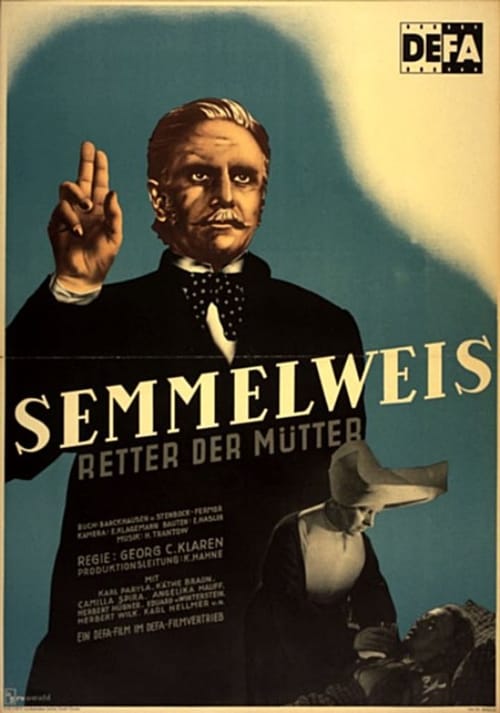
In the middle of the 19th century, almost one in three women who gave birth died of puerperal fever. The Hungarian doctor Ignaz Philipp Semmelweis also observed these terrible occurrences in his clinic in Vienna. He came to the conclusion that it was primarily the unhygienic conditions in the clinic itself that led to this disease, as his colleagues were constantly shuttling back and forth between the anatomy department and the delivery room. He tries to convince the doctors of the absolute necessity of thorough disinfection by washing their hands with chlorinated lime. He meets with fierce resistance from his colleagues until he himself sets up an exemplary clinic in Budapest.