Acting
No description available.
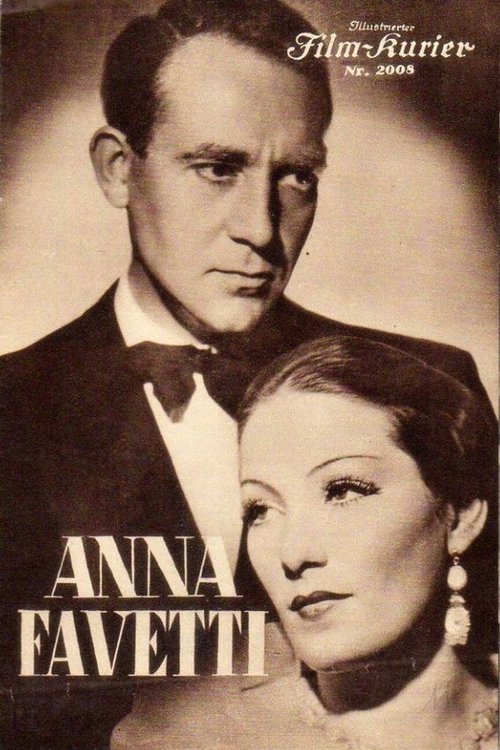
The daughter of a reclusive couple in the St. Moritz mountains tends to her brother, disabled from the Great War, though a handsome young architect who has just arrived waits for her attentions.
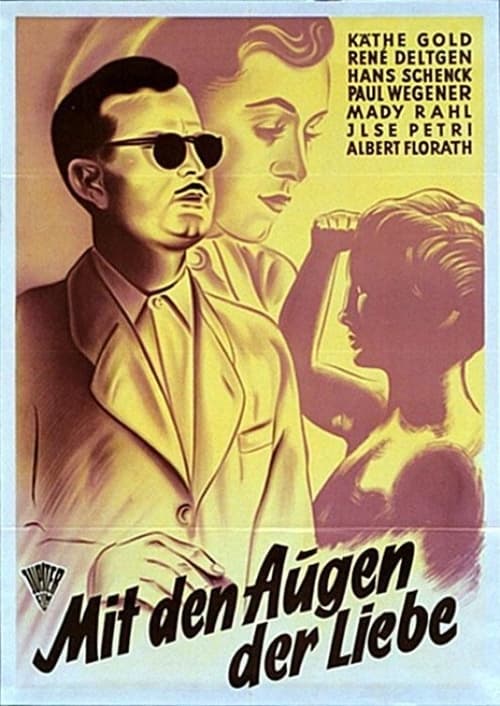
A terrible accident robs the successful artist Imhoff of his sight—a jet of flame shoots out of the kiln where he hardens his sculptures, and his career seems over. An attempt to surgically restore his sight fails. While he lies in his sickbed, the sensitive nurse Agnes tenderly cares for her patient. She gives him courage when he is on the verge of despair. Thus, a tender love slowly develops between patient and nurse. Eventually, Imhoff and Agnes marry, and his first attempt at sculpture, even in his blindness, is to be a sculpture of his wife's face. However, since Imhoff has never seen Agnes, she fears he will create an idealized image of her that she cannot live up to. Therefore, after a second operation, he initially conceals the fact that he can see again. He wants to "get used to" his wife first... But how long can he maintain the charade?
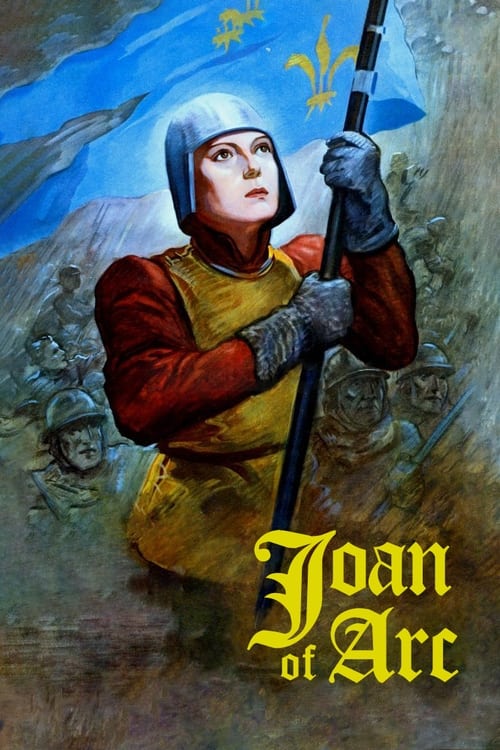
France in the 15th Century: The country is marked by the wars with England and internal power struggles. King Charles sees himself powerless against the state. As emerges from the people suddenly a young woman named Johanna, who claimed that the Archangel Gabriel to be appointed, to save France. First of all doubt the king in their words, but he remembers that the people through this "help of God" is gaining new courage. With the slogan "God and the Virgin!" pulls the revivified victorious army into battle against the English-Burgundian alliance. After Johanna King Charles is crowned at Reims, there breaks the plague over the country in. Now Johanna all the blame on the disaster: God would punish believe in the country for that a heretic; if Johanna were actual a holy, she would deal also with the plague. The waning faith weakens France, England is again on the rise. But Johanna is executed as a witch. Only years later annulled the verdict of the Holy and Johanna explained.
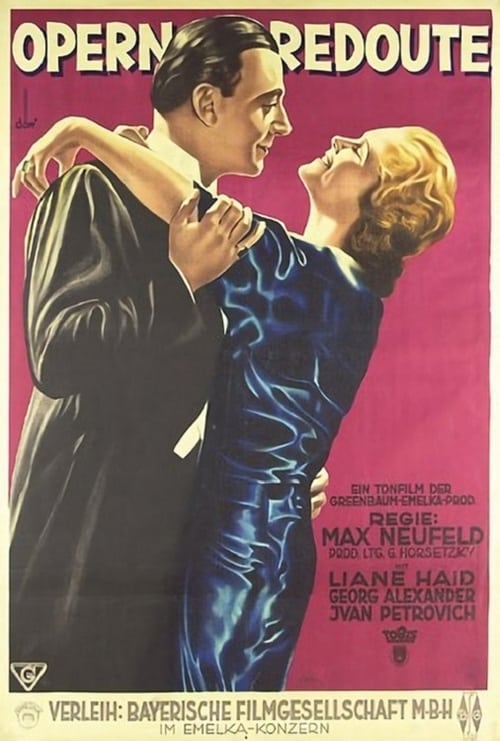
The Opera Ball (German: Opernredoute) is a 1931 German musical comedy film directed by Max Neufeld and starring Iván Petrovich, Liane Haid and Georg Alexander. It was part of a large group of operetta films made during the decade, although the film is not based on the operetta Der Opernball. The following year it was remade in French as Beauty Spot. A 1932 British remake After the Ball was also made.
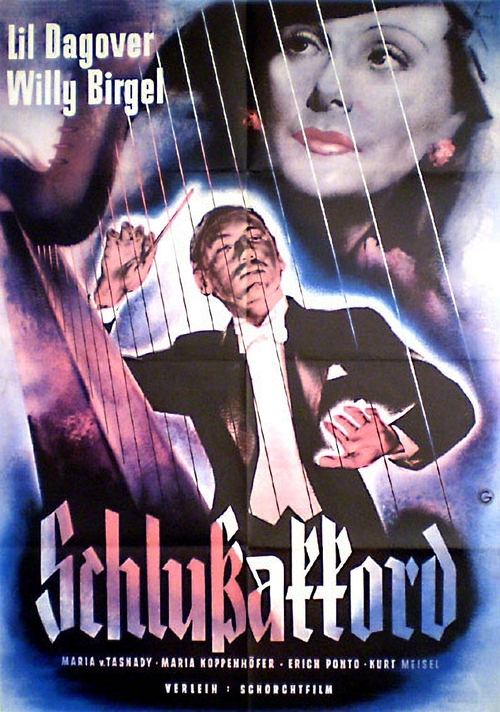
After her husband dies, a German woman who gave up her infant for adoption to emigrate to America returns to Germany, discovering that her child is being raised by a married orchestra conductor.
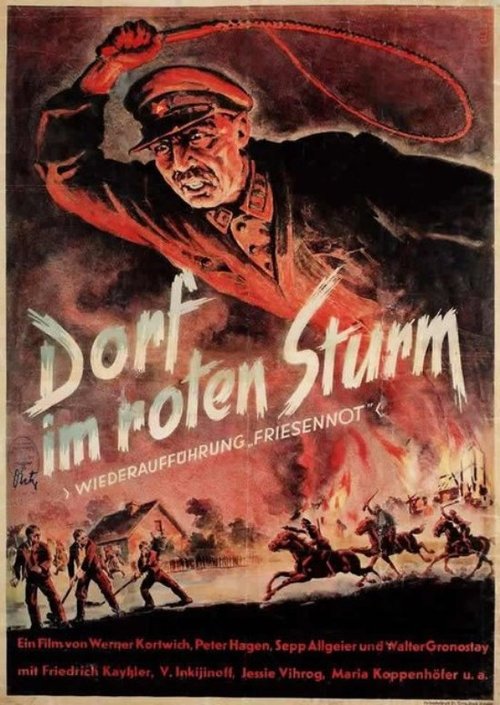
Soviet authorities are making life as difficult as possible for a village of Volga Germans, most of whose ancestors originated in the Frisian Islands, with taxes and other oppression.
The Italian mountaineer Carel wants to be the first man to stand on the top of the Matterhorn. Since the climb is very difficult, he agrees to try it together with the British mountaineer Whymper. But due to an intrigue this agreement is dropped and the two man try it on the same day with two different teams and then disaster strikes.
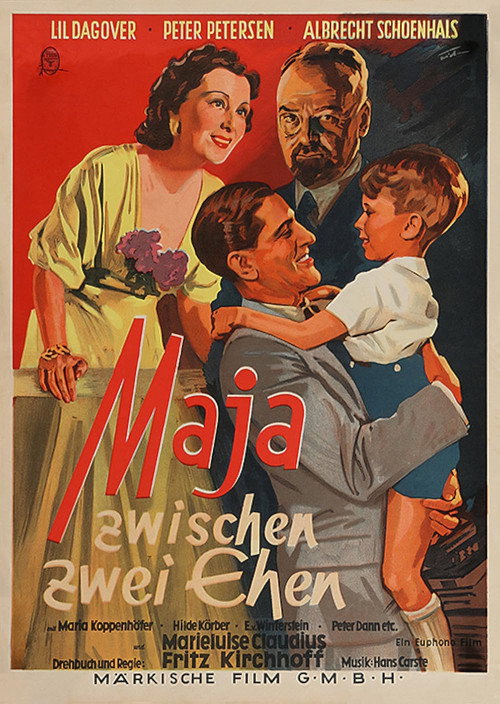
After six years, a man shows up, whom his wife had declared dead. Her current husband is regarded by the son of the once-missing man as his father. Only after many tear can the returning man be convinced not to press for custody of the son.
Inge Peters has a guilty conscience. She told her mother, that she’d be going to the weekend house at the lake with her friend Barbara, but in reality, the horny girl is taking Peter with her. She’s afraid, that if mom finds out, she’s gonna lecture her again, starting with the slogan, “In your time as it once was in mine …” So Inge spends her nights in bed dreaming dreams of young ladies breaking moral taboos … just like she did and about which she now has to deceive her mother. The next morning, she runs to the shore of the lake to spend time with her Peter, only to see mom standing before the two young teens.
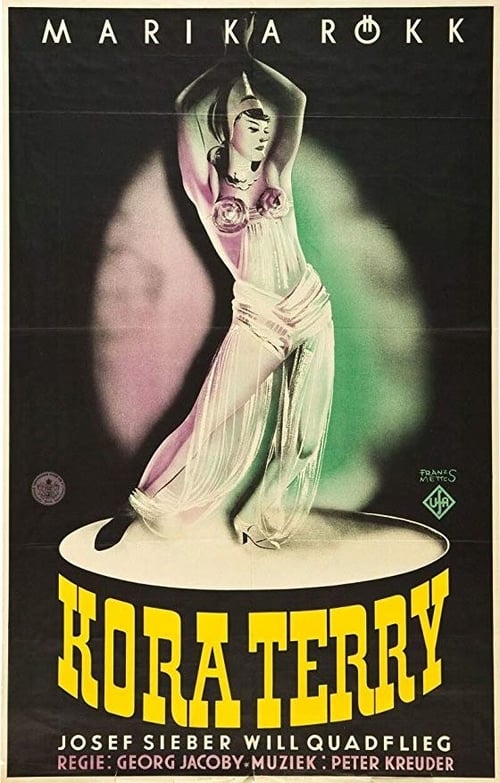
When Bartos, the director of the Odeon variety theater, cancels an artist at short notice, he hires the Terrys out of necessity, whose parents were successful variety artists, but who had not yet received an engagement themselves. Both are supported by Tobs, a friend of their parents. While blonde Mara Terry arrives punctually for the first rehearsal, her dark-haired sister Kora is late like a diva and acts aloof and snippy. At their first performance together the next day, Kora is overtired from partying the night before. During a dangerous act in which she has to balance her upside-down sister on her head, she becomes careless...
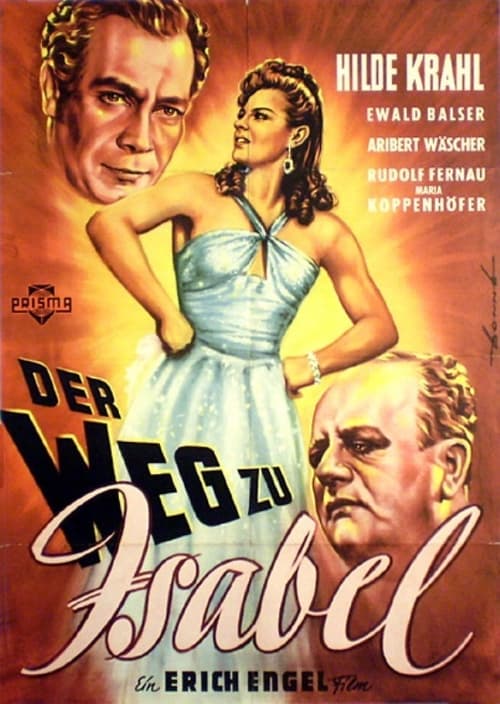
The German estate owner Corner travels to Marseilles, looking for his daughter. He had a relationship with a French aristocrat before the World War and knows she was pregnant, when he had to return to Germany. The War separated them however and the mother died giving birth to his child. He knows neither the name of his daughter, nor where she is living. A lawyer named Beauchamps is tasked with finding her and one days introduces a young singer named Isabel to him. She is with great probability the one, who is being sought. She follows her father back to Germany, but only with great reluctance.
Fritz Holl owns a plantation in Cameroon. He works hard and, with the help of his wife, Helene, also cares for his sister Anna, who became blind after an accident. Fritz is very concerned about Helene, for his once vivacious wife has become depressed. For a while now, Herbert, Fritz’s younger brother, has been living on the farm. Herbert is no big help to Fritz because he's reclusive and an alcoholic. Herbert Miller, the farm's administrator, is overheard in a bar telling someone that he recently split up with his girlfriend Marianne back in Hamburg. In Hamburg, Marianne Carsten has gotten engaged to Kurt von Kollinghausen. She soon realizes, however, that the arrogant Kurt isn't the man for her and she now wants Herbert back. Her father understands and wants to send her off to Cameroon. While Marianne flies to Cameroon, Herbert takes the ship back to Hamburg because he's going to sell his brother's cocoa crop in Germany.
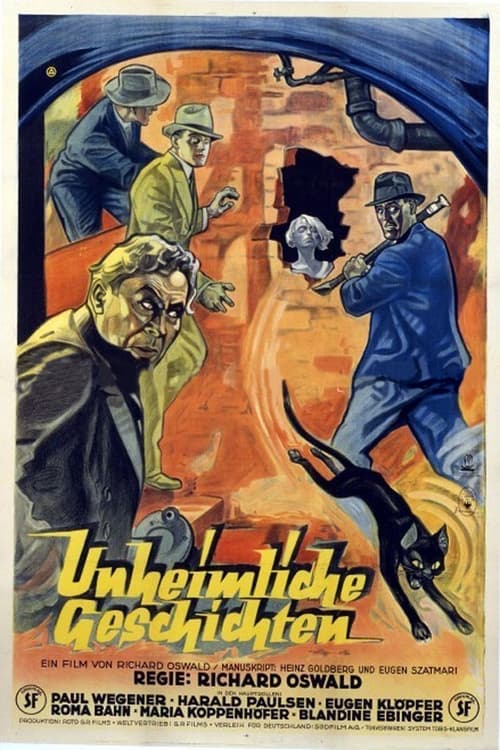
A crazed scientist murders his wife, walls her up, then flees. A reporter sets out to track him down. Remake of Unheimliche Geschichten (Richard Oswald, 1919).
The political advisor to the French emperor Napoleon, and the Austrian emperor Franz I, arrange a marriage between Napoleon and the Austrian archduchess Marie-Luise in order to prevent another war.
The Termoehlens belong to the old farming class in Flanders. Their estate does well and their flax is the best far and wide. And as is the custom, old Termoehlen is like a ruler over his family, the servants and the maidens. Even his son Ludwig, who has just returned from agricultural school with all his ideas on how to improve the farm, doesn’t stand a chance. When Ludwig falls in love with the maiden Rieneke – known as Schellebelle – his father become a despotic enemy.
The day before chemist Dr. Hans Wynhold leaves for a six months business trip to Africa, he meets chemistry student Christa Weiden. They spend the evening together in St. Pauli and fall in love. She doesn't tell him that she'll start the next day at the chemistry laboratory he works at too, because he says he doesn't like women in "men's jobs". Only after his departure the next day Christa learns about Hans' reputation as a Don Juan. In fear that she'll lose him to another woman, she follows him... and starts a series of complications.
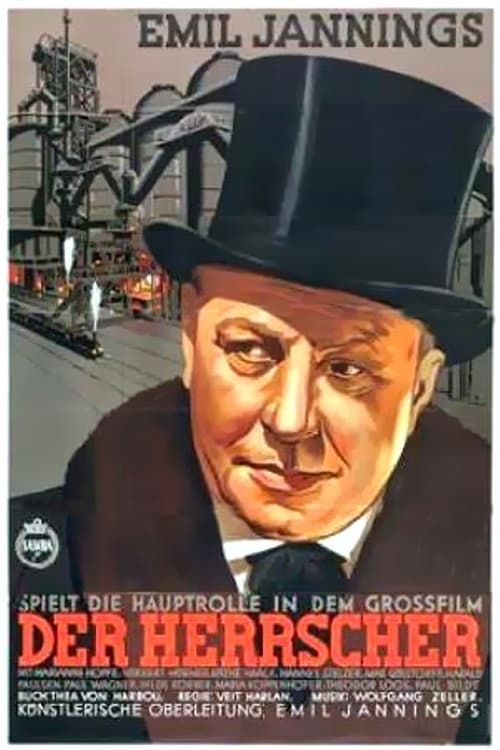
Der Herrscher (The Sovereign) was based on Before Sunset, a play by Gerhart Hauptmann. The great Emil Jannings stars as Mathias Clausen, a self-made businessman who is forced to do a great deal of soul-searching when his wife unexpectedly dies. Determining to start life anew, he falls in love with his secretary Inken (Marianne Hoppe) and impulsively takes a vacation to Italy. Clausen's selfish grown children, not wishing to share their father's affections -- nor his money -- with his new wife-to-be, go to court demanding that Clausen be declared mentally incompetent. Upon finding this out, Clausen flies into a rage, leaving the audience to wonder whether or not he really as gone off his trolley. Der Herrscher was directed by Veit Harlan, more famous (or notorious) for his viciously anti-Semitic Jud Suess (1940).