Directing
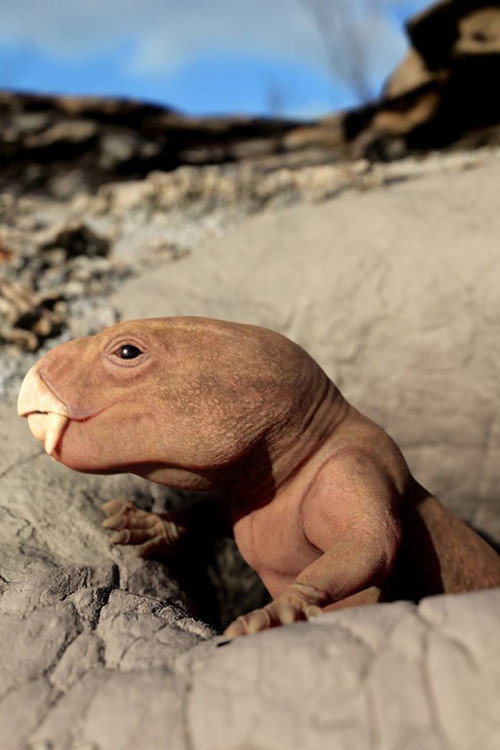
Uncover the surprising ancient origins of mammals, a story that began long before the dinosaurs' reign. Surveying Earth's tumultuous past reveals how some of our earliest ancestors, the therapsids – creatures that looked like reptiles but were starting to develop mammalian traits – survived multiple global catastrophes. Through remarkable adaptations like burrowing and the emergence of warm-bloodedness, they forged a lineage that persevered against all odds. Fascinating fossil clues and cutting-edge science reveal how a small, resilient group of animals faced extinction events, outlived giants, and ultimately gave rise to the diverse world of mammals we know today, including us.
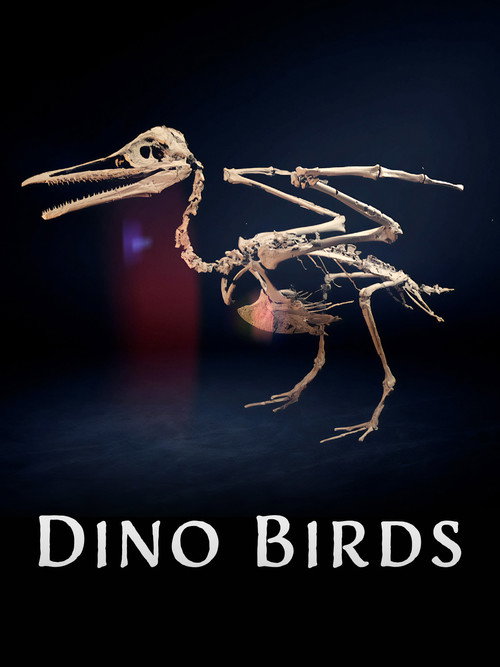
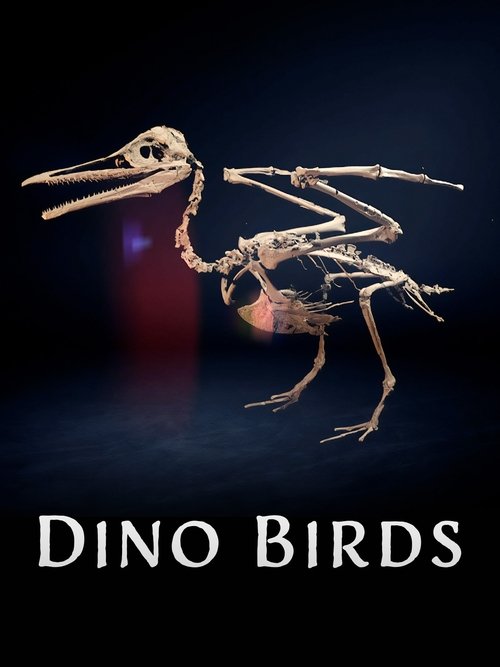
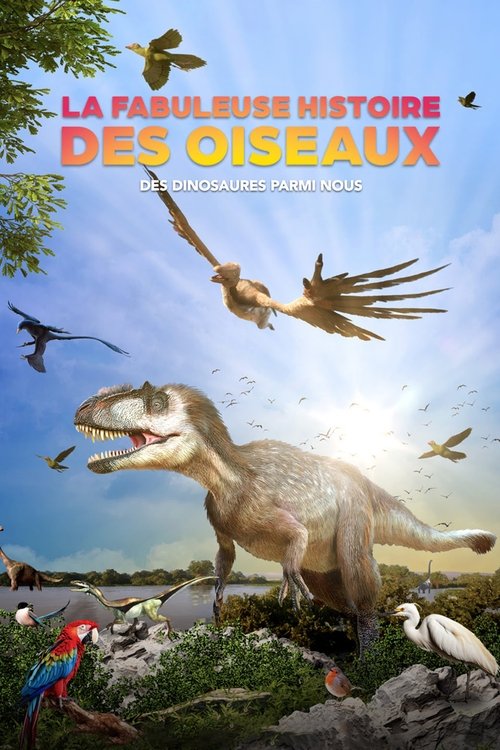
Fossils reveal how birds survived the killer asteroid and became today's only living dinosaurs.
No description available.
In Iceland, the discovery of a ship-tomb containing a woman’s grave tells us that they could take part in the expeditions of their conquering spouses. Scientists have detected their traces in the DNA of populations scattered throughout Northern Europe, and as far as Russia. They set foot on American soil four centuries before Christopher Columbus. What rank did women occupy in this hierarchical society, reputedly dominated by men? Were they the bloodthirsty warriors described in the sagas? Science reveals a daily life often less spectacular, but just as strategic: They were guardians of the home, slaves or servants, but also captains of industry, spiritual leaders, political strategists… Based on the most recent scientific discoveries, illustrated by spectacular images from Ubisoft’s last opus, Assassins’ Creed Valhalla video game, Viking women, the untold saga reveals a complex society, and offers a nuanced and precise portrait of the women of the frozen lands.
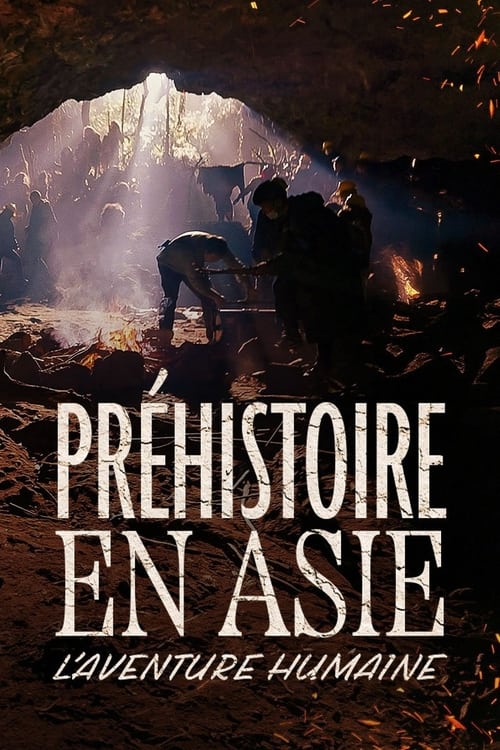
In the docudrama "Les Derniers Secrets de l'humanité" (The Last Secrets of Humanity), author and director Jacques Malaterre and paleoanthropologist and professor at the Collège de France Yves Coppens reveal the incredible adventure of Asian prehistory. How does science help to reconstruct these bygone times in images? Thanks to discoveries made at excavation sites and in analysis and genetics laboratories, researchers are now revealing this distant, vanished past.
For this film, extracts of colors have been chosen in the city (Paris), they have been analysed then assembled into a certain order (chromatic circle). This apparently scientist classification reveals a strong poetical power of evocation.