Cielo Iturralde Carrera
Directing
Biography
Born in 1999, she grew up in Ranchos, a small town in the province of Buenos Aires. She is a filmmaker and art director. She studied at the National University of the Arts (UNA), where she developed a cinematic vision focused on the intimate, the political, and the sensorial. Her work explores themes related to emotional memory and affective bonds, and she develops projects that combine hybrid narratives and documentary language, with a strong gender perspective and political context.
Known For

A family man is visited by an old friend who brings with him a strange amulet that has the power to grant three wishes to only three men. The mysterious friend leaves the family in charge of the amulet, warning them of the dangers of using it, but when the father decides to make his first wish, tragedy strikes.
El marfil

The repression of desire is portrayed in a being inhabited by a duality present in everyday life, a young butcher who explores his femininity surrounded by blood, death and violence.
Ay! Cordero

No description available.
Todas las cosas que eran nuestro hogar

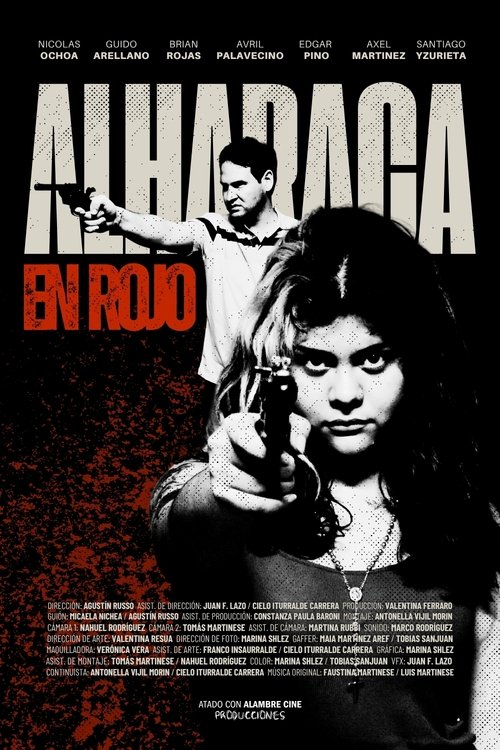
Juan, Gabriela, Mario and Ángel prepare to rob another gang. Things go south from then on.
Alharaca en Rojo

Sol and Lía make a trip to the old summer house of their childhood, planning to finish a game started six years ago, when they were twelve, by their dead friend Mica. This fantasy game makes them remember their friend and their friendship, and leads them in a path of letting her, and the trauma, go.
Those Things We Go Back For

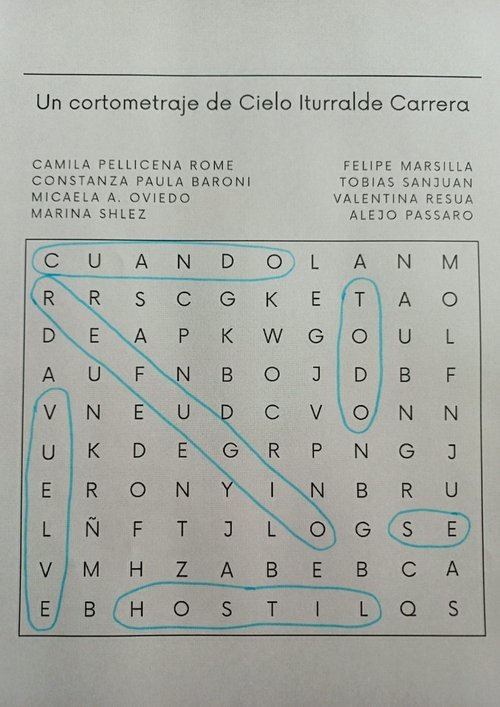
In an Argentina shaken by austerity and hate speech, a young woman seeks comfort in solitude—until even home becomes unbearable. An unexpected encounter leads her back to the streets and into the collective embrace of resistance. A poetic short about loneliness, care, and the power of community in times of crisis.
Cuando todo refugio se vuelve hostil

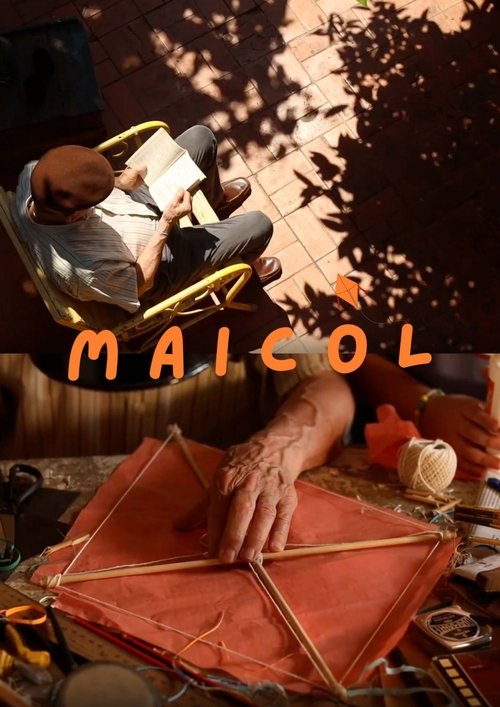
A young boy who dreams of flying finds his grandpa's old kite and asks him to repair it together
MAICOL

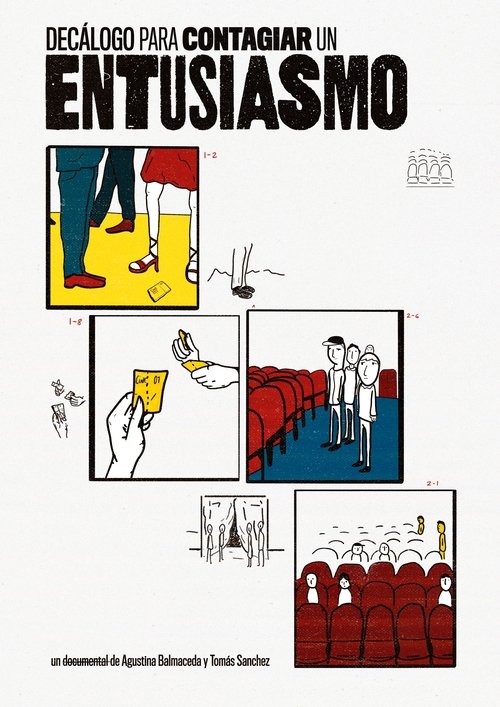
This documentary follows a group of film students into a pursuit/quest/search as uncertain as it is essential: to discover what kind of films are worth making today. They dig into lost metaphors that seem to have been missing and explore the ways of storytelling in the face of the current climate. Rather than seeking definitive answers, they encounter a collective process towards an open dialogue, and a vital force: enthusiasm. It is that moving force that remains portrayed as an attempt of passing it on to those who need a reminder of why, making films is still worth it.
A guide to spreading enthusiasm

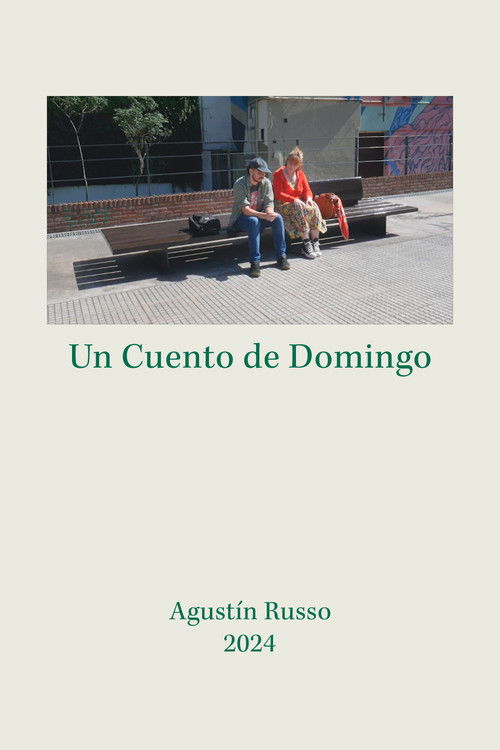
Lucas meets Martina, his ex girlfriend, at a park. He is re-evaluating the relationship they had.
A Sunday's Tale

A man arrives with his date at his appartment. The woman behaves strangely, ambiguously. He is not concerned.
Sugar Daddy

A verbose and "old-school" young woman is on her first date. On the way to the old-fashioned café where she'll meet Joaquín, she comes across the new Buenos Aires gastronomic offerings in the Palermo neighborhood and can't help but discuss them on the date. The complaint of nostalgic centennials. Clinging to what remains of the past, so as not to feel its absence, this longing breeds a rejection of the new.
Cortado en Jarrito

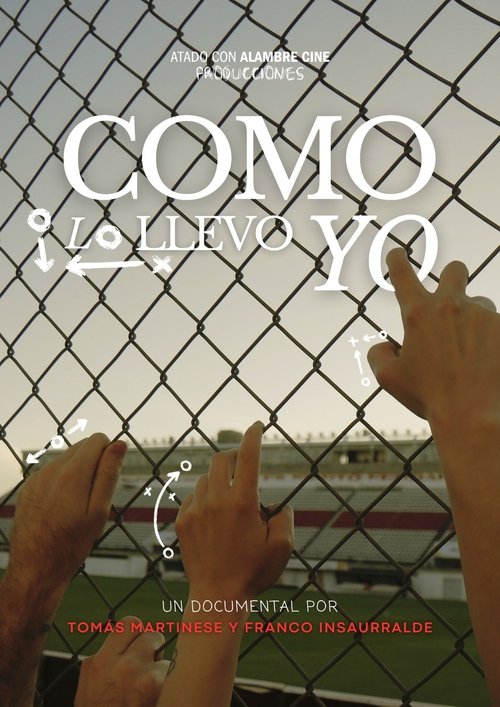
The documentary explores how in Argentina, football passion is inherited as an almost sacred legacy. The conflict arises when this transmission doesn't always align with individual desires: between shared passion and one's own voice in the face of a dilemma. Choosing a football team isn't an individual decision, but rather a process of family socialization where loyalty to the club is passed down from parents to children as part of the family's identity and traditions. The club isn't automatically inherited like a surname: it's negotiated, contested, and sometimes betrayed. In this tension (between tradition, choice, and rebellion), the identity of the fans is at stake.
How I do it
In a small rural town where gossip and faith intertwine, Marianela tries to raise her children amid unspoken rules and lingering silences. While her daughter Dolores falls in love with an impossible figure and her son Isidro begins to attend church on his own, suspicions, rumors, and ecclesiastical secrets begin to leak through the cracks of the neighborhood. Menos averigua Dios is a dark comedy about double standards, informal power structures, and the small acts of resistance that shape everyday life in tight-knit communities.
The less you know, the better

Through a satirical and sincere voice-over, Cielo tells us what her childhood was like in a small town in Buenos Aires. The techniques used in the experimental film are a mix of analog and digital: painting, drawing, collage, photography, digital rendering, animation and video.
Cicatriz de Tinta Azul

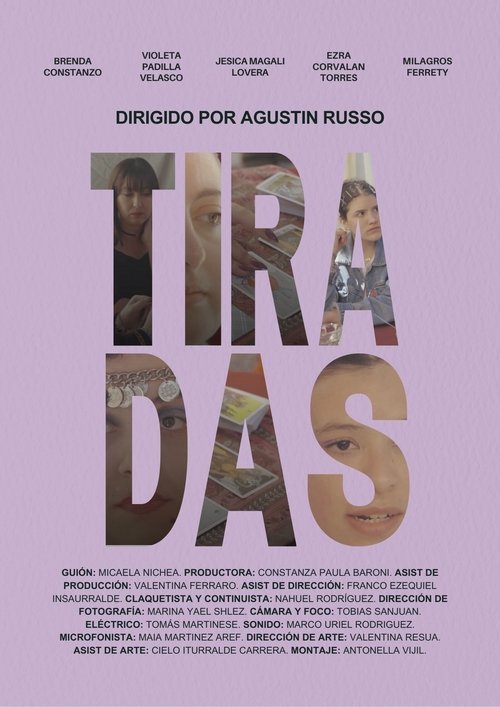
A soon-to-be-married woman discovers a hurtful secret in her bachelorette party.
Tiradas

A fervent Boca fan can't watch the Superclasico