FEEL IT.STREAM
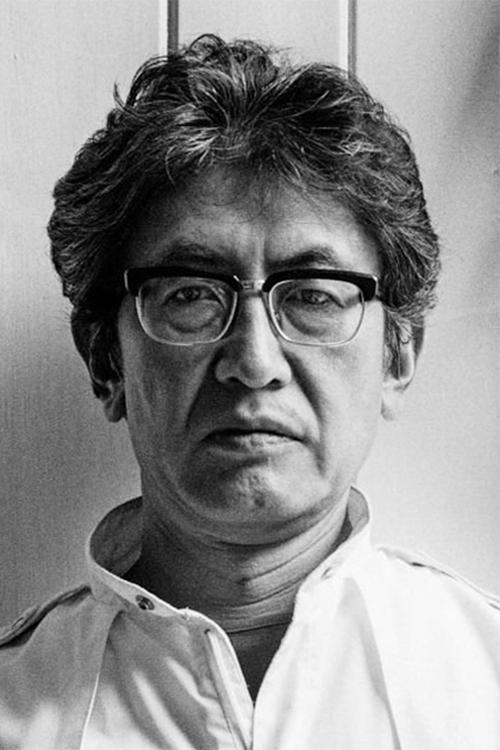
Nagisa Ōshima

Nagisa Ōshima

Directing

Biography

Nagisa Ōshima (大島 渚, Ōshima Nagisa; 31 March 1932 – 15 January 2013) was a Japanese filmmaker, writer, and left-wing activist best known for his fiction feature films, of which he directed 23 in a career spanning from 1959 to 1999. He is often regarded as one of the greatest Japanese directors of all time, and as one of the most important figures of the Japanese New Wave, alongside Shōhei Imamura. His filmmaking style bold, innovative and provocative, common themes include youthful rebellion, class and racial discrimination, and taboo sexuality.
Known For

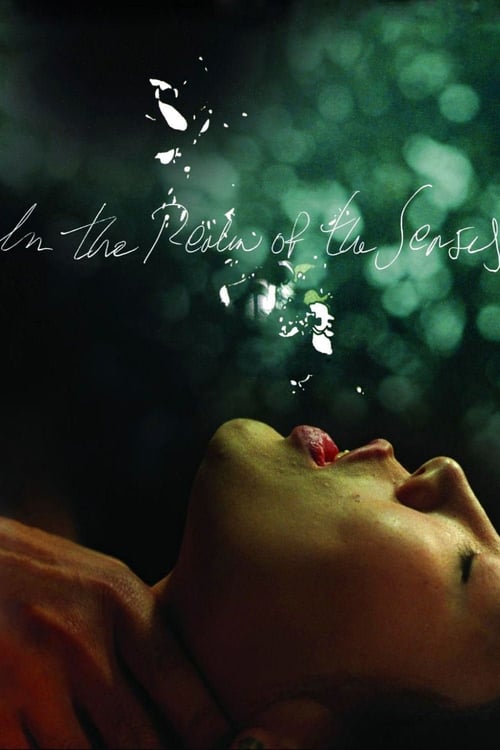
In the Realm of the Senses
6.6

A passionate telling of the story of Sada Abe, a woman whose affair with her master led to an obsessive and ultimately destructive sexual relationship.

In the Realm of the Senses

1976
Merry Christmas, Mr. Lawrence
7.3

Island of Java, 1942, during World War II. British Major Jack Celliers arrives at a Japanese prison camp, run by the strict Captain Yonoi. Colonel John Lawrence, who has a profound knowledge of Japanese culture, and Sergeant Hara, brutal and simpleton, will witness the struggle of wills between two men from very different backgrounds who are tragically destined to clash.

Merry Christmas, Mr. Lawrence

1983
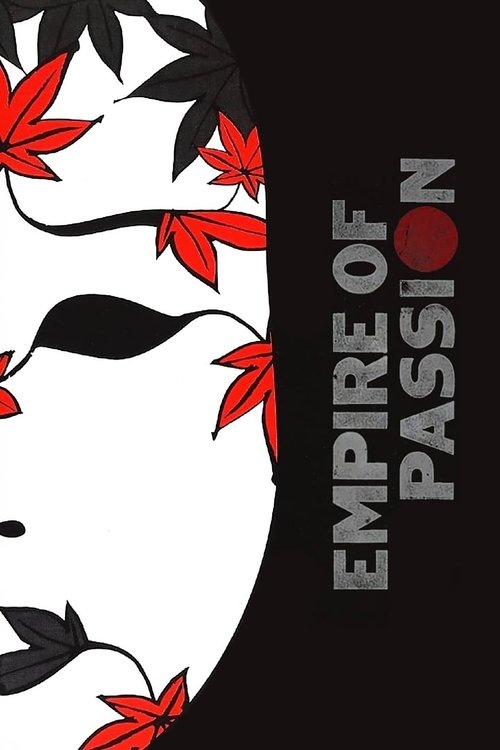
Empire of Passion
6.9

In a small Japanese village at the end of the 19th century, a rickshaw driver's wife takes on a much younger lover and the two conspire to murder him.

Empire of Passion

1978
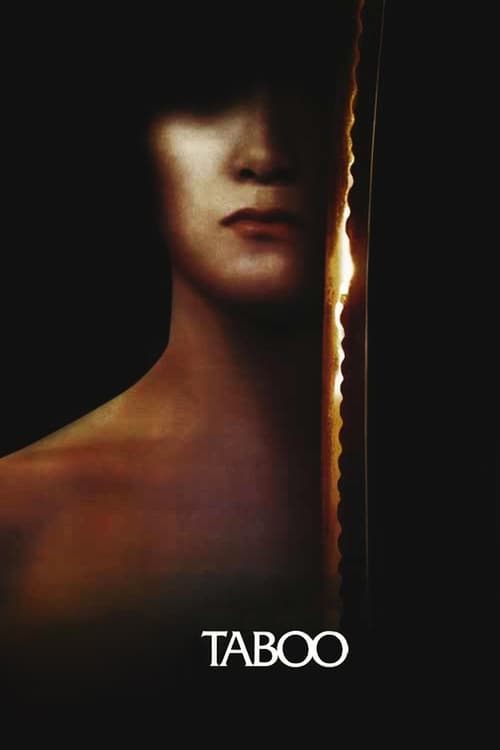
Taboo
6.6

Set during Japan's Shogun era, this film looks at life in a samurai compound where young warriors are trained in swordfighting. A number of interpersonal conflicts are brewing in the training room, all centering around a handsome young samurai named Sozaburo Kano. The school's stern master can choose to intervene, or to let Kano decide his own path.

Taboo

1999
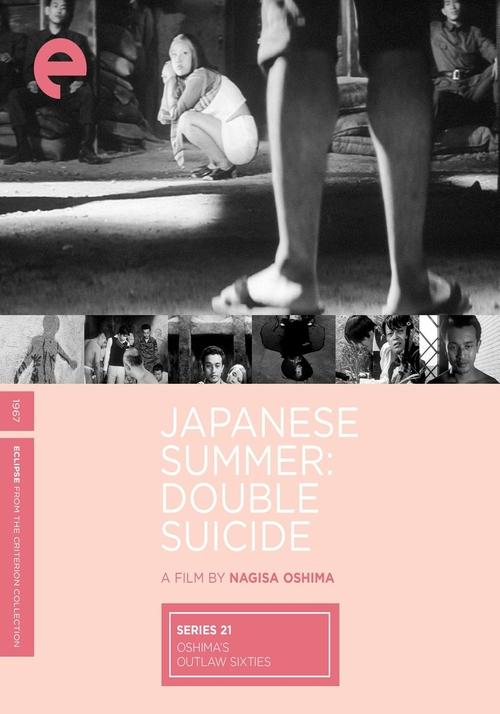
Japanese Summer: Double Suicide
5.7

A sex-obsessed woman, a suicidal man she meets on the street, and a gun-crazy wannabe gangster become trapped in an underground hideaway.

Japanese Summer: Double Suicide

1967
Sing a Song of Sex
5.8

Four sexually hungry high school students preparing for their university entrance exams meet up with an inebriated teacher singing bawdy drinking songs. This encounter sets them on a less than academic path.

Sing a Song of Sex

1967
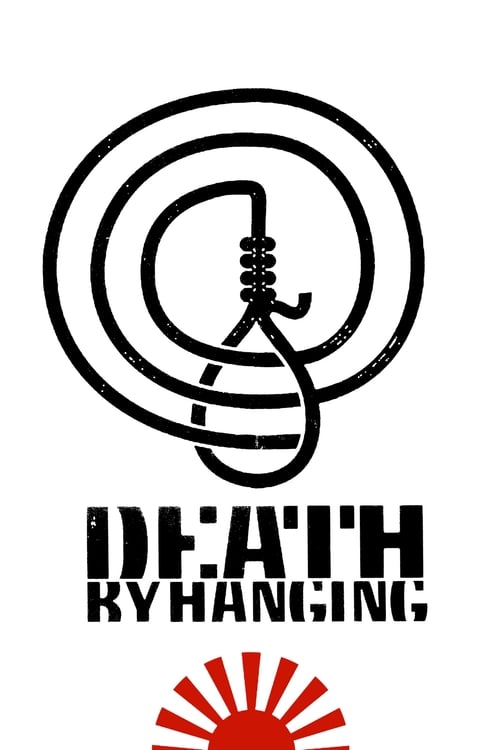
Death by Hanging
7.4

A Korean man is sentenced to death in Japan but somehow survives his execution, sending the authorities into a panic about what to do next.

Death by Hanging

1968
Pleasures of the Flesh
5.7

After committing murder, businessman Atsushi is blackmailed into keeping a suitcase of embezzled money. What follows is a descent into lustful, reckless actions and regret.

Pleasures of the Flesh

1965
Cruel Story of Youth
6.6

A harsh young man seduces a freeloading young woman and eventually takes advantage of her knack for hitchhiking to rob middle-class men.

Cruel Story of Youth

1960
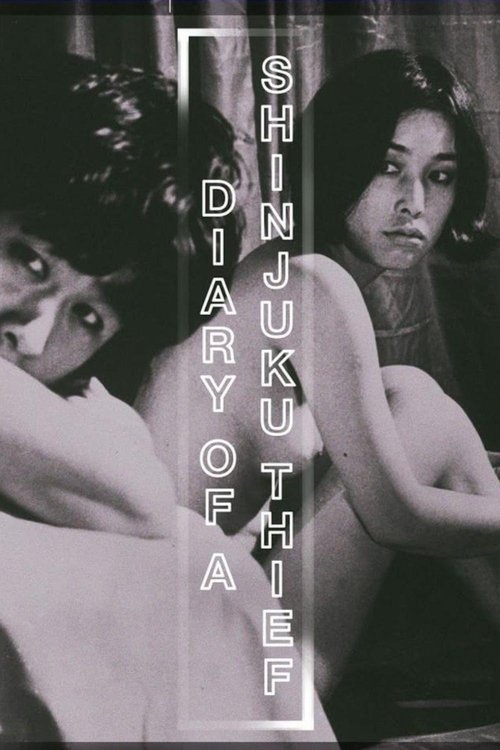
Diary of a Shinjuku Thief
4.8

In Tokyo's Shinjuku district, the lives of a young man prone to theft, a young woman he meets at a bookstore, and a kabuki actor intersect.

Diary of a Shinjuku Thief

1969
The Christian Revolt
6.7

In Tokugawa-era (1637) Shimabara, oppressed peasant Christians revolt against the shogunate with the aid of charismatic Christian rebel leader Shiro Amakusa.

The Christian Revolt

1962
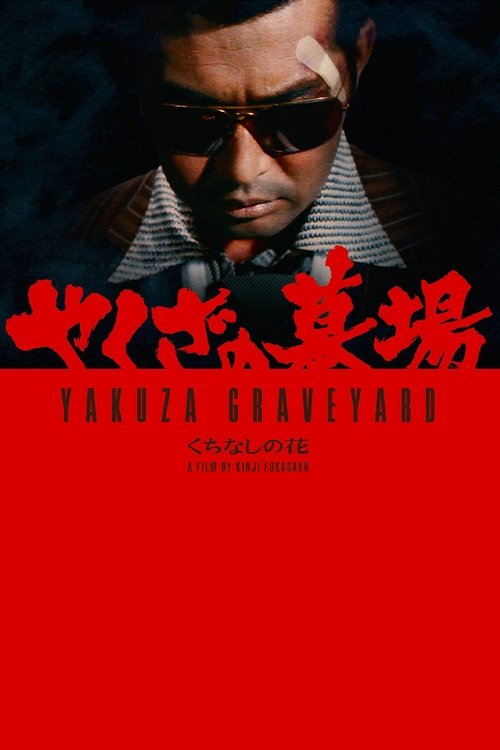
Yakuza Graveyard
6.6

A police investigator cracks down on yakuza business, but once he realizes the police are in negotiations with certain factions, he sides with his own syndicate of choice.

Yakuza Graveyard

1976
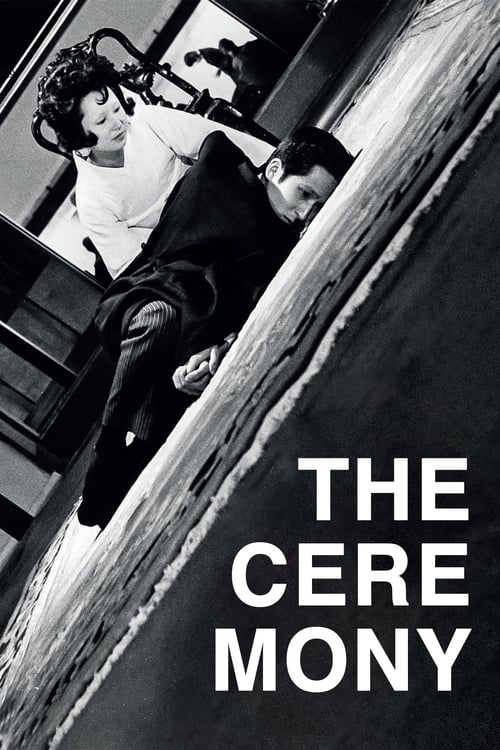
The Ceremony
6.8

Oshima’s magisterial epic, centering on the ambivalent surviving heir of the Sakurada clan, uses ritual and the microcosm of the traditional family to trace the rise and fall of militaristic Japan across several decades.

The Ceremony

1971
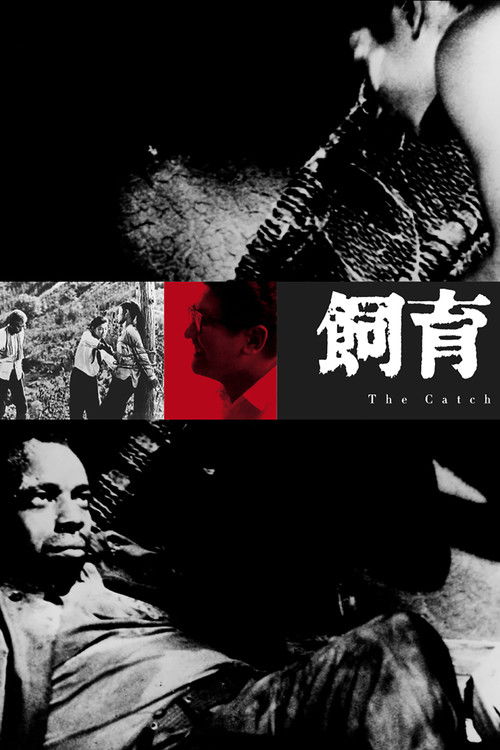
The Catch
6.5

Towards the end of WWII, a black American pilot is captured and imprisoned by rural Japanese villagers, who await official instructions as to how to proceed with their 'catch'.

The Catch

1961
Scenes by the Sea: Takeshi Kitano
8.0

First major English-language documentary profile of the cult Japanese actor/director, Takeshi Kitano. Featuring interviews with many of his regular contributors and colleagues, the film explores Kitano's rise from working-class poverty to superstar of Japanese radio, TV, comedy and journalism, and follows the making of his US-Japanese gangster film, 'Brother'.

Scenes by the Sea: Takeshi Kitano

2000
The Sun's Burial
6.4

In Osaka's slum, capricious folks without futures engage in pilfering, assault and robbery, prostitution, and the trading of ID cards and blood.

The Sun's Burial

1960
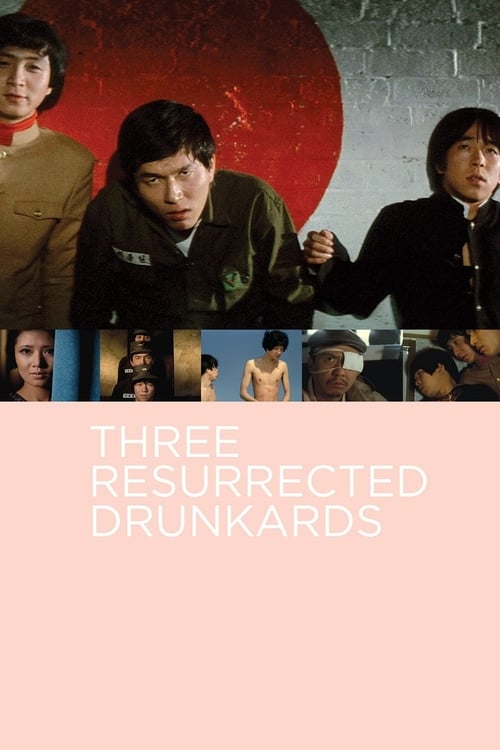
Three Resurrected Drunkards
5.6

Three students spend their holidays at the seaside where they are mistaken for Koreans, a minority which is looked down on in Japan. The action develops into a crime story.

Three Resurrected Drunkards

1968
Violence at Noon
6.2

Two young women must come to terms with the fact that a man they're deeply linked to is a murdering rapist.

Violence at Noon

1966
Night and Fog in Japan
6.5

Long takes and a highly theatrical visual approach combine to form a tense and confrontational look at the decline of a socialist student activists' movement in Japan.

Night and Fog in Japan

1960
Boy
7.2

A family of four lives off of scams in which they pretend to be injured by automobiles.

Boy

1969