Acting
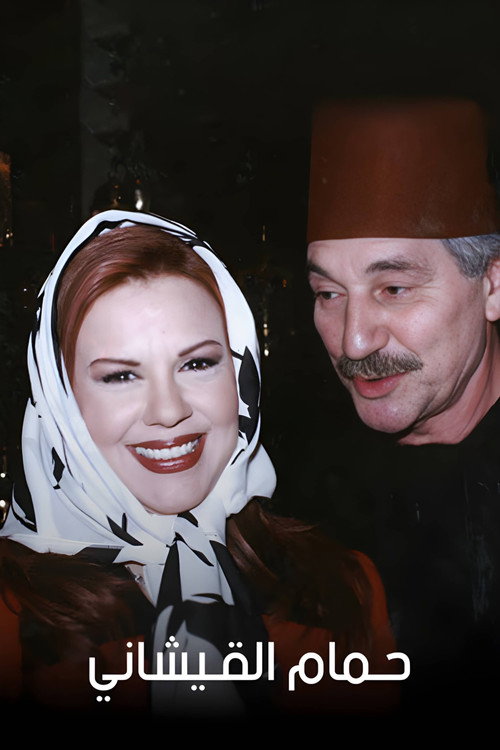
The series goes into details of the events that Syria went through between the years 1955-1959, including the tripartite aggression against Egypt in 1956, the establishment of unity between Syria and Egypt, and the revolution against the monarchy in Iraq, through the Qishani neighborhood, where its people work as merchants, lawyers, doctors, intellectuals and other works.
The show tells the story of a playwright, Jalal, who holds secular views, and his close friendship with Michel, his childhood friend. Michel initially worked as a lawyer but later transitioned to journalism, founding his own magazine in which he boldly addresses societal issues, drawing significant criticism. Additionally, the narrative explores themes of separating religion from civil and political life through a love story between a man and a woman from different faiths: Jalal (a Muslim) and Hanan (a Christian). Their relationship culminates in a secret marriage, which lasts until Jalal’s sudden passing. Throughout the story, the work focuses on two major issues related to secularism: the demand for a civil personal status law that permits civil marriage, and the call for a secular education system that allows students the freedom to seek their own truths instead of being indoctrinated with a predetermined "absolute truth." It also tackles issues of political and social corruption.
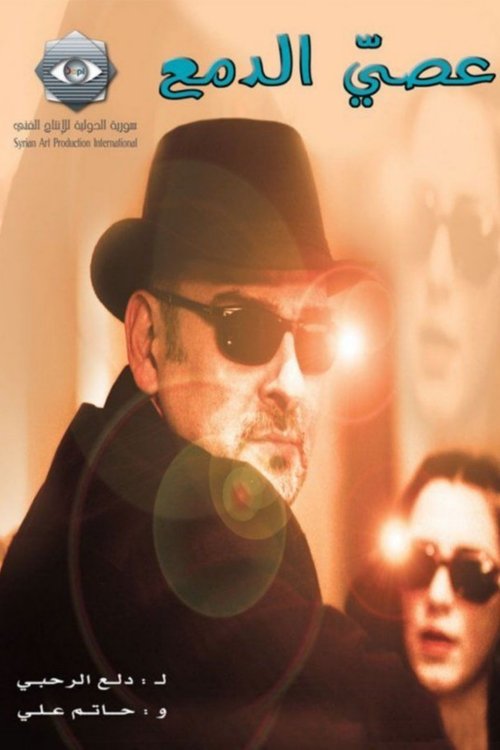
The series examines the change in the composition of the Syrian family, through the life of a number of Damascene families that are connected by a number of intertwining relationships, as love blossoms between the lawyer Riyad El Emary and the interior designer Riad El Merady.
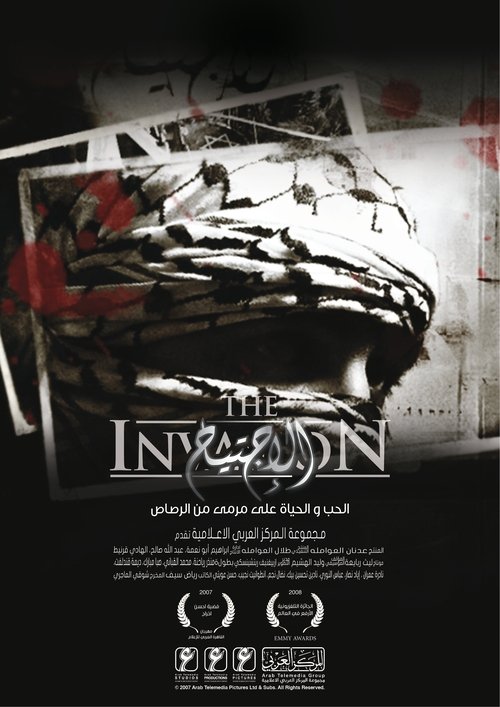
A socio-political series which highlights the horrific events that accompanied Operation “Defensive Shield” in 2002 when the Israeli army invaded Palestinian cities
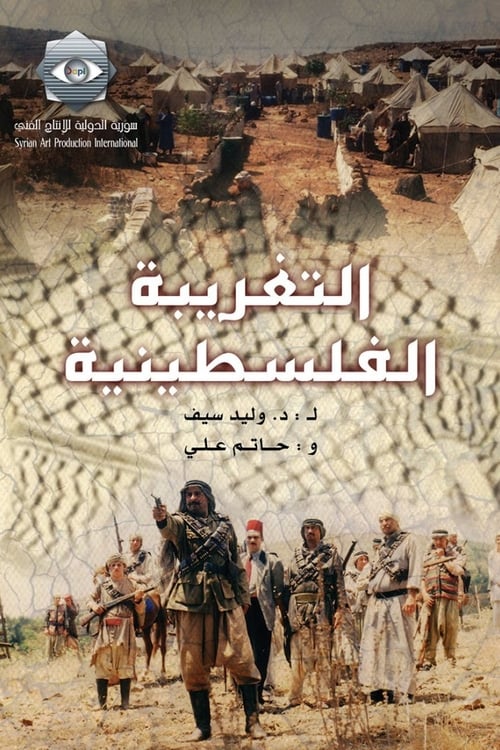
The first comprehensive dramatic telling of the Palestinian Nakba, seen through the eyes of a poor rural family from the 1930s British Mandate era through the massacres of 1948 and the defeat of 1967. Written by Palestinian poet Walid Seif — based on his own family history — and directed by the late Syrian master Hatem Ali, this is widely considered one of the greatest Arab television dramas ever produced. A monumental work of collective memory, historical witness and human endurance.
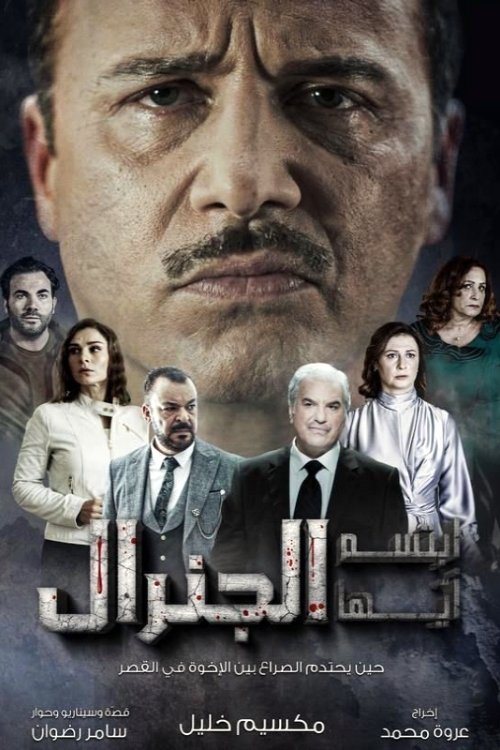
In a fictional state gripped by a tyrannical ruling family, a scandal erupts at the heart of the presidential palace — and ignites a brutal power struggle between two brothers: one who holds the presidency, one who commands the military. As secrets leak and loyalties fracture, the machinery of authoritarian rule begins to crack from within. A daring Syrian political thriller that pulls no punches in its portrait of dynastic corruption and the violence it breeds. Stars Maxim Khalil.
Alaa Al-Din Zeibak, a man from a well-off family, has Down syndrome, and he crosses paths with Badr, a man of a humble origin, who has autism spectrum disorder. As they interact, several situations ensue, shedding light on the lives and struggles of the differently-abled people.
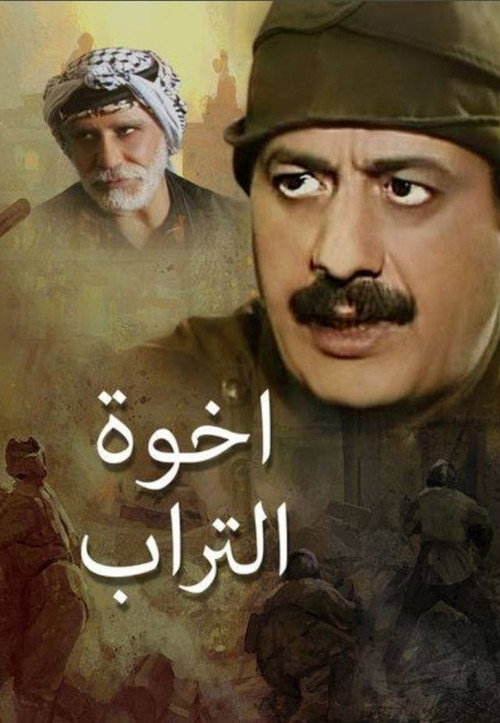
The series revolves around the Arab Revolt that broke out in Syria against the Ottoman occupation that had ruled the country for four centuries.
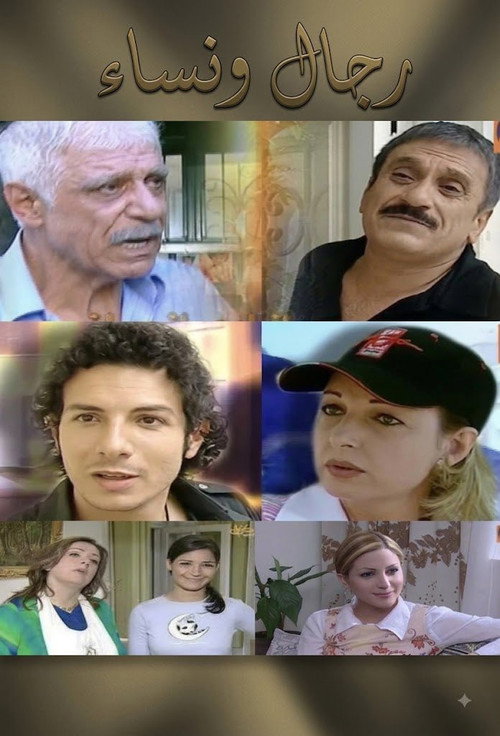
The series explores the lives of ordinary people in Syrian society navigating personal struggles, societal conflicts, and the gap between dreams and reality
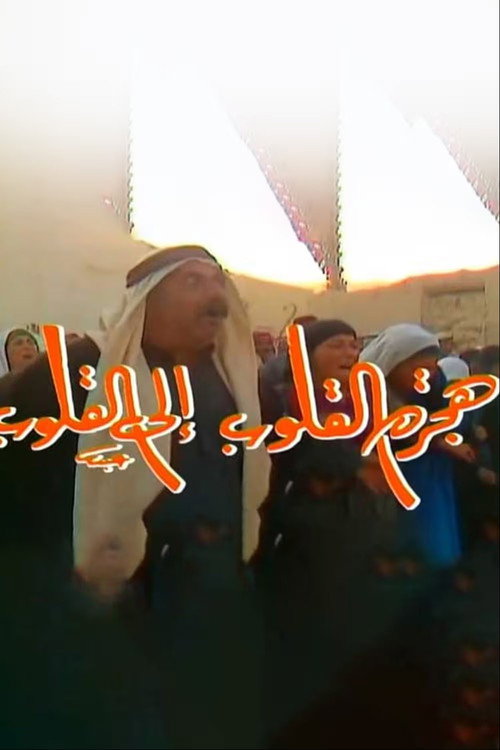
Set in the town of Al-Rukniya in the early 1930s, the work explores the conflict between Bedouin and urban communities, the impact of World War II on Syrian politics, the outbreak of the Great Syrian Revolution, and the subsequent withdrawal of the French occupation from the country. The work also highlights the opportunists who continue to spread colonialist ideas, in contrast to the strength and unity of the people as they confront tyranny despite the conspiracies plotted against them.
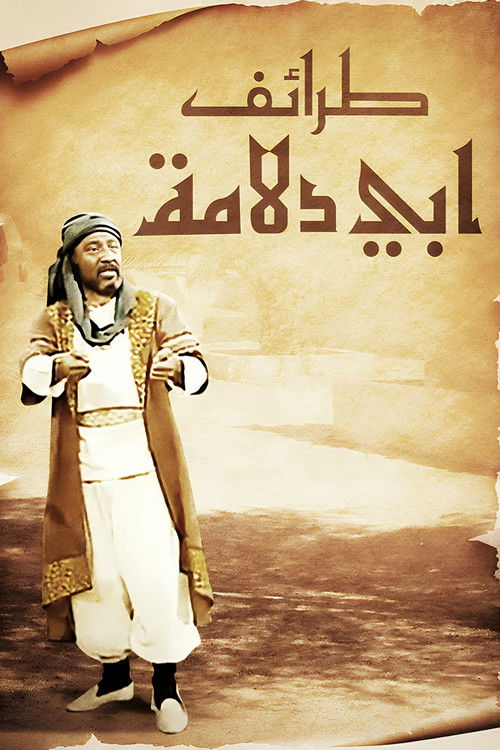
A historical comedy series produced in 1993 that talks about one of the famous Arab jokers, Abu Dalama, and tells a number of stories and jokes that took place during the era of
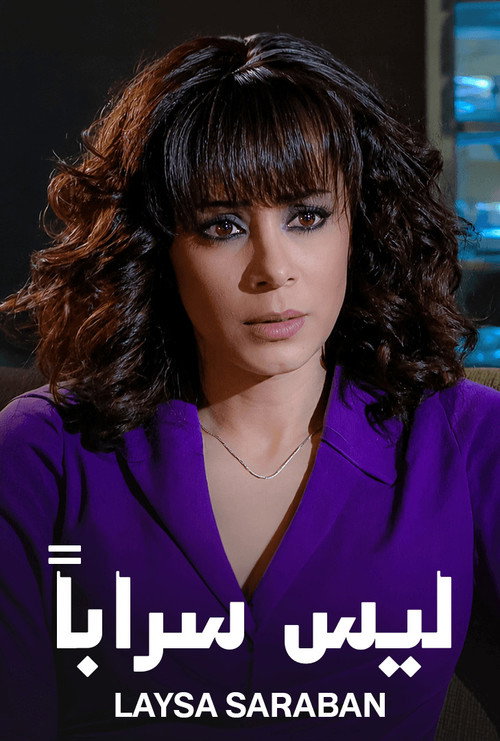
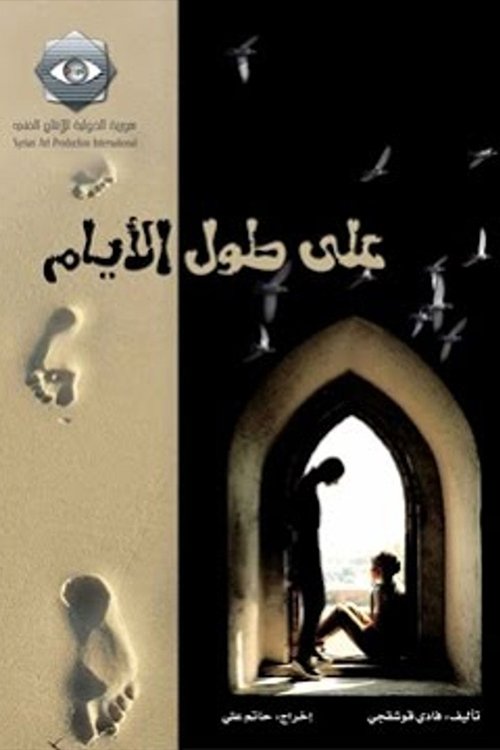
The events revolve around social relations that are built on love and affection, through a love story between two people that doesn't work out due to the excessive ambition of one of them, which makes the other refuse to continue the relationship, despite how much they love each other.
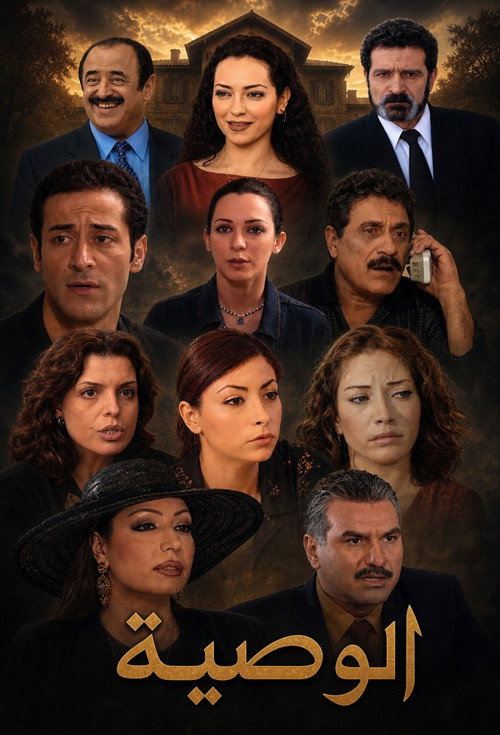
The series presents several social issues and tries to address them, especially the problems of youth and greed between brothers, so that the brother tries to rob his brother's money that he inherited from his father.
Syria, 1967, rumors of war. Abu Kamel, a peasant who farms tomatoes near Latakia, bullies his family. One by one, each rebels against him or finds a route to break away.
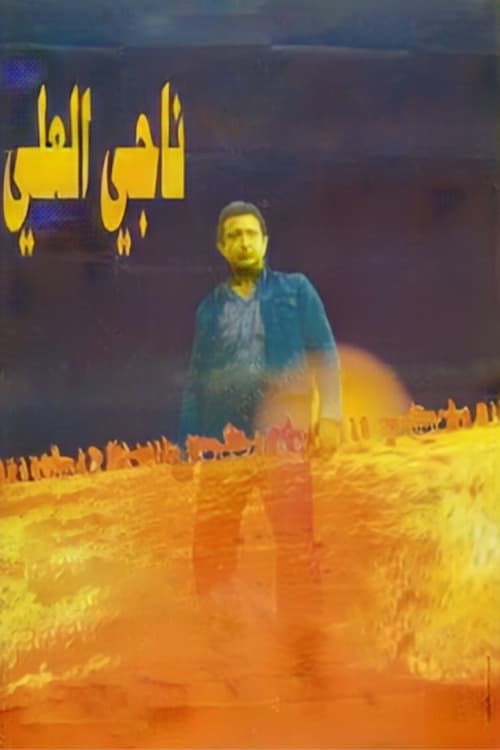
After the assassination of the Palestinian artist Naji Al-Ali in London in 1987, the film flashes back to the stops that he went through in his life, starting from his displacement with his family to Lebanon, to his work in Kuwait, to his return to Lebanon during the Lebanese civil war.