Acting
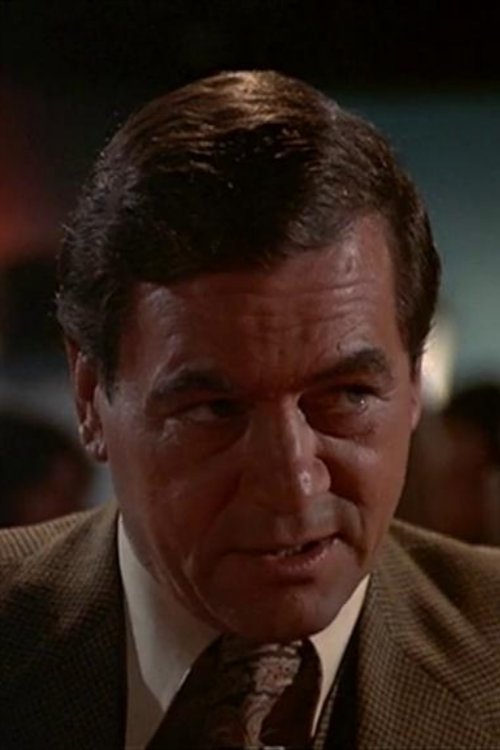
John Lehne was born on October 27, 1925 in New Providence, New Jersey, USA. He was an actor.
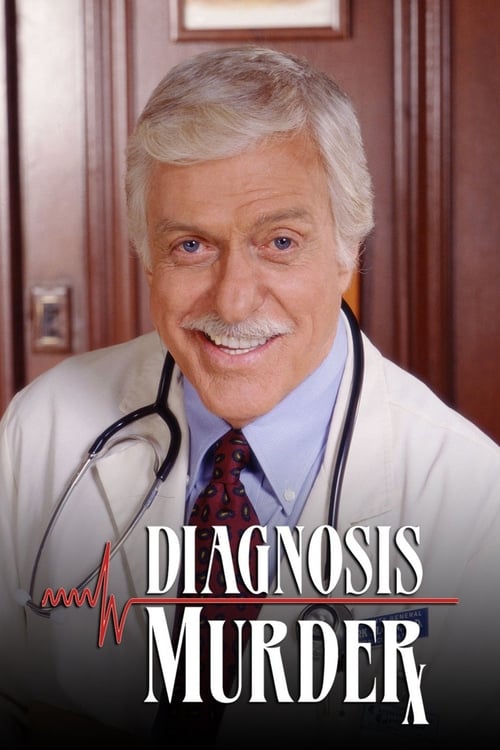
Dr. Mark Sloan is a good-natured, offbeat physician who is called upon to solve murders.
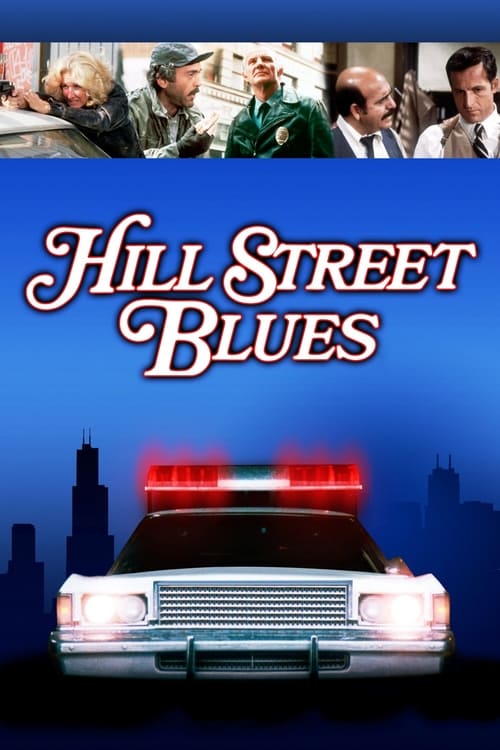
A realistic glimpse into the daily lives of the officers and detectives at an urban police station.
L.A. Law is an American television legal drama series that ran for eight seasons on NBC from September 15, 1986, to May 19, 1994. Created by Steven Bochco and Terry Louise Fisher, it contained many of Bochco's trademark features including a large number of parallel storylines, social drama and off-the-wall humor. It reflected the social and cultural ideologies of the 1980s and early 1990s, and many of the cases featured on the show dealt with hot-topic issues such as abortion, racism, gay rights, homophobia, sexual harassment, AIDS, and domestic violence. The series often also reflected social tensions between the wealthy senior lawyer protagonists and their less well-paid junior staff. The show was popular with audiences and critics, and won 15 Emmy Awards throughout its run, four of which were for Outstanding Drama Series.
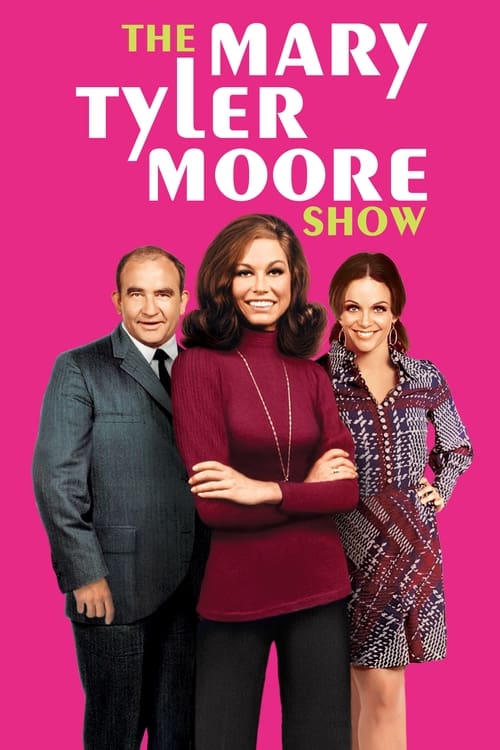
30-year-old single Mary Richards moves to Minneapolis to start a new life after a romantic break-up. There she reacquaints with Phyllis who rents her a room, and meets her upstairs neighbor and new best friend Rhoda. Mary unexpectedly lands a job as associate producer at the TV station WJM, where she works alongside her bristly boss, Lou; the comical newswriter, Murray; and the newscast's often-incompetent anchor, Ted.
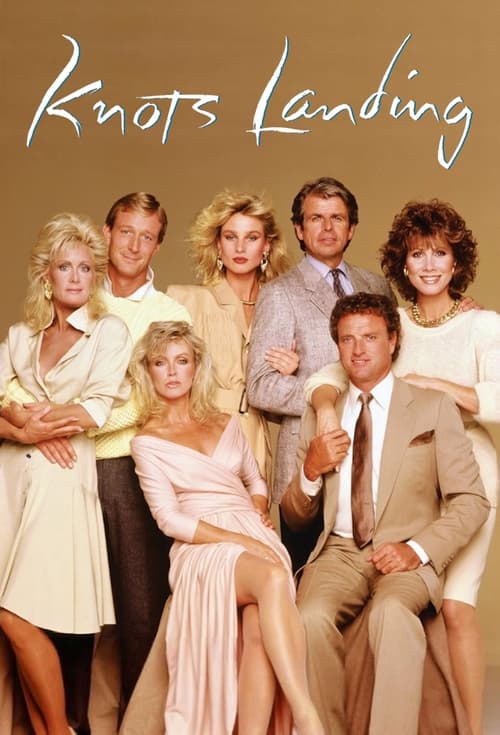
The domestic adventures, misdeeds and everyday interactions of five families living on a cul-de-sac in a small California community.
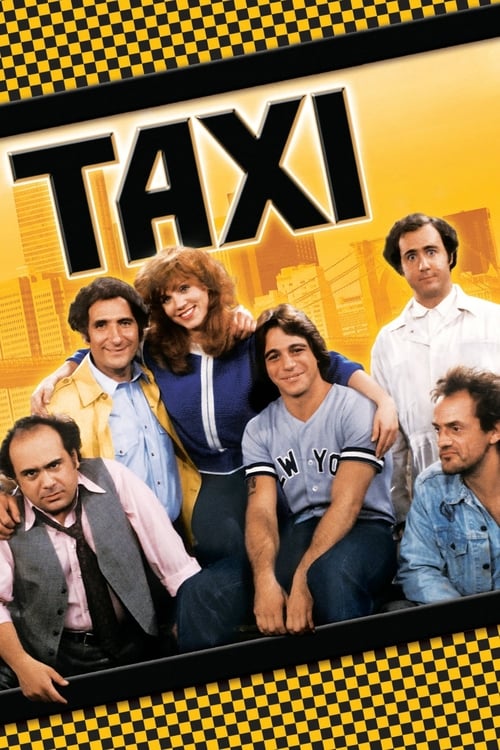
Louie De Palma is a cantankerous, acerbic taxi dispatcher in New York City. He tries to maintain order over a collection of varied and strange characters who drive for him. As he bullies and insults them from the safety of his “cage,” they form a special bond among themselves, becoming friends and supporting each other through the inevitable trials and tribulations of life.
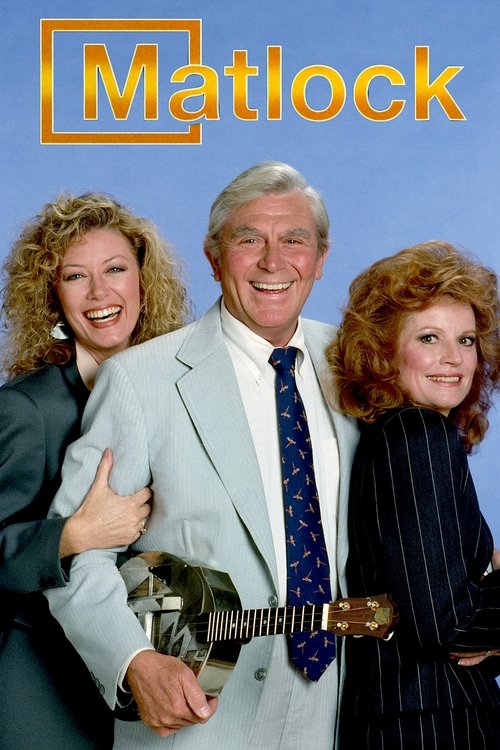
Thrifty, folksy and cantankerous, Matlock charges a premium for his services but is worth every penny: This renowned attorney, always clothed in his trademark light-gray suit and driving his signature Ford Crown Victoria, has an uncanny knack for finding overlooked clues and exposing murderers in dramatic courtroom scenes.
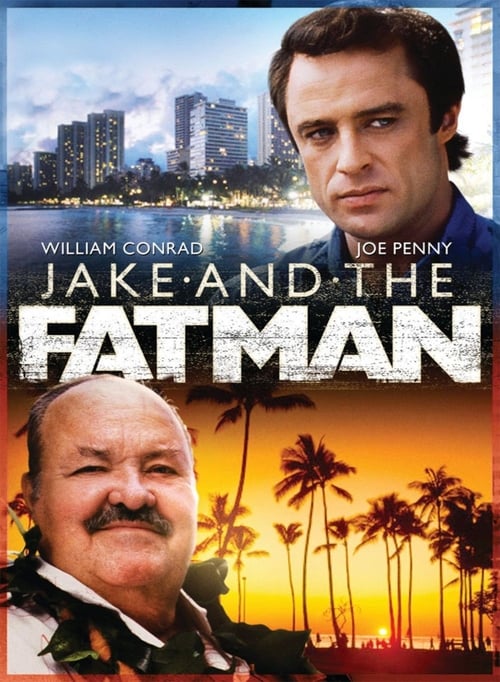
Jake and the Fatman is a television crime drama starring William Conrad as prosecutor J. L. "Fatman" McCabe and Joe Penny as investigator Jake Styles. The series ran on CBS for five seasons from 1987 to 1992. Diagnosis: Murder was a spin-off of this series.
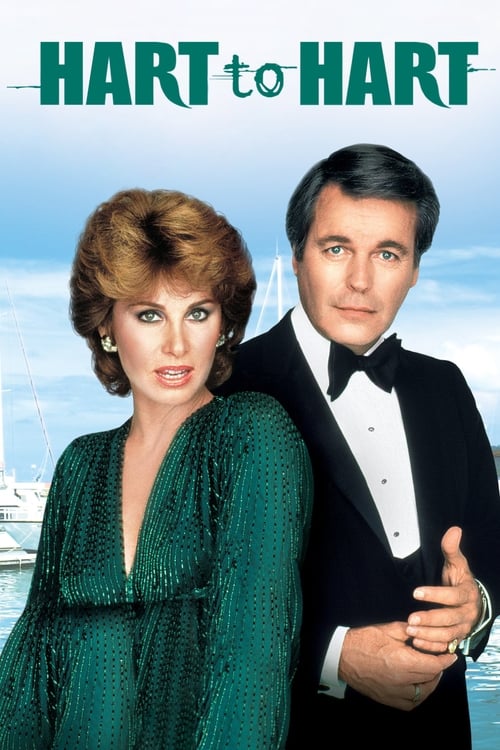
Wealthy couple Jonathan and Jennifer Hart, a self-made millionaire and his journalist wife, moonlight as amateur detectives.
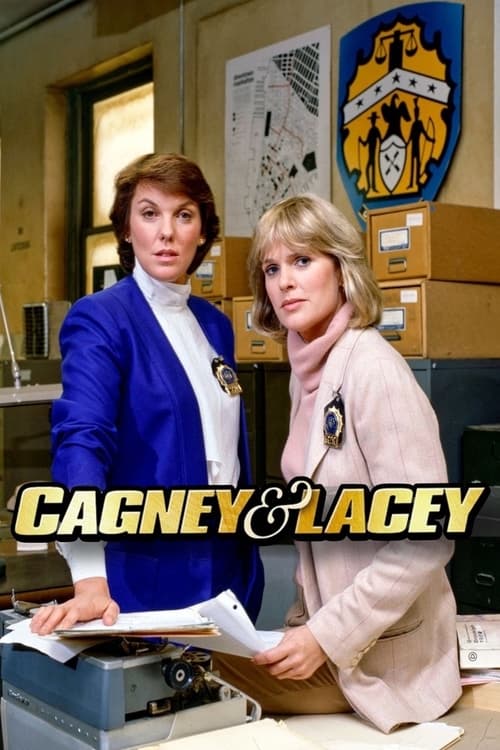
Mary Beth Lacey and Chris Cagney are teamed up as NYPD police detectives. Their opposing personalities (one is tough and the other sensitive) mesh to make this one of the great crime-fighting duos of all time.
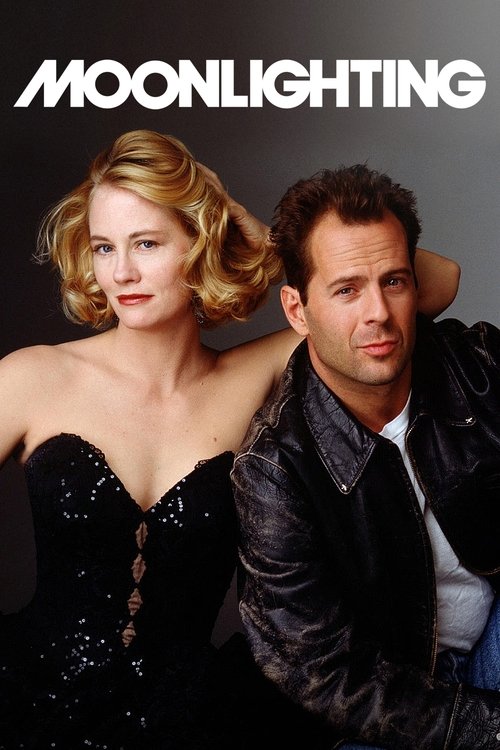
After being duped and going bankrupt, model Maddie is convinced by David to become a partner in a detective agency. Together they solve various cases, while getting comfortable with each other.
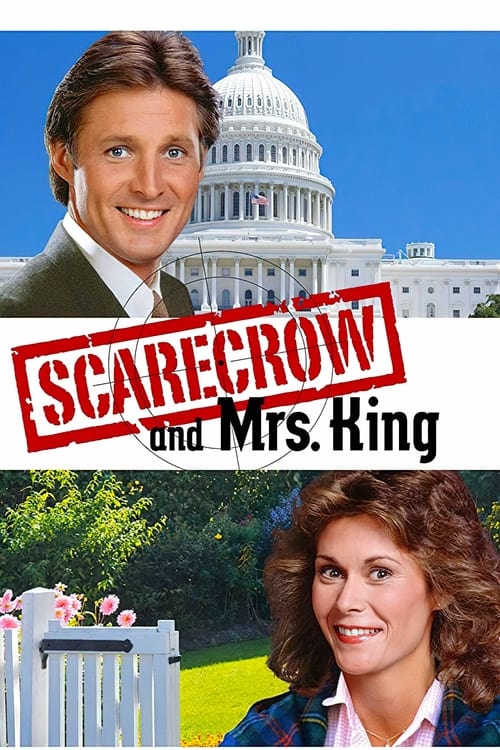
Scarecrow and Mrs. King is an American television series that aired from October 3, 1983, to May 28, 1987 on CBS. The show stars Kate Jackson and Bruce Boxleitner as divorced housewife Amanda King and top-level "Agency" operative Lee Stetson who begin a strange association, and eventual romance, after encountering one another in a train station.
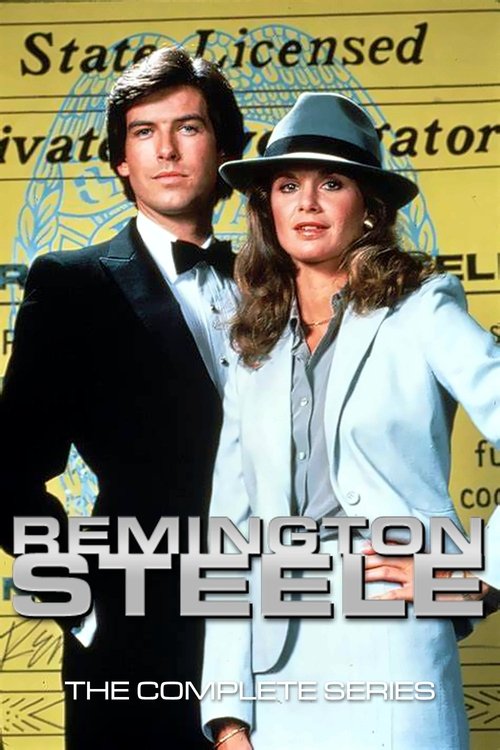
Laura Holt, a licensed private detective, opens a detective agency but finds that potential clients refuse to hire a woman, however qualified. To solve the problem, Laura invents a fictitious male superior whom she names Remington Steele. Through a series of events that unfold in the first episode, "License to Steele," a former thief and con man, whose real name is never revealed, assumes the identity of Remington Steele. Behind the scenes, Laura remains firmly in charge.
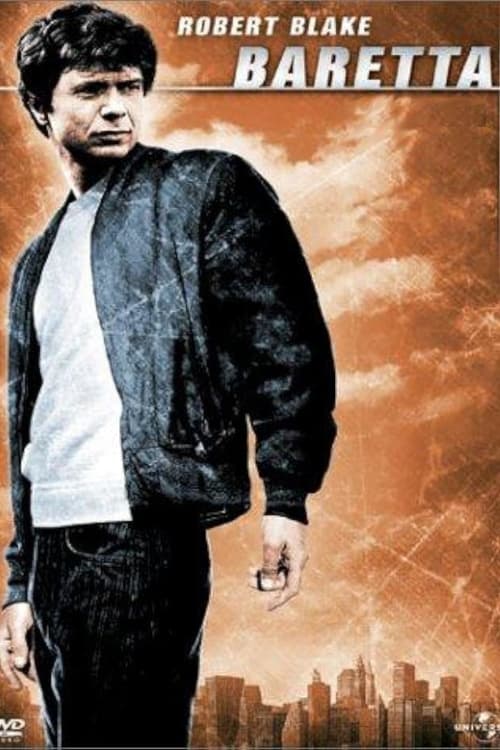
Baretta is an American detective television series which ran on ABC from 1975 to 1978. The show was a milder version of a successful 1973–74 ABC series, Toma, starring Tony Musante as chameleon-like, real-life New Jersey police officer David Toma. While popular, Toma received intense criticism at the time for its realistic and frequent depiction of police and criminal violence. When Musante left the series after a single season, the concept was retooled as Baretta, with Robert Blake in the title role.
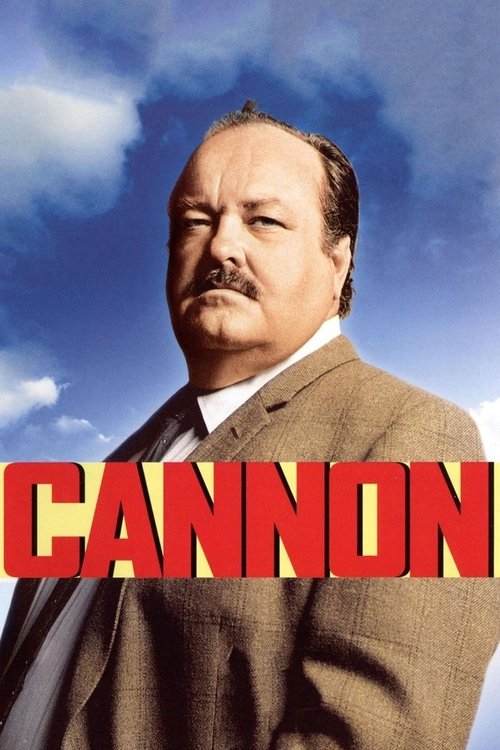
Cannon is a CBS detective television series produced by Quinn Martin which aired from March 26, 1971 to March 3, 1976. The primary protagonist is the title character, private detective Frank Cannon, played by William Conrad. He also appeared on two episodes of Barnaby Jones. Cannon is the first Quinn Martin-produced series to be aired on a network other than ABC. A "revival" television film, The Return of Frank Cannon, was aired on November 1, 1980. In total, there were 124 episodes.
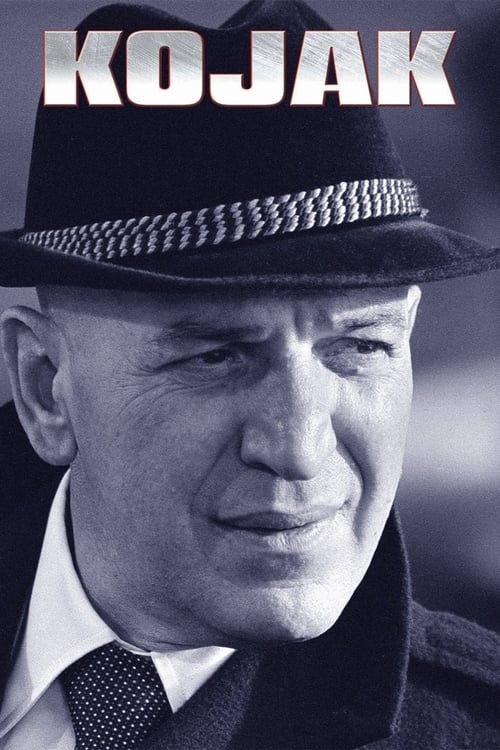
A bald, lollipop sucking police detective with a fiery righteous attitude battles crime in New York City.
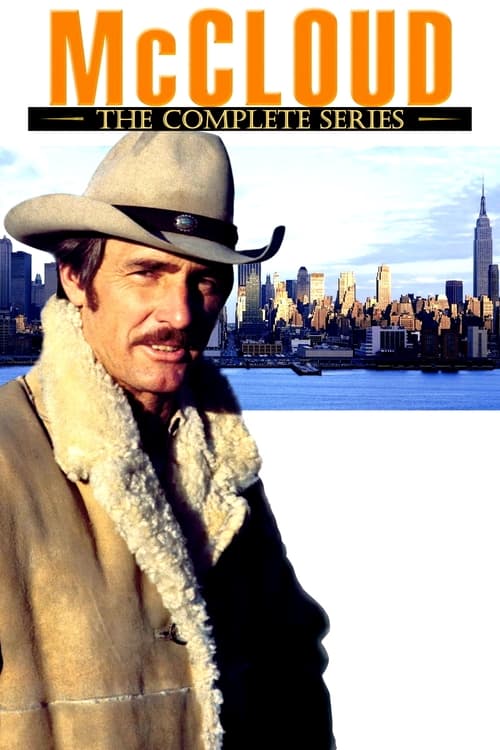
Deputy Marshal Sam McCloud of the small western town of Taos, New Mexico is assigned to the metropolitan New York City Police Department (NYPD) as a special investigator.
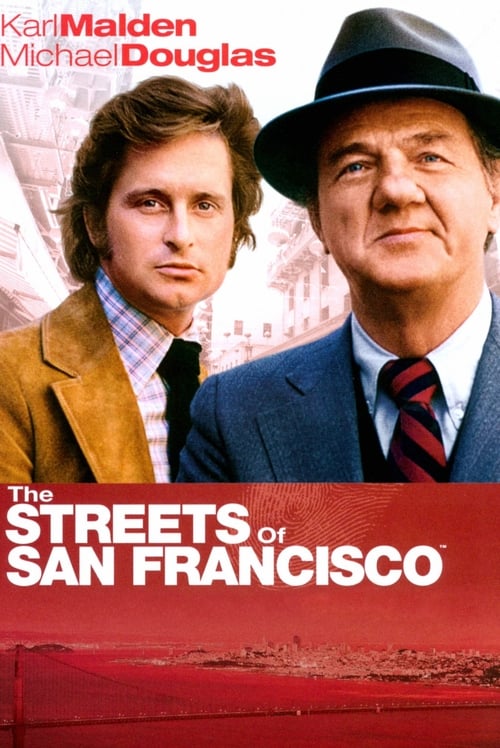
Two police officers, the older Lt. Stone and the young upstart Inspector Keller, investigate murders and other serious crimes in San Francisco. Stone would become a second father to Keller as he learned the rigors and procedures of detective work.
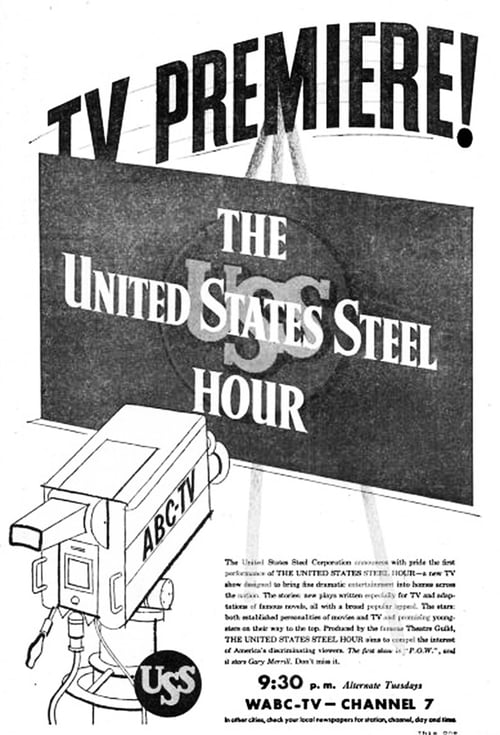
The United States Steel Hour is an anthology series which brought hour-long dramas to television from 1953 to 1963. The television series and the radio program that preceded it were both sponsored by the United States Steel Corporation.
New York cop Frank Serpico blows the whistle on the rampant corruption in the force only to have his comrades turn against him.