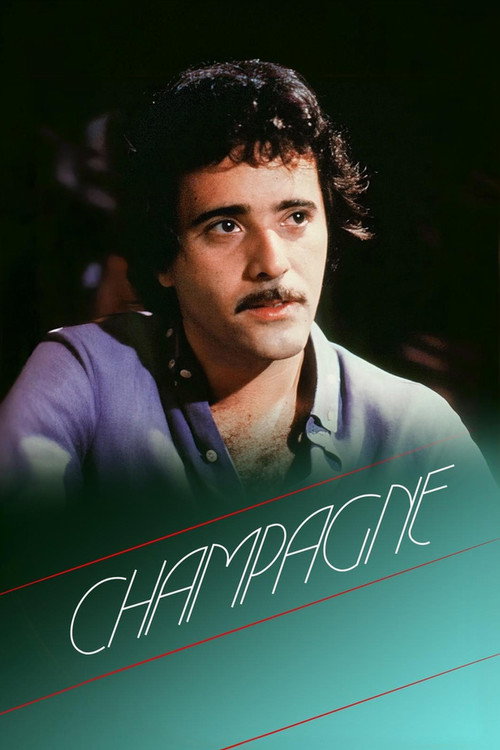
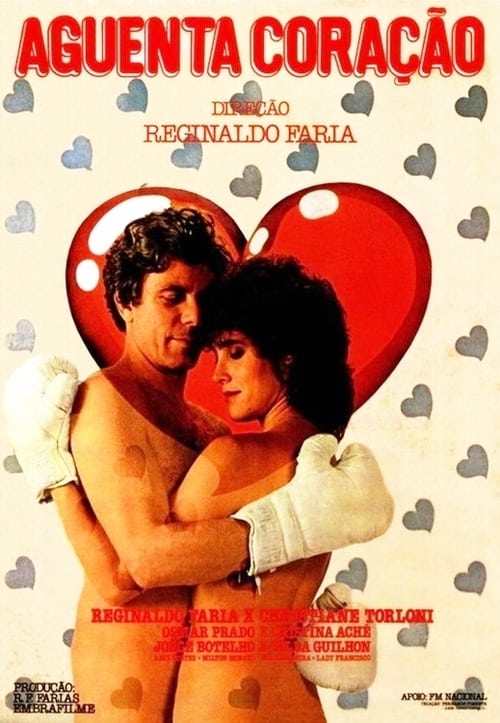
Acting
No description available.
In 1970, during a glittering New Year's Eve party attended by the aristocracy, a young pantry maid named Zaíra is mysteriously murdered. Thirteen years later, the prime suspect—Gastão, a humble waiter and former colleague of the victim—seeks to prove his innocence with the help of his son, Nil, becoming entangled in the lives of the other party guests. The story also follows a cunning pair of jewel thieves: the sophisticated Antônia Regina and João Maria—a criminal lawyer and member of the declining aristocracy who takes up the cause of Nil's father.
The relationship among three friendly couples turns upside down when two of the men get a job on TV. Their girlfriends leave them, looking for more action in their lives.
Mid-1970s. When the military regime's "economic miracle" and the victory of the Brazilian football team on the World Cup serve as a distraction for the persecution of opposition leaders by the political police of the dictatorship. Under this context, Jofre Godoi da Fonseca, an alienated middle-class man, is mistaken for Sarmento, a political activist he met at an airport prior to his assassination. He is then arrested for being "subversive".
In Nilópolis, Eliane, a 15-year-old girl, who is the daughter of a lower-middle-class couple, falls in love with Otávio, a 33-year-old divorcee. Upon learning of the relationship, Eliane's parents forbid her to meet her lover.
Um é Pouco, Dois é Bom is a Brazilian film, with an urban theme, produced and filmed in Porto Alegre, Rio Grande do Sul, in 1970. The film is divided into two parts (Com um Pouquinho de Sorte and Vida Nova Por Acaso) that have different character cores and independent narrative structures.