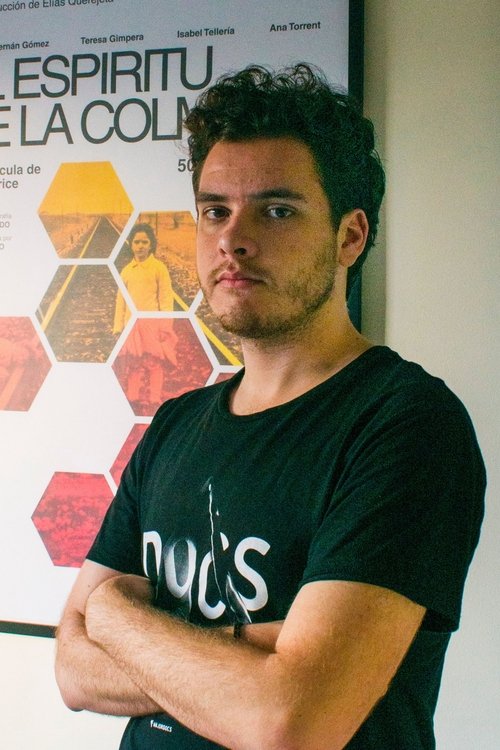
Guillermo Amengual
Directing
Biography
Guillermo Amengual (Mallorca, 2001) is an independent Spanish filmmaker interested in creating low-budget arthouse films. He has worked for some film festivals such as Atlàntida Mallorca Film Festival or Majordocs. In addition to his work as a filmmaker, he also works as a photographer and graphic designer.
Known For

A woman goes to a cold and inhospitable abandoned cove to try to summon the spirit of her only son, who passed away during the war.
Cala Mata
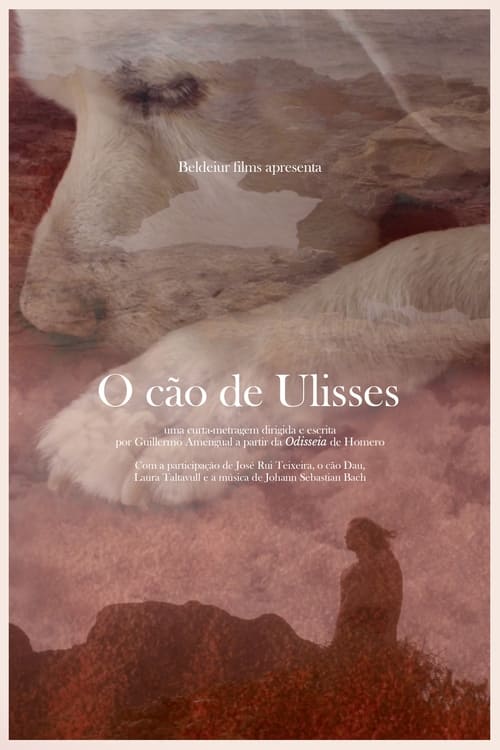
20 years have passed since Ulysses went to fight in the Trojan War. Now he's considered lost and deceased. In Itaca, his homeland, his old dog Argos awaits his owner, wondering if he'll ever come back.
Ulysses' dog
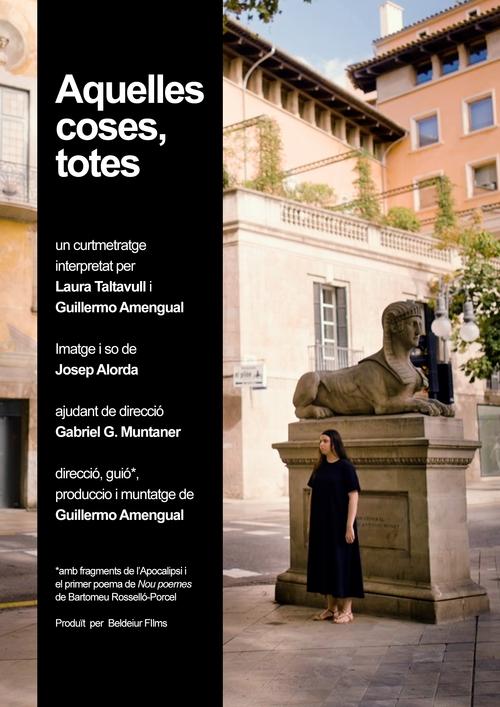
Amidst the tumult of the city, a man and a woman talk about the past of their hometown, the paths they have taken in life and the hope for a better future.
Those things, all of them
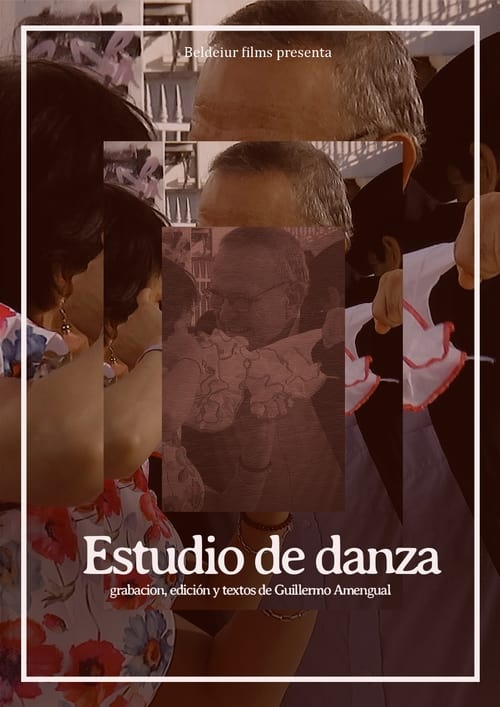
The "cueca" is Chile's national dance. Marveled by this form of dancing, the narrator reflects on the meaning of dance in our lives and how it has been portrayed in the history of cinema.
Estudio de danza

A youngster writes a letter to his grandmother about his last trip to Donosti (Spain). This city inspires him to ponder about the language of cinema, time, cities, and sharing memories with our loved ones.
Donosti 2730
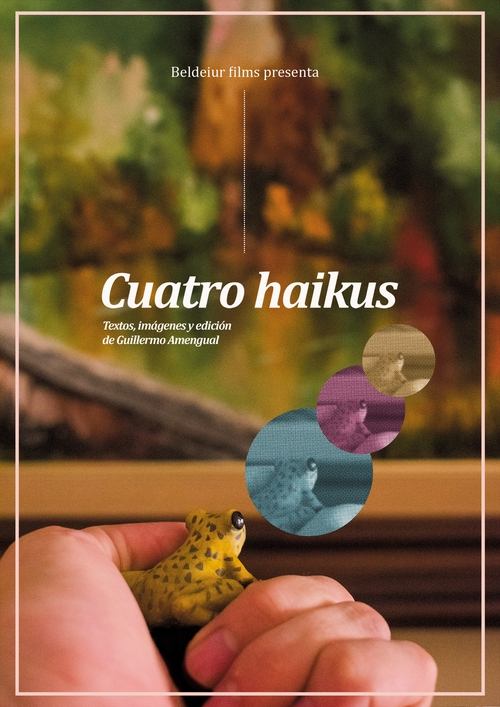
Twelve shots, four sequences. Each of them will try to evoke a feeling, a sensation, an idea, a landscape… just like the iconic and transcendental Japanese poems known as “Haiku”.
Four Haikus
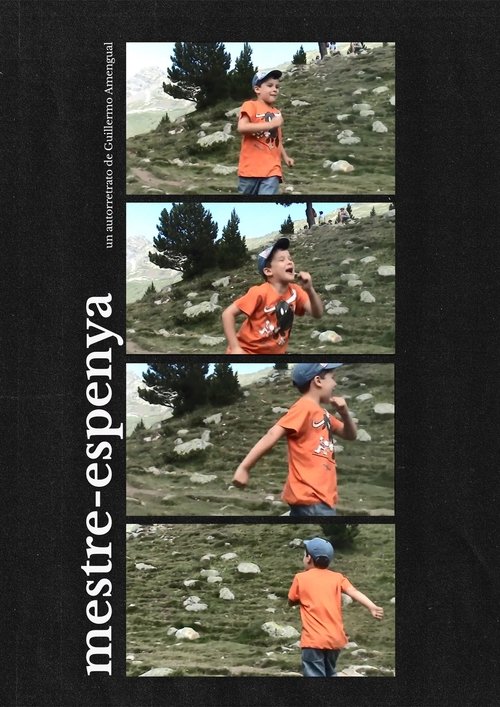
"Mestre-espenya" is a self-portrait of Guillermo Amengual where he talks and thinks about his childhood and all the themes that have always been present in his life and films: death, family and innocence.
Mestre-espenya
A film-poem about shadows and light. Available on YouTube
A garden of shadows

In June 2024, the photographer María Cano presented a series of pictures in the window of "Es Mirador", in Set Cantons street in Palma (Mallorca). One night I was walking around the area with my little camera and decided to record the Maria's work and the space around it. The photographs in the window showed disjointed figures and faces that seemed to come out of a nightmare. Every one of them gave me a feeling of terrible anxiety. They were faces, hands and metaphorical cries that denounced a problem that affects a large part of the young population: the problem of housing. With these recordings as a starting point, I began to make this audiovisual piece.
The windows

Far from his home, locked in a room in Edinburgh, a young man writes down all the names of women that he can find in the pages of his books with the desire to evoke through them the face of his idyllic beloved woman.
Nombres cruzados

The Font Bover family spends the day at the beach. Available on YouTube
Sa platja d'es Marquès
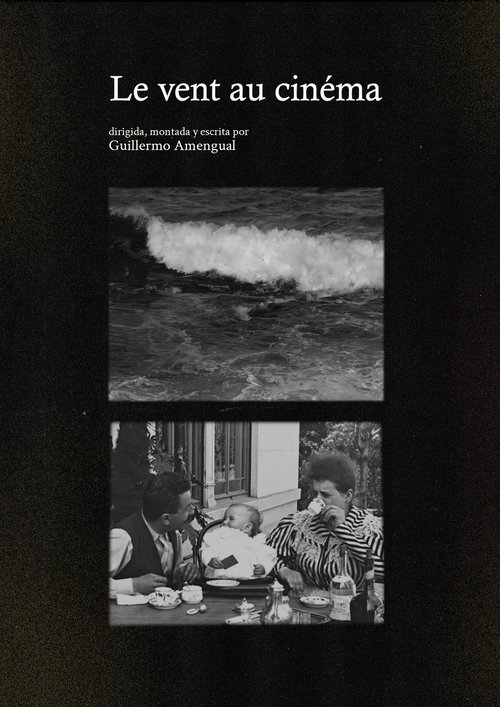
War and violence. Among all, the birht of cinema. After all, war and violence. "The wind blows wherever it pleases." (John 3:8)
Le vent au cinéma

Recording of two women picking up olives in a park in Palma (Mallorca).
Women picking up olives
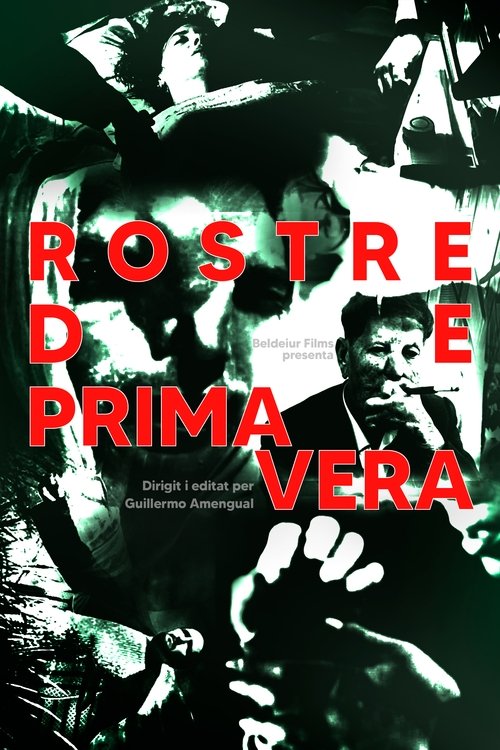
A collage of images, thoughts and letters that seek to find the meaning of "ugliness" seen through time. The film pays an homage to Jean-Luc Godard's film-collages such as "Histoire(s) du cinema" (1988-1998) and "The image book" (2018) using different sources from film and literature to create a discourse about ugliness.
Face of spring

An adult couple picks lemons in their garden. This silent film is an homage to Louis and Auguste Lumière's movies
Cueillette du citron

A whole garden grows from old letters, recipes, notes...
A garden of words
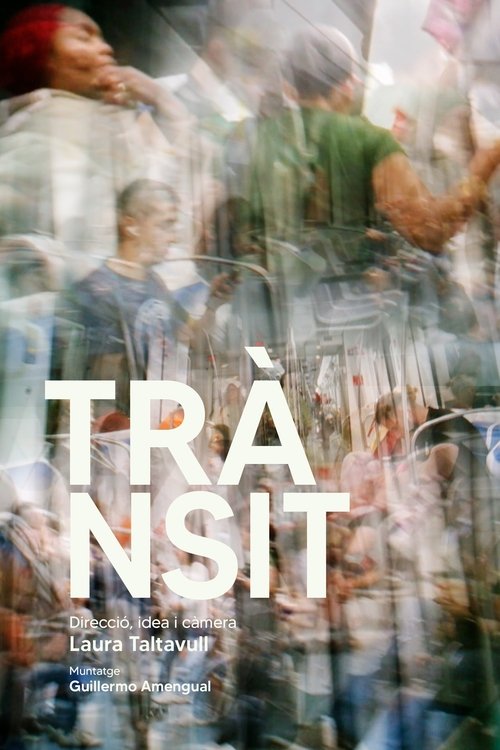
"Trànsit" is a journey through a city that never lets us stay. Between the noise of the subway and the silence of empty streets, the short film captures the feeling of not belonging to any neighborhood, of living always in transit.