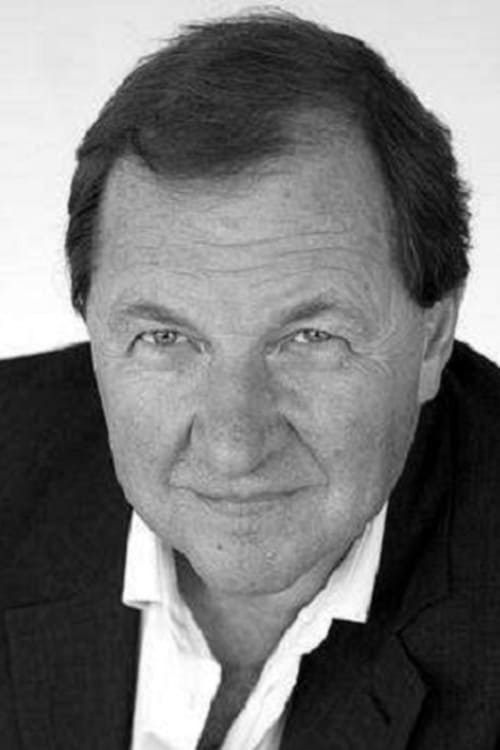
Roy Andersson
Directing
Biography
Roy Arne Lennart Andersson is a Swedish film director, best known for his distinctive style of absurdist humor and melancholic depictions of human life. His personal style is characterized by long takes, and stiff caricaturing of Swedish culture and grotesque. Over his career Andersson earned prizes from the Cannes Film Festival, Berlin International Film Festival and Venice International Film Festival. Andersson spent much of his professional life working on advertisement spots, directing over 400 commercials and two short films; directing six feature-length films in six decades. He made his feature film debut with A Swedish Love Story (1970) followed by Giliap (1975). Anderson received the Cannes Film Festival Jury Prize for Songs from the Second Floor (2000). His film A Pigeon Sat on a Branch Reflecting on Existence (2014) won the Venice International Film Festival's Golden Lion. He other notable films include You, the Living (2007), and About Endlessness (2019). Imdb Mini Bio By ; yusufpiskin
Known For

A monumental traffic jam serves as the backdrop for the lives of the inhabitants of a Swedish city.
Songs from the Second Floor

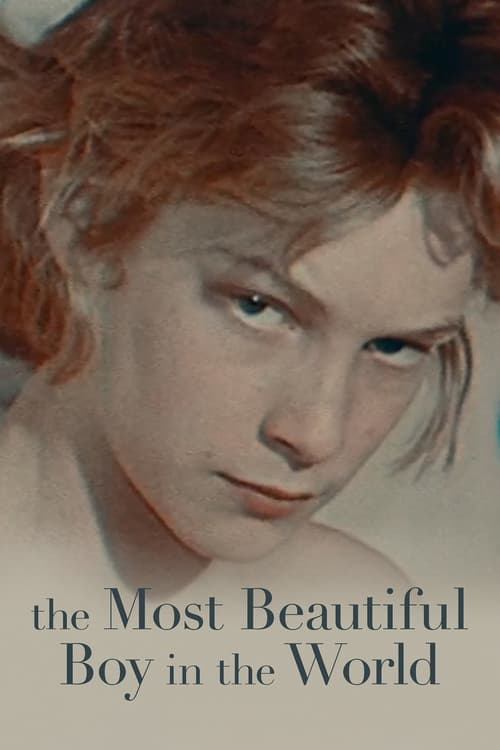
In 1971, due to the world premiere of Death in Venice, Italian director Lucino Visconti proclaimed his Tadzio as the world’s most beautiful boy. A shadow that today, 50 years later, weighs Björn Andrésen’s life.
The Most Beautiful Boy in the World

The puppy love of two teenagers is set against a backdrop of adults struggling with their own lives. As a couple in love, they don't care about anything but themselves and seem totally unaware about everything that surrounds them.
A Swedish Love Story

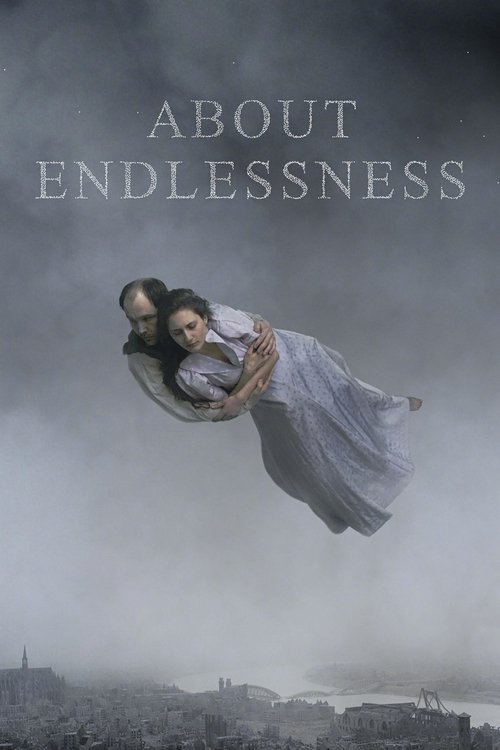
A reflection on human life in all its beauty and cruelty, its splendor and banality, guided by a Scheherazade-esque narrator. Inconsequential moments have the same significance as historical events. Simultaneously an ode and a lament, presents a kaleidoscope of all that is eternally human, an infinite story of the vulnerability of existence.
About Endlessness

The year 1957 was one of the most prolific for the Swedish filmmaker Ingmar Bergman: he shot two films, released two of his most celebrated films and produced four plays and a TV movie while juggling with a complicated private life.
Bergman: A Year in a Life

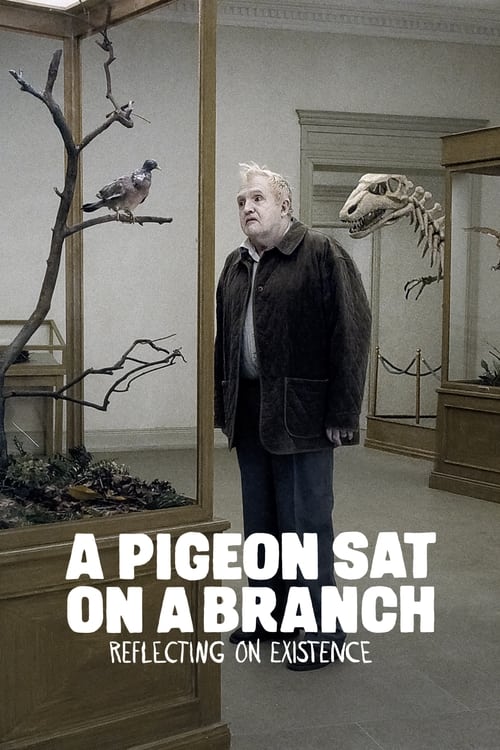
An absurdist, surrealistic and shocking pitch-black comedy, which moves freely from nightmare to fantasy to hilariously deadpan humour as it muses on man’s perpetual inhumanity to man.
A Pigeon Sat on a Branch Reflecting on Existence

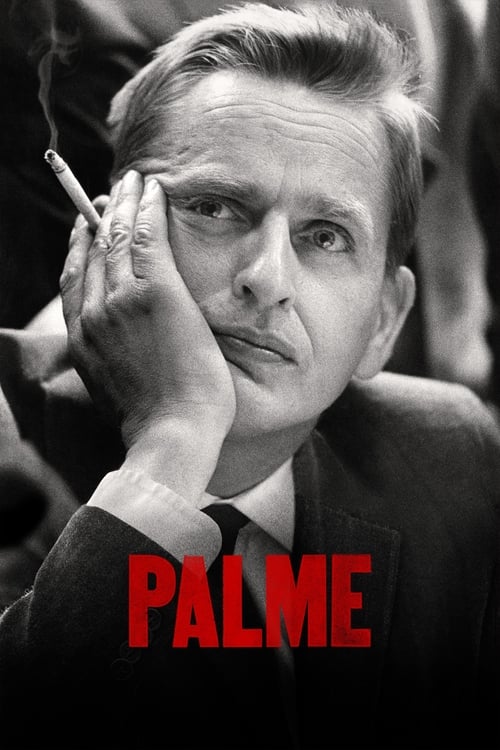
Swedish Prime Minister Olof Palme was openly shot to death on a February evening 1986 on the streets of Stockholm. In one night, the country of Sweden was transfigured. “Palme” is about his life, his time, and about the Sweden he had created. About a man who altered history.
Palme

An ad for an advertising company, consisting of 7-second sequence shots by 13 directors.
One Morning All Over the World

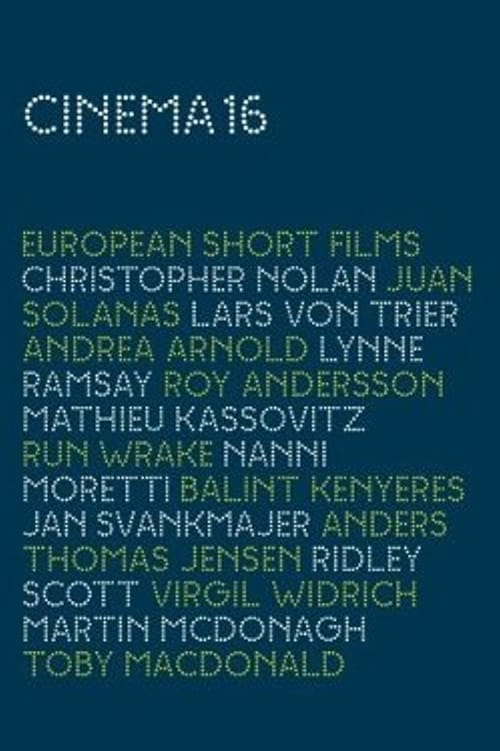
A collection of short films by 16 European directors.
Cinema 16: European Short Films (U.S. Edition)

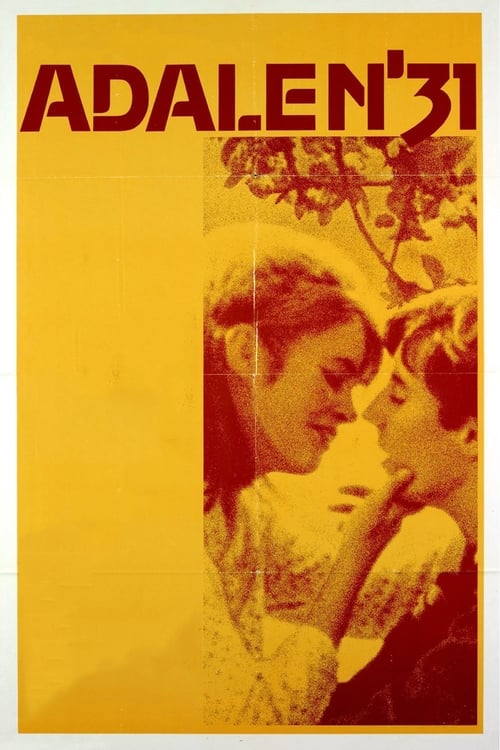
A film about the 1931 Ådalen shootings, in which Swedish military forces opened fire against labour demonstrators in the Swedish sawmill district of Ådalen.
Adalen 31

In the Swedish city of Lethe, people from different walks of life take part in a series of short, deadpan vignettes that rush past. Some are just seconds long, none longer than a couple of minutes. A young woman remembers a fantasy honeymoon with a rock guitarist. A man awakes from a dream about bomber planes. A businessman boasts about success while being robbed by a pickpocket, and so on. The absurdist collection is accompanied by Dixieland jazz and similar music.
You, the Living

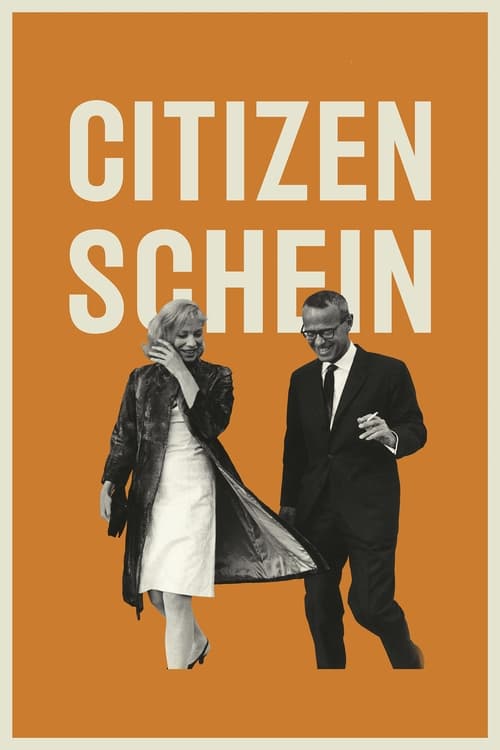
Harry Schein was an anomaly in Swedish cultural society. Equal parts playboy, intellectual, and political visionary, his life story could very well be the foundation of a Hollywood film. Citizen Schein is a film about a refugee who refused to look back, a film about powerful men, and the myths that fuel them.
Citizen Schein

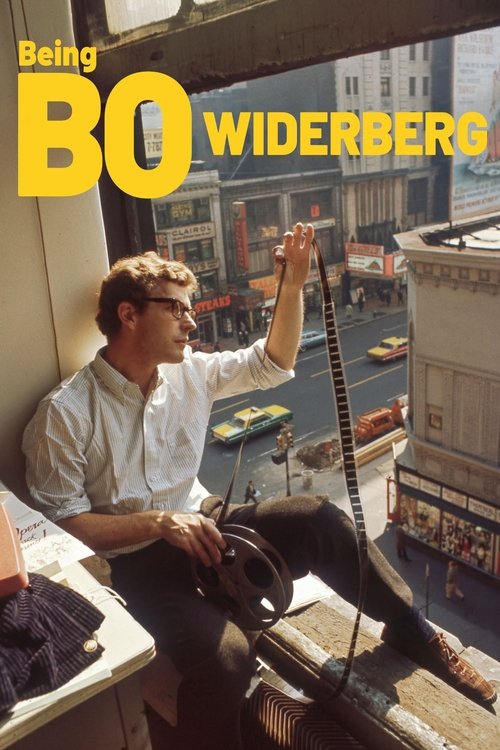
The documentary chronicles Bo Widerberg's journey from 1960s Malmö, where he worked as a writer and film critic, to his successes as a director in Stockholm and international adventures in Cannes and New York. The film also explores the personal costs of his artistic vision and how his pursuit of life and authenticity affected both himself and those around him.
Being Bo Widerberg

A collection of short films by 16 European directors.
Cinema 16: European Short Films (European Edition)

In a minor town the morose manager is primarily responsible for the bad atmosphere of a restaurant. But central for the plot are three persons: a male waiter who is never named (here called W), the female waiter Anna, and "the count", a self-invented nickname by a man cleaning plates. The count is skilled in making others do what he wants. Half a dozen of the personnel assist in a poorly planned and failed attempt to liberate a man whom the police move from one arrest to another. The event involves stealing a motorcycle and threatening policemen with a gun. Anna strongly tries to make contact with W. Finally it turns out that she need his help to break her sexual relation to the count, a relation that from her part is not motivated by positive feelings. W rejects her attempts. And then Anna has suddenly gone. She has got a pleasant job in another town. And then W's feelings awaken.
Giliap

Documentary film about the protests against the 1968 Davis Cup tennis match between Sweden and Rhodesia, in Båstad, Sweden. In a series of interviews, demonstrators and members of the Swedish government give their views on sport, politics and civil disobedience.
The White Game
A tribute and portrait of the Swedish filmmaker Bo Widerberg. Thommy Berggren presents slices and comments on Widerberg.
Life at Any Cost

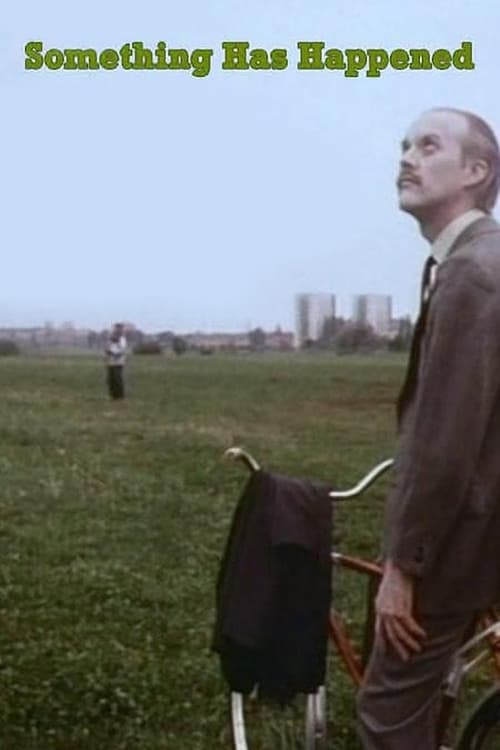
As the AIDS epidemic was spreading in 1987, the Swedish government commissioned Roy Andersson to make an educational film about the disease. In these twenty or so monotone scenes, Andersson criticizes the medical community for its dehumanizing and racist tendencies when researching HIV and AIDS.
Something Has Happened

In room 1112 at hotel Riverton during Göteborg's 2011 film festival, director Jonas Selberg Augustsén brings together some of Sweden's most famous film workers and asks a question: "Are the celluloid film about to die, and what do you think it means for the moving image?" The film is inspired by Wim Wender's 1982 documentary, Chambre 666.
Room 1112

A documentary by Ronny Svensson and Markus Stromqvist on the making of Bo Widerberg's 1976 movie Man on the Roof, featuring extensive interviews with cast and crew