Jacques Pâris de Bollardière
Acting
Biography
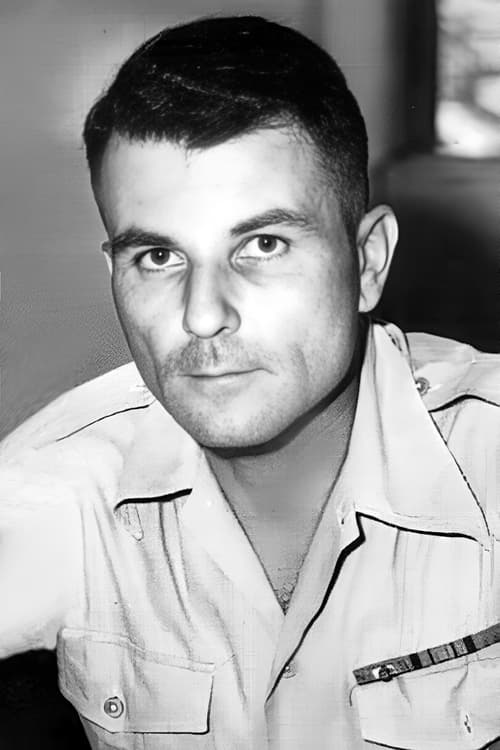
Jacques Pâris de Bollardière, (called Jacques de Bollardière for convenience) born on December 16, 1907 in Châteaubriant in the Loire-Inférieure and died on February 22, 1986 in Guidel (village of Vieux-Talhouët) in the Morbihan, is a general officer of the French army, combatant of the Second World War, the Indochina War and the Algerian War. He is also one of the figures of non-violence in France. Coming from a fervent Catholic family, he follows the family tradition by engaging in a military career, the Pâris de Bollardière family is a family of old bourgeoisie originally from Dauphiné, which gave many officers to France. It is descended from Antoine Pâris (1541-1602), royal notary in Réaumont. He is related to the Pâris brothers, financiers during the reign of King Louis XV. Jacques Pâris de Bollardière, for his part, participated in the Second World War, where he distinguished himself by his courage and leadership. After the war, he was involved in the Indochina War and the Algerian War. However, it was his opposition to torture during the Algerian War that made him famous. It was upon his return to France that he spoke publicly about torture on the occasion of the release of Jean-Jacques Servan-Schreiber's book Lieutenant in Algeria. His public position in the newspaper L'Express earned him a sixty-day fortress sentence on April 15, 1957, in La Courneuve. After his military career, he became an ardent defender of non-violence and campaigned for human rights. Confronted with the Nazi atrocities committed in the Manises maquis where he was responsible for the Citronelle mission, it was there that he would have acquired the conviction that torture is the property of totalitarian regimes. Jacques de Bollardière is the only senior officer then in office to have openly condemned the use of torture during the Algerian War: he denounced to his superiors "certain methods" practiced by a part of the French army in the search for intelligence during the Algerian War. He wrote a few years later: "I think with infinite respect of those of my brothers, Arabs or French, who died like Christ, at the hands of their fellow men, flogged, tortured, disfigured by the contempt of men". He supports Jean-Jacques Servan-Schreiber in his denunciation of torture. Jacques Pâris de Bollardière is also known for his commitment to various social and humanitarian causes. He was involved in pacifist movements and took part in civil disobedience actions to protest against nuclear weapons. Jacques Pâris de Bollardière died of illness on 22 February 1986 at his residence in Talhouet. His funeral took place in the church of Guidel. He was buried in Vannes in Morbihan. His legacy is that of a man of principle, ready to sacrifice his career to defend his convictions. He remains a respected and admired figure for his integrity and his commitment to justice and peace.