Writing
The story of Hannele, an unhappy girl who is beaten by her stepfather and tries to commit suicide.
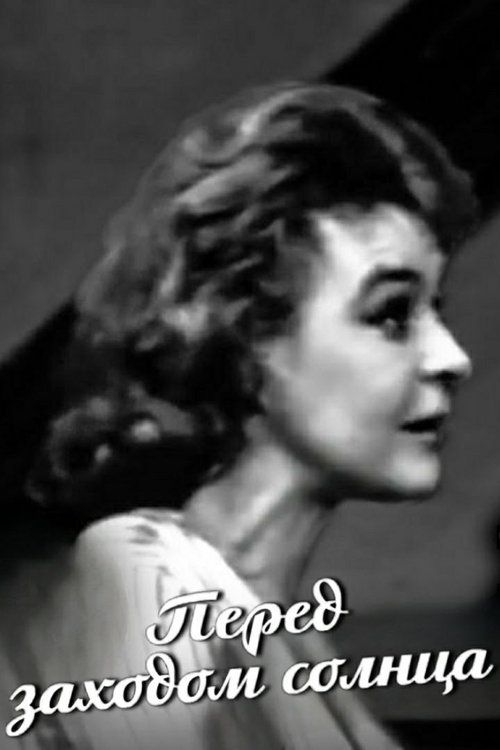
A staging of the play of the same name at the State Academic Maly Theater of the USSR.
The film tells the tragic fate of railroad guard Thiel at the end of the 19th century. Thiel, who spends his days in the dull, monotonous fulfillment of his duties, has lost his gentle, quiet wife Minna. He remarries out of concern for his young son Tobias. His second wife Lene, with whom he also has a child, is superior to him in vitality and has a rough passion. He discovers that his child from his first marriage is being discriminated against and tormented by her - Thiel withdraws more and more into himself and becomes lonely. When Tobias is killed in an accident, he blames Lene, and disaster is inevitable...
An adaptation of the Gerhart Hauptmann play of the same name. A young farmer's daughter is used and abused by the men in her life.
Die Weber (1927), a rousing German tale of the 1844 weavers’ revolution.
No description available.
Lorenz Lubota is a city clerk with no direction in life. One day on his way to work he is run over by a woman driving a chariot and he is immediately infatuated with her.
A young woman is abused or abandoned by the men in her life.
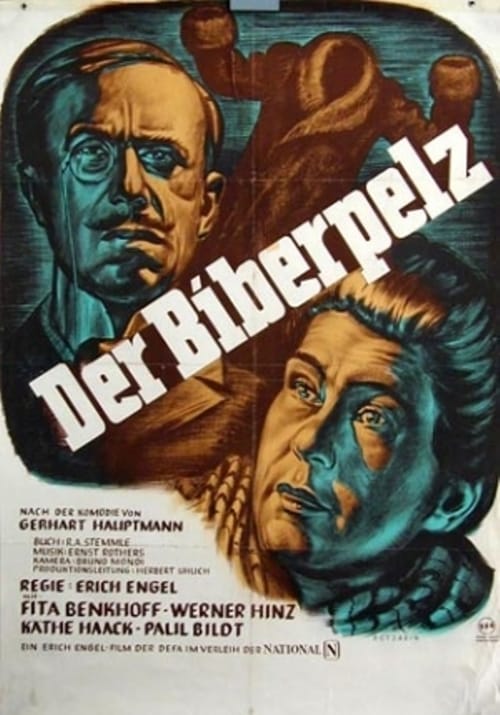
Mother Wolffen, a washerwoman, is a woman of principle: A poor man must do what he must to get through life, only he mustn't get caught doing it. All sorts of crooked deals contribute to the improvement of the daily menu and the increase of household funds. When everyone is searching for pensioner Krueger's missing beaverskin coat, Mother Wolffen and her family are calmly enjoying fresh roast venison.
The emaciated weavers deliver their homework to the factory owner Dreißiger and receive their wages, on which they cannot live and cannot die. Driven by hunger, they ask for more money, but to no avail. Only the young baker and the reservist Jäger put up a fight, and both manage to encourage a large group of weavers to revolt against the factory owner. They break into his house and destroy it, whereupon he flees. The revolt continues, the weavers move through the surrounding villages, where more people join them. A little later, the military arrives to intervene against the angry crowd and restore the old order...
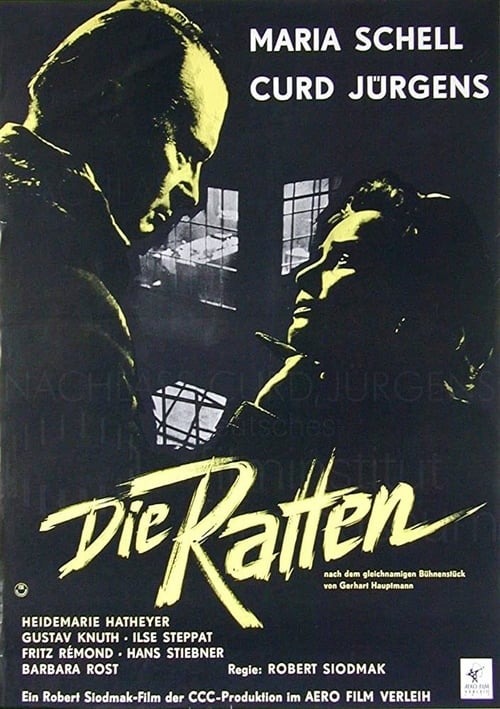
Soon after World War II, a pregnant Polish refugee, Pauline, wanders Berlin looking for the boyfriend who abandoned her. She has no option but to sell her child to another woman, Anna. After the birth, Pauline decides she wants the baby back.
Staged by the Leningrad Drama Theater named after. A.S. Pushkin.
A young domestic worker on a farm is used and abused by the men in her life.
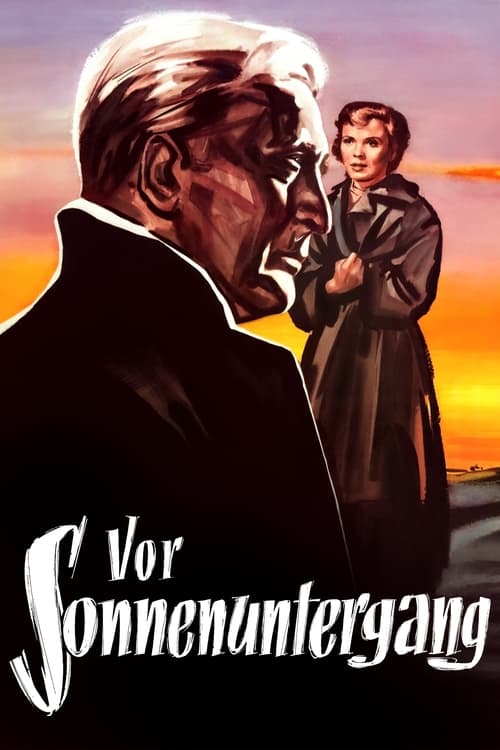
Based on a play by Gerhardt Hauptmann, the film details a bittersweet May-December romance between ageing Mathias Clausen and young, beautiful Inken Peters.
Overwhelmed by personal and professional problems, biologist Friedrich von Kammacher decides to travel abroad in order to regain the joy of living. During his adventurous journey he will meet two very different women, one of whom will be the key to his fate.