FEEL IT.STREAM
Marta Rodríguez

Marta Rodríguez

Directing

Biography

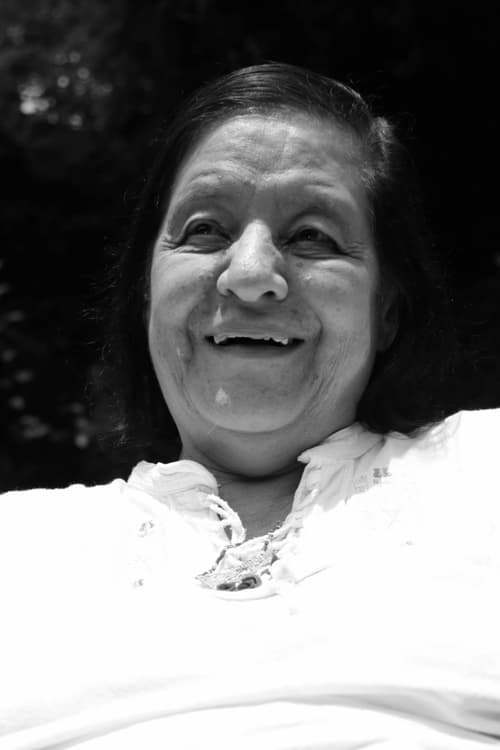
Marta Rodríguez is a pioneer of documentary film in Latin America and member of the New Latin American Cinema movement that emerged in 1968. She has positioned herself as the best and most important documentary maker in Colombia and Latin America during her artistic career of 50 years, with a filmography that boasts 18 award-winning documentaries at major film festivals.
Known For

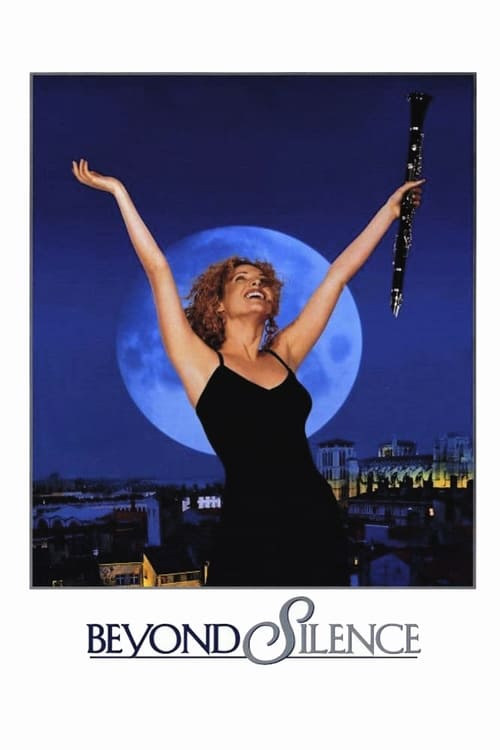
Beyond Silence
6.9

Beyond Silence is about a family and a young girl’s coming of age story. This German film looks into the lives of the deaf and at a story about the love for music. A girl who has always had to translate speech into sign language for her deaf parents yet when her love for playing music grows strong she must decide to continue doing something she cannot share with her parents.

Beyond Silence

1996
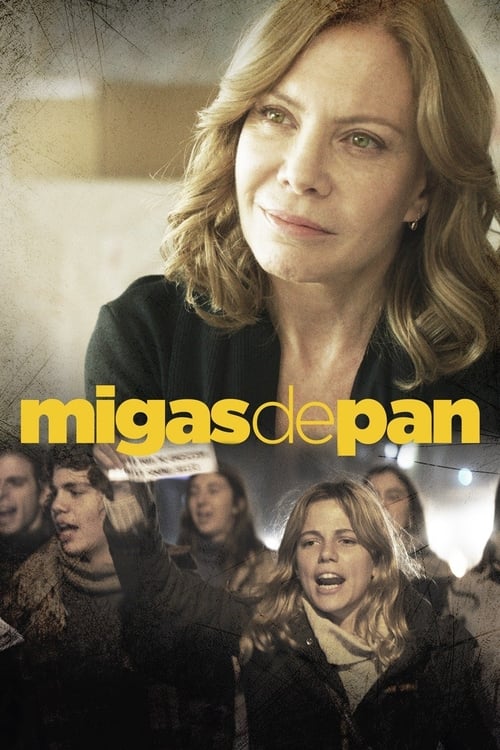
Breadcrumbs
4.9

When Liliana decides to return to Uruguay she will have to face up to a new dilemma, perhaps the last great dilemma of her life: To choose between supporting a collective case for female prisoners, raped during the time of the dictatorship, or to reconcile with her son and be able to live peacefully as a mother and a grandmother.

Breadcrumbs

2016
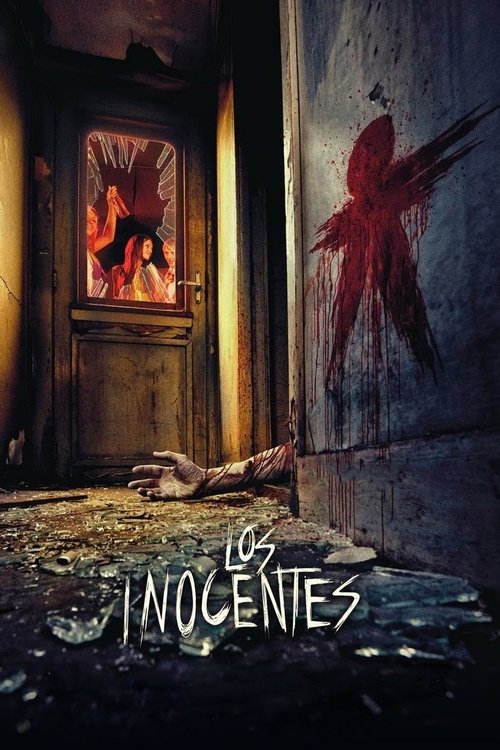
Bloody April Fools
6.2

Nine young friends get lost on their way to spending April Fools Day together. Instead of letting the entire trip go to waste, they decide to go party at an old abandoned inn called 12 Hills. Rumor has it that the place has curse that comes to life every April 1st. Despite the warnings from the locals, the friends decide to go ahead with their April Fools Day plan. It's all partying, sex and alcohol until victims of sick, deadly jokes start to appear.

Bloody April Fools

2013
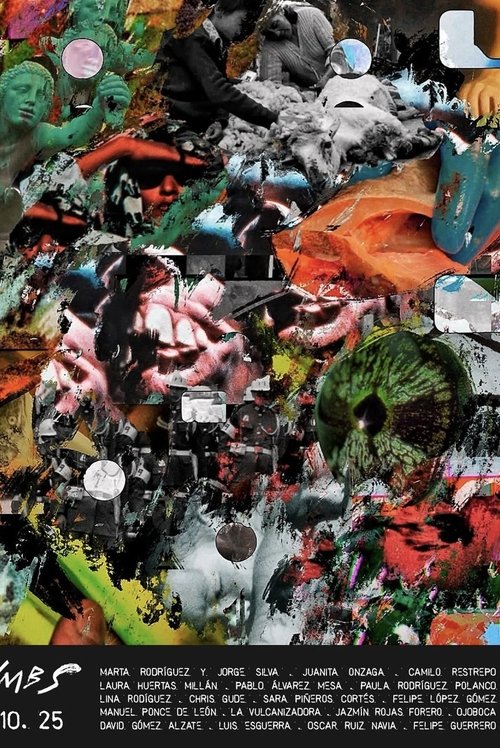
Camilo Torres Restrepo, el amor eficaz
6.0

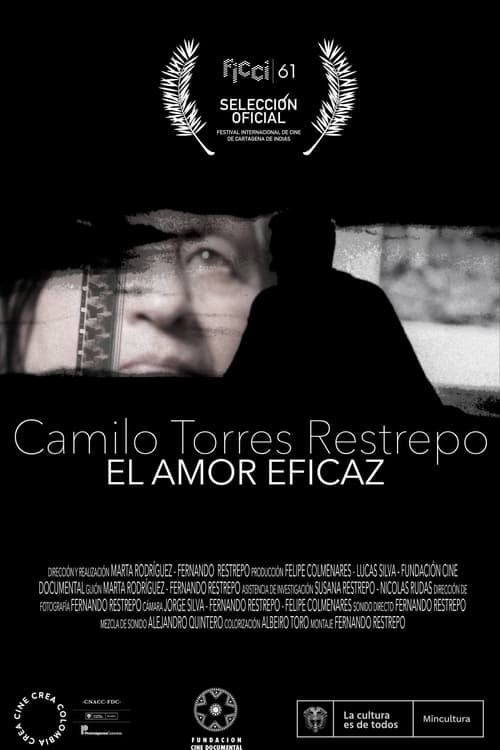
An experimental documentary that dares to gather diverse and plural audiovisual archive materials, which gives itself the possibility of creating an imaginary, but concrete, intense and profound conversation between the filmmaker Marta Rodríguez and the indefinable Camilo Torres Restrepo. A film that invents the opportunity to talk to a dead man, why yes, Camilo died, but his questions, his ideas and his effective love remain strong and powerful within Marta's life and political and artistic reflection. Who was Camilo Torres Restrepo? The documentary tries to answer this question by looking at Colombia today, analyzing it, and understanding it, perhaps a little more, in its inequalities and its constant violence. Perhaps this is the greatest legacy that Camilo left to those who are still alive.

Camilo Torres Restrepo, el amor eficaz

2022
Claves, 1: How Tasty Was My Little Frenchman
N/A

Documentary in four parts on Latin American cinema. First episode: the influences of Cahiers du cinéma, the New Wave, Italian neorealism. In Brazil, Cinema Novo draws inspiration from these models while drawing on the historical and cultural singularity of the country. The documentary was awarded the Prix Makhila d’or at the Festival de Biarritz, France.

Claves, 1: How Tasty Was My Little Frenchman

1984
Love, Women and Flowers
10.0

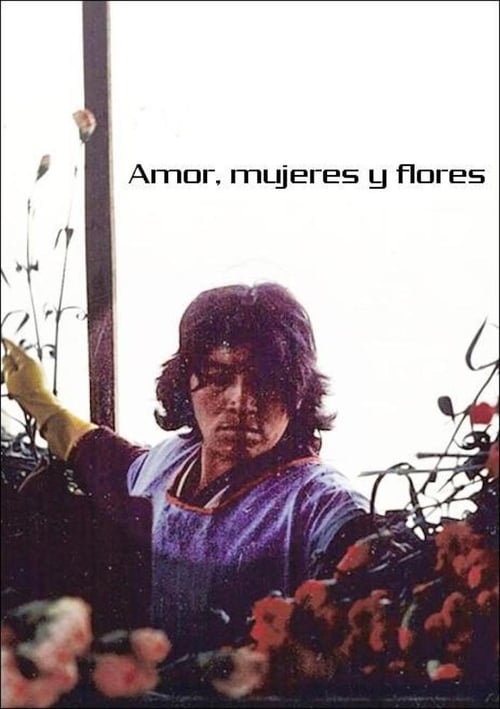
Women workers stand up to the toxic flower industry in Colombia.

Love, Women and Flowers

1988
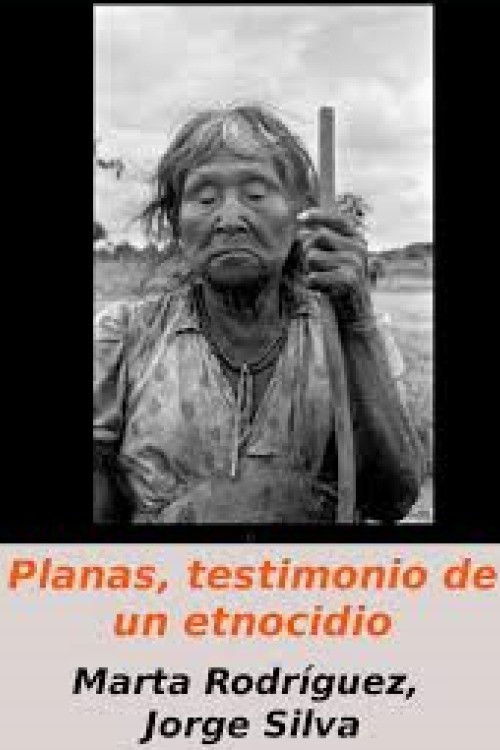
Plains: Testimony of an Ethnocide
6.7

A documentary on the massacre of Planas in the Colombian east plains in 1970. An Indigenous community formed a cooperative to defend their rights from settlers and colonists, but the government organized a military operation to protect the latter and foreign companies.

Plains: Testimony of an Ethnocide

1971
Claves, 3: Small mother country, great mother country
N/A

Documentary in four parts on Latin American cinema. Third episode: from the 1960s, France and Europe showed a real enthusiasm for Latin American cinema, but the latter remained hampered by numerous economic and political obstacles.

Claves, 3: Small mother country, great mother country

1984
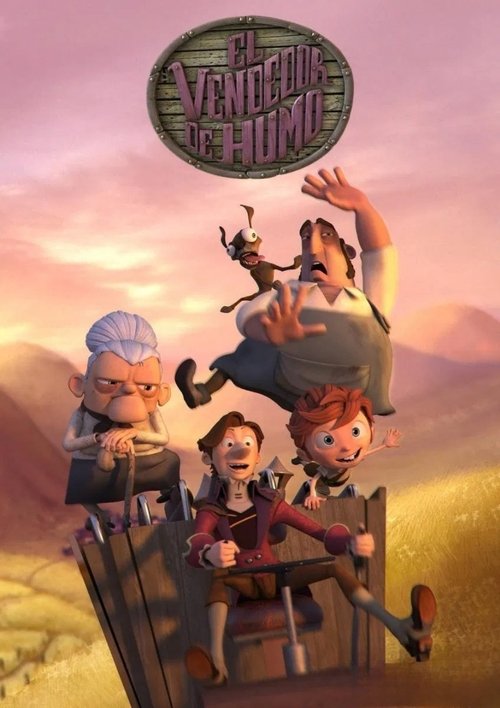
The Smoke Seller
6.7

A salesman comes to town offering an extraordinary merchandise: to realize the dreams of its inhabitants, though, for a small fee. However, the locals do not have time to fantasize, more busy with their chores.

The Smoke Seller

2012
Never Again
8.0

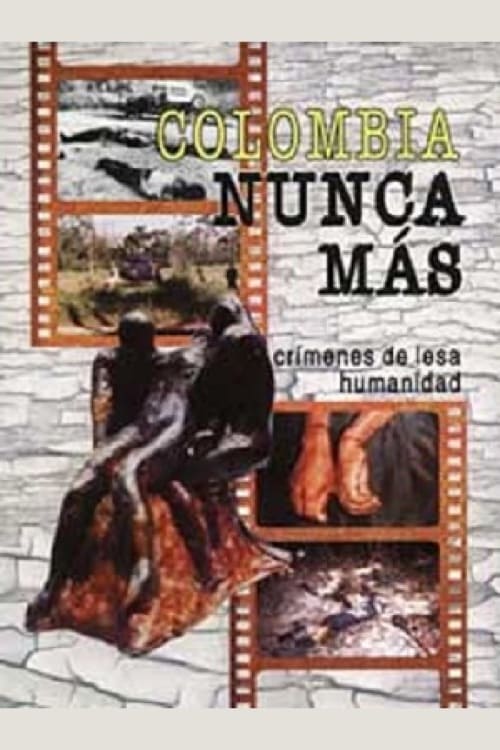
A documentary about the struggles of Colombian peasants in the province of Chocó who are caught in the middle of an armed conflict between the military, guerrillas and other paramilitary groups.

Never Again

2001
Testigos de un etnocidio: memorias de Resistencia
N/A

This documentary is the testimony of the extermination of the native peoples in Colombia during the last forty years and the struggle of these communities to conserve their lives and their culture through passive resistance. The film brings together witness statements and film archives of the nasa, guambiano, yanacona, kankuamo, embera and sicuani peoples.

Testigos de un etnocidio: memorias de Resistencia

2010
Memoria viva
N/A

No description available.

Memoria viva

1993
No hay dolor ajeno
N/A

No description available.

No hay dolor ajeno

2012
The Brickmakers
6.5

This film documents the life of a family of brick makers in the outskirts of Bogotá, using the personal experience of the Castañeda family to expose the exploitation of manual laborers. Marta Rodríguez and Jorge Silva worked on this documentary from 1966 to 1972, establishing a relationship with the family which allows the viewer an intimate look at their hardships.

The Brickmakers

1972
Soraya, amor no es olvido
10.0

No description available.

Soraya, amor no es olvido

2006
Claves, 2: We will return younger
N/A

Documentary in four parts on Latin American cinema. Second episode, evoking the border between fiction and documentary. With his film Tire dié (1960), the Argentinian Fernando Birri proposed this manifesto: to create a realistic and critical national cinema, closer to society without falling into populism.

Claves, 2: We will return younger

1984
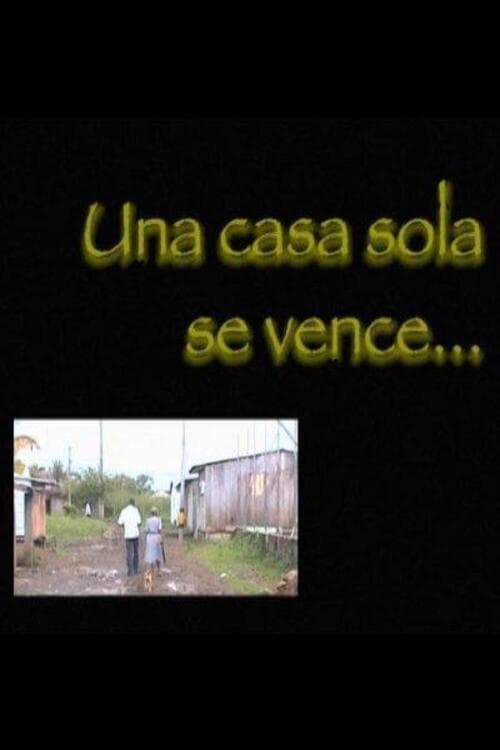
Una casa sola se vence
10.0

No description available.

Una casa sola se vence

2004
Our Voice of Earth, Memory and Future
6.9

The struggles of the community of the Coconuco indigenous reservation in Cauca, which by the eighteenth-century royal card is entitled to 10,000 hectares, and in 1971 it barely has 1,500.

Our Voice of Earth, Memory and Future

1982
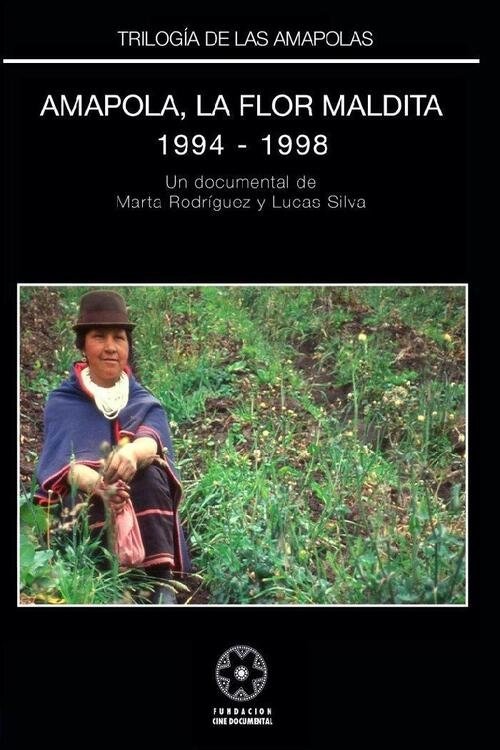
Amapola: la flor maldita
N/A

No description available.

Amapola: la flor maldita

1998
Los hijos del trueno
N/A

No description available.

Los hijos del trueno

1998