FEEL IT.STREAM
Boudjemaâ Karèche

Boudjemaâ Karèche

Acting

Biography

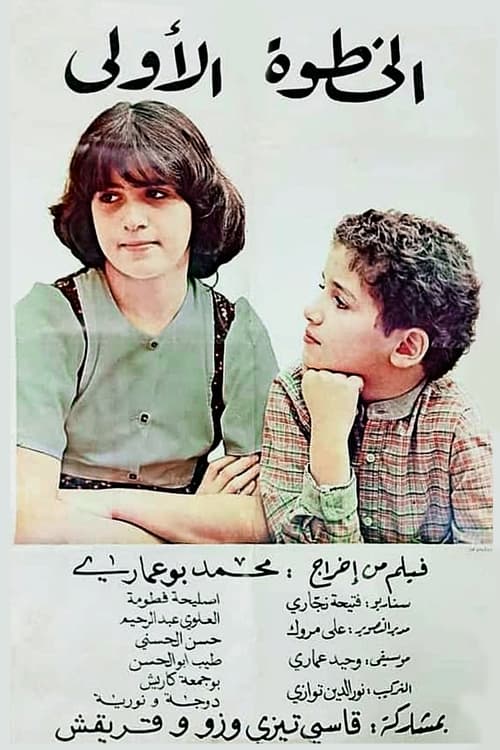
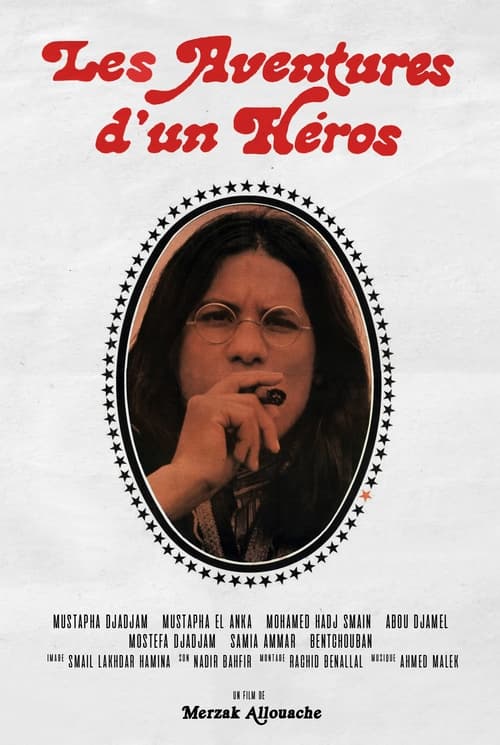
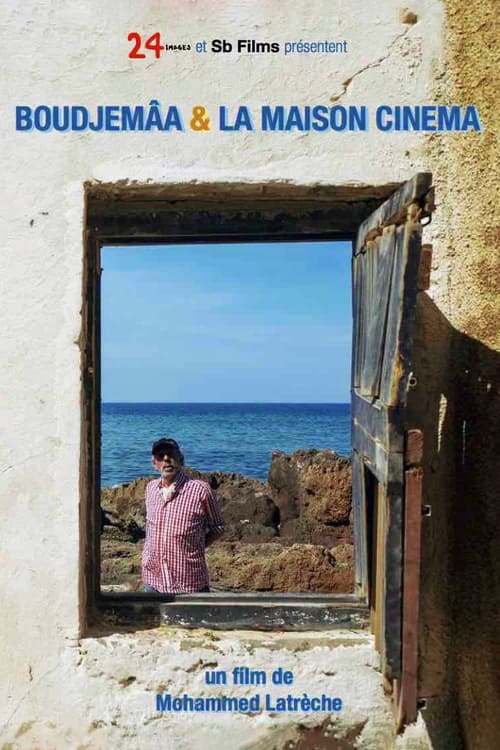
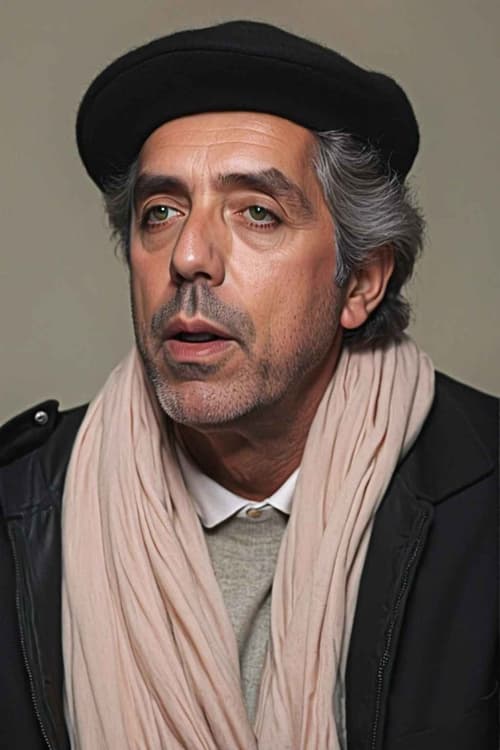
Boudjemaâ Karèche, born in 1941, is a law graduate from the Faculty of Algiers. Host of the Algerian Cinematheque since 1971, he was appointed director there from 1978 to 2003, succeeding its founder, Ahmed Hocine. This mecca of culture, debate and freedom, known to film buffs around the world, embraces the history of Algeria. Two private cinemas adjoin the cinema library. In 1995, in the midst of the civil war, bombs devastated them, causing eight deaths and many injured. The Algiers Cinematheque has never suspended a screening. In addition to his activity as a curator and his numerous participations on international festival juries, Boudjemaâ Karèche has made several appearances as an actor in films by Merzak Allouache ("The Adventures of a Hero", "The Man Who Watched the windows") and Mohamed Bouamari ("First Step"). In 2005, he published the book "Un Jour, Un Film" (Editions Jazz, Algiers), a collection of old articles written for the Algerian daily newspapers Le Matin and Liberté. In 2009, Boudjema Karèche published "Juste Un Mot", then in 2013 "L'Héritage Du Charbonnier", a story about the life and work of the Algerian filmmaker Mohamed Bouamari who died in 2006. In 2021, the “Cinéma Mémoire” collective is putting a series of master classes hosted by Boudjemaâ Karèche “Boudjemaâ Karèche: L’Instinct Du Cinéma” online on the Viméo platform.
Known For

Algeria's Bloody Years
8.5

Documentary series in two parts: 1. A people without a voice (80'), 2. A land in mourning (78'). Part 1: A people without a voice: October 88, the Algerian Republic is faltering, the film goes back to the sources of this tragedy and explains how the face to face between the Islamists and those in power began. The interruption of the legislative elections of December 91, followed shortly after the assassination of President Boudiaf in June 92, plunged Algeria into chaos. Part 2: A land in mourning: the cycle of violence that leads to massacres and the economic and geopolitical underside of the war. More than 100,000 deaths, an incredible degree of barbarity, massacres, apparently incomprehensible... Behind the official window of power and its artificial political scene, hides a shadow power.

Algeria's Bloody Years

2002Movie
Regards D'en Face - Alger
10.0

It is with the architect Jean-Jacques Deluz, that we visit Algiers, "his city" since 1960 and that he left only two years during the worst moments of terrorism. From the Casbah, in the 19th century center, including the cities of Fernand Pouillon and Bab El Oued to arrive at the new city of Maelma which he built today. Tender look, but without concessions at the same time architectural promenade and meetings with actors of art and culture: Djamel Allam, the singer Kabyle, Djamel Amrani, the poet, friend of Jean Sennac, Mohamed Ben Gettaf, Dramaturge and director of the theater of Algiers, Souad Delmi-Bourras, young designer Boudjemàa Kareche, director of the Algerian cinema, Amine Kouider, conductor, who relaunches the opera in Algeria, the painter Malek Salah, and others. A look at Algeria and the Algerians, far from the clichés of certain media, the bias being to seek signs of hope rather than "blood and tears".

Regards D'en Face - Alger

2003Movie
My Story Is Not Yet Written
10.0

Jacqueline Gozlan - who left Algeria with her parents in 1961 - nostalgically retraces the history of the Algiers Cinematheque, inseparable from that of the country's Independence, through film extracts and numerous testimonies; notably that of one of its creators, Jean-Michel Arnold, but also of filmmakers such as Merzak Allouache and critics such as Jean Douchet. A place of life for Algerians, the Cinémathèque was the hub of African cinemas. Created in 1965 by Ahmed Hocine, Mahieddine Moussaoui and Jean-Michel Arnold, the Cinémathèque benefited from the excitement of Independence. The Cinematheque becomes a meeting place for Algiers society, future filmmakers find their best school there. In 1969, the Algiers Pan-African Festival brought together all African filmmakers, and from 1970, Boudjemâa Kareche developed a collection of Arab and African films.

My Story Is Not Yet Written

2017Movie