Werner Schroeter
Directing
Biography
Werner Schroeter (7 April 1945 – 12 April 2010) was a German film director, screenwriter, and opera director known for his stylistic excess. Schroeter was cited by Rainer Werner Fassbinder as an influence both on his own work and on German cinema at large. Description above from the Wikipedia article Werner Schroeter, licensed under CC-BY-SA, full list of contributors on Wikipedia.
Known For
No description available.
3 nach 9
No description available.
German Film Award
Annual awarding of the Grimme Awards.
Grimme Award

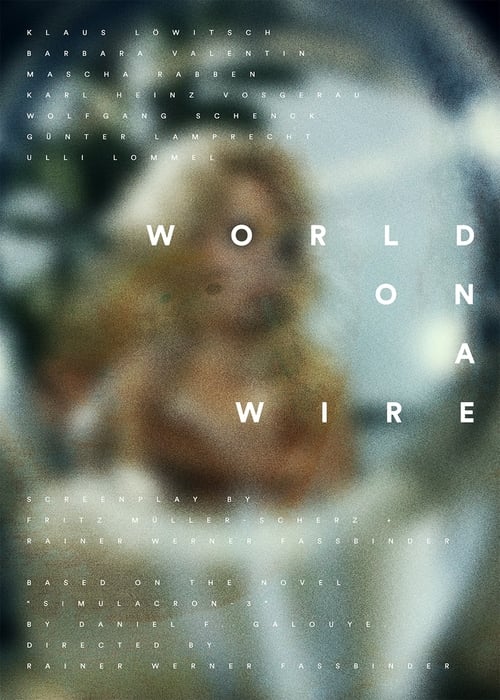
In the future, Simulacron, a computer project simulating reality, encounters strange occurrences after its leader's death. Dr. Stiller questions the sudden disappearance of a friend and wonders if Simulacron holds the answers.
World on a Wire
No description available.
Zeil um Zehn

An unusual story of a triangular relationship in Vienna. A woman shares an apartment with a man named Malina. The woman meets Ivan and falls under his spell. It will be her last great passion. Her feelings are so strong and all-encompassing that Ivan can neither understand nor return them.
Malina

Film director Jeff and his lead actor are taking their time getting to set. In their absence, the crew lack a purposeful way to spend their time waiting, so they drink heavily. However, as booze is downed and frustration sets in, morale hits rock bottom.
Beware of a Holy Whore

Werner Schroeter was one of the most significant proponents of New German Cinema. Schroeter was diagnosed with cancer in 2006. In her film, Elfi Mikesch, who photographed a number of Schroeter’s films and who collaborated closely with him to create his vision, provides us with an intimate insight into Schroeter’s artistic output during the remaining four years of his life.
Mondo Lux: The Visual Worlds of Werner Schroeter

Werner Schroeter directed this dark and surreal tale of a man determined to save a lost lover from a grim fate at the hands of a violent mob. The city of Santa Maria is falling into chaos as an armed military faction is poised to take power in a coup d'etat. Ossorio used to call Santa Maria home, and he has returned in its darkest hour to find the woman he loves, hoping to rescue her from the violence that is lurks around the corner. As Ossorio searches for his love, he meets Victoria in a shabby hotel, who in turn introduces him to her father Barcala, who for the right price is willing to take Ossorio and another passenger away on his boat. While Ossorio is willing to pay Barcala what he wants, can he find the mysterious woman before the ship sets sail?
This Night

"The film starts with a shot of a cassette recorder, and it has a juke box in it. There’s always music in it. When I was asked by some critics at a festival press conference what the film was all about, I said 'it’s about the song All Along The Watchtower, and the film is about what happens and what changes depending on whether the song is sung by Bob Dylan or by Jimi Hendrix.'" Well, both versions of the song appear in the film, and everybody thought I was pretty arrogant to explain the story this way. But the film really is about the difference between the Dylan version of All Along the Watchtower, and the Jimi Hendrix Version. One is at the beginning and one is at the end." – Wim Wenders
Alabama (2000 Light Years)

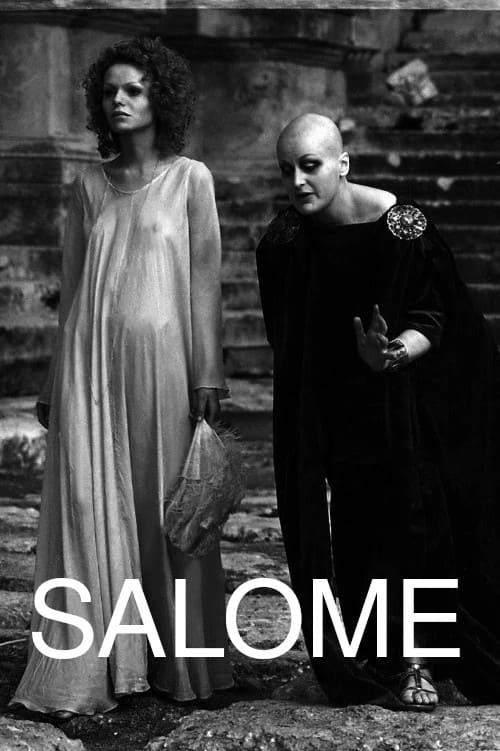
Schroeter's virtuosic staging of the Oscar Wilde tragedy is a complex montage of image and sound, filmed on the grand steps of Baalbeck, the ancient Roman temple in Lebanon, and interweaving Lebanese and German folk songs with the music of Verdi, Wagner, Strauss, Mozart, Bellini, and Donizetti. Elfi Mikesch, the cinematographer of Schroeter’s later films, designed the film’s sumptuous costumes. A contemporary critic for Le Monde wrote admiringly of Schroeter’s depiction of "the deadly struggle between dark Christian morality and luminous paganism.“
Salome

Werner Schroeter's rhapsody of excess leaps from 1949 Cuba to contemporary France to points in between, while its feverishly shifting visual style evokes and parodies everything from kitschy Mexican telenovelas to silent French art films.
Gold Flakes

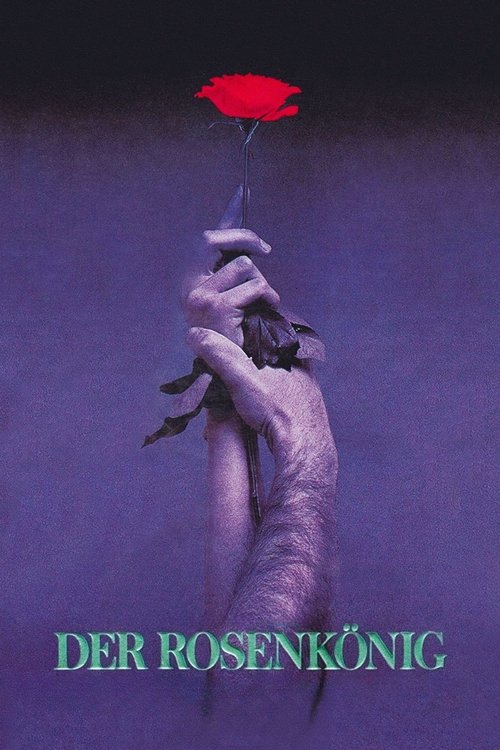
A mentally unstable woman and her son move to a sprawling mansion in Portugal to grow roses.
The Rose King

After reading a postcard that her mother let go in the wind, a woman learns that she has a twin.
Deux

An impoverished young man from Sicily travels to Wolfsburg, West Germany to find work. He takes a job in the Volkswagen factory after he travels through Northern Italy by train.
Palermo or Wolfsburg

Personal diary-style documentary of German Gay rights activist Von Praunheim's sojourn in the US.
Army of Lovers or Revolt of the Perverts

Thirty years of Neapolitan history (from 1942 to 1972) through the ups and downs of the Cavioli and Pagano families.
The Kingdom of Naples

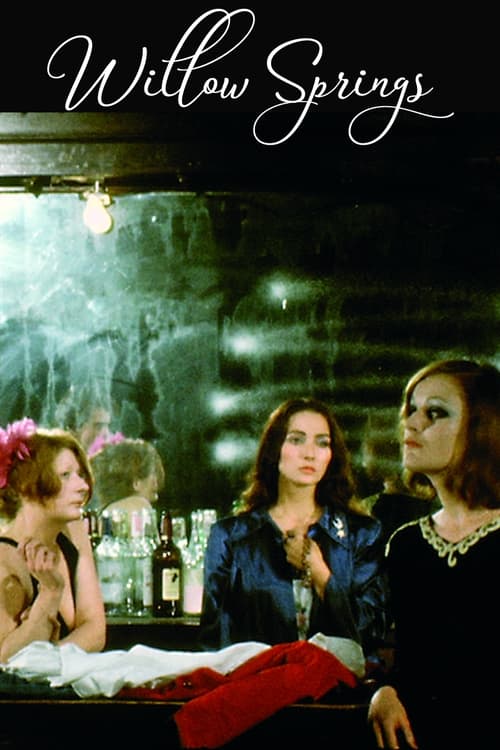
Living together in an isolated house, three women go to murderous lengths to keep strangers out of their private retreat.
Willow Springs

A woman experiences psychic disintegration and ends up in a psychiatric hospital.
Day of the Idiots

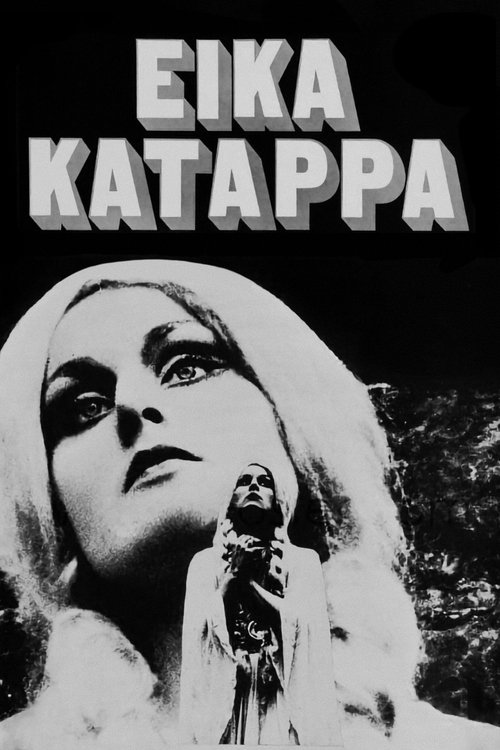
With the ascetic grandeur of Carl Th. Dreyer’s The Passion of Joan of Arc, Schroeter evokes the visions of Saint Joan, partly through unused footage of Darling and Caven pantomiming in his 1972 film The Death of Maria Malibran. - MoMA