FEEL IT.STREAM
Edwin S. Porter

Edwin S. Porter

Directing

Biography

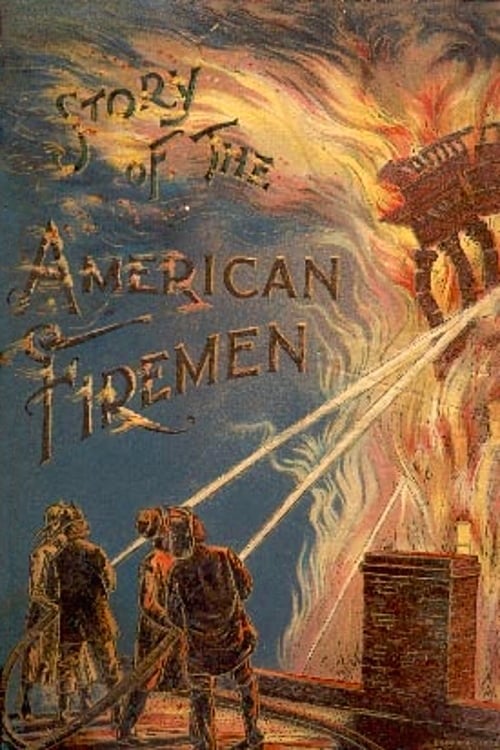
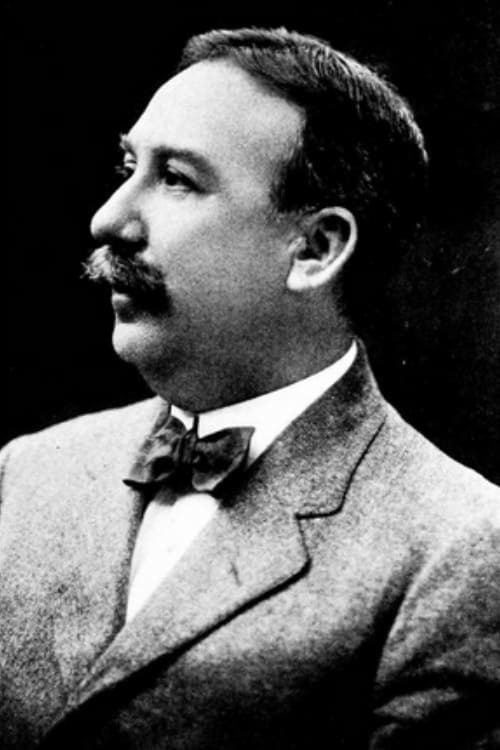
Edwin Stanton Porter was an American film pioneer, most famous as a producer, director, studio manager and cinematographer with the Edison Manufacturing Company and the Famous Players Film Company. Influenced by both the "Brighton school" and the story films of Georges Méliès, Porter went on to make important shorts such as Life of an American Fireman (1903) and The Great Train Robbery (1903). In them, he helped to develop the modern concept of continuity editing, paving the way for D.W. Griffith who would expand on Porter's discovery that the unit of film structure was the shot rather than the scene. Porter, in an attempt to resist the new industrial system born out of the popularity of nickelodeons, left Edison in 1909 to form his own production company which he eventually sold in 1912. Porter remains an enigmatic figure in motion picture history. Though his significance as director of The Great Train Robbery and other innovative early films is undeniable, he rarely repeated an innovation after he had used it successfully, never developed a consistent directorial style, and in later years never protested when others rediscovered his techniques and claimed them as their own. He was a modest, quiet, cautious man who felt uncomfortable working with the famous stars he directed starting in 1912. He has directed four films that have been selected for the National Film Registry by the Library of Congress as being "culturally, historically or aesthetically" significant: Life of an American Fireman (1903), The Great Train Robbery (1903), Dream of a Rarebit Fiend (1906) and Tess of the Storm Country (1914).
Known For

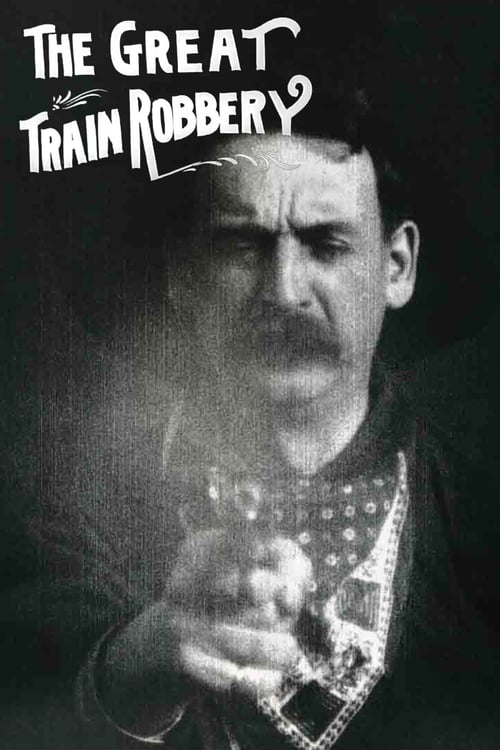
The Great Train Robbery
7.0

After the train station clerk is assaulted and left bound and gagged, then the departing train and its passengers robbed, a posse goes in hot pursuit of the fleeing bandits.

The Great Train Robbery

1903
No image
9.0

Klingsor seeks admission to the Holy Grail. Evil summons Kundry. Herzeloid appears with the child Parsifal. Crowning of Amfortas. Wounding of Amfortas. Carrying Amfortas to his bath. Kundry brings relief to Amfortas. Parsifal reproached for killing the Swan. Kundry succumbs to Evil. Knights entering the Holy Grail. Parsifal unmoved. Klingsor summons Kundry. Parsifal enters the Magic Garden. Kundry kisses Parsifal. Parsifal calls upon the Saviour. Parsifal repulses Kundry. Klingsor hurls the Sacred Spear. Destruction of the Magic Garden. Guernemanz restores Kundry. Parsifal appears with Sacred Spear. Kundry washes Parsifal's feet. Amfortas tears open his wound. Parsifal heals Amfortas. Parsifal becomes King of the Holy Grail.

Parsifal

1904
No image
3.9

Marguerite is seated in front of the fireplace, Faust standing by her side. Mephistopheles enters and offers his sword to Faust, commanding him to behead the fair Marguerite. Faust refuses, whereupon Mephistopheles draws the sword across the throat of the lady and she suddenly disappears and Faust is seated in her place.

Faust and Marguerite

1900
In the Bishop's Carriage
1.0

A lost film. A successful stage actress with a hidden past as a criminal is kept on the path of righteousness by a benefactor.

In the Bishop's Carriage

1913
No image
10.0

An artist is painting a sunrise at sea. After a few finishing touches he stands back and admires the painting. The sun immediately commences to rise. From all appearances it becomes very warm as the sun rises, and the artist is seen to throw open the window and fan himself furiously. The climax is reached when the artist rushes from the room and returns with a large tub of water and a pair of tongs. Seizing the sun as it soars in the air he plunges it into the tub, causing a great cloud of steam to rise.

Animated Painting

1904
Laughing Gas
5.4

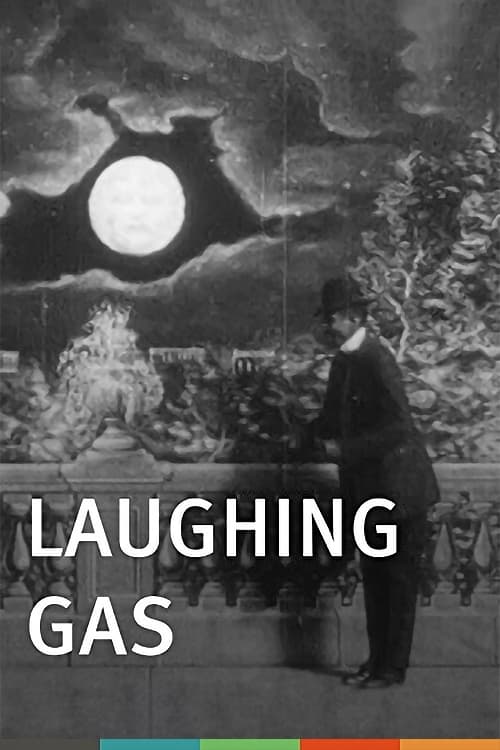
A woman goes to the dentist for a toothache and is given gas. On her way home on the subway she can't stop laughing, and every other passenger catches the laughter from her.

Laughing Gas

1907
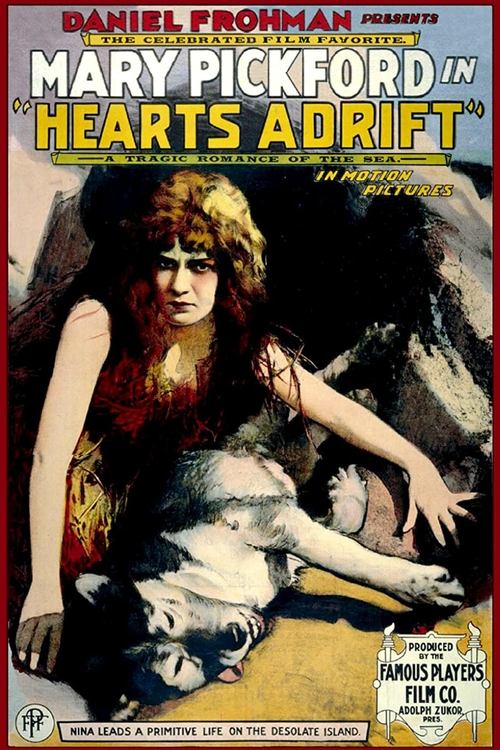
Hearts Adrift
N/A

A lost film. A man and a woman are shipwrecked on a desert island. It doesn't take long before they fall in love and, figuring that they would never see civilization again, declare themselves married and eventually have a child. One day, however...

Hearts Adrift

1914
Rescued from an Eagle's Nest
5.5

A woodsman leaves a hut followed by a woman with their baby. Nearby some men chop down a tree. The baby is left outside the hut, but an eagle flies away with it.

Rescued from an Eagle's Nest

1908
Sunshine Sue
N/A

A country girl follows a city suitor, but is left alone and must fend for herself.

Sunshine Sue

1910
The 'Teddy' Bears
5.7

A combination of the story of Goldlocks and the Three Bears with the true story of how Teddy Roosevelt spared a bear cub after killing its mother while hunting, an event which led to the popularization of the teddy bear. Goldilocks goes to sleep in the bears' home after watching six teddy bears dance and do acrobatics, viewing them through a knothole in the wall. When she is awoken by the returning bear family, they give chase through the woods, but she runs to the aid of the Old Rough Rider, who saves her.

The 'Teddy' Bears

1907
No image
4.0

Vesta Victoria Sings 'Poor John'.

Poor John

1907
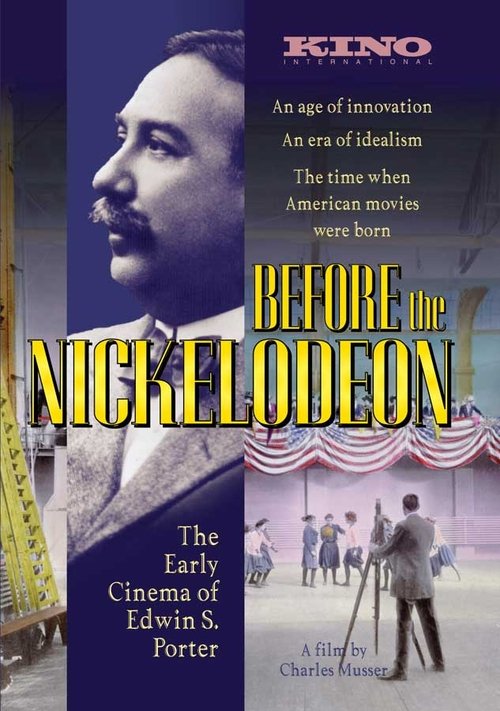
Before the Nickelodeon: The Cinema of Edwin S. Porter
6.1

A documentary overview of the career of silent cinema pioneer Edwin S. Porter.

Before the Nickelodeon: The Cinema of Edwin S. Porter

1982
No image
5.6

"Nothing new, but an old thing done over again and done well. Some one has attempted to describe a kiss as "something made of nothing," but this is not one of that kind, but one of those old fashioned "home made" kind that sets the whole audience into merriment and motion, and has always proven a popular subject. It is very fine photographically and an exhibit is not complete without it." -Edison film catalog.

The Kiss

1900
The Gay Shoe Clerk
5.5

A woman being fitted for shoes exposes her ankle to the shoe clerk, who is intrigued. He kisses her, but her chaperone hits him with her umbrella.

The Gay Shoe Clerk

1903
A Good Little Devil
N/A

A partially lost film, with only one surviving reel. A movie released in 1914 directed by Edwin S. Porter.

A Good Little Devil

1914
Alice's Adventures in Wonderland
6.3

Made by the Edison Manufacturing Company and directed by Edwin S. Porter, the film starred Gladys Hulette as Alice. Being a silent film, naturally all of Lewis Carroll's nonsensical prose could not be used, and, being only a one-reel picture, most of Carroll's memorable characters in his original 1865 novel similarly could not be included. What was used in the film was faithful in spirit to Carroll, and in design to the original John Tenniel illustrations. Variety complimented the picture by comparing it favorably to the "foreign" film fantasies then flooding American cinemas.

Alice's Adventures in Wonderland

1910
No image
3.0

Buster Brown creater R.F. Outcault sketches his creation. Part of the Buster Brown series for Edison film studio.

R. F. Outcault Making a Sketch of Buster and Tige

1904
The Price
5.7

Pretty Ann, and Joe, the hostler, one day chance to meet. Strong is Joe, and simple, and Ann is shy and sweet. As man and maid have done before, they love, and marry, too. And live happy ever after? Ah, this tale is new to you! Yes, the tale is drear, prosaic; and so poetry won't do. A baby boy comes to bless the union. Joe is working in the stables when they tell him of his joy: his heart is gay and happy, and he tells the horses so. Then, it might be the angels were jealous of such mortal happiness; it might be the devil, seeing the stage so set, entered to play the leading role.

The Price

1911
A Child of the Ghetto
4.5

After her mother's death, Ruth struggles to support herself as a seamstress. While Ruth delivers shirts to the factory owner, the owner's son steals some money and Ruth is accused of the crime. She flees the ghetto of New York's Lower East Side and hides in the country where she meets a young farmer.

A Child of the Ghetto

1910
No image
7.5

Opens with a woman posing on a pedestal, dressed in a white body leotard with a sash tied at her hips. Marshall continues with various feminine poses, reminiscent of classic Greek statuary, to accentuate her figure. Film cuts to Treloar posed on the bare stage without a pedestal. He wears brief leopard-skin trunks or short tunic, wrist bands, and Roman-looking laced sandals. His poses accentuate the muscular development of his upper body, particularly that of his arms, and include movements that make the muscles jump. Treloar finishes with a slight nod to the camera.

Treloar and Miss Marshall, Prize Winners at the Physical Culture Show in Madison Square Garden

1904