Raïna Raï
Sound
Biography
Raïna Raï (Arabic: راينا راي) is an Algerian raï music group. Originally from Sidi Bel-Abbès, their style of music mixes raï, rock and diwane. It merges traditional rhythms and instruments with rock instruments. His most popular hits include: "Zina", "Hagda" and "Til Taila"... The Raïna Raï group was created in December 1980 in Paris by four musicians from Sidi Bel Abbès in Algeria. This group was launched by former singers of the groups Les Aigles Noirs and Les Basiles under the leadership of Tarik Chikhi. He made his appearance during a support concert on Radio Soleil radio station. Its founding members are Tarik Naïmi Chikhi, Kaddour Bouchentouf, Lotfi Attar and Hachemi Djellouli. A few months later, Raïna Raï joined Djilali Rezkallah as a singer, replacing Kada. They cover old songs from the group Les Aigles Noirs and others like the hit “Zina” by singer Kadri Dziri and “Hmama” by Blaoui Houari. Raïna Raï released her first album in 1982, "Ya Zina Diri Latay", then the following year a second, "Hagda". In 1985, he released his third album, "Rana Hna". In 1985, the legendary Algerian group Raïna Raï disbanded. Lotfi Attar, guitarist and founder of Raïna Raï created with his wife Hamida, the group Amarna, for which he composes the music, she will be the lyricist. The texts created by Hamida Attar for Amarna were inspired by lyric poetry and Djilali Amarna will be the singer of the group. Amarna will publish four albums: "Chouli" (1986) "Saf" (1986), "Waïle" (1987) and "El Ghaba" (1989). Hachemi Djellouli, returned from France, joins Amarna. For a while, they composed under the name of Lotfi and Hachemi. Amarna recorded a lot of success and during the dark decade in Algeria, Lotfi and his group took risks by going on stage all over Algeria. Raïna Raï group reformed in 2001, and released the premonitory album entitled "Bye Bye" which concluded a long break in the history of the group. The same year, Lotfi Attar formed the “New Amarnas” troupe. The group was made up of young artists, but was unable to establish itself on the front of the stage. The group reformed in 2011 with new sounds. The group has never stopped recomposing itself since its creation, through numerous separations and reformations. The group's notoriety then goes beyond the borders of Algeria, the group is listened to all around the world. The group's historic singer, Djilali Rezkellah (aka Djilali Amarna) died in 2010. Tarik Chikhi, one of the group's founders, died in 2019. Raïna Raï is today considered a pioneer of modern raï sometimes called "electric raï". Throughout her existence Raïna Raï will publish 6 studio albums: "Raïna Raï" 1982, Production Sadi Disques, "Hagda" 1983, self-production (HTK Productions), "Rana Hna" 1985, Édition Rachid & Fethi, "Mama" 1988, Edition Rachid & Fethi, "Zaama" 1993, Musidisc, "Bye Bye" 2001, Lazer Production.

Known For

A police officer who's transfered in the police of Marseille gets assigned to take down a group of Italian robbers who drive the powerfull Ferrari's with the older niece of Daniel, a terrible driver who gets the legendary white taxi.
Taxi 5

Amin, an aspiring screenwriter living in Paris, returns home for the summer, in Sète, South of France. It is a time of reconnecting with his family and his childhood friends. Together with his cousin Tony and his best friend Ophélie, he spends his time between the Tunisian restaurant run by his parents, the local bars and the beaches frequented by girls on holiday.
Mektoub, My Love: Canto Uno

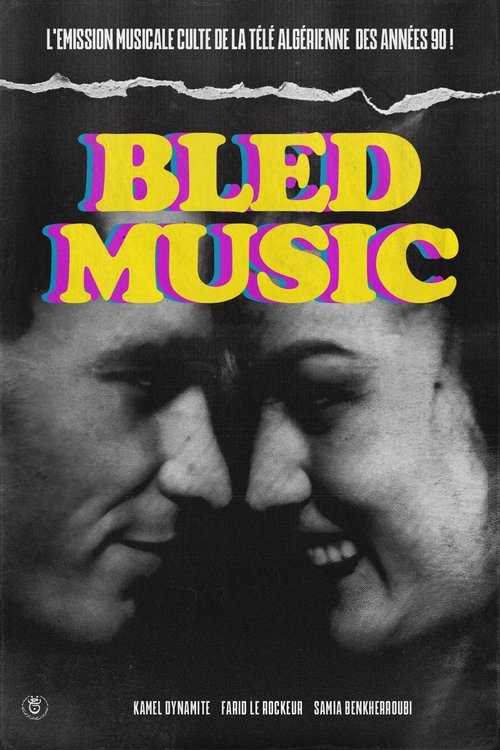
"Bled Music" is an Algerian musical television program broadcast on ENTV between 1991 and 1992. directed by Aziz Smati and presented by Kamel Dynamite, Farid Rockeur and Samia Benkherroubi. The show, with its irreverent tone, was very popular and had a significant impact on the Algerian music scene, allowing the emergence of many artists including Chaba Fadela, Cheb Sahraoui, Cheb Anouar and Mohamed Lamine. A ranking of music videos by popularity and relied on fans sending their votes by mail. At the end of the 1980s, unrest broke out in Algeria which led the country into a Black Decade. At this time, fundamentalist groups attempted to ban music and most other forms of artistic expression. The show continued to air despite death threats, but on February 14, 1994, Aziz Smati was shot in both legs by a young extremist, which ultimately led to the end of the show .
Bled Music

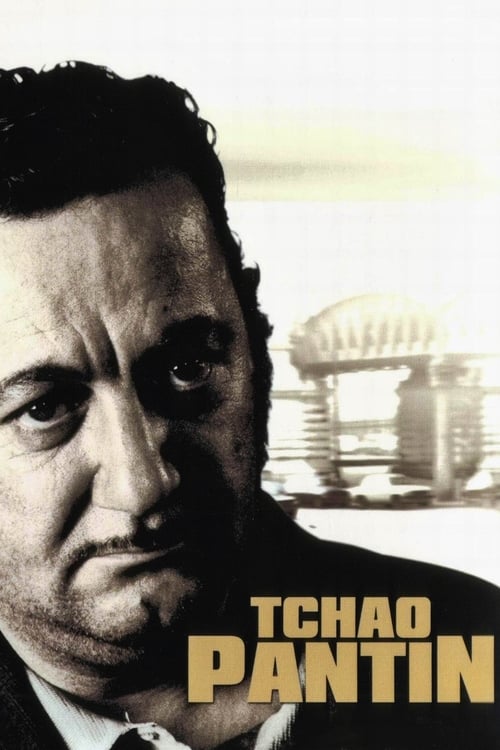
In the 18th Arrondissement of Paris, Lambert, an aloof garage manager working the night shift at a petrol station spends his time drinking on the job, content in his own company. One night, Bensoussan, a small-time drug pusher in dire straits falls in on a stolen moped pretending to need a spark plug. The two men develop an unlikely friendship.
So Long, Stooge

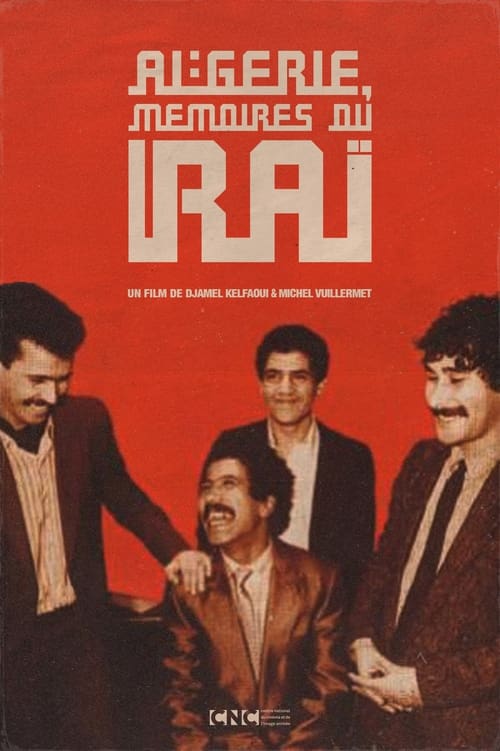
In the 1980s, Algeria experienced a tumultuous social context which reached its peak during the riots of October 88. This wave of protest, with youth as its figurehead, echoed the texts of raï singers. Thirst for freedom, misery of life and the aspirations of youth are among the main themes of their works which will inspire an entire generation. More than music, raï celebrates the Arabic language and becomes a vector of Algerian culture, thus providing the cultural weapons of emerging Algerian nationalism With Cheb Khaled, Cheb Mami and Chaba Fadela as leaders of the movement, raï is also a way of telling and reflecting the essence of Algeria in these difficult times. While the threat weighs on artists in Algeria, their exile allows raï to be exported internationally and thus, to bring the colors of Algeria to life throughout the world.
Algeria, Memoirs of Raï

The Barons have a motto: "slack off more to live longer." Every human being is born with a credit of steps. Every step you take brings you closer to death. We Barons know this from the start.
Les Barons

Algeria today. Past and present collide in the lives of a newly wealthy property developer, a young woman torn between the path of reason and sentiment and an ambitious neurologist impeded by wartime wrongdoings. Three stories that plunge us into the human soul of a contemporary Arab society.
Until The Birds Return

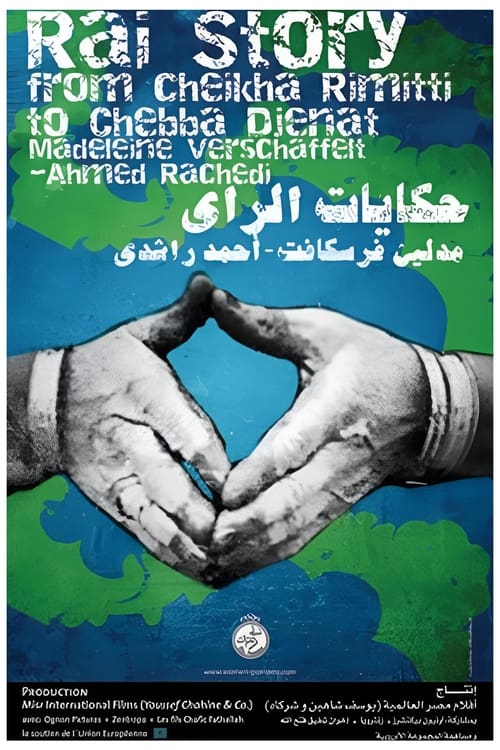
Raï Story is a musical journey in search of the Raï legend, Cheikha Remitti, in Oran, Algeria, where the Raï musical tradition began. In 1923, the first Raï singers performed behind screens during ceremonies to protect their identity. It was only when the music of singer Cheikha Remitti began to gain popularity among the general public that Raï music was made public, in the 1940s. Cheikha Remitti, who lives between Paris and Oran, is nowhere to be found, the filmmakers then decide to meet producers, musicians, singers like Cheba Dalila or Cheba Djenet, for whom Remitti created a wake. The opportunity, through these unique stories, illustrated with archive images, to retrace the important place of women in this musical tradition and the transformation of Raï music from the 1960s to 2000.
Raï Story: From Cheikha Rimitti to Cheba Djenet

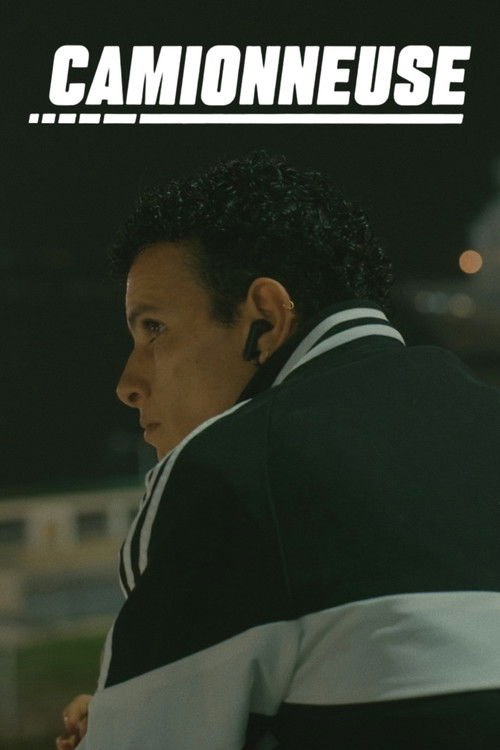
Zina left Algeria to fulfill her childhood dream of driving trucks. At every turn, her cabin becomes a space of freedom and the highway a battlefield.