Directing
No description available.
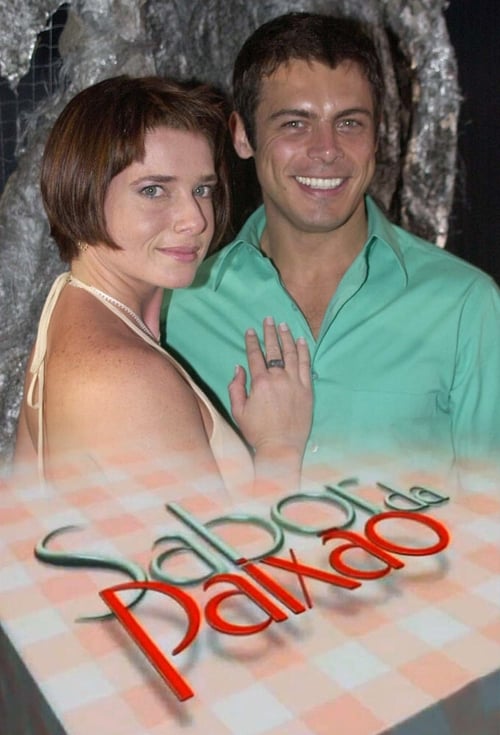
The telenovela tells the love story of Diana and Alexandre in Rio de Janeiro in 2002, where gastronomy, music, and dance play a prominent role. Defined as a realistic romantic comedy, the plot revolves around Diana's struggle to recover the lands inherited by her family in Portugal, which are illegally occupied by Zenilda Paixão, Alexandre's mother. In love with Alexandre, Diana breaks off her engagement with Nelson. After some misunderstandings and missed encounters, she sees her beloved again, but a tragedy prevents a new meeting: the death of her father, the Portuguese Miguel Maria Coelho. Before dying, the owner of the Flor do Douro bar/restaurant asks his eldest daughter to take care of her mother, Cecília, and her sisters Laiza, Teca, and Madona.
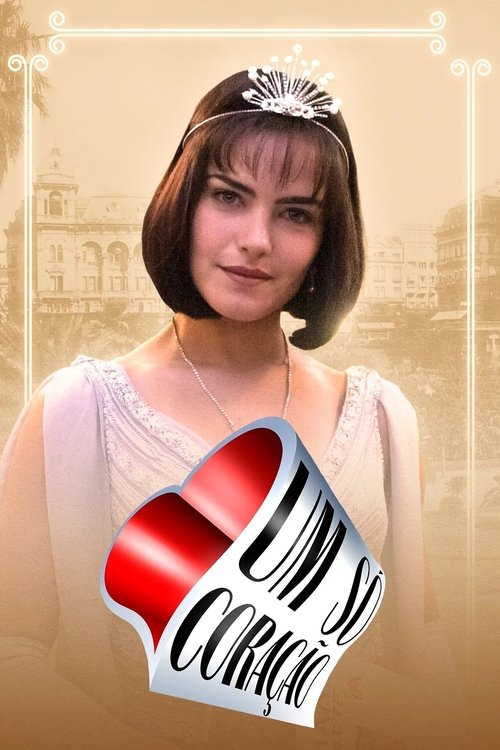
The story takes place between the 1920s and 1950s in Greater São Paulo. Going through historical moments, such as the Week of Modern Art, the Revolution of 1924, the economic crisis of 1929 and the Vargas Era, there is the story of Yolanda Penteado, a young woman from a traditional family of São Paulo's high society, who arouses admirations to go through. She had never been easily involved with any other admirer until she meets Martim, a young medical student who catches her eye. However, he was an advocate of the anarchist movement, causing disapproval of Yolanda's mother, Guiomar, but the two will fight to get together, even with the disapproval of the family.
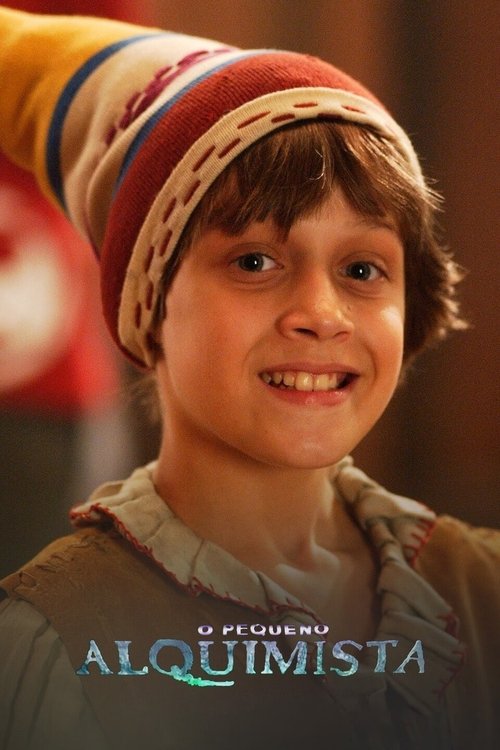
The film tells the story of João, a young man destined to become a great alchemist, but who prefers to play and invent new things.
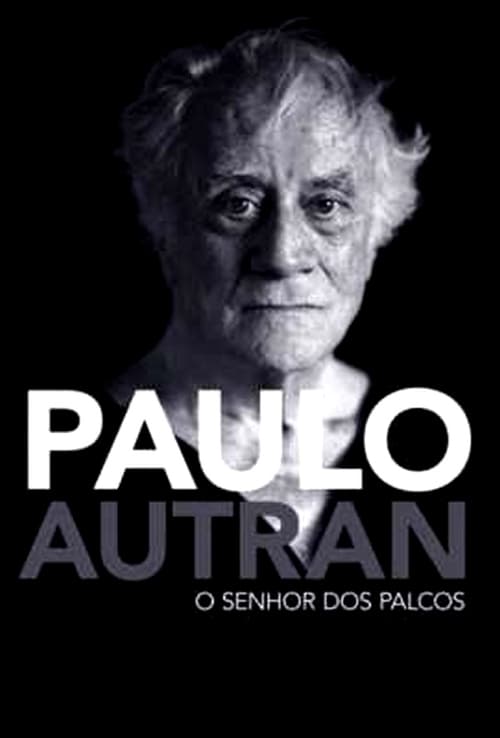
A portrait of the evolution of theater in the 20th century and a deep reflection on the art of acting through the career of Paulo Autran (1922-2007), one of the greatest actors in Brazil.
A loose stage adaptation of the classic by Alexandre Dumas, told as an interactive electropop musical experience, breaking the boundaries between stage and audience.