Acting
A police department, lead by an older, experienced detective solve crimes together.
Der Kommissar is a German television series about a group of detectives of the Munich homicide squad. All 97 episodes, which were shot in black-and-white and first broadcast between 1969 and 1976, were written by Herbert Reinecker and starred Erik Ode as Kommissar Herbert Keller. Keller's assistants were Walter Grabert, Robert Heines, and Harry Klein who, in 1974, was replaced by his younger brother Erwin Klein.
Insel der Träume is a German television series.
No description available.
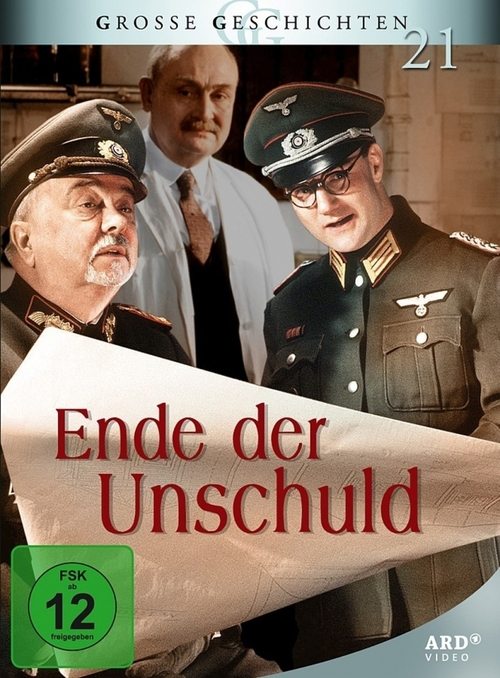
End of Innocence is a two-part television film that focuses on the work of the German Uranium Association during World War II. At Farm Hall in England, the ten German nuclear scientists interned there as part of Operation Epsilon learn of the dropping of the first atomic bomb on Hiroshima in August 1945. In flashbacks, the development of the German uranium project is recapitulated chronologically from the discovery of nuclear fission by Otto Hahn to the work of Kurt Diebner at the Heereswaffenamt to the experiments of the Kaiser Wilhelm Institute for Physics under Werner Heisenberg and Carl Friedrich von Weizsäcker at the Haigerloch research reactor in spring 1945.
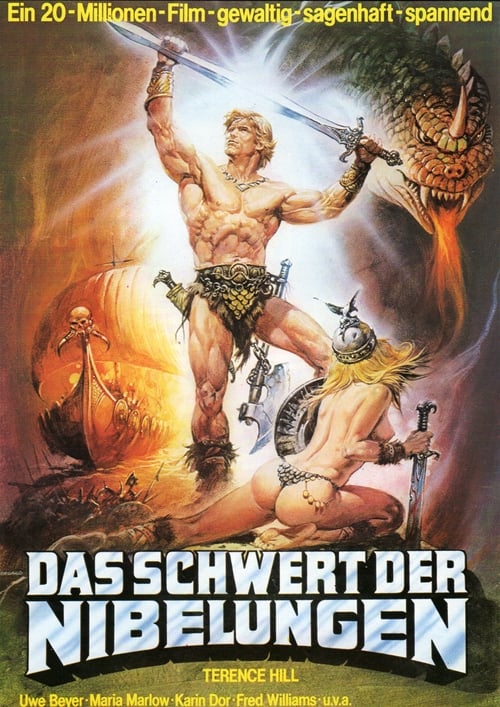
Siegfried of Xanten snatches the Nibelung treasure from the king of the underworld and slays the dragon Fafnir, whose blood makes him invulnerable. Siegfried falls in love with Kriemhild, the sister of the Burgundian king. But only if Siegfried helps Gunther marry Brunhild will he be allowed to marry Kriemhild. He fulfills this condition, but the two women bring ruin upon Xanten and Burgundy...
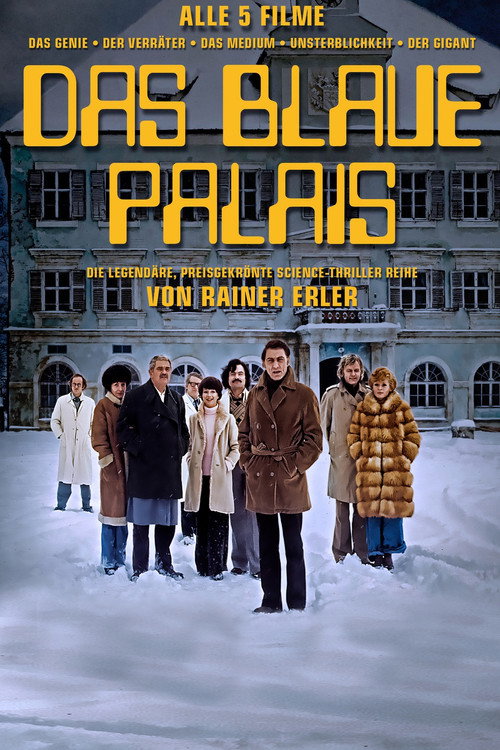
Das Blaue Palais is a series of five TV feature films written and directed by German author and filmmaker Rainer Erler. All five stories about the research and findings of an interdisciplinary scientific project have also been published as novels by Goldmann in 1978, 1979 and 1980. The series had an international cast. It was shot in Bavaria, Scotland, USA and Asia.
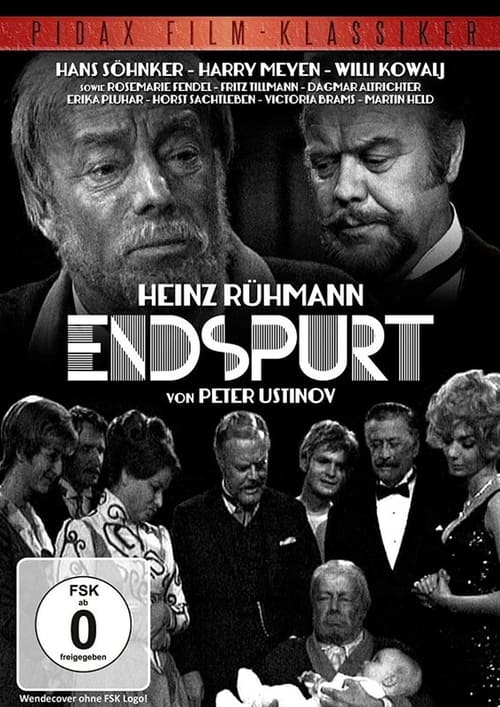
The author Peter Ustinov has called his work "Endspurt" a "biographical adventure". Biographical because the somewhat ambitious but later successful writer Sam Kinsale meets here as a twenty-, forty- and sixty-year-old. The interesting thing about this film, however, is that the four Sams are confronted with each other. The diversity of an eighty-year-old life becomes transparent. At the age of 20, Sam Kinsale loves the young Stella and is determined to marry her. But 20 years later, he is fed up with the marriage and wants to leave her. But he doesn't because she is expecting a child. As a sixty-year-old, he is constantly making compromises both in his work as a writer and in his personal life.
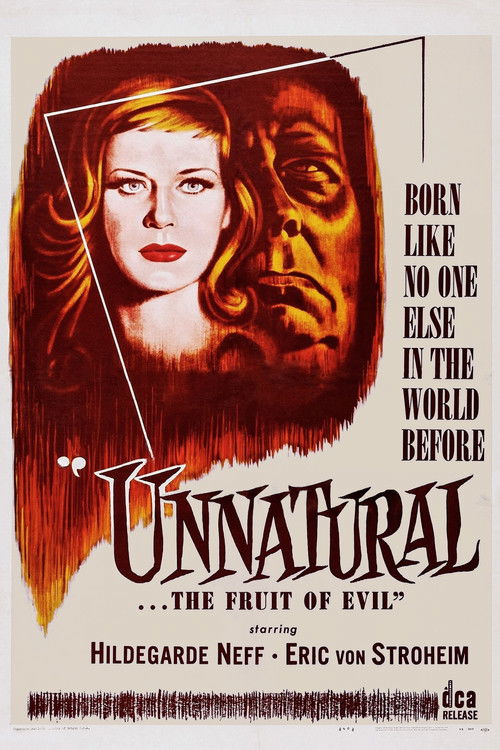
In the 1800s, a stormy love relationship develops quickly between a young medical student and a woman believing herself to be the daughter of his scientist uncle, the student having never heard of her before their chance encounter and both unaware that she is the result of the scientist's illegal experiments with artificial insemination..
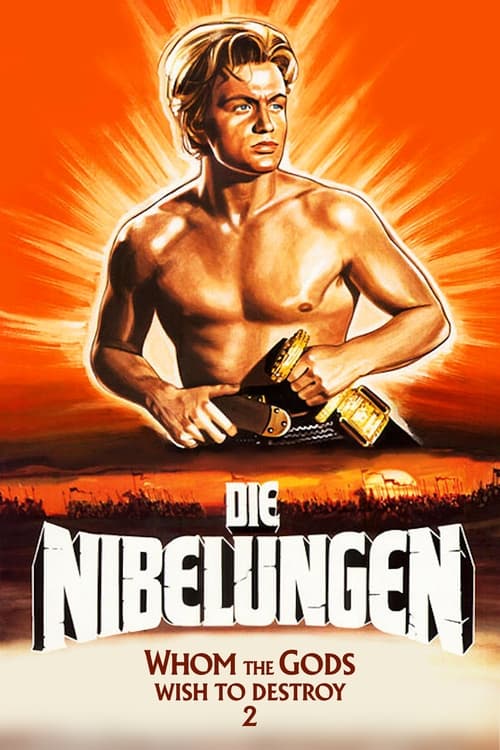
Now Brunhild knows by which treason she was won for king Gunther of Burgund by Siegfried of Xanthen, and has been revenged by his foul murder by Hagen, more bloody revenge is inevitable. Hagen steals the Nibelungen-treasure to sink it in the stream and manages to kill Alberich and seize his invisibility-cap. Queen Kriemhild is packed of to an abbey so her son may grow up to become a prelate, but Hagen's men raid them and kill the child. She now accepts to become the wife of Etzel, king of the truly barbaric Hun nomads and invites the Burgund court nomenclature at their Danube court for their heir's baptism a few years later, but prepared a bloody conspiracy with her xenophobic brother-in-law behind her surprisingly chivalric husband's back, while Gunther accepts, hoping to avoid a far bloodier war, despite the danger for his party of knights, which materializes...
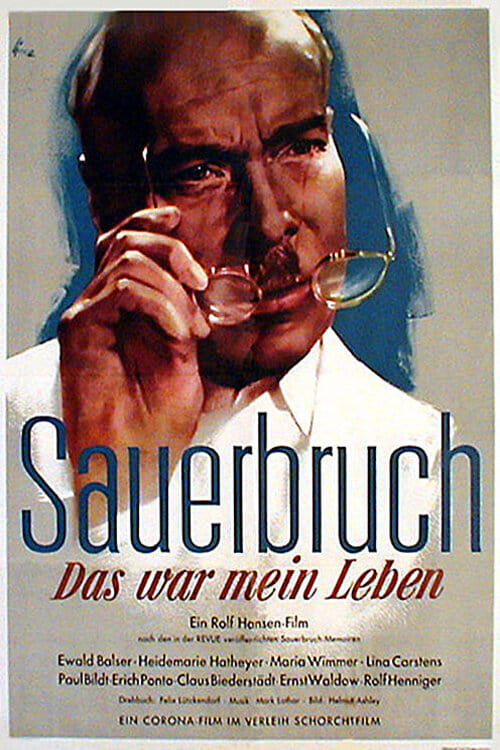
Young Olga Ahrendt almost succeeded in attempting suicide. She had thrown herself in front of a tram out of desperation about her miserable life, a desperation she shared with many in the post-war period. Fortunately, Privy Councillor Sauerbruch is at the scene of the incident, ordering her to be admitted to his clinic after a brief examination. Sauerbruch works both as a university lecturer and as a surgeon, a famous doctor who not only helps his patients physically but also gives them spiritual comfort. After he has taken Olga Ahrendt to his hospital, he discovers during an examination that her suicide attempt is due to a serious physical illness. He intensively takes care of her without forgetting about his other patients, to whom he can give a new will to live, even if only through a small story. And he will also treat Olga Ahrendt successfully...
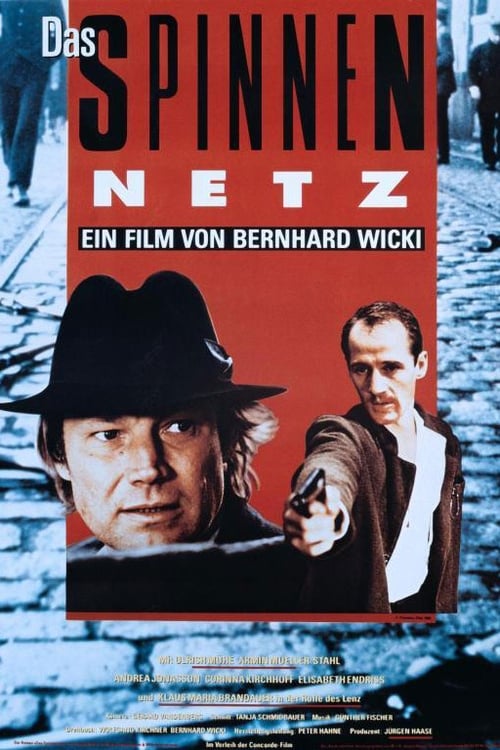
Ulrich Mühe plays a German businessman who was born completely without scruples. This makes him an eminently suitable candidate for success in the chaotic years after World War I. The shameless man's story is contrasted with that of his polar opposite, a Jewish anarchist.
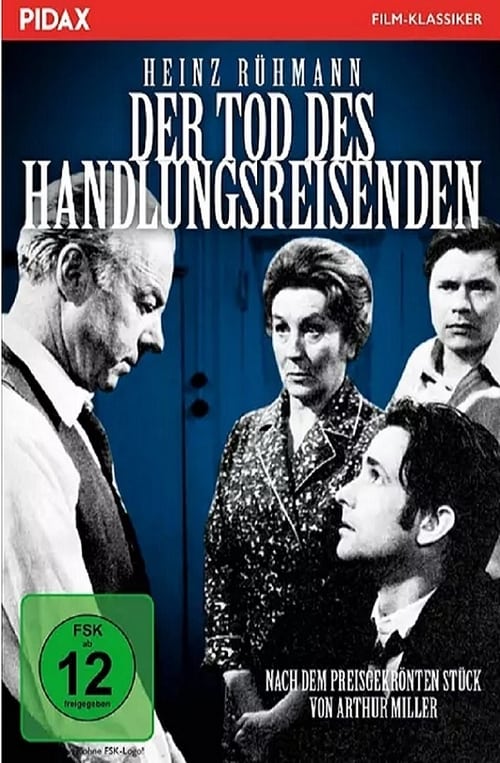
Willy Loman, a 63-year-old traveling salesman, returns home late at night, exhausted from one of his sales trips, and tells his worried wife, Linda, that he is dead tired and almost fell asleep on the road. The couple is visited by their now-adult sons, 34-year-old Biff and his younger brother Harold, known as Happy. Loman complains to his wife, especially about Biff, who, in his opinion, isn’t doing enough to succeed in his career.
Episodic film based on four plays (‘Der Hund im Hirn’, ‘Lohengrin’, ‘Der Mörder’, and ‘Minna Magdalena’) by Curt Goetz, each with Carl-Heinz Schroth in the leading role.