Acting
Polizeiruf 110 is a long-running German language detective television series. The first episode was broadcast 27 June 1971 in the German Democratic Republic, and after the dissolution of Fernsehen der DDR the series was picked up by ARD. It was originally created as a counterpart to the West German series Tatort, and quickly became a public favorite.
The story of Ulzana, an Apache chief who has reached a rapprochement with the local Mexican population and generously extends it to whites who travel through the territory. His people have become inured to the treacherous ways of the white man, however, and are now reliant on them for booze, 'relief flour' and beef steak.
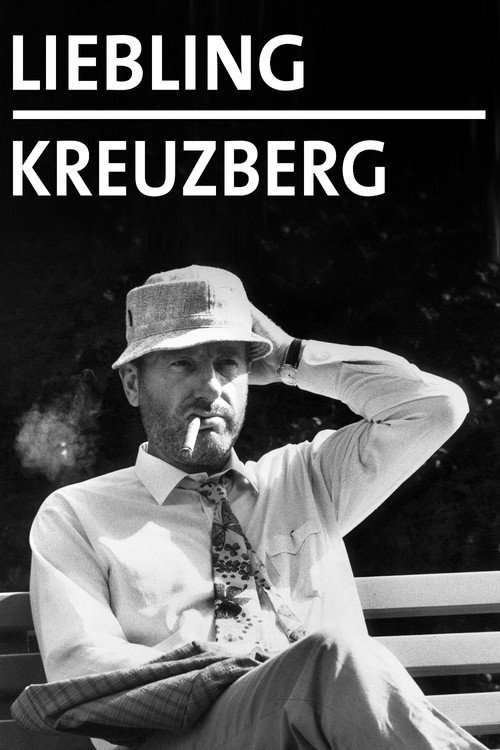
Liebling Kreuzberg was a television series on ARD, which was sent in five seasons with a total of 58 episodes the first time from 1986 to 1998. The scripts of seasons one through three and five were from Jurek, of his friend Manfred Krug wrote the role of idiosyncratic Berlin attorney Robert favorite on the body, the fourth season was written by Ulrich Plenzdorf. Director Heinz Schirk, Werner Masten led and Vera Loebner. Producing Series transmitters were the SFB, the NDR and WDR. The music of the first season was. Hans-Martin Majewski, in the later seasons of Klaus Doldinger.
Ein Mann am Zug is a German television series.
In a small village in West Prussia in the 1870s, Germans, Poles, Gypsies and Jews live together as neighbors. One night Johann, a German mill-owner, secretly opens the dam gates and floods the mill of his Jewish rival Levin. After his business is ruined and his calls for justice go unanswered, Levin leaves town.
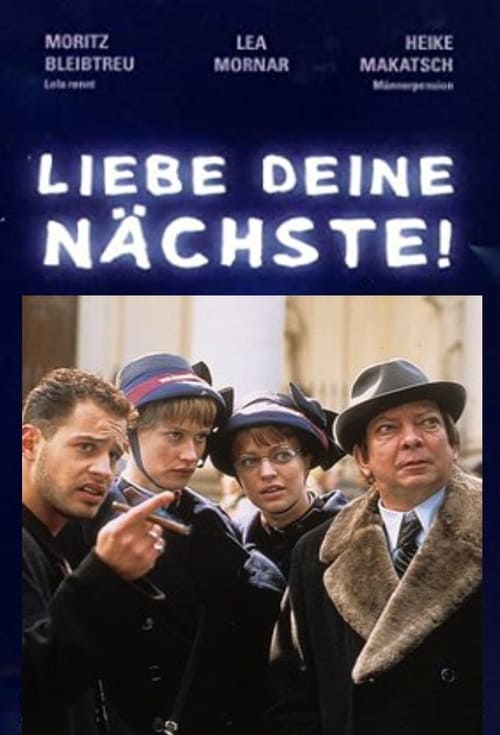
Two young and attractive social workers/nuns bring fresh air into a city missionary station, but are also challenged by lust and money, offered by a millionaire.
No description available.
Berlin in the golden 20s. Like no other, the singer and cabaret artist Claire Waldoff found the right words for what the so-called “little people“ thought and felt. Her heartfelt songs with heart and snout triggered storms of enthusiasm and made Claire Waldoff famous. Kurt Tucholsky gave her the nickname "Sparrow of Berlin". With the beginning of the 1930s and the Nazi regime in Germany, the popularity of the Berlin original declined.
Two men and two women in a hotel.
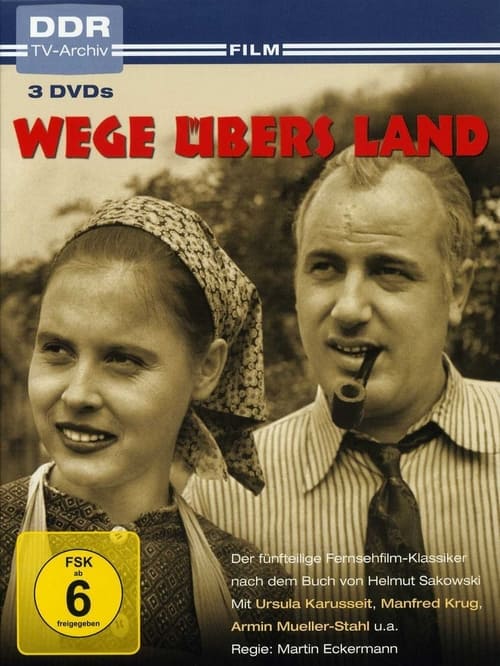
East German TV miniseries about the young maid Gertrud Habersaat, who marries, moves from Mecklenburg to Poland in the early 1940s, has to come back to Mecklenburg as a refugee during World War II and finally finds her place during the 1950s.
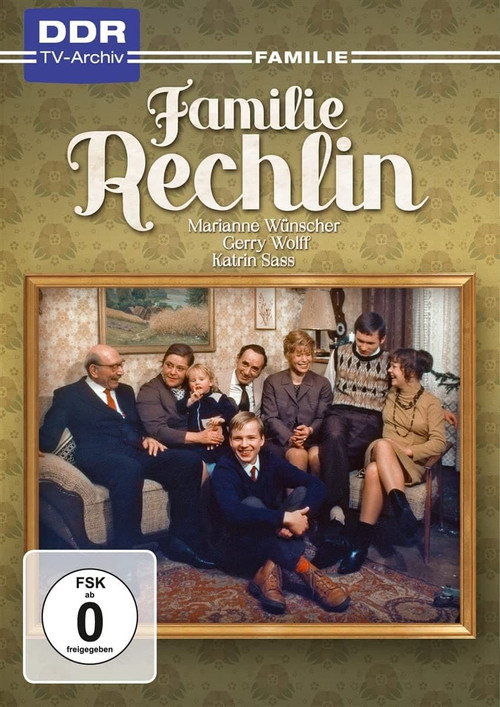
Berlin in the 60s. The construction of the Berlin Wall not only divides the city, but also separates the Rechlin family. While mother Ingelore lives with husband Hannes and the youngest son in the eastern part of the city, the young, married daughter Beate lives in West Berlin. Even when she gives birth to the first grandson, the newly baked grandma Ingelore cannot visit her. Travel permits are only issued one year later. But the formerly so tight family bond is burdened by the long separation. Son Bernd also avoids the rest of the family, as his new girlfriend has just been released from prison because of attempted "republic escape". And so Mother Ingelore almost has to watch her family shatter.
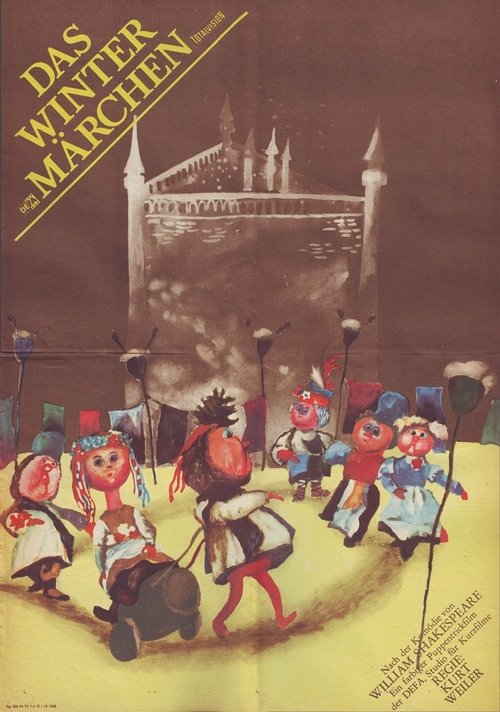
Leontes, king of Sicily, tries to convince his friend Polyxenes, king of Bohemia, to stay longer as his guest. But only Hermione, Leontes' wife, can talk Polyxenes into not leaving. Leontes gets suspicious. Is his wife having an affair with his friend? Leontes tries to find out about it...
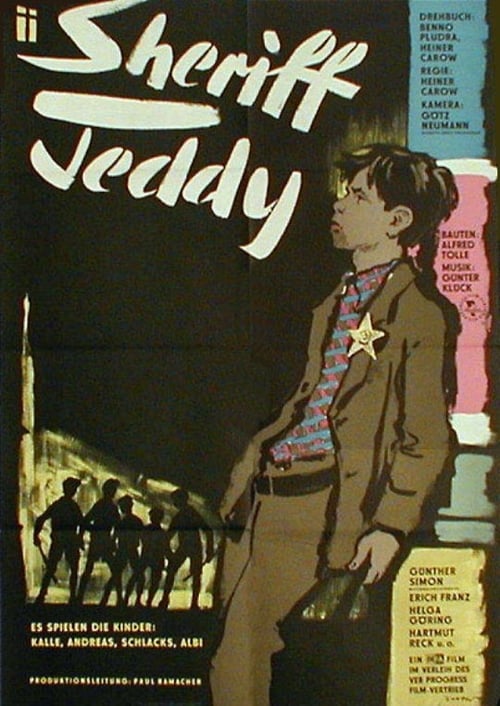
A story about thirteen years old Kalle who is moving with the family from West Berlin to East.
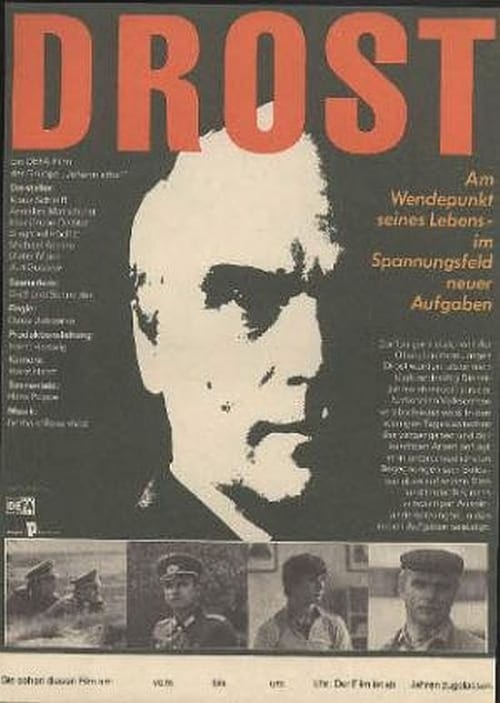
After 35 years of military service, Officer Jürgen Drost takes on the job of mayor in the small village where he lived with his mother after World War II. The transition to civilian life comes as more of a shock than he expected, causing him to rethink many aspects of his life.
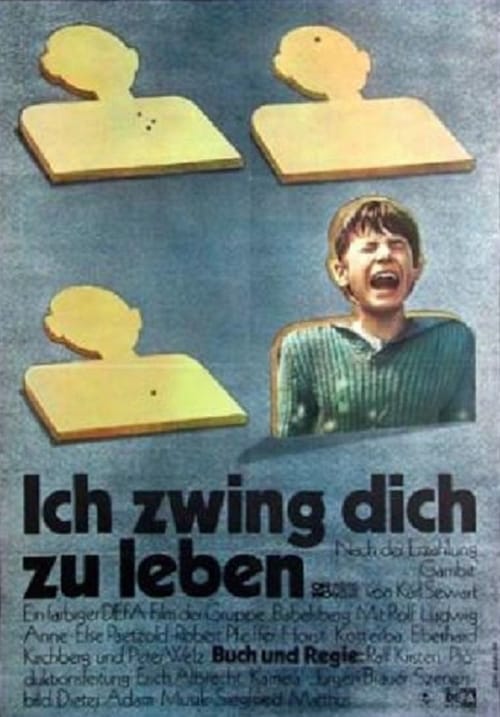
Germany at the end of World War II: Teacher Grübler lives in a small village in the Ore Mountains together with his 15-year old son Wolfgang. At school, the dutiful Grübler, a member of the NSDAP, teaches his pupils to volunteer for military service, but when his own son volunteers for the Waffen SS, he is nevertheless shocked and fears for his boy′s life. But Wolfgang starts to hate his father for his doubts: He thinks his father is a coward. In his desperation, Grübler chains and kidnaps his son to hide him in a dugout in the forest until the end of the war. In their shelter, father and son are fighting bitterly but when the Nazis who still believe in the "Endsieg" discover their hideout, Grübler sacrifices his life to save Wolfgang.
The marriage of Katrin and Richard Lot has become a routine. She has a career and he, as a Marine officer, comes home only once every fourteen days. The children greet him with joy, but she greets him only with anxiety because their marriage is missing its key ingredient: love. She wants a divorce, but he refuses mainly out of comfort as well as due to pressure from the party. Katrin finds a strange solution: she shoplifts and is put on probation for three months. This is enough to force Richard into a divorce because he is concerned about the "moral liability" of his wife.
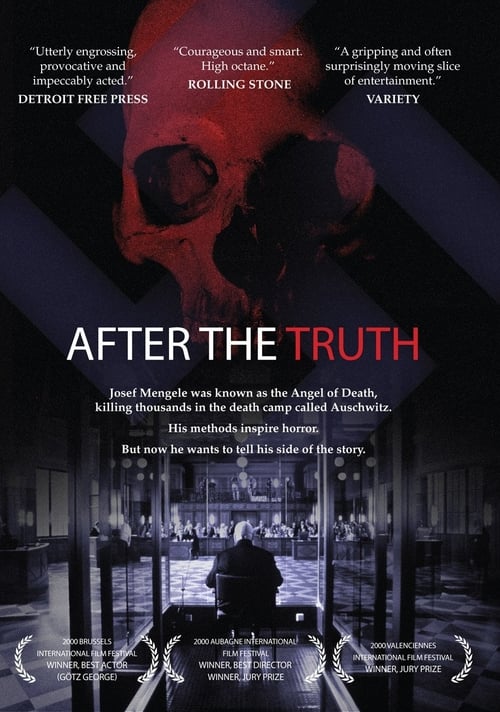
Famous Nazi doctor Josef Mengele — the 'Death Angel of Auschwitz', who killed more than 300.000 people — emerges from his hideout in Argentina to Germany as a 87-year-old man, and must stand for his crimes in court. The young solicitor Peter Rohm is assigned to defend him, but Rohm himself — an expert on Mengele and his crimes — feels unable to do so. When he decides to take on the case, he endangers not only his marriage but also his and his wife's lives.
Kemmel, a sculptor with a troubled nature, wonders, as he approaches his fortieth birthday, whether he has created any truly significant work.
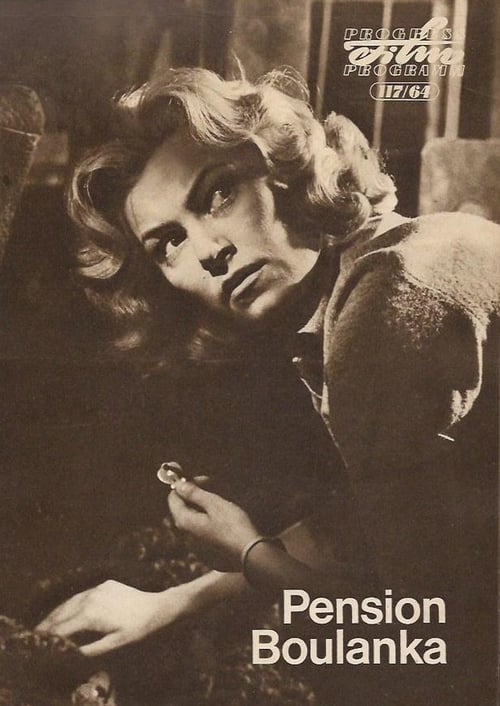
A murder has been committed in "Pension Boulanka", a famous guesthouse for artists and circus people. Captain Bruckner is heading the investigating team.