Acting
Polizeiruf 110 is a long-running German language detective television series. The first episode was broadcast 27 June 1971 in the German Democratic Republic, and after the dissolution of Fernsehen der DDR the series was picked up by ARD. It was originally created as a counterpart to the West German series Tatort, and quickly became a public favorite.
Der Staatsanwalt hat das Wort was an East German television series.
No description available.
Four-part miniseries about the theologian Thomas Müntzer, who became a revolutionary and opponent of Luther during the Peasant War in 1525.
The plot is based on the dramatic fate of the Red Army commander Aleksei Ivanovich Pavlov. Having been captured in January 1942 and being among the displaced persons, he didn't immediately decide to return to the USSR. Having rolled around the foreign country for 17 years, Aleksei nevertheless returned to his homeland. He goes to his brother in the south of the country to Sevastopol. Aleksei accidentally meets the doctor Anna Andreyevna, who was saved from death in besieged Leningrad. She travels by car from Moscow and also to the south, with her daughter Tanya; she suggests he join them. Aleksei tells about his life on the road.
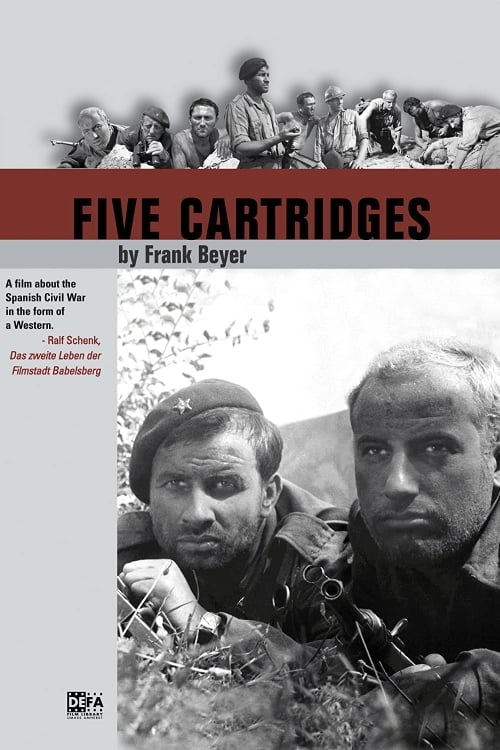
During the Spanish Civil War (1936-1939), five International Brigade soldiers of different nationalities are given a crucial assignment as their commander lies dying: they are to smuggle top-secret information across enemy lines.
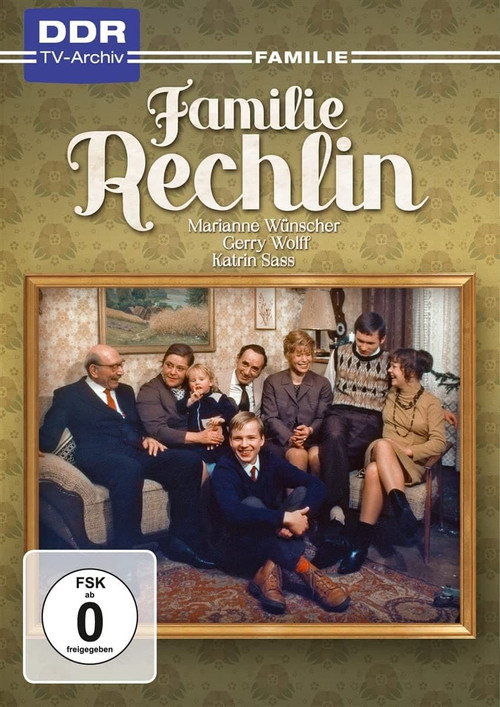
Berlin in the 60s. The construction of the Berlin Wall not only divides the city, but also separates the Rechlin family. While mother Ingelore lives with husband Hannes and the youngest son in the eastern part of the city, the young, married daughter Beate lives in West Berlin. Even when she gives birth to the first grandson, the newly baked grandma Ingelore cannot visit her. Travel permits are only issued one year later. But the formerly so tight family bond is burdened by the long separation. Son Bernd also avoids the rest of the family, as his new girlfriend has just been released from prison because of attempted "republic escape". And so Mother Ingelore almost has to watch her family shatter.
During a pogrom in Poland on the eve of World War I, a group of Jews seek refuge from the Cossacks. The fugitives hide out in a rural inn, terrified that they may be given away at any moment.
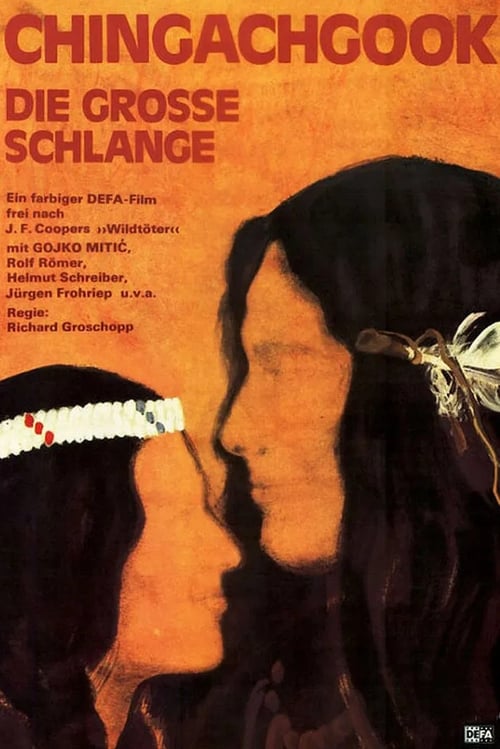
Chingachgook, a Mohawk-born Delaware warrior, strives to rescue his wife Wahtawah from the clutches of an enemy camp of Huron. Joined by his trusted huntsman Deerslayer, the two confront racist pioneers and brutal British soldiers in their quest. Deerslayer catches the desire of Judith and thus the jealousy of her suitor, Harry. The action of the story functions like a seesaw, characters continuously traveling back and forth between a house on the lake and the Huron camp until the violent climax.
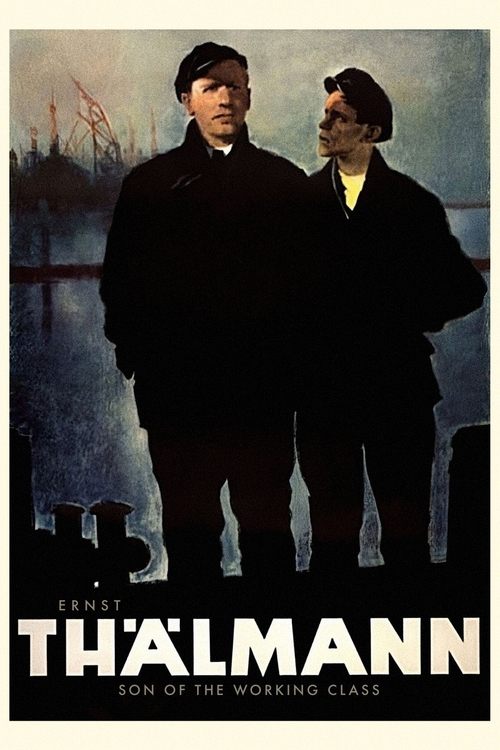
This film is the first of a two-part historical and biographical portrait of the communist politician and anti-fascist Ernst Thälmann. In early November 1918, Ernst Thälmann is an unwilling soldier serving on the western front. As the revolutionary movement at home is threatened by the betrayal of the Social Democrats and fissures in the working class, Thälmann calls on his fellow soldiers to put down their weapons and unite with the workers in the communist struggle at home. Thälmann’s qualms about which side he is fighting on continue, but when the local police attempt to prevent a shipment of provisions and supplies from reaching the people in Petrograd, he intervenes and the ship is unloaded. With this moment of clarity, Thälmann continues to follow his political convictions and joins the workers at the Hamburg uprising in October 1923.
October 1918: Karl Liebknecht is released from prison and Berlin workers celebrate his release. Although WWI is almost over, the German Kaiserreich in vain sends its last reserves to the slaughter. The working class is in a rebellious mood; the uprising of Kiel’s sailors against war and militarism sets off a call for revolution led by Liebknecht. On November 9, Liebknecht declares the Free Socialist Republic of Germany. But pro-Kaiser military and right wing Social Democrats oppose him.
Russian soldier Grisha escapes from a German prisoner-of-war camp in the spring of 1917. He is caught and is to be shot as a spy. This decision is controversial. The dispute continues. Grisha is executed on the orders of the army high command.
A day before the beginning of the Second World War, a young resident of Bydgoszcz falls in love with a German teenager.
A film about the historical uprising of the seamen in Kiel: During the Russian October Revolution of 1917, German and Russian soldiers start to solidarize with each other. By disarming the officers, machinist Henne Lonke and stoker Jens Kasten prevent the attack on a Russian freighter. When German admiralty gives out orders for operation "Nibelungen", which would lead the German fleet into a suicidal attack against England and quell the revolutionary spirit, seamen and soldiers from different political backgrounds unite in protest.
For Balduin, going out to beer parties with his fellow students and fighting out disputes at the tip of the sword have lost their charms. He wants to find love; but how would he, a penniless student, ever dare looking up to any woman worth of loving? Absorbed in his dreary thoughts and indifferent to the advances of Lyduschka, Balduin is unexpectedly offered a fortune by the mysterious money-lender Scapinelli - but on a strange condition...
Two 17-year-olds, Werner Holt and Gilbert Wolzow, are pulled out of school and into Hitler's army. Gilbert becomes a fanatical soldier; but at the front, Werner begins to understand the senselessness of war.
As American settlers encroach on the lands of the Lakota people, Tokei-ihto witnesses the murder of his father at the hands of Red Fox, who wanted information on where the tribe finds its gold. Two years later, at the height of the Great Sioux War, Tokei-ihto and Red Fox meet again.
In the nineteenth century, seventeen year old Effi Briest is married to the older Baron von Instetten and moves into a house that she believes has a ghost.
In a small town, a brigade is working on the construction of a new cultural center. Gerhard loves Karin, the daughter of brigadier Franz, who is not thrilled with the prospective son-in-law. Under the influence of his colleague "Boxer", who wants to go to a big city with him, Gerhard neglects his crane operator course, his work and ultimately Karin too. The failed crane test infuriates him and turns him into a rioter. After quarrels on the construction site, Franz is found unconscious on the crane at night. Gerhard comes under suspicion, but the accident was the fault of "Boxer". When he tries to escape, Gerhard, who has come to his senses, is able to hold him back. Remorseful, they go to the police together. Karin is also reconciled and the wedding is to take place in the finished Kulturhaus.