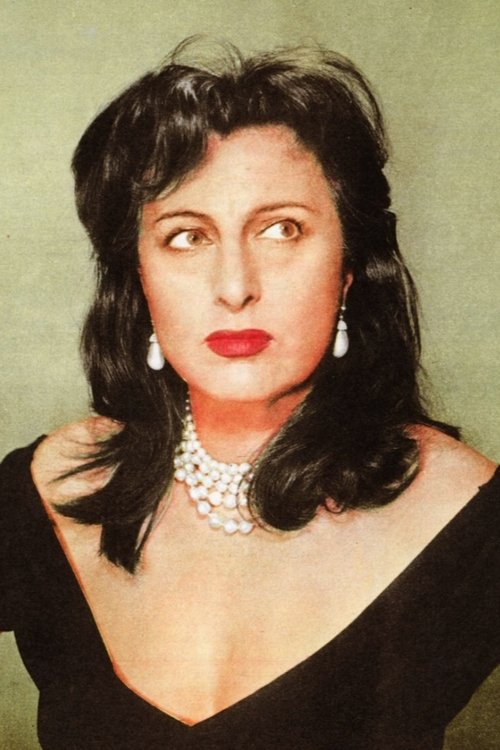
Anna Magnani
Acting
Biography
Anna Magnani (pronounced: mahn-YANEE; 7 March 1908 – 26 September 1973) was an Italian stage and film actress. She won the Academy Award for Best Actress, along with four other international awards, for her portrayal of a Sicilian widow in The Rose Tattoo. Born in Rome to an Egyptian father and an Italian mother, she worked her way through Rome's Academy of Dramatic Art by singing at night clubs. During her career, her only child was stricken by polio when he was 18 months old and remained crippled. She was referred to as "La Lupa," the "perennial toast of Rome" and a "living she-wolf symbol" of the cinema. Time magazine described her personality as "fiery", and drama critic Harold Clurman said her acting was "volcanic". In the realm of Italian cinema, she was "passionate, fearless, and exciting," an actress that film historian Barry Monush calls "the volcanic earth mother of all Italian cinema." Director Roberto Rossellini called her "the greatest acting genius since Eleonora Duse. Playwright Tennessee Williams became an admirer of her acting and wrote The Rose Tattoo specifically for her to star in, a role for which she received her first Oscar in 1955. After meeting director Goffredo Alessandrini she received her first screen role in La cieca di Sorrento (The Blind Woman of Sorrento) (1934) and later achieved international fame in Rossellini's Rome, Open City (1945), considered the first significant movie to launch the Italian neorealism movement in cinema. As an actress she became recognized for her dynamic and forceful portrayals of "earthy lower-class women" in such films as The Miracle (1948), Bellissima (1951), The Rose Tattoo (1955), The Fugitive Kind (1960), with Marlon Brando and directed by Sidney Lumet, and Mamma Roma (1962). As early as 1950, Life magazine had already stated that Magnani was "one of the most impressive actresses since Garbo". Description above from the Wikipedia article Anna Magnani, licensed under CC-BY-SA, full list of contributors on Wikipedia
Known For
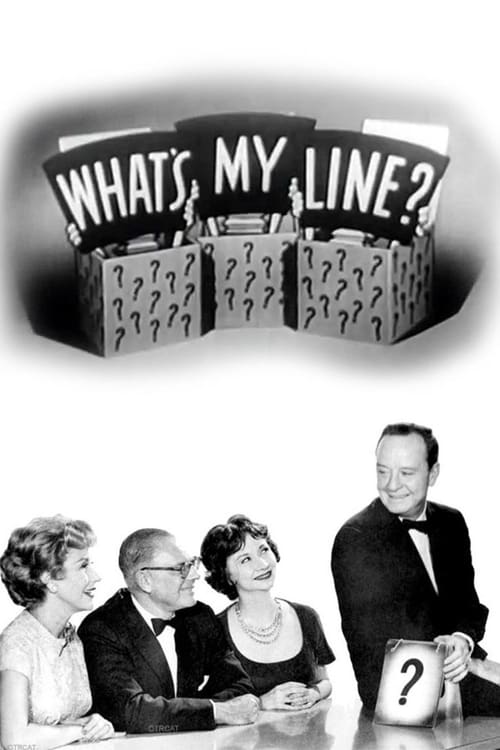
Four panelists must determine guests' occupations - and, in the case of famous guests, while blindfolded, their identity - by asking only "yes" or "no" questions.
What's My Line?

An annual American awards ceremony honoring cinematic achievements in the film industry. The various category winners are awarded a copy of a statuette, officially the Academy Award of Merit, that is better known by its nickname Oscar.
The Oscars
No description available.
Cinépanorama
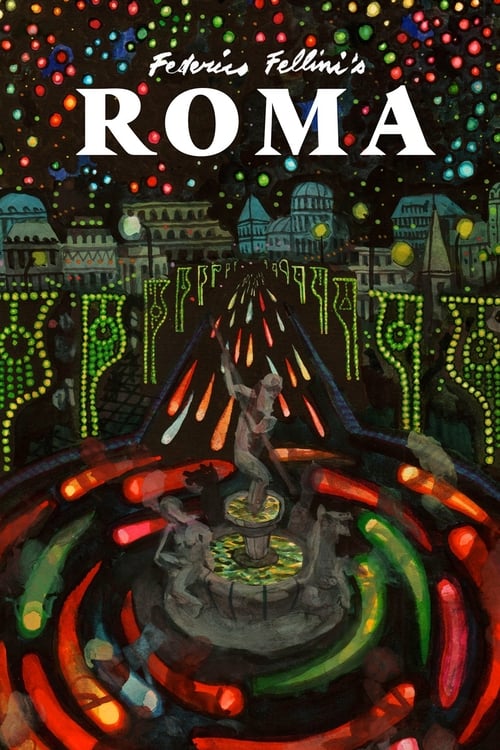
A virtually plotless, gaudy, impressionistic portrait of Rome through the eyes of one of its most famous citizens.
Roma
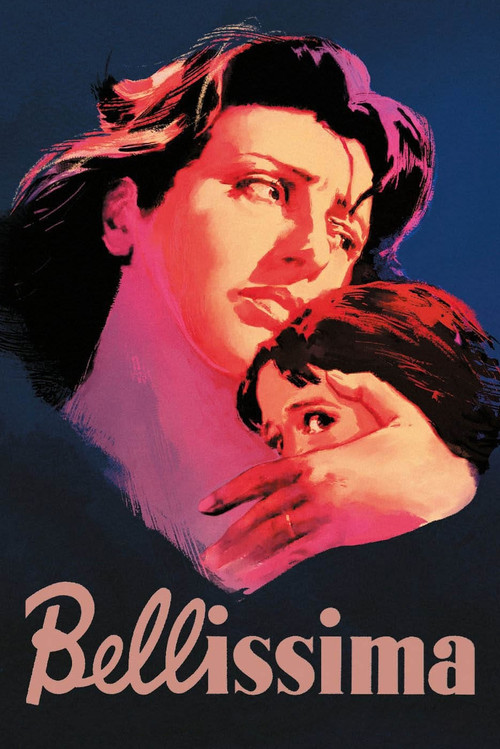
Film director Blasetti is looking for a little girl for his new movie. Along with other mothers, Maddelena takes her daughter to Cinecittà, hoping she’ll be selected and become a star. She is ready to sacrifice anything for little Maria.
Bellissima

No description available.
Un film et son époque
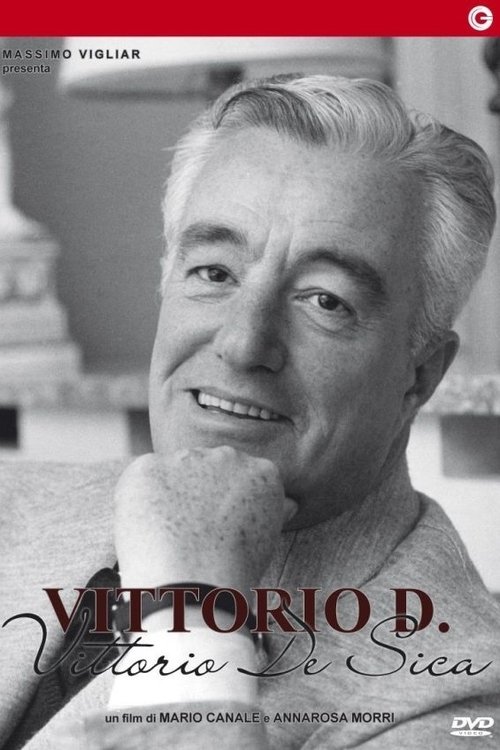
A documentary about Vittorio de Sica with clips of his films and testimonials from friends and family.
Vittorio D.
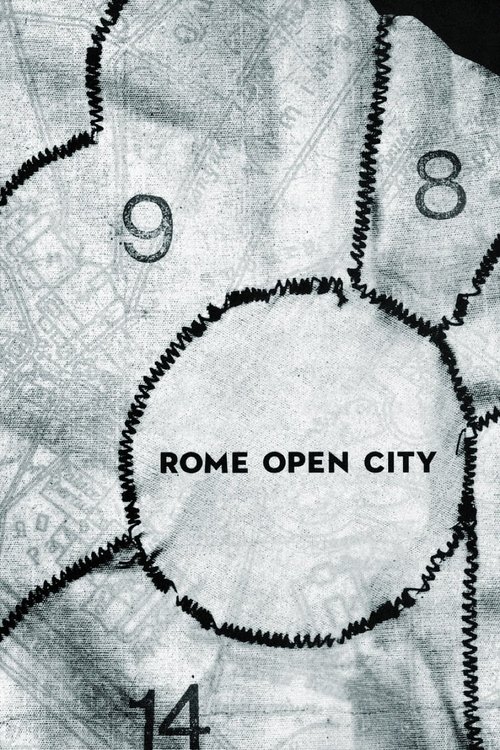
During the Nazi occupation of 1944 Rome, Resistance leader Giorgio Manfredi is pursued by the Nazis as he seeks refuge and a means of escape.
Rome, Open City
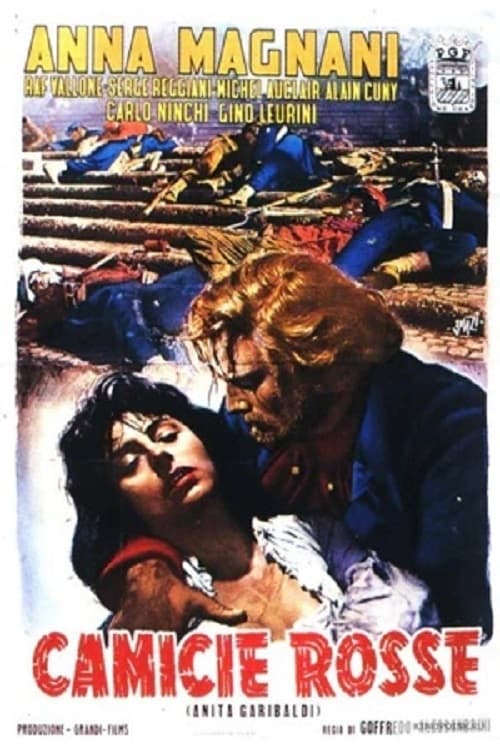
The story of Giuseppe Garibaldi's 1849 campaign to free Italy from Austrian domination.
Red Shirts - Anita Garibaldi
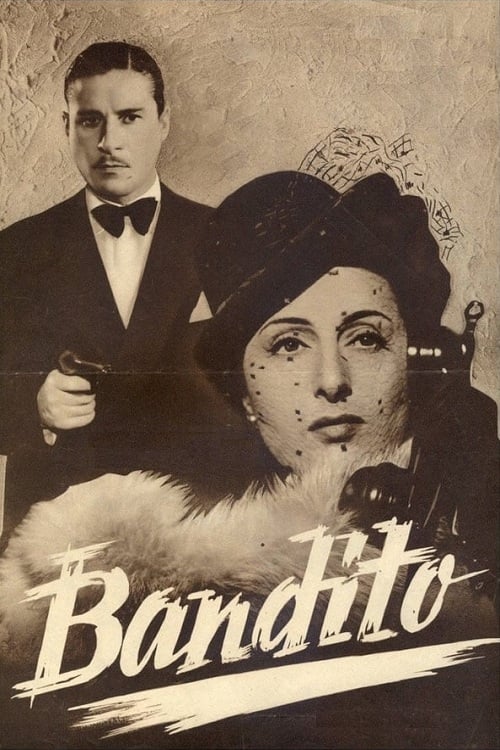
Among others, Ernesto returns to Turin after the war from a German POW camp; his household destroyed and family deceased, he tries making an honest living.
The Bandit
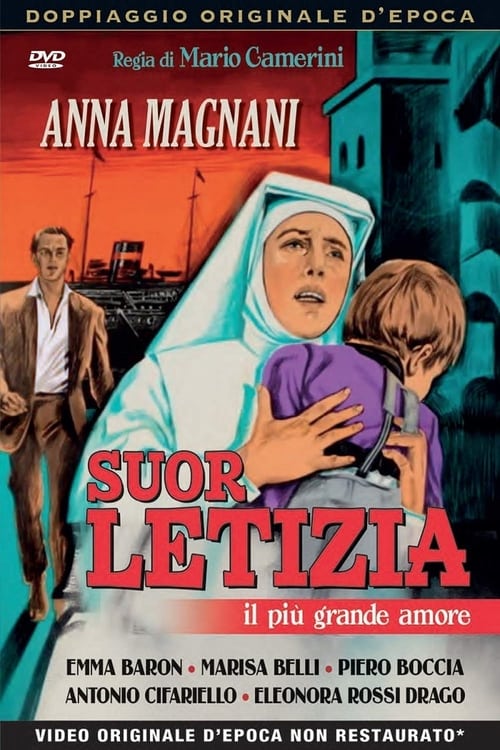
Directed by the incredibly prolific Mario Camerini, Suor Letizia was released in English-speaking regions as When Angels Don't Fly and The Awakening. In her first film appearance since The Rose Tattoo, Anna Magnani plays a feisty nun named Sister Letizia. Believing herself above such earthly trivialities as a maternal instinct, Sr. Letizia changes her way of thinking when an abandoned child is placed in her care. Unofficially adopting the boy, the good sister eventually comes to realize that even she cannot provide the care and guidance of a biological mother. Carefully constructed to accommodate all the surefire box-office elements inherent in Camerini's earlier films, Suor Letizia was almost guaranteed to be a hit.
The Awakening
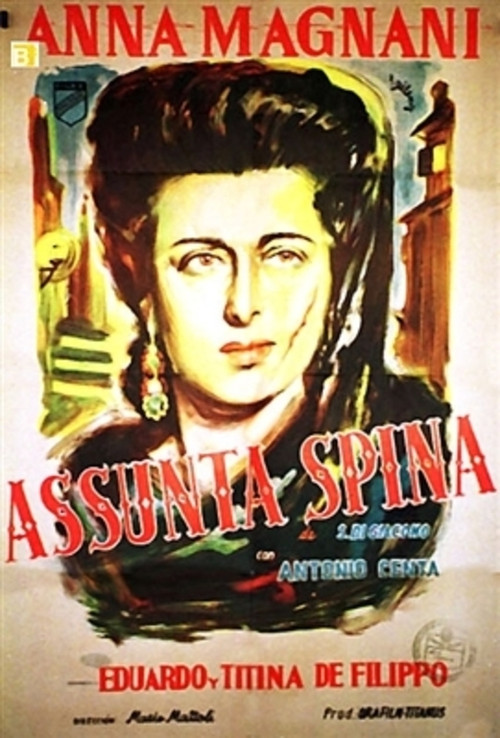
Assunta, a commoner of Naples, is scarred by her lover Michele for jealousy.
Assunta Spina
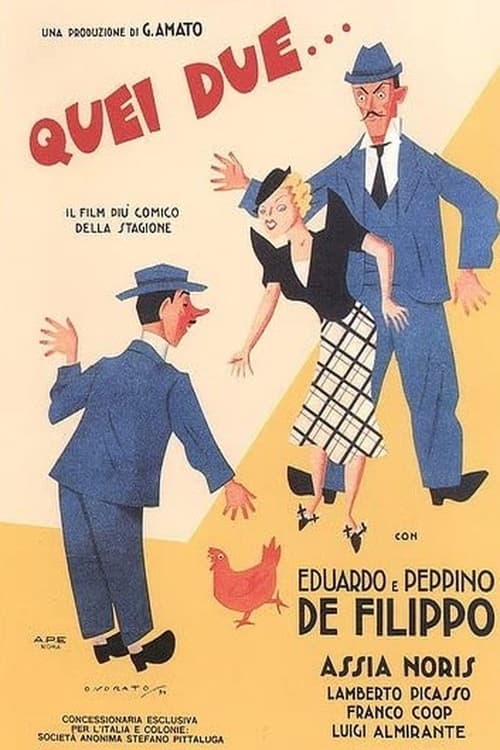
Adventures of two provincial actors looking for anyway done with something to eat. They are joined by a girl, Lili. They represent a magic number, but all I get are miscues and boos.
Quei due
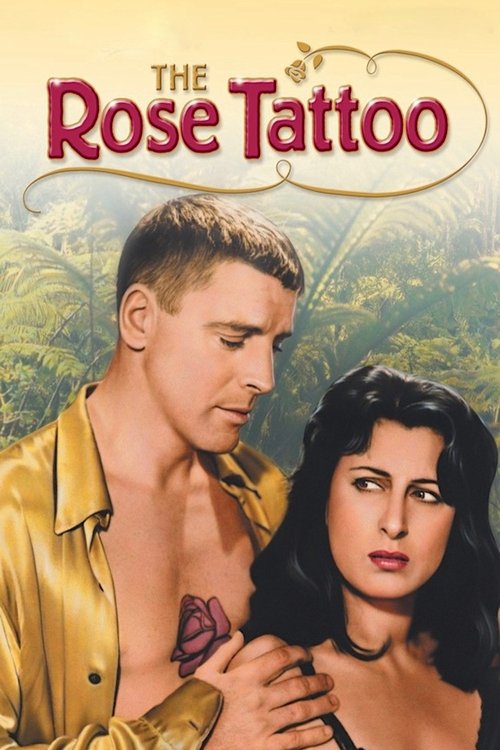
A grieving widow embarks on a new romance when she discovers her late husband had been cheating on her.
The Rose Tattoo
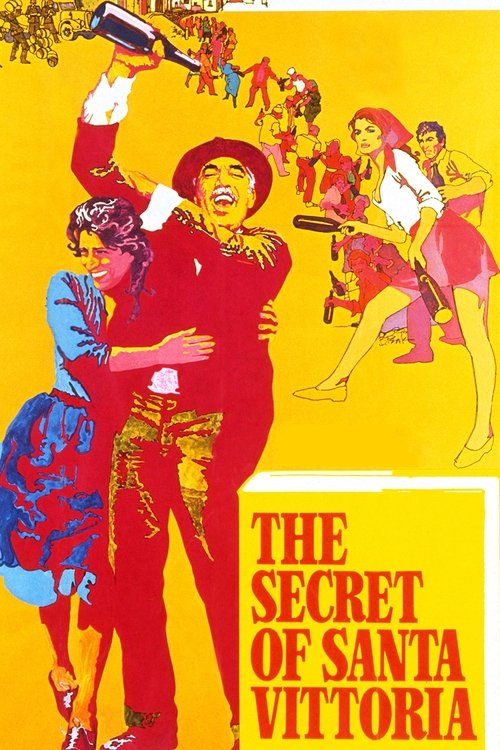
During World War II, Italian villagers hide their wine from the German army.
The Secret of Santa Vittoria
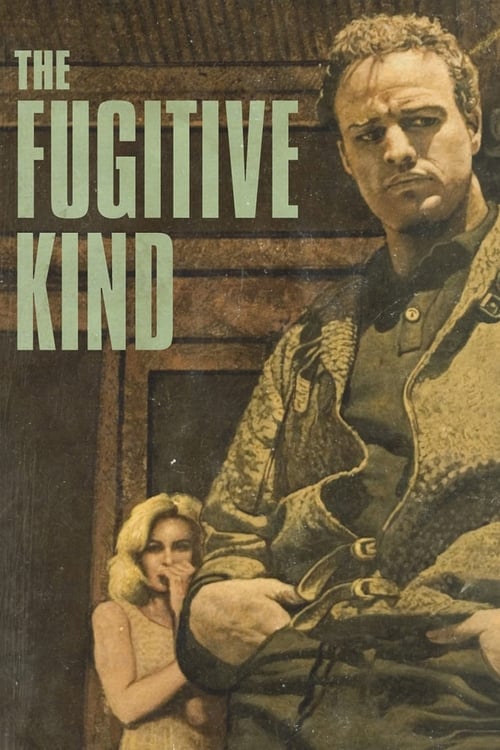
Val Xavier, a drifter of obscure origins, arrives at a small town and gets a job in a store run by Lady Torrence. Her husband, Jabe M. Torrance, is dying of cancer. Val is pursued by Carol Cutere, the enigmatic local tramp-of-good-family.
The Fugitive Kind
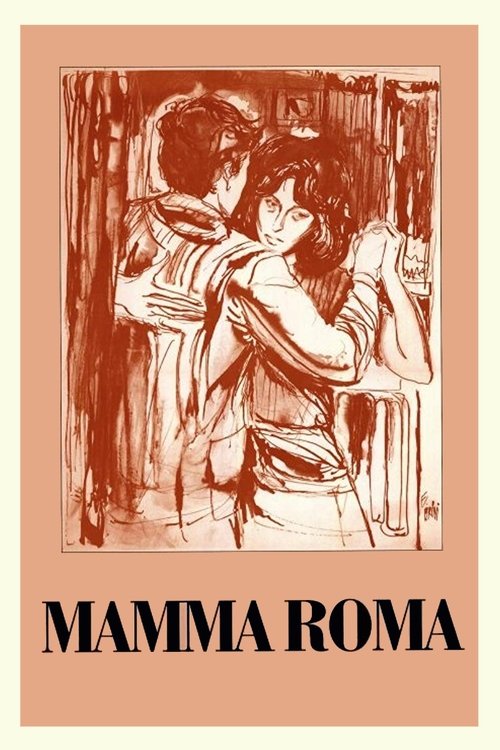
After years spent working as a prostitute in her Italian village, middle-aged Mamma Roma has saved enough money to buy herself a fruit stand so that she can have a respectable middle-class life and reestablish contact with the 16-year-old son she abandoned when he was an infant. But her former pimp threatens to expose her sordid past, and her troubled son seems destined to fall into a life of crime and violence.
Mamma Roma
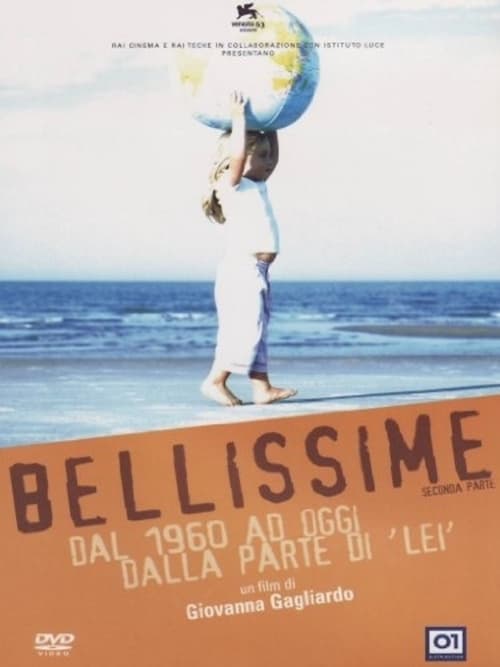
Documentary consisting of archival footage that depicts the evolving conditions of Italian women during the first half of the 20th century.
Bellissime
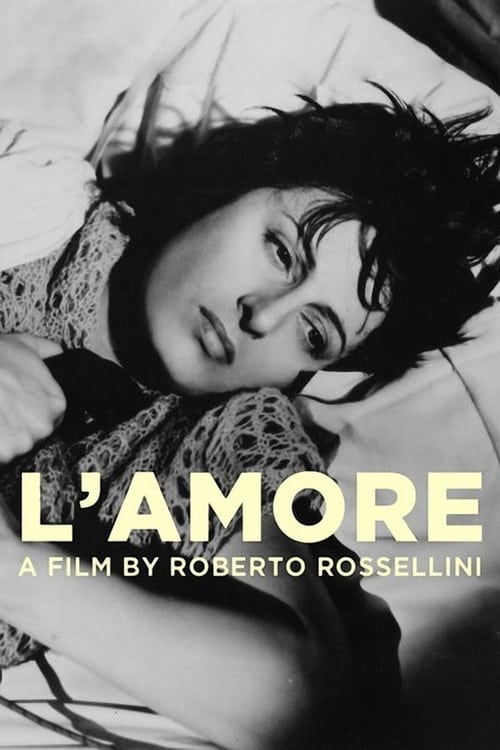
L'Amore ('Love') is a 1948 Italian drama anthology film that consists of two parts, The Human Voice (Una voce umana), based on Jean Cocteau's 1929 play of the same title, and The Miracle (Il miracolo), based on Ramón del Valle-Inclán's 1904 novel Flor de santidad.
L'Amore
An Italian documentary about Italian cinema.