Claudine Matt
Writing
Known For
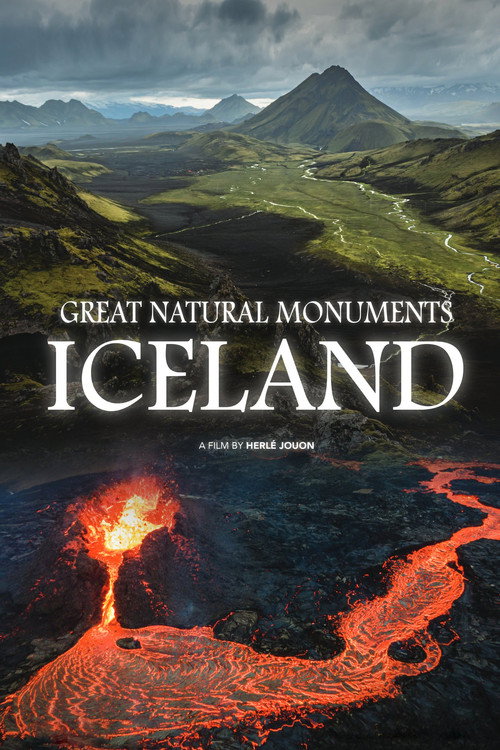
The fascinating landscape formations of Iceland in the North Atlantic bear witness to the beauty and primal power of nature. They were created through the interaction of powerful volcanic, geological and biological processes that have been changing the face of the earth for billions of years. This is what the Earth might have looked like four billion years ago. Iceland is the realm of ice and fire. Nowhere else is there such a high density of volcanoes. The landscapes, which are continually reshaped by eruptions, make the island a natural laboratory full of clues about the formation and development of the earth. The documentary follows a group of scientists through the most active areas of Iceland, along a mountain range that has emerged from the ocean. On the slopes of the volcanoes, in the fog of the fumaroles and on streams and rivers, the three researchers explore how the first forms of life populated the earth's surface and in what evolutionary steps they took over the earth.
Great natural monuments - Iceland

Cattle - with horns - are the focus of this documentary series by the French filmmakers, who decided to bring us closer to the most famous horned domesticated creatures on the planet. Their ancestors lived on Earth 18 million years ago. It was a small, forest-dwelling mammal - and in the course of evolution, this little antelope became the direct ancestor of the now-extinct turo. The human hunter who pursued these ungulates became the herder - and eventually evolved the ox, zebu, buffalo or whatever... Follow in the footsteps of the horned ungulates without which man could not exist today.