Acting
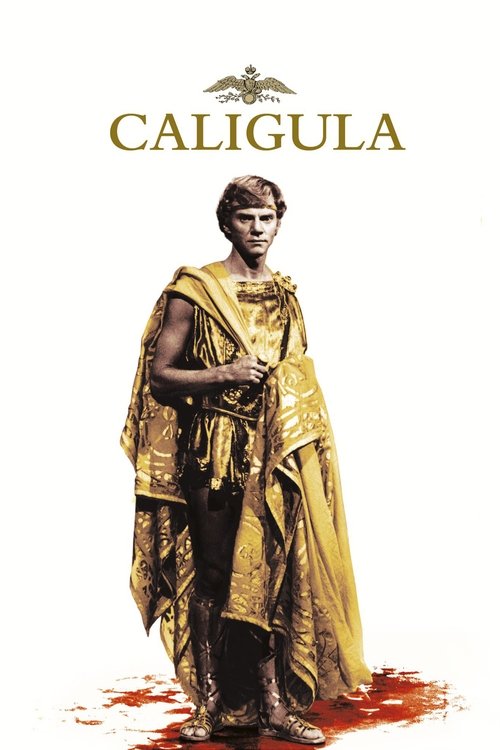
After the death of the paranoid emperor Tiberius, Caligula, his heir, seizes power and plunges the empire into a bloody spiral of madness and depravity.
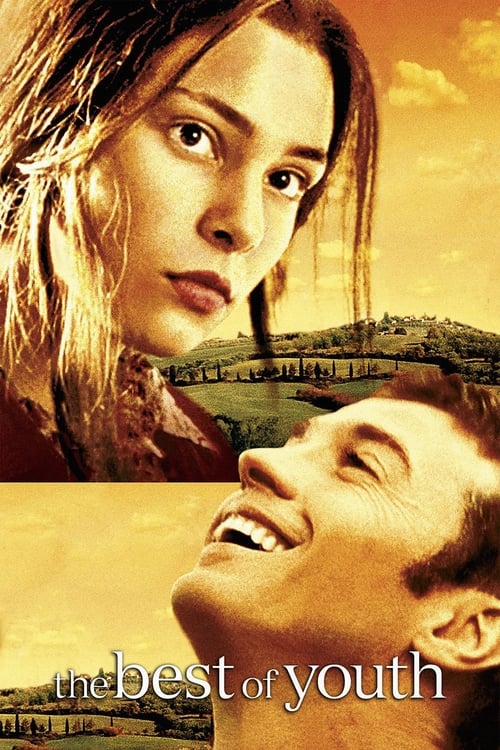
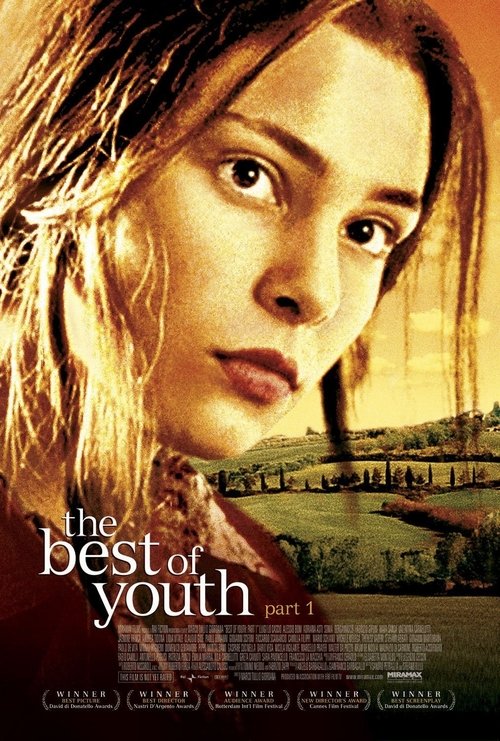
After a fateful encounter in the summer of 1966, the lifepaths of two brothers from a middle-class Roman family diverge, intersecting with some of the most significant events of postwar Italian history in the following decades.
Z-movie actor Bruno Martel has hero syndrome, often quarrelling with directors. He meets fellow actor Doris, who is obsessed with Ophelia but cannot get any Shakespearean bookings. One day, during a nervous breakdown, Bruno 'rescues' Doris from the set, leaving town to encounter various absurd situations.
When a impoverished widow’s family moves to the big city, two of her five sons become romantic rivals with deadly results.
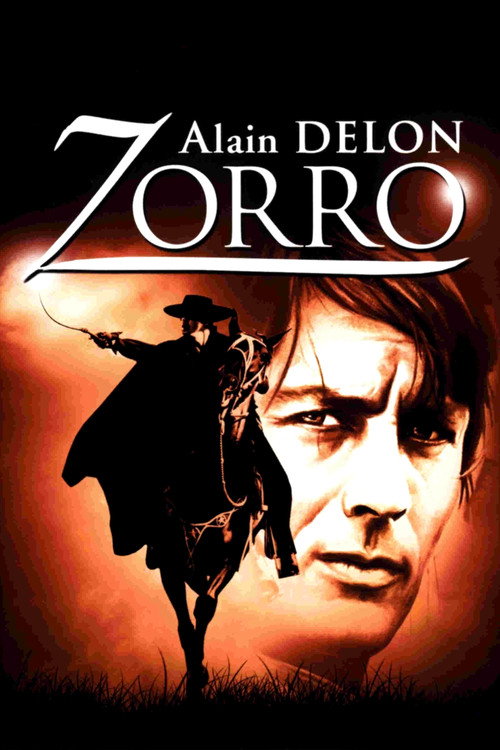
A newly arrived governor finds his province under the control of the corrupt Colonel Huerta. To avoid assassination by Huerta, he pretends to be weak and indecisive so Huerta will believe he poses no threat. But secretly he masquerades as Zorro, and joins the monk Francisco and the beautiful aristocrat Hortensia in their fight for justice against Huerta and his soldiers.
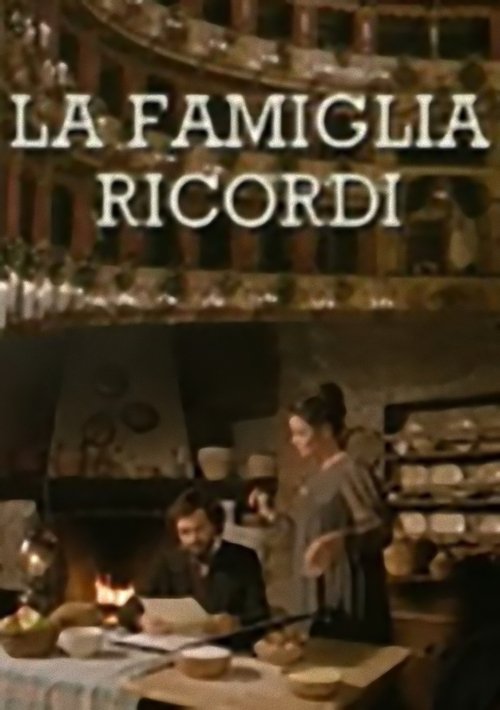
A family saga set in Italy which chronicles the life of a middle-class family. It explores the relationship between two brothers Nicola and Matteo as their life paths separate during youth, encompassing major political and social events in post–World War II Italian history.
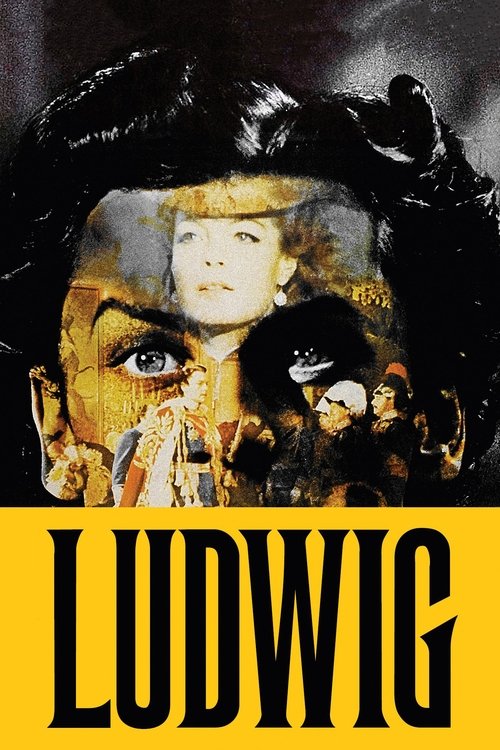
Historical evocation of Ludwig, king of Bavaria, from his crowning in 1864 until his death in 1886, as a romantic hero. Fan of Richard Wagner, betrayed by him, in love with his cousin Elisabeth of Austria, abandoned by her, tormented by his homosexuality, he will little by little slip towards madness.
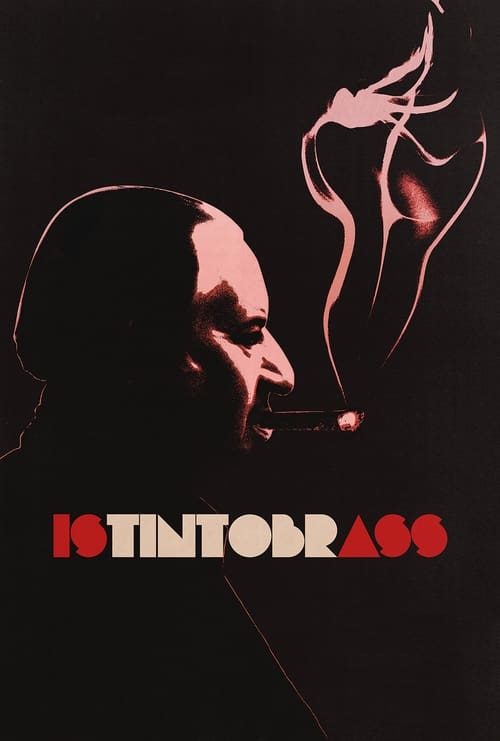
One of the most controversial, original and loved figures of Italian cinema. The most censored director of all time. An anarchist of the film, a gifted experimenter, an inventor of dreams. A truly great artist.
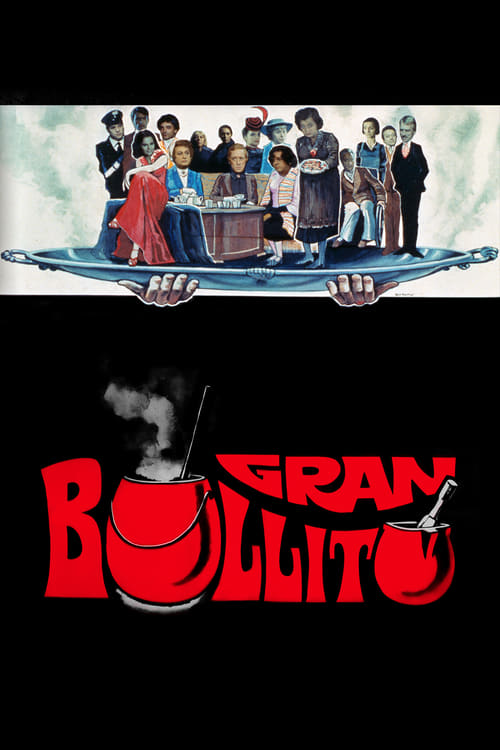
A mother so insanely overprotective of her grown son decides to make a deal with death by offering alternate victims plucked from among her fellow tenants in a 1938 Italian apartment building.
No description available.
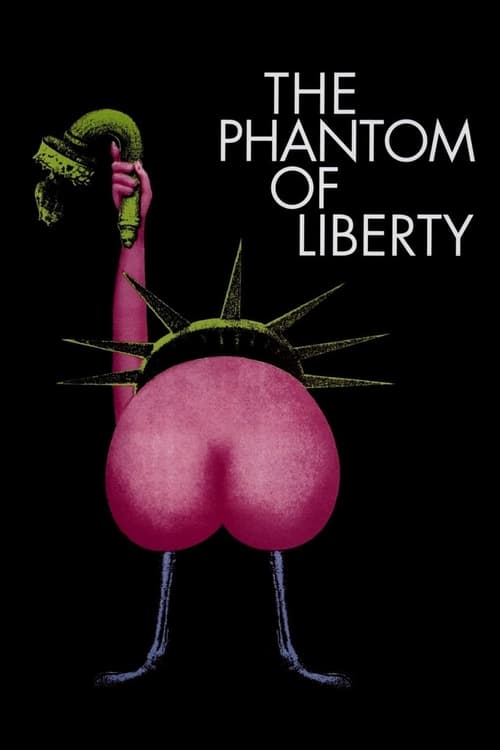
This Surrealist film, with a title referencing the Communist Manifesto, strings together short incidents based on the life of director Luis Buñuel. Presented as chance encounters, these loosely related, intersecting situations, all without a consistent protagonist, reach from the 19th century to the 1970s. Touching briefly on subjects such as execution, pedophilia, incest, and sex, the film features an array of characters, including a sick father and incompetent police officers.
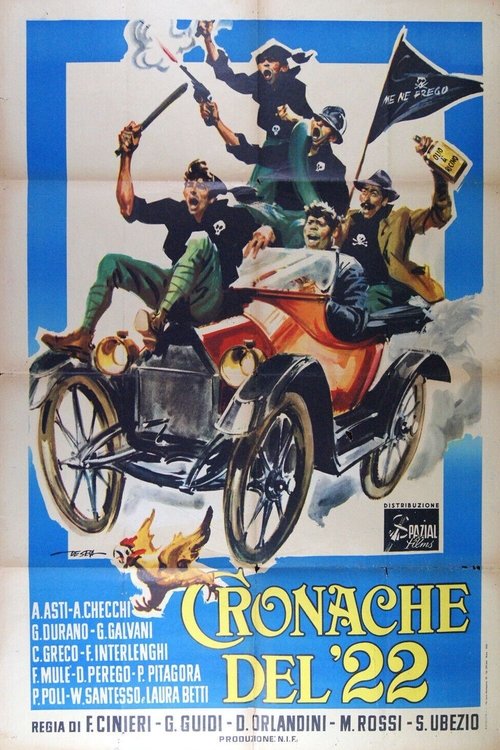
Five different episodes unfold against the backdrop of Italian historical and political events in 1922. In the first, in the aftermath of the March on Rome, two scoundrels speculate on the event. In the second, a punitive expedition enters the home of a socialist deputy. In the third, the fascists rob a countess. In the fourth, a disgraced marshal incriminates a fascist Camorra member. In the fifth, there is the story of an encounter at the seaside.
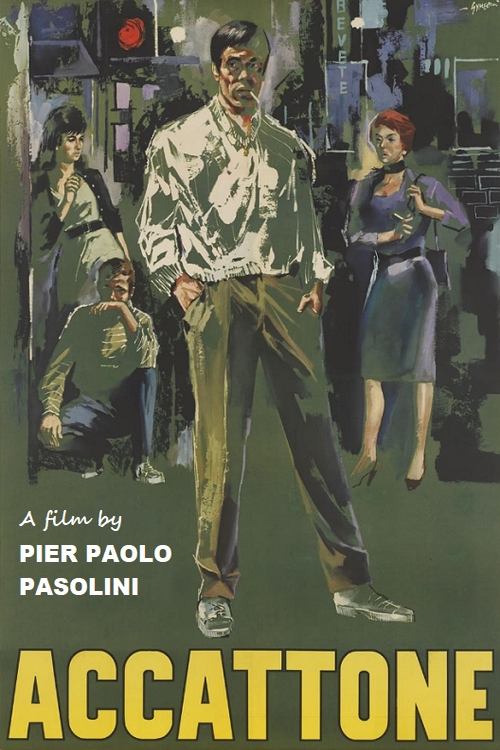
A pimp with no other means to provide for himself finds his life spiralling out of control when his prostitute is sent to prison.
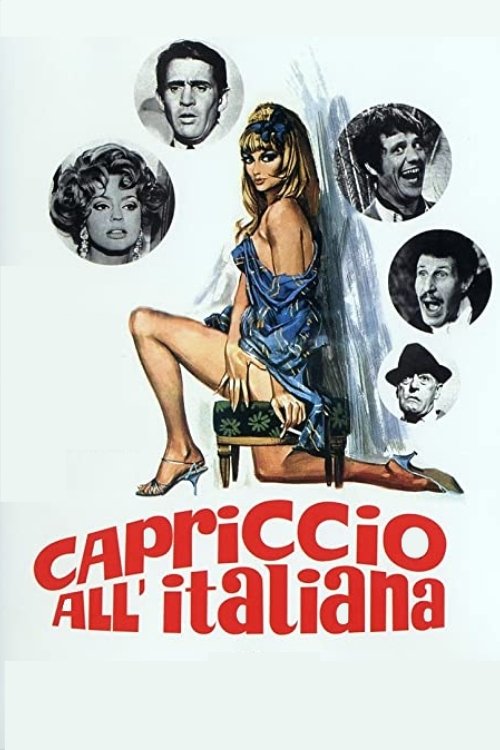
The film consists of six short stories created by different directors, but all the stories share one thing: a warm irony to current events.
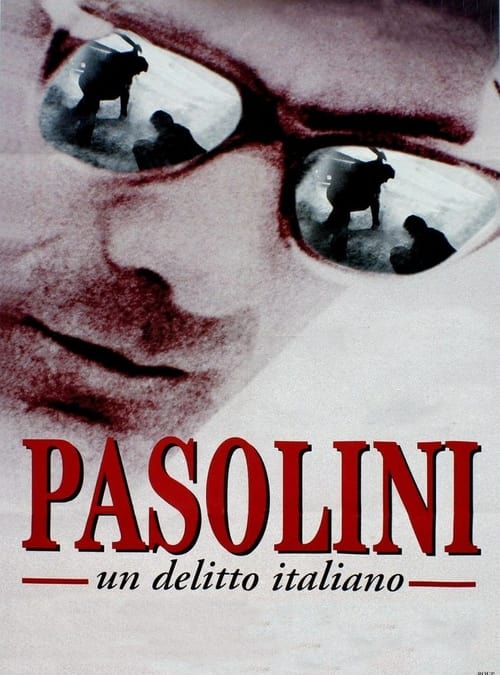
November 2, 1975: Pier Paolo Pasolini is murdered in the outskirts of Rome. The suspect, a 17-year-old hustler, pleads to have acted in self-defense, citing Pasolini's notorious sexual habits as proof. However, many inconsistencies start to undermine his version, pointing to him not having acted alone or even being assaulted in the first place. Was Pasolini also killed for another reason?
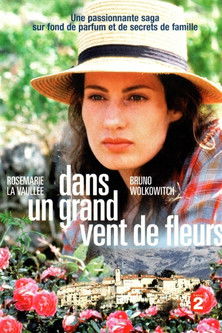
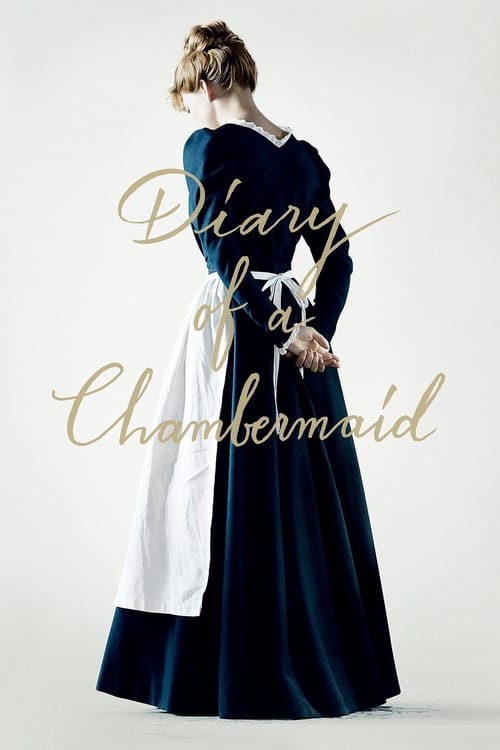
In the late 19th century, a chambermaid from Paris relocates to a remote household in Provence, engages in trysts and finds herself enraptured with a coach driver.
We are with Pasolini during the last hours of his life, as he talks with his beloved family and friends, writes, gives a brutally honest interview, shares a meal with Ninetto Davoli, and cruises for the roughest rough trade in his gun-metal gray Alfa Romeo. Over the course of the action, Pasolini’s life and his art are constantly refracted and intermingled to the point where they become one.
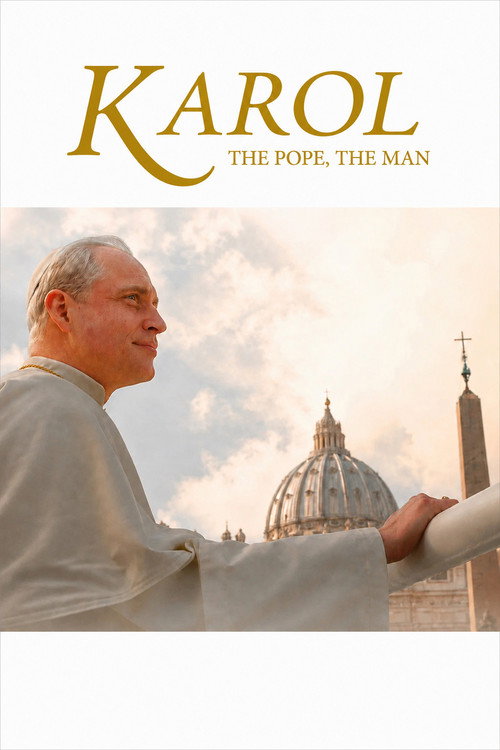
Karol: The Pope, The Man is a 2006 TV miniseries chronicling Pope John Paul II's life as pope in flashbacks from October 22, 1978's papal inauguration to his death in 2005 and was directed by Giacomo Battiato. It is the sequel to the 2005 TV miniseries Karol: A Man Who Became Pope, which portrayed John Paul's life before the papacy and ended on October 16, 1978, the day of his papal election.