Acting
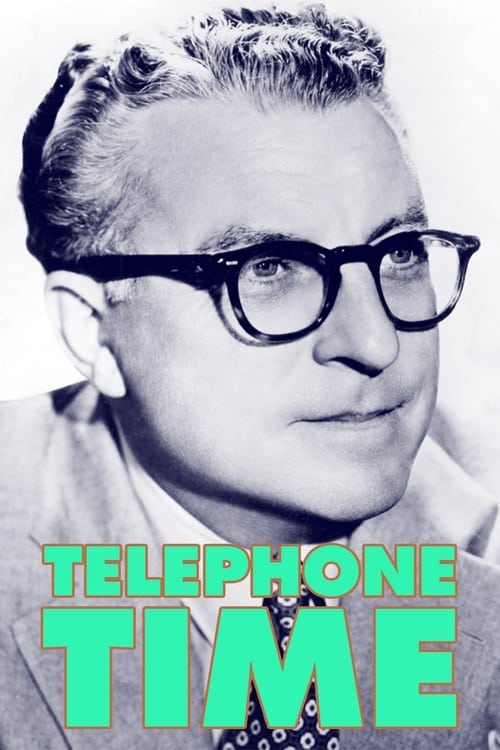
Telephone Time is an American anthology drama series that aired on CBS in 1956, and on ABC from 1957 to 1958. The series features plays by John Nesbitt who hosted the first season. Frank C. Baxter hosted the 1957 and 1958 seasons. The program was directed by Arthur Hiller.
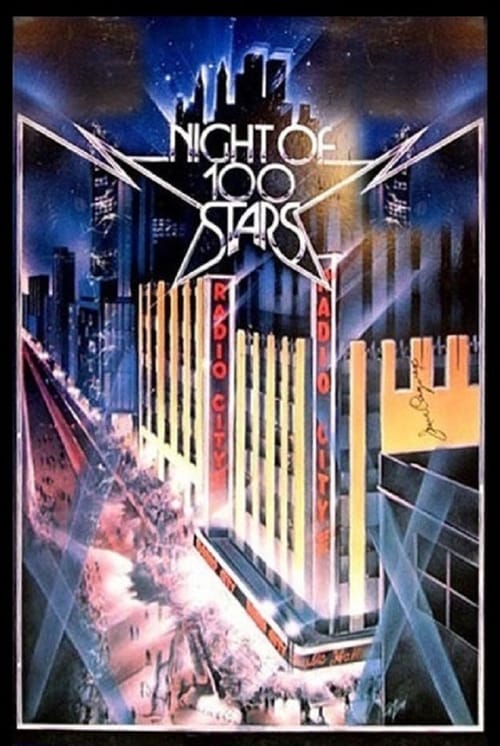
The most glittering, expensive, and exhausting videotaping session in television history took place Friday February 19, 1982 at New York's Radio City Music Hall. The event, for which ticket-buyers paid up to $1,000 a seat (tax-deductible as a contribution to the Actors' Fund) was billed as "The Night of 100 Stars" but, actually, around 230 stars took part. And most of the audience of 5,800 had no idea in advance that they were paying to see a TV taping, complete with long waits for set and costume changes, tape rewinding, and the like. Executive producer Alexander Cohen estimated that the 5,800 Radio City Music Hall seats sold out at prices ranging from $25 to $1,000. The show itself cost about $4 million to produce and was expected to yield around $2 million for the new addition to the Actors Fund retirement home in Englewood, N. J. ABC is reputed to have paid more than $5 million for the television rights.
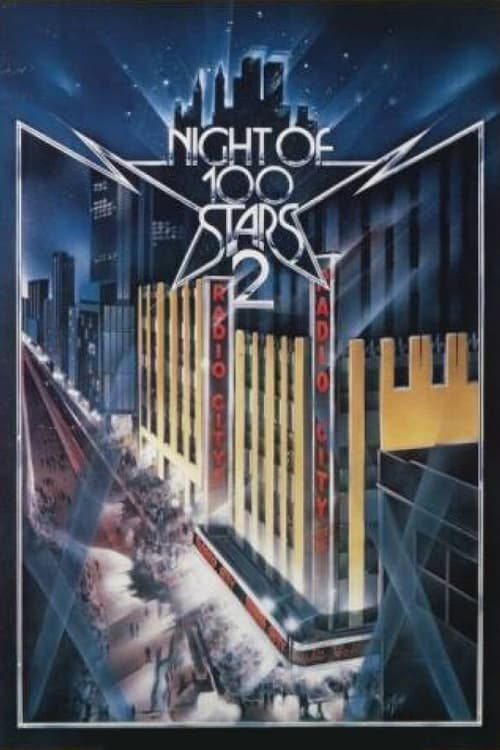
This special is the second "Night of 100 Stars" to benefit The Actors Fund of America. Edited from a seven-hour live entertainment marathon that was taped February 17, 1985, at New York's Radio City Music Hall, this sequel to the 1982 "Night of 100 Stars" special features 288 celebrities.
A slapstick burlesque of 19th Century Victorian melodrama featuring a parody of Holmes and Watson who rescue a heroine held by a mustache-twirling villain in a den of caricatured Chinese gangsters.
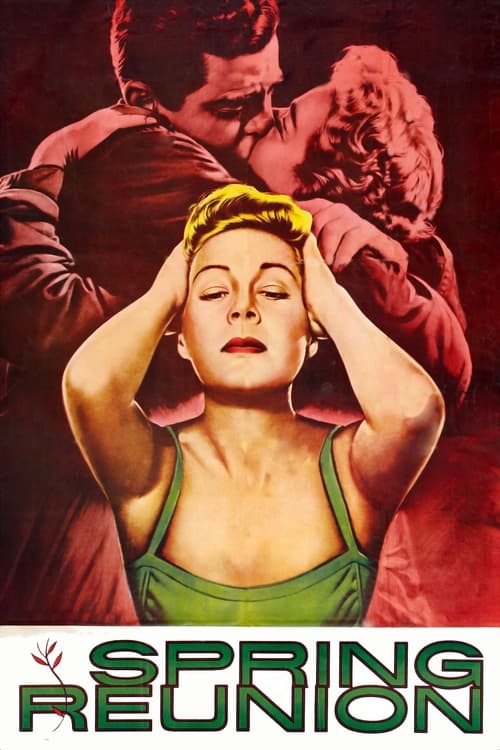
A spinster finally finds the right man when she returns to her alma mater after 15 years for a class reunion.
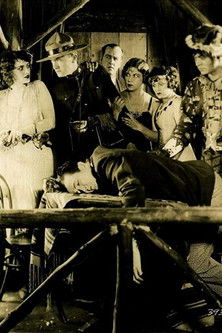
David Darby and his younger brother Ross are both members of the Royal Canadian Mounted Police. Ross is accused of murdering Slip Martin, but David doesn't believe his brother committed the murder and, not wanting to see him executed, takes the blame himself.
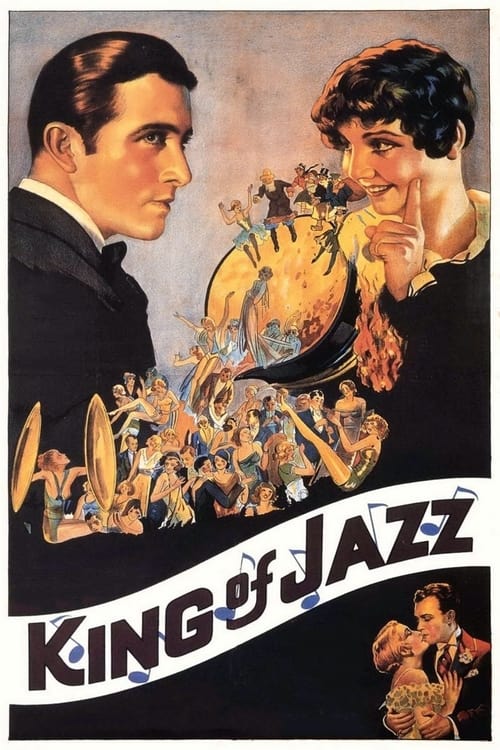
A large-scale revue musical built around Paul Whiteman and his orchestra, presenting a series of musical performances, sketches, and staged tableaux in early two-color Technicolor, emblematic of Hollywood’s early sound-era “all-star” musical productions.
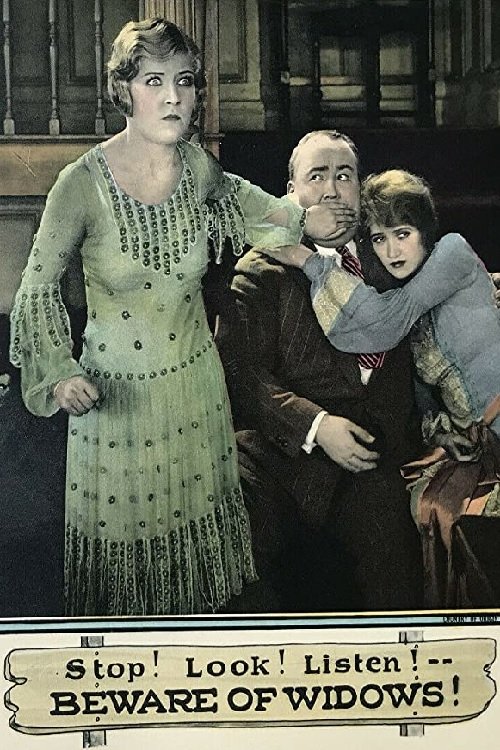
The handsome Dr. John Waller specializes in the ailments of women, or more specifically, wealthy widows.
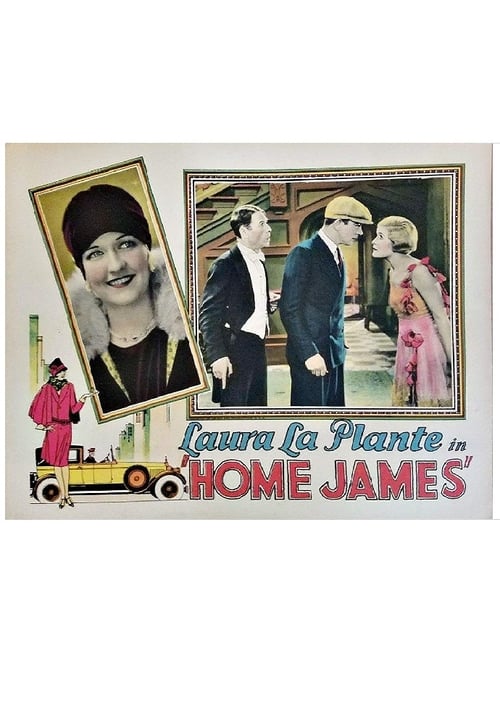
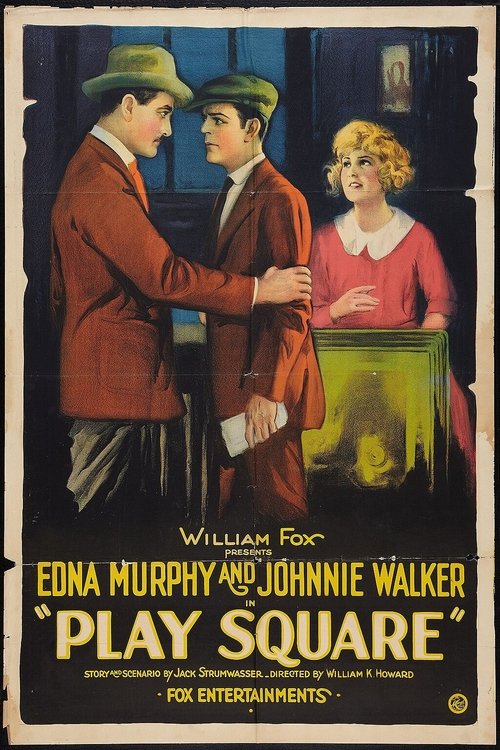
An artistic salesgirl falls in love with a chauffeur not realising he is actually the heir to a huge fortune.
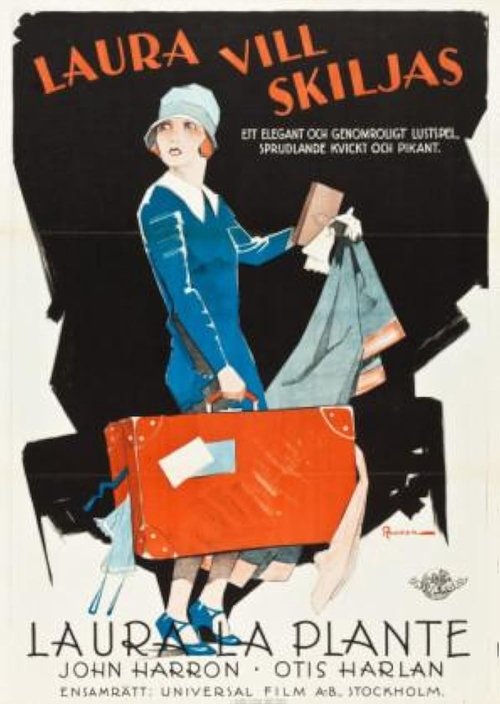
Sam and Molly Thornhill, a married couple very much in love, are nevertheless continually quarreling. On the eve of their wedding anniversary, Sam fails to notice a pair of silk stockings slipped into his pocket by a lady.
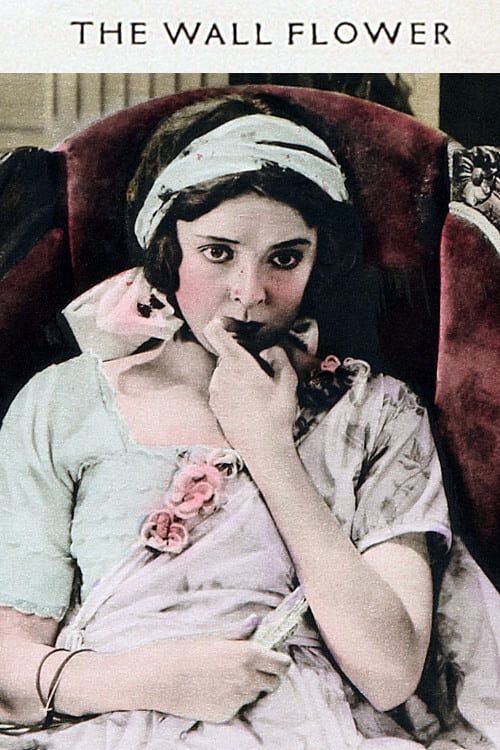
Idalene Nobbin attends a village dance but, due to the constant nagging of her mother, she believes herself to be a constitutional wallflower. By great luck she gets a dance with college football star Roy Duncan, although Roy has eyes for the village belle Prue Nickerson.
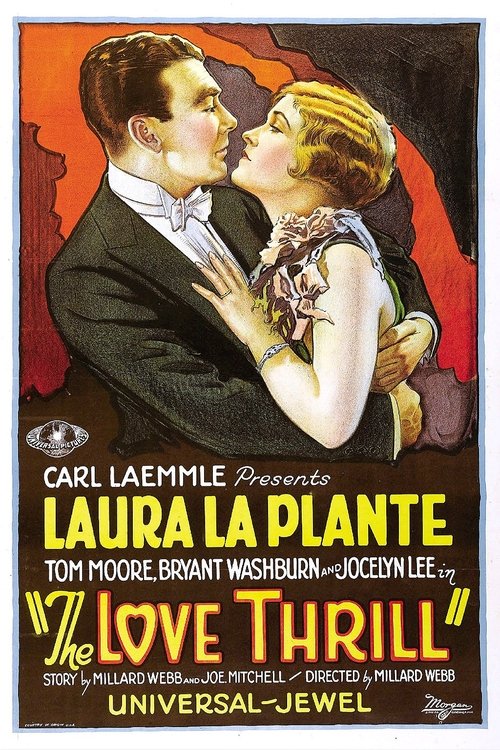
Joyce Brandon is in love with Jack Sturdevant, but he doesn't even know she's alive.
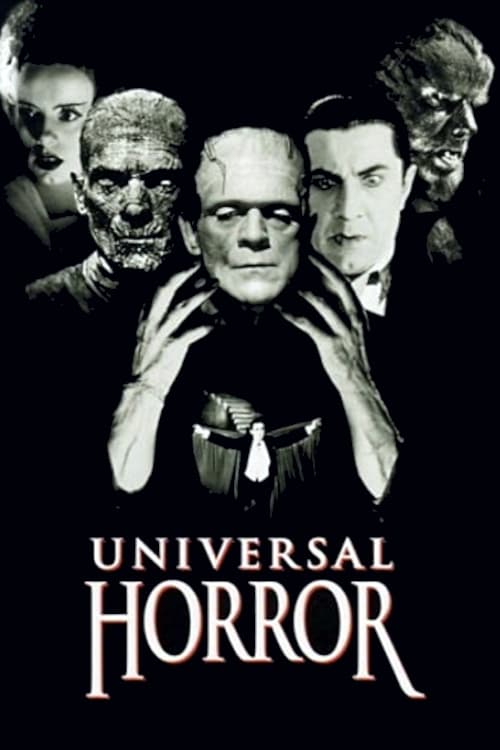
A documentary about the era of classic monster movies that were made at Universal Studios during the 1930s and 1940s.
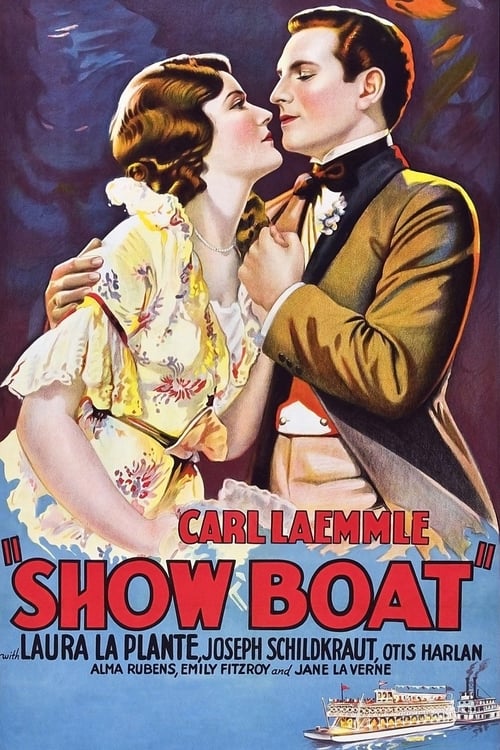
This film sticks very closely to the Edna Ferber novel, rather than the musical based on the novel. There are only two major changes from Ferber's book : *Julie in this version is a white woman, not a racially mixed one; therefore she and her husband are not unlawfully married. * Ravenal returns at the end, instead of dying as in the novel
Johnny Carroll joins a gang of thieves and is arrested by Detective McQuade for picking Judge Kerrigan's pocket. However, the judge remembers Johnny from his hometown of Meadville, and persuades him to reform. The young man returns home, takes a job in a grocery store, and renews his romance with Betty Bedford. Later, Johnny's former gang arrive in town and again try to recruit him. They induce him to crack the safe in Mr. Bedford's store, threatening to reveal his criminal past if he refuses. Upon opening the safe, Johnny refuses to be a party to the crime and fights the gang. Betty hears the commotion and returns with help. After the thieves are captured, Johnny and Betty are married.
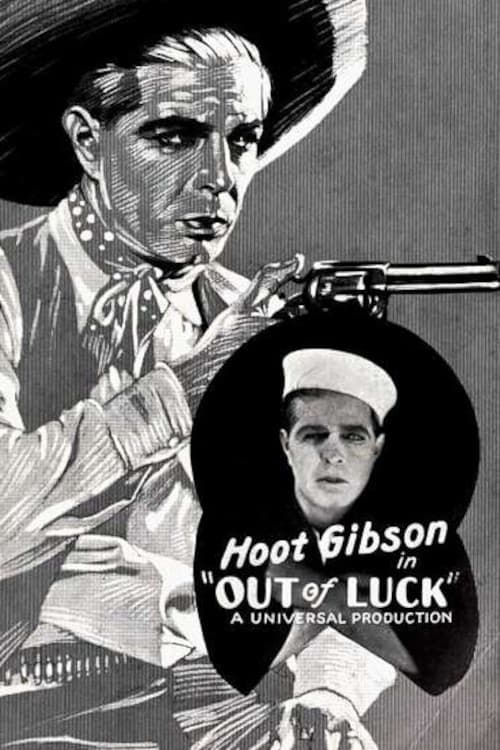
Believing he has committed murder, Sam Pertune, a simple westerner, enlists in the Navy, then cannot get released when he learns that his "victim" is alive.
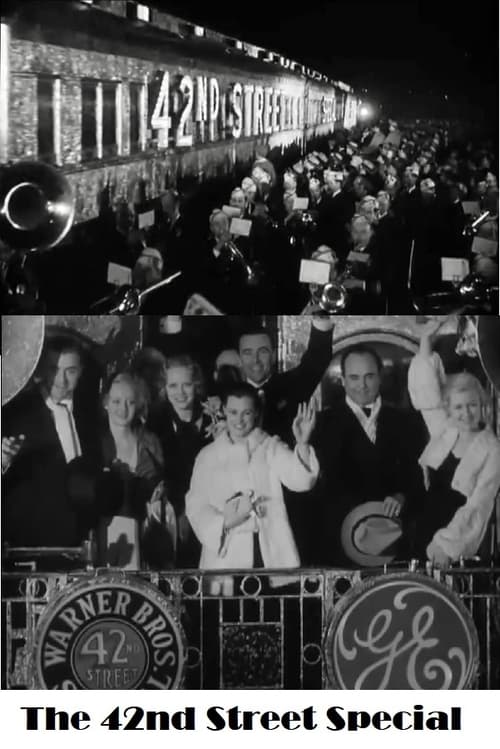
As part of a publicity campaign for the film 42nd Street (1933), Warner Bros. Pictures, with the assistance of the General Electric Corporation, assembled a 7-car gold- and silver-plated train they called "The 42nd. Street Special". With numerous Warner Bros. contract stars as passengers, the train made a tour across the USA. It was scheduled to make stops in more than 100 cities, ending in Washington, D.C. for the March 1933 inauguration of Franklin D. Roosevelt. This short film records the send-off for this trip from Los Angeles' Santa Fe Station. Using a microphone set up on the rear platform of the last car, several people addressed the crowd attending the event. Those making remarks include performers, studio executives, and the mayor of Los Angeles.
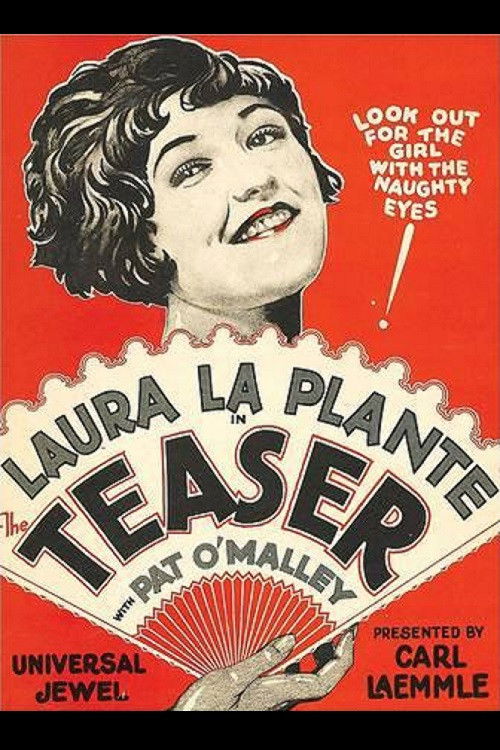
Ann Barton, the daughter of a once-wealthy family, is forced to clerk at the cigar counter of a village hotel, where she meets James McDonald, a breezy, handsome salesman. Ann is adopted by an aristocratic aunt, who disapproves of James's manners and breaks up Ann's relationship with him. Ann soon revenges herself on her aunt by placing both her aunt and herself in compromising positions.
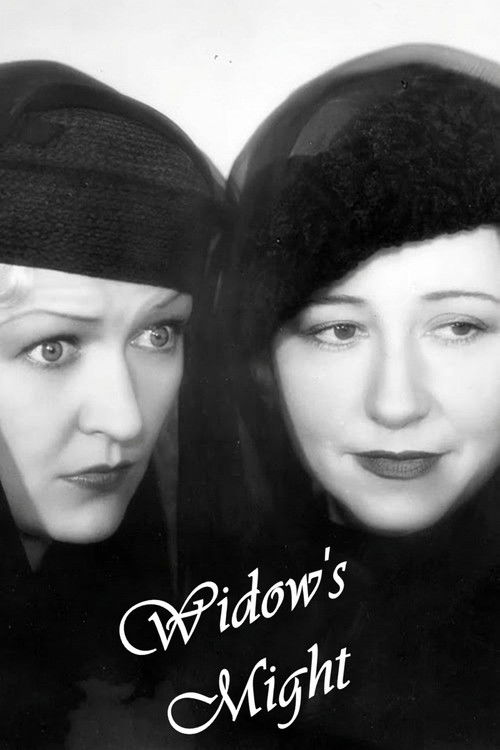
Relatives gather at a haunted mansion for a will reading where the sole heir is threatened by a clause that could disinherit her if she goes mad, all while a homicidal maniac escapes nearby.
No description available.