Acting
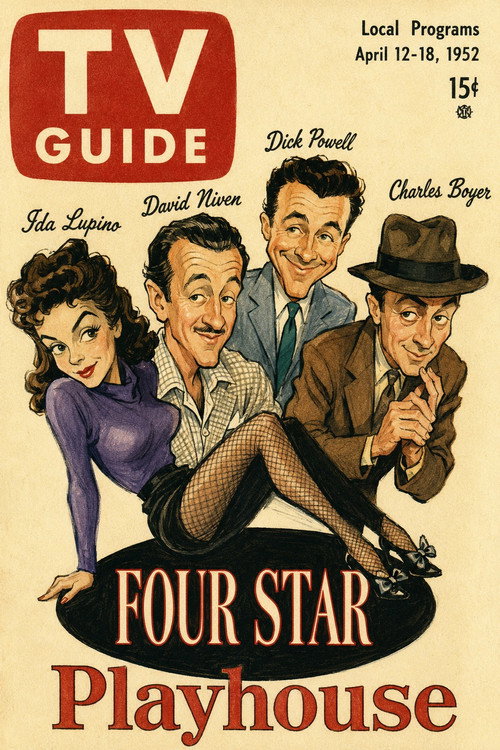
Four Star Playhouse is an American television anthology series that ran from 1952 to 1956, sponsored in its first bi-weekly season by The Singer Company; Bristol-Myers became an alternate sponsor when it became a weekly series in the fall of 1953. The original premise was that Charles Boyer, Ida Lupino, David Niven, and Dick Powell would take turns starring in episodes. However, several other performers took the lead from time to time, including Ronald Colman and Joan Fontaine. Blake Edwards was among the writers and directors who contributed to the series. Edwards created the recurring character of illegal gambling house operator Willie Dante for Dick Powell to play on this series. The character was later revamped and spun off in his own series starring Howard Duff, then-husband of Lupino. The pilot for Meet McGraw, starring Frank Lovejoy, aired here, as did another episode in which Lovejoy recreated his role of Chicago newspaper reporter Randy Stone, from the radio drama Nightbeat.
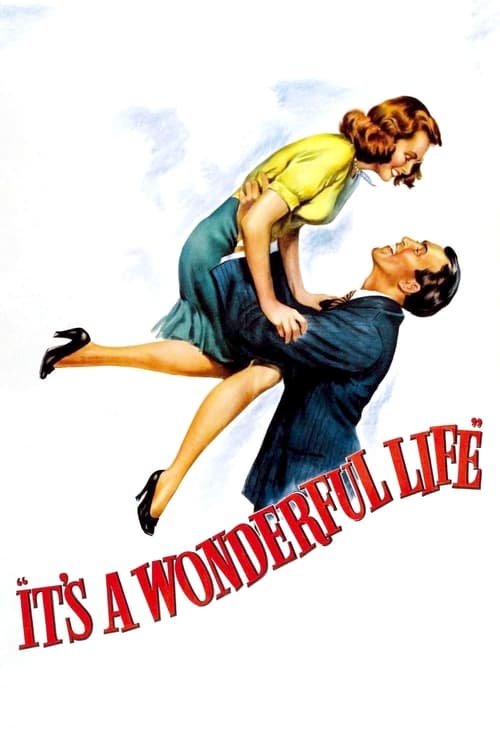
George Bailey has spent his entire life giving to the people of Bedford Falls. All that prevents rich skinflint Mr. Potter from taking over the entire town is George's modest building and loan company. But on Christmas Eve the business's $8,000 is lost and George's troubles begin.
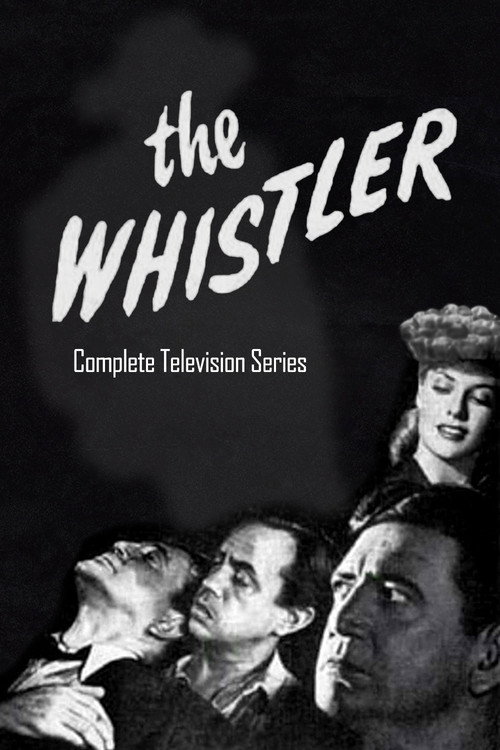
No description available.
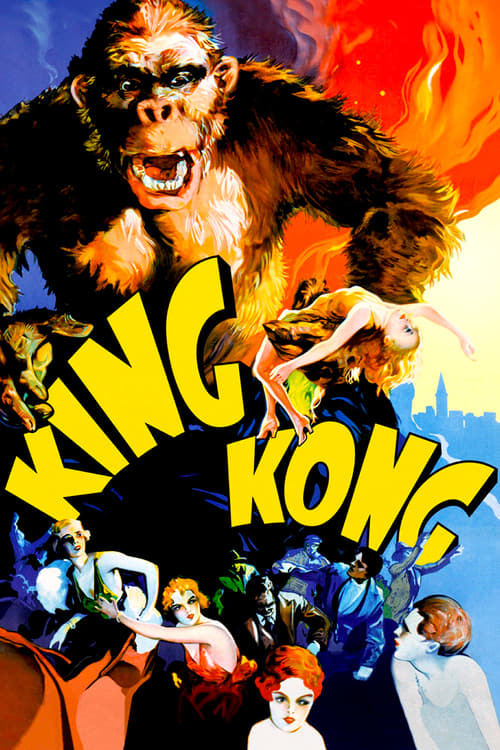
Adventurous filmmaker Carl Denham sets out to produce a motion picture unlike anything the world has seen before. Alongside his leading lady Ann Darrow and his first mate Jack Driscoll, they arrive on an island and discover a legendary creature said to be neither beast nor man. Denham captures the monster to be displayed on Broadway as King Kong, the eighth wonder of the world.
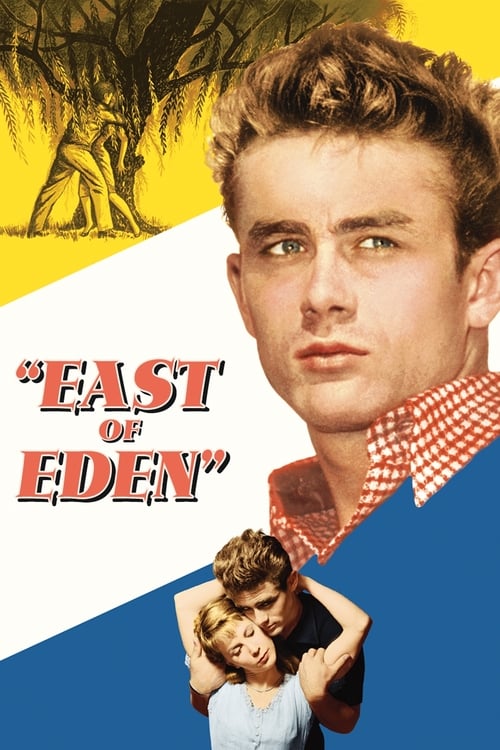
In the Salinas Valley in and around World War I, Cal Trask feels he must compete against overwhelming odds with his brother for the love of their father. Cal is frustrated at every turn, from his reaction to the war, how to get ahead in business and in life, and how to relate to his estranged mother.
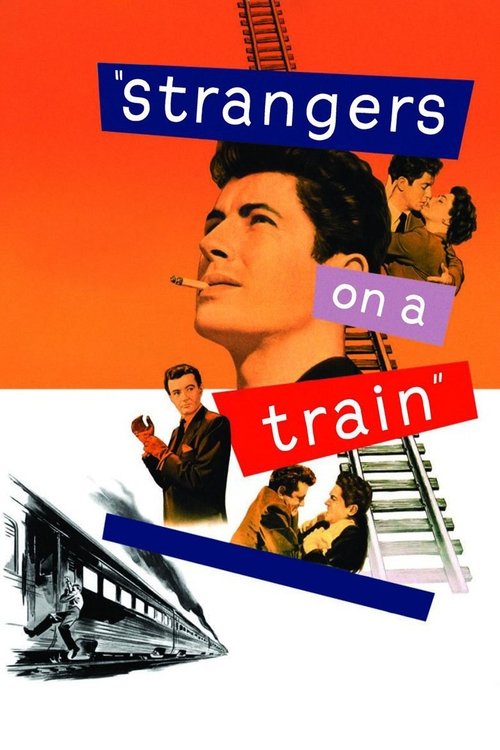
A charming psychopath tries to coerce a tennis star into his theory that two strangers can commit the perfect crime by exchanging murders—each killing the other’s most-hated person.
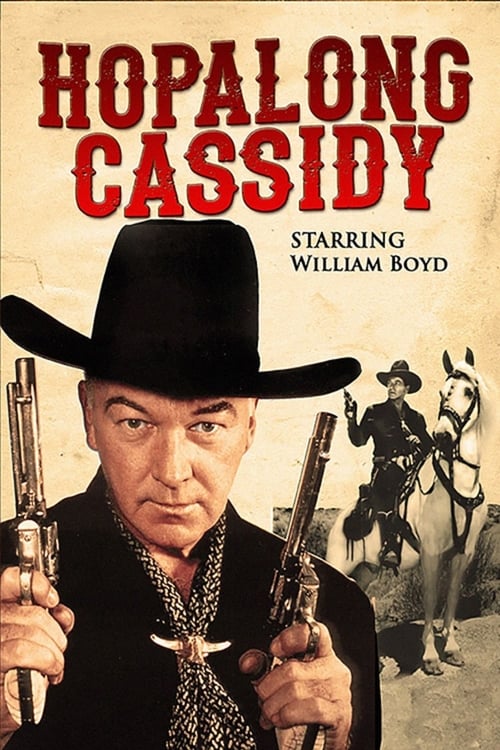
Hopalong Cassidy was television's first western program. The series aired on NBC and stared William Boyd as the cowboy Hopalong Cassidy.
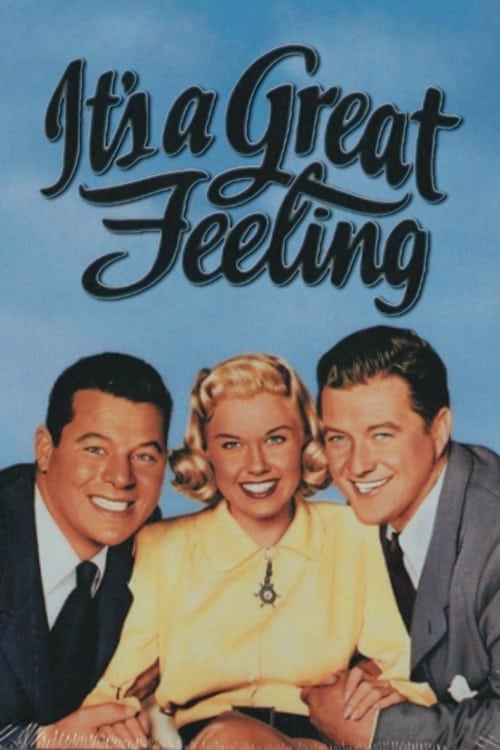
A waitress at the Warner Brothers commissary is anxious to break into pictures. She thinks her big break may have arrived when actors Jack Carson and Dennis Morgan agree to help her.
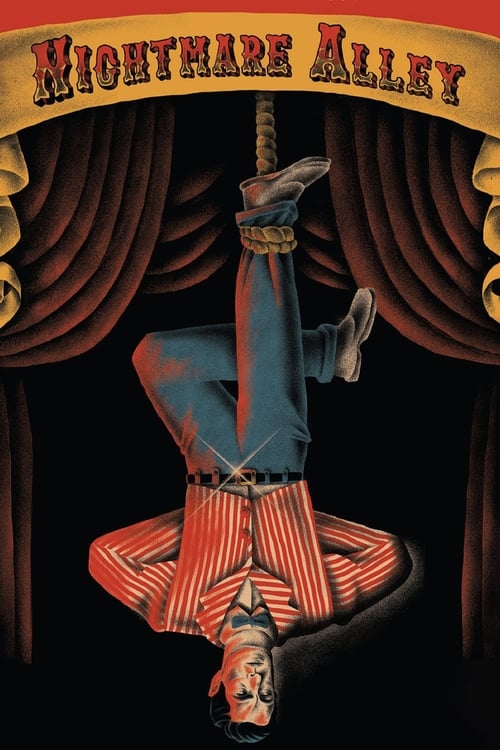
A roustabout joins a traveling carny and schemes to figure out the mind-reading act of Mademoiselle Zeena and her alcoholic husband.
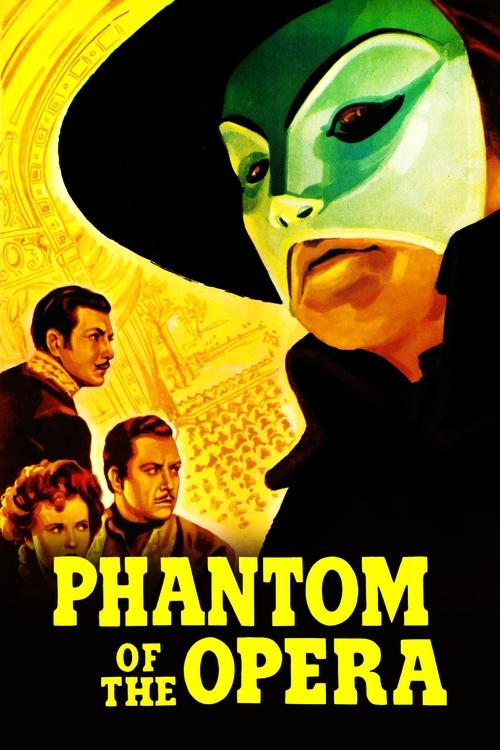
Following a tragic accident that leaves him disfigured, crazed composer Erique Claudin transformed into a masked phantom who schemes to make beautiful young soprano Christine Dubois the star of the opera and wreak revenge on those who stole his music.
A group of academics have spent years shut up in a house working on the definitive encyclopedia. When one of them discovers that his entry on slang is hopelessly outdated, he ventures into the wide world to learn about the evolving language. Here he meets Sugarpuss O’Shea, a nightclub singer, who’s on top of all the slang—and, it just so happens, needs a place to stay.
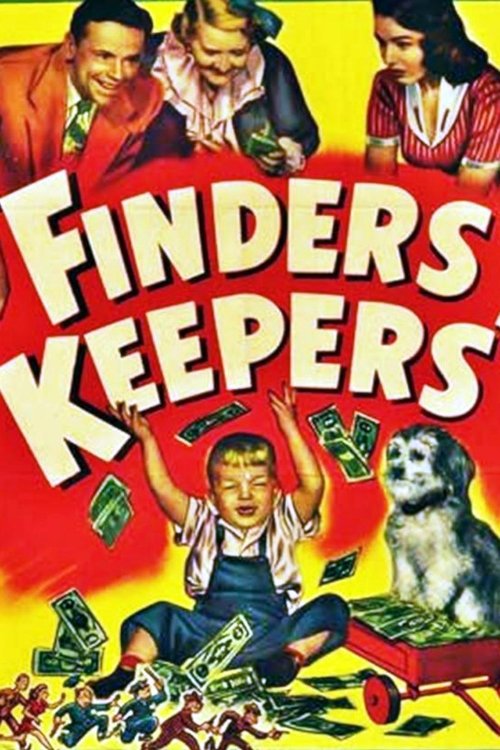
A curious toddler creates trouble when he finds bank robbers' loot
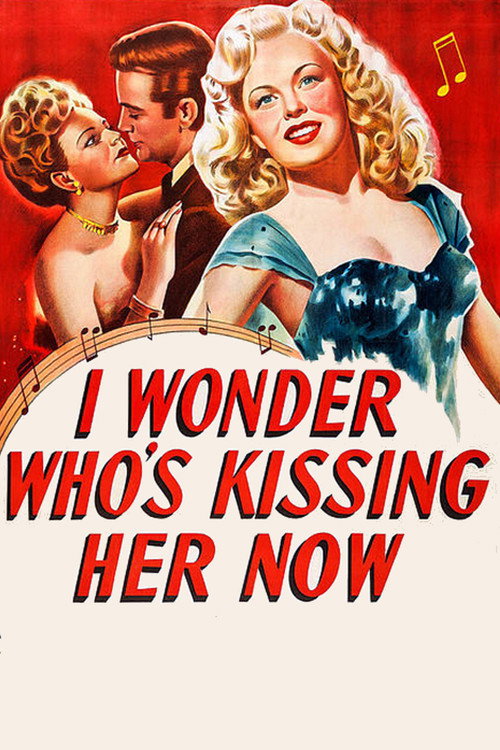
A biopic of the career of Joe Howard (12 Feb.,1878 - 19 May, 1961), famous songwriter of the early 20th Century. Howard wrote the title song, Goodbye, My Lady Love; and Hello, My Baby among many others. Mark Stevens was dubbed by Buddy Clark, well known singer of the 30's and 40's
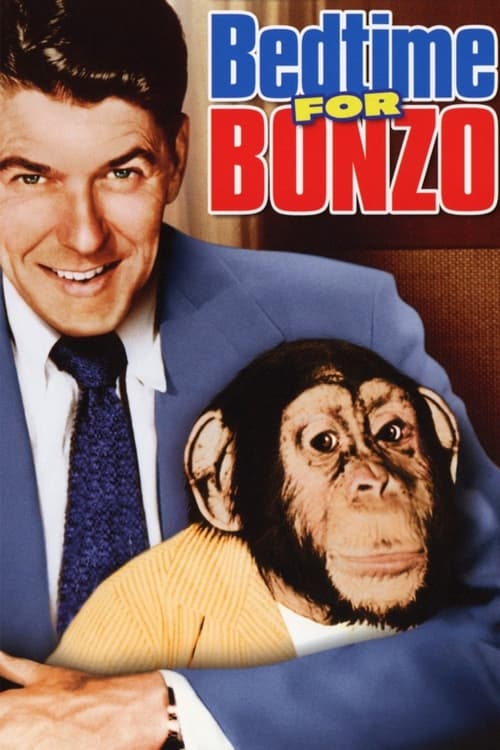
College prof Peter Boyd tries to salvage his professional and personal reputation by using a lab chimp to prove that environment trumps heredity in behavioral development.
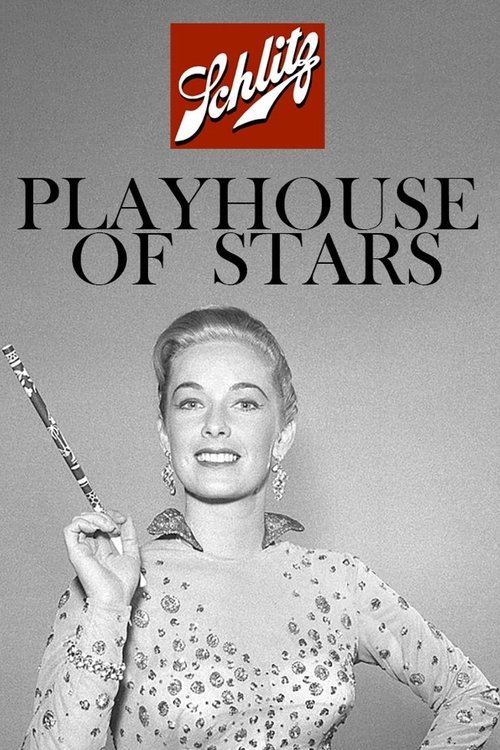
Schlitz Playhouse of Stars is an anthology series that was telecast from 1951 until 1959 on CBS. Offering both comedies and drama, the series was sponsored by the Joseph Schlitz Brewing Company. The title was shortened to Schlitz Playhouse, beginning with the fall 1957 season.
A gang of inept crooks and even more inept lawmen search for a cache of hidden money.
A prim psychology professor fights to hide a murder she committed in self-defense.
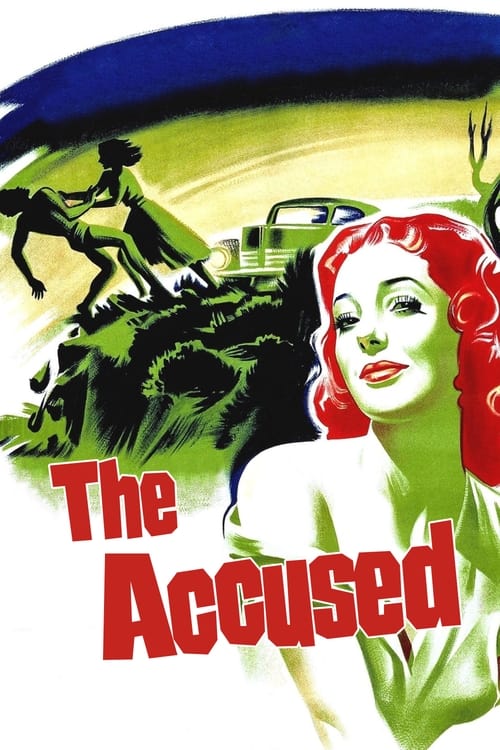
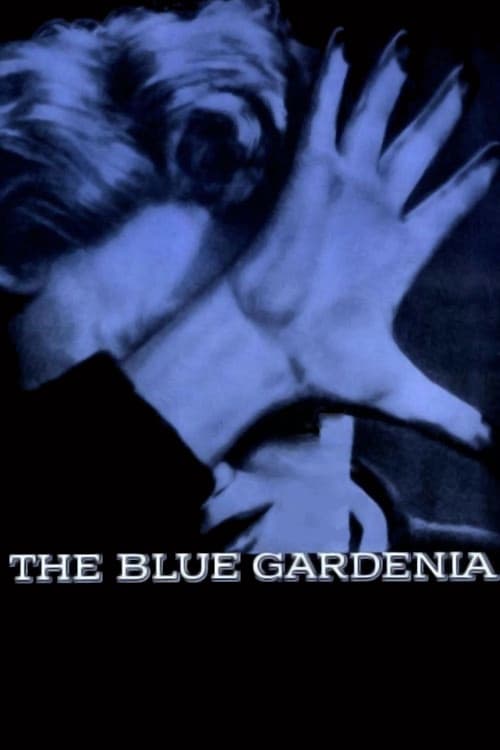
Upon waking up to the news that the man she’d gone on a date with the previous night has been murdered, a young woman with only a faint memory of the night’s events begins to suspect that she murdered him while attempting to resist his advances.
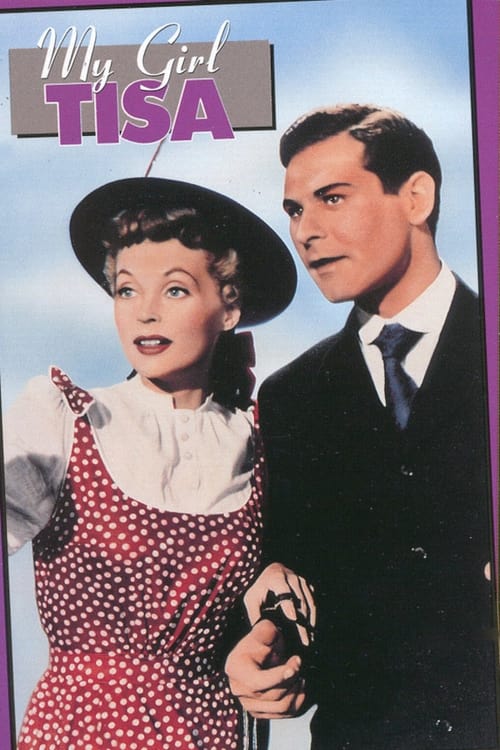
1905 was a period of heavy immigration from Europe to America before laws were passed restricting the flow of immigrants. Almost every character in this movie is a recent arrival. Tisa has been in America only four months, yet she is holding four jobs to save enough money to pay for her father's boat passage to America. She works in a garment factory in Greenwich Village owned by Mr. Grumbach, who is studying to pass his citizenship test. Denek, a brash young man, tries to help her but gets her into trouble and her deportation is ordered by an immigration judge.
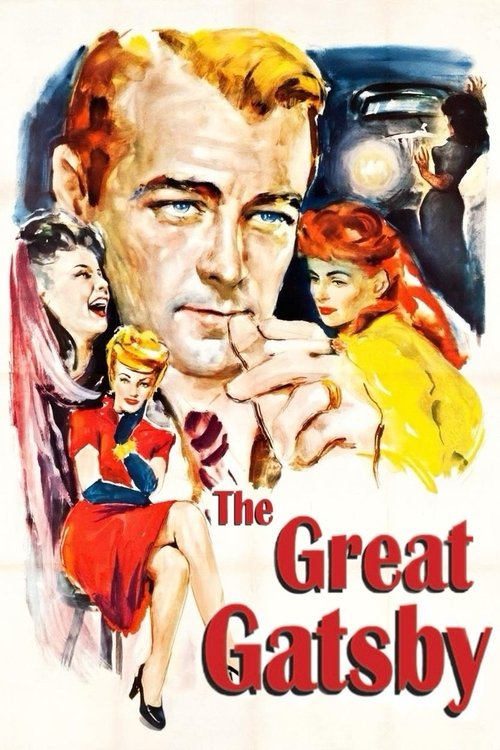
Nick Carraway, a young Midwesterner now living on Long Island, finds himself fascinated by the mysterious past and lavish lifetyle of his landlord, the nouveau riche Jay Gatsby. He is drawn into Gatsby's circle, becoming a witness to obsession and tragedy.