Chantal duPont
Acting
Biography
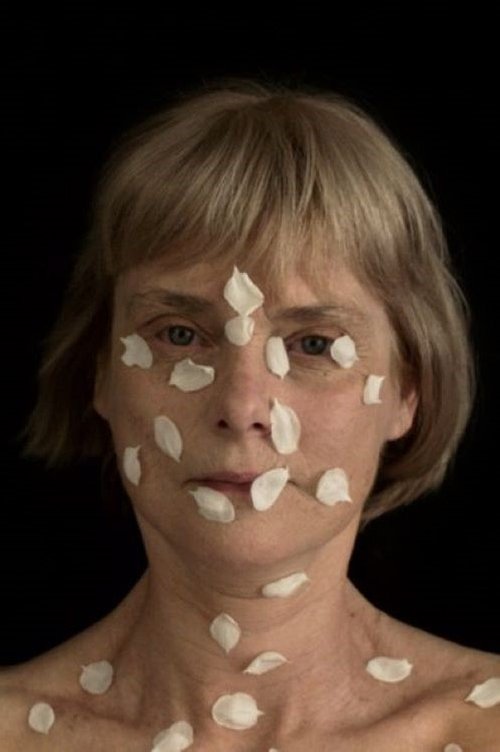
Chantal duPont (1942-2019) was a multidisciplinary Canadian artist based in Montreal. She worked in multimedia, photography, painting, sculpture, graphics and writing. For much of her career, she was an associate professor at the Université du Québec à Montréal. She is remembered in particular for her award-winning video art.
Known For

In public places like parks, squares and the cemeteries of Paris lie our fugitive fragments of memory. Our impulse to gaze with a sweeping action over these things a little invites us to play or guess at multiple histories. Time stops for a moment, creating a space in which to think, a place where we can each recreate our history.
Trois tours et puis s'en vont
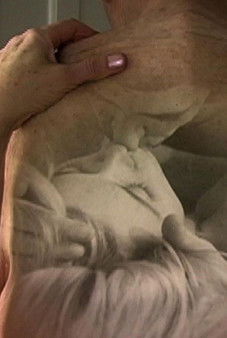
The author shows photographs from the youth of her partner’s body-screen while massaging his back. A loving tussle between images of the past and a present marked by the passage of time.
Corps à corps
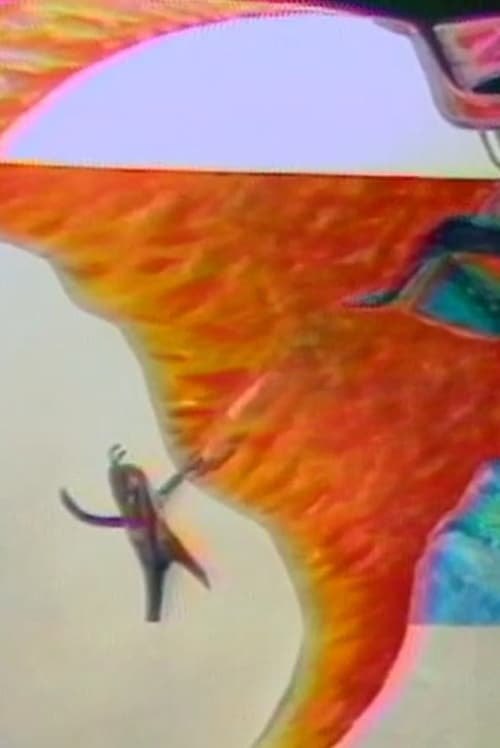
This video links man's prehistoric traces in nature to the myth of the destruction of humanity. The birds speak about the frailty of the balance between culture and nature. Primitive figures which evoke Peruvian history emerge from Chantal duPont's paintings and take part in actual situations. In his flight, the eagle releases aman, only to eventually become his prisoner. From within a blaze where birds are consumed, a human form emerges. It has become both stone and archeological symbol.
Paroles d'oiseaux à Toro Muerto

To plait his hair when you had lost it is a straight gesture of resistance. This video was made within the context of «collage-vidéo» on the subject Resistance arranged by Femlink.
Résistance
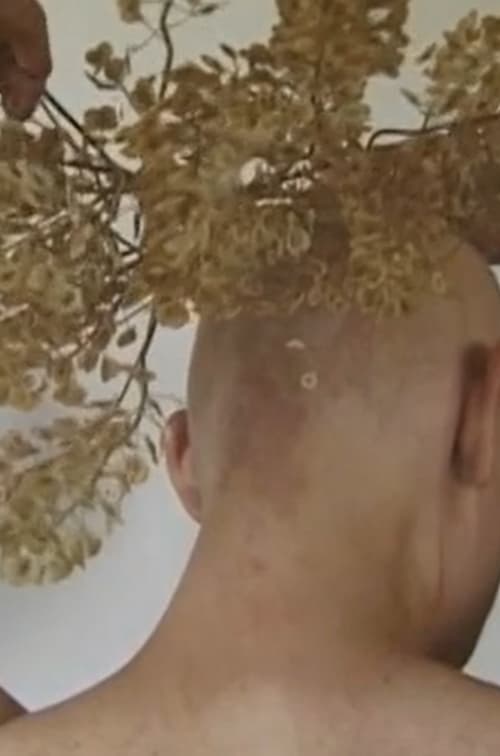
This video diary, filmed between May 4, 1999 and February 1, 2000, brings together a series of self-portraits, a head in all its states.
Headstrong
A feminine character stages fragments of paintings through dance. The metaphoric body constitutes the essence of this artwork. Two narrations are conjugated in the present and in the past : one speaks of the human quest for survival and the threat of man's intervention in nature, while the other evokes a wild nature where characters and animals are emerging. Paintings of Caravagio, Della Francesca, and Douanier Rousseau overlap the two accounts.