Editing
No description available.
Siesta has a strange problem. Despite her best efforts, she always ends up falling unexpectedly asleep. Her dreams are wild interpretations of literary classics, mythological legends, along with the greatest stories of humanity.
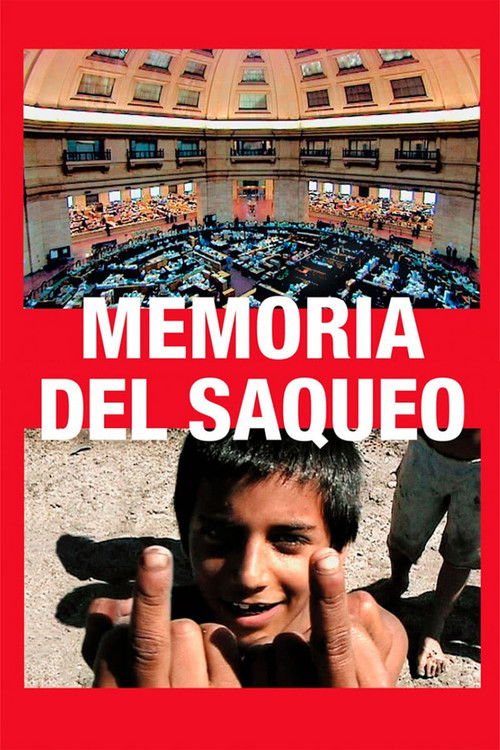
After the fall of the military dictatorship in 1983, successive democratic governments launched a series of reforms purporting to turn Argentina into the world's most liberal and prosperous economy. Less than twenty years later, the Argentinians have lost literally everything: major national companies have been sold well below value to foreign corporations; the proceeds of privatizations have been diverted into the pockets of corrupt officials; revised labour laws have taken away all rights from employees; in a country that is traditionally an important exporter of foodstuffs, malnutrition is widespread; millions of people are unemployed and sinking into poverty; and their savings have disappeared in a final banking collapse. The film highlights numerous political, financial, social and judicial aspects that mark out Argentina's road to ruin.
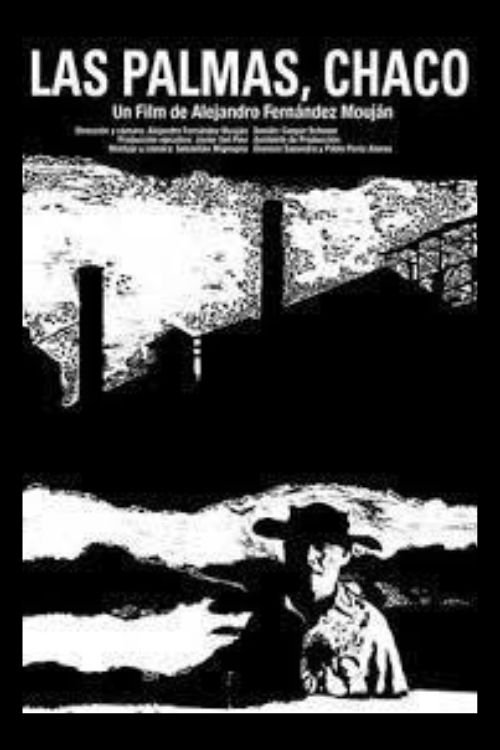
Las Palmas is a town that had promising beginnings due to the installation on the site of the Las Palmas sugar mill of the Hardy brothers. Thanks to this establishment, at the end of the 19th century the town became the first town to have an electrical power network in Argentina. The mill's bankruptcy process - which began in 1971 and ended with the auction of the properties in 1993 - meant the elimination of the main source of work in the town.
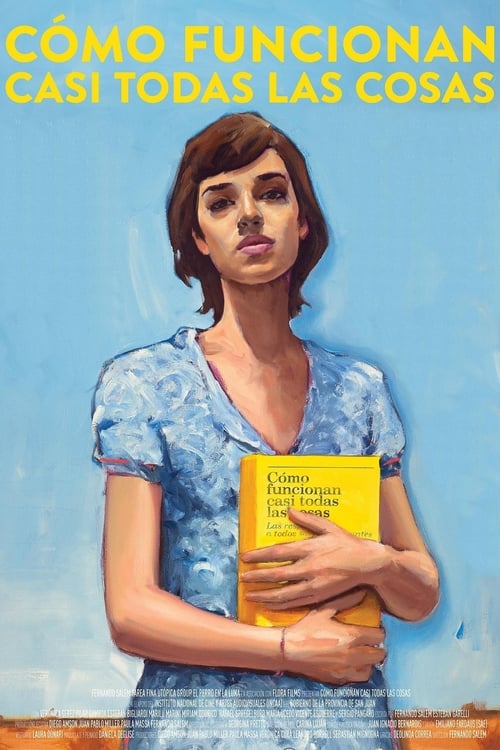
Celina works at a remote tollbooth on a desert road, few days before Christmas, her father dies and Celina becomes a door-to-door encyclopedia saleswoman so she can earn enough money to travel to Italy and find her mom.
The main economic, political, social and cultural processes of Argentina, from its beginnings to its most recent history. Through animated illustrations, historical archive and emblematic photographs from different eras, we approach different moments that have been key in the development of the country and that propose a starting point for debate and reflection.