Acting
Alma Prica is a Croatian stage and screen actress.
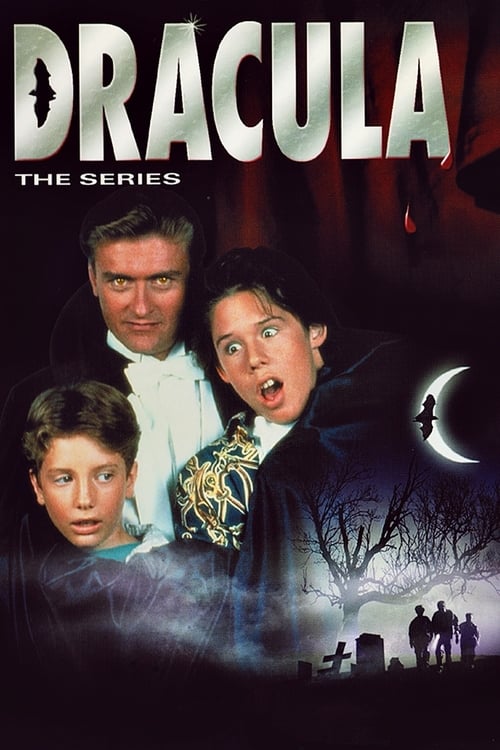
Dracula: The Series is a short-lived syndicated children's horror television series developed by Glenn Davis and William Laurin, about Count Dracula (aka Alexander Lucard; A. Lucard, if you will) and his struggles with Gustav Helsing, Gustav's young nephews Max and Chris Townsend, and schoolgirl Sophie Metternich, with whom Chris develops romantic feelings. The series formula is relatively straightforward, with the four heroes learning of some nefarious plot by Dracula and setting out to foil it, with some success. In keeping with the novel, but not most media lore, vampires can travel in sunlight but lack their abilities. Anyone bitten just once by a vampire transform into a zombie-like servant; this process is preventable by applying holy water to the bite.
A community nurse Ema comes to work in a small village in the lowlands as a replacement, where she discovers the diary that her antecedent left behind, thus finding out more about the ill children she cured and the secrets of this sleepy settlement.
The four private episodes connect several people who keep appearing, such as Inspector Danilo and his assistants. The first case begins when the conductor of a night tram at dawn discovers the body of an unknown man under the underpass ...
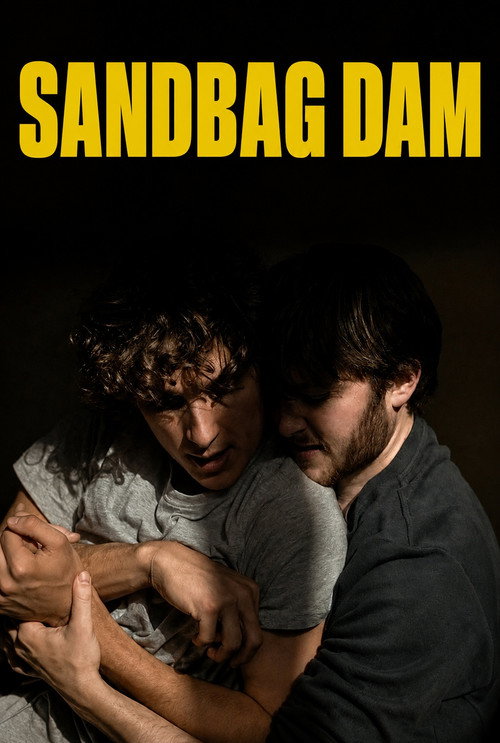
A story about a forbidden love set in a village threatened by swollen rivers. Upon his return home for his father’s funeral, Slaven revives his relationship with his childhood friend, a young sportsman named Marko, his teenage love, and the reason his father kicked him out of the house. Now tempted to reunite, they need to make peace with their own decisions and struggle against the family restraints.
A young and successful copywriter Alan Despot, after trying in vain to renew a broken relationship with his girlfriend, goes to the island of Vis and finds himself torn between his eccentric father, another ex-girlfriend and her fiancé. New situations and circumstances help Alan to view his own life from a new perspective.
In the mid-1950s, an unnamed convict succsesfully manages to escape from the Goli Otok prison island, seeking shelter in a monastery on the nearby island of Rab and striking a kinship with one of the nuns in it. A few days later, an agent of the Yugoslav State Security Service arrives on the island, desperate to find the man's whereabouts. The nuns and the monks face a decision of their lifetime. Are they going to turn the wounded man they know nothing about to the authorities, or will they continue concealing him and risk their lives in the process?
During the Croatian War of Independance of the 1990s, a group of soldiers knocks on the door of a small family apartment. Šomi, the youngest of the family, tries to protect them at all costs.
Daša, a succsesful entrepeneur, returns to Croatia to take care of her dying mother after years of working abroad, learning to value her family and take the wheel as the new head of the household.
Based on the motifs of Slavko Batušić’s play Chamber Trio, the main characters are sisters Julia and Regina, and Regina’s husband Marcel, in the vortex of an intimate and psychological drama of unresolved marital relations.
A young pianist joins the partisans because he decides not to play for the Germans before the scheduled concert. By taking a random path, guided by his conscience, he was initially accused of being a spy. The young pianist will feel a certain uneasiness among the partisans all the time, thinking that the task of the moment is only a direct struggle with the enemy.
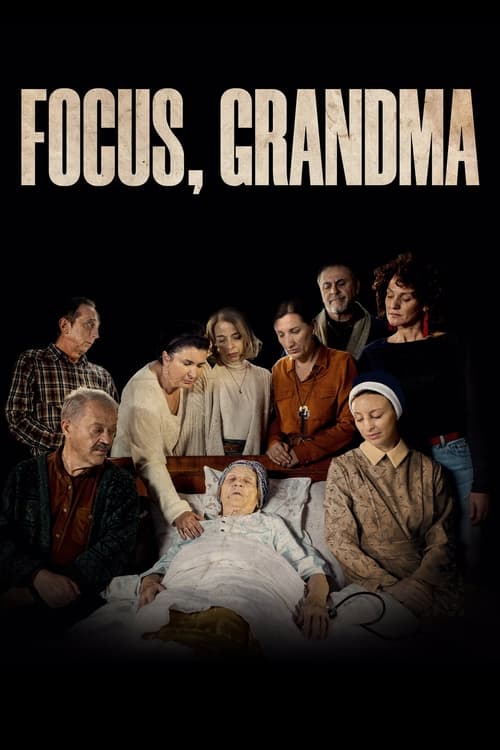
April 1992. Members of a large family strewn around the former Yugoslavia gather around the death bed of their elderly matriarch. She is not well, but the forecast of a family doctor that her death is a matter of minutes away proves incorrect, so the waiting stretches out for days. Relatives start bickering, playing tricks and arguing over the inheritance to be left by the old woman, especially over her large family house in Sarajevo. Despite her deteriorating health, Grandma happily joins the fray. It appears as if that might be what is keeping her alive. Family feuds and intrigues directed against one of the sisters are more important to the family than the clear, terrifying signs of an approaching cataclysm. When the scheming is finally revealed, it is too late. A war has begun in Sarajevo.
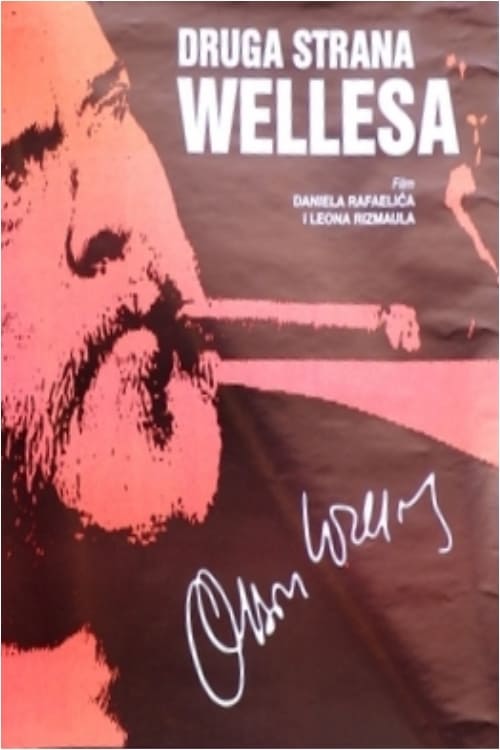
Film The Other Side of Welles portrays the life, work and intellectual heritage of Orson Welles in Yugoslavian federal unit "Socialist Republic of Croatia". Through the period of 25 years, he appeared as actor in several co productions made in Croatia (David and Goliath, Tartars, Austerlitz) - acted in few Yugoslavian film (Battle of Neretva, The Secret of Nicola Tesla) and directed two of his own film: The Trial and The Deep. As a Hollywood maverick, in Croatia he often found his shelter. Through the never before seen archive materials and the interviews with the people who worked with him, directors of this film, in the 90th anniversary of his birth and 20th of his passing, reveal the other side of Orson Welles
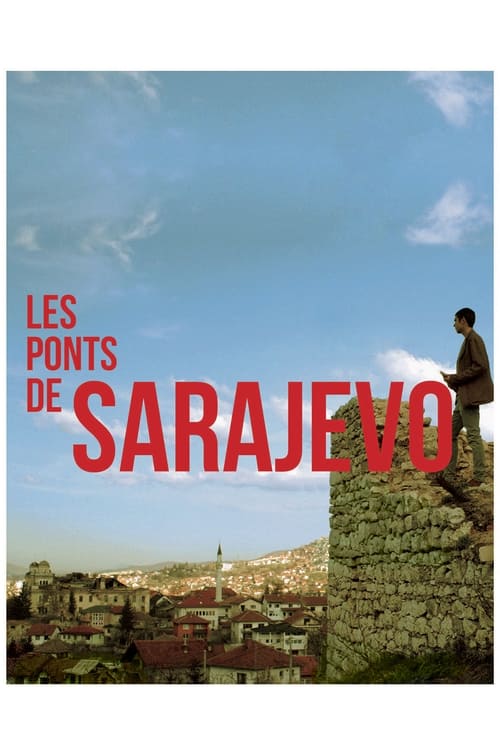
Thirteen European directors explore the theme of Sarajevo; what this city has represented in European history over the past hundred years, and what Sarajevo stands for today in Europe. These eminent filmmakers of different generations and origins offer exceptional singular styles and visions.
The extended version of the eponymous film served as a TV mini-series. The plot is centered in the city of Karlovac in 1992, during the Croatian War of Independence. The front lines, where Croatian and Serbian forces fight each other, lie near the city. Meanwhile, in the city of Karlovac, a Serbian civilian Vasić is murdered. The story follows the local police officer Barbir (Dražen Kühn), who tries to solve the murder in spite of ethnic hatred and war revolving nearby.
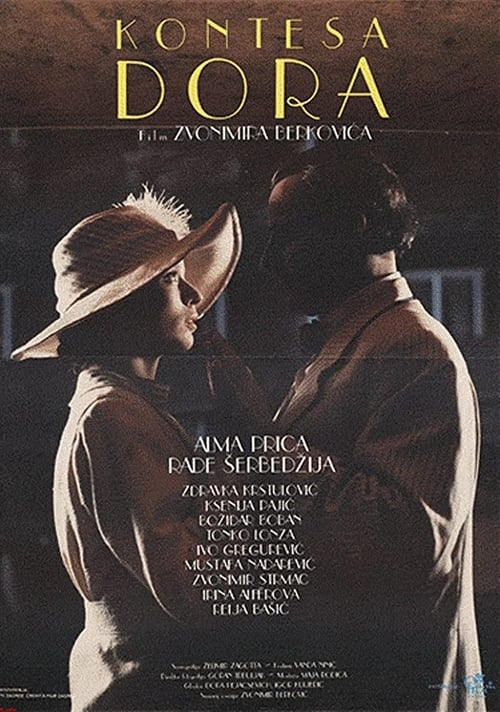
In the early 1920s, filmmaker and cabaret director Karlo Armano meets a mysterious woman who only calls herself Dora. After a night of passionate romance, he wakes up to find her missing and goes on a quest to find her, soon realizing that the woman he had fallen in love with is none other than famed composer and autonomist Dora Pejačević.
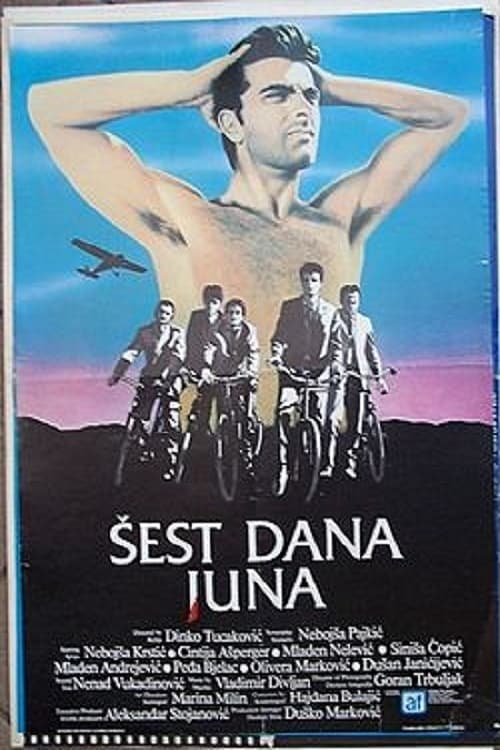
A young man finds a way to spend his last few days of freedom before joining the army. Set in eastern Bosnia in summer of 1968.
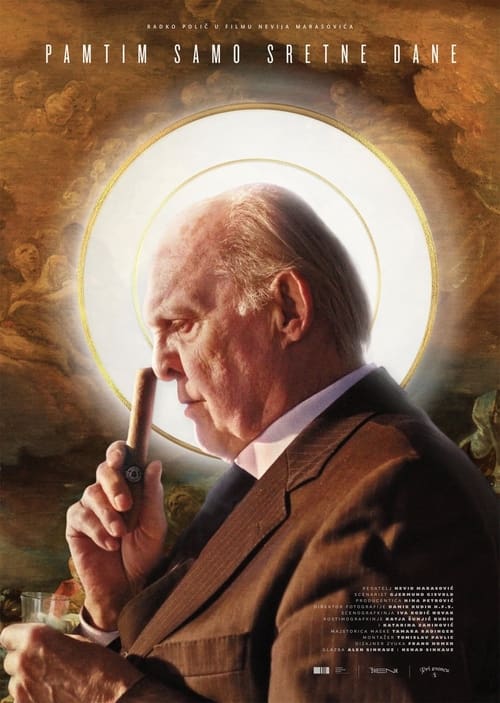
Sitting in a restaurant representing the waiting room to the other world, a tired old man watches the patrons who represent him and his immediate family during the important moments of his life. Moments that have impacted him and the family, and have turned him into a man he was at the end of his life. The old man is forced to look these events in an objective way, observe them from the sidelines, as the judge and jury of a tragic life filled with regret, bitterness, and bad decisions. At a certain point, it becomes clear that the old man has actually died and is watching his own life.
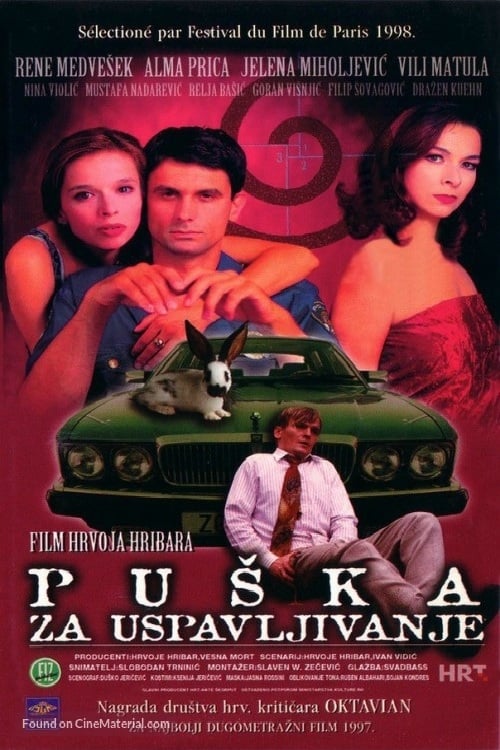
Janko's life seemed to be in order. He had a great job and was in a steady relationship with his comissioner's daughter, whom he decided to leave after he falls for a pickopocket named Nana. However, even that relationship can't seem to fullfill his desires, so he starts a steamy affair with Marta Štajner, the widow of wealthy wartime-era crime lord Dragutin Karl Štajner. Wanting to impress his new fling, Janko decides to abuse his position as a police officer and starts getting further into criminal territory, but, he quickly gets in way over his head.
Osijek, Eastern Croatian Front, 1991. British ecologist Henry arrives in town to find and protect the oak in the village of Stari Rastovac, believed to be the oldest of its kind in the world, from getting torn down by both enemy forces and Croatian soldiers. He's joined in his efforts by a British reporter, a mysterious local teenage guide and a member of the Croatain National Guard, with the merry crew encountering a slew of troubles and misadventures along their way through the no man's land.
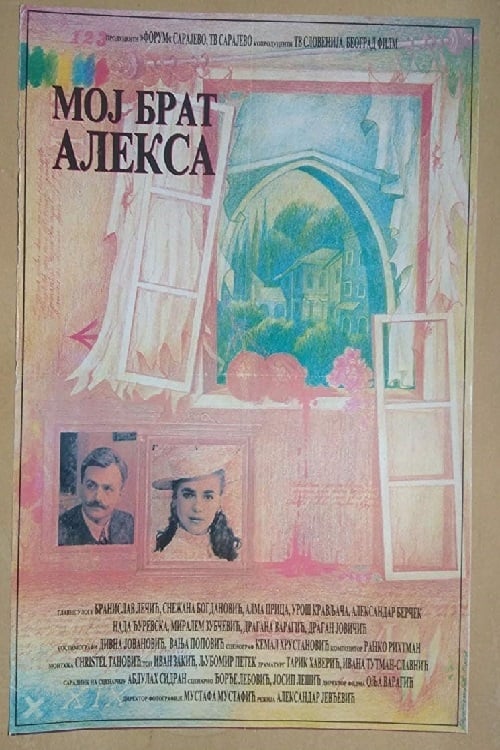
The story of poet Aleksa Santic, visionary and romanticist, great loser in private life. The poet was born in strict patriarchal, rich trading family from Mostar, in conservative social environment, in controversial times in the end of XIX and beginning of XX century. As a young man, he falls in love with the Slavonian girl, Anka Tomlinovic, daughter of poor photographer, leaving her under pressure of his family. Later, he meets Zorka Solina, young and rich girl from Mostar who, again because of the interests of her family, leaves the poet. In his mature years, Aleksa Santic engages himself passionately in social and political life of his age. Disappointments, poverty, sickness and loneliness follow. And the certainty of early death. His older brother tells the story of poet's life, while he is dying.