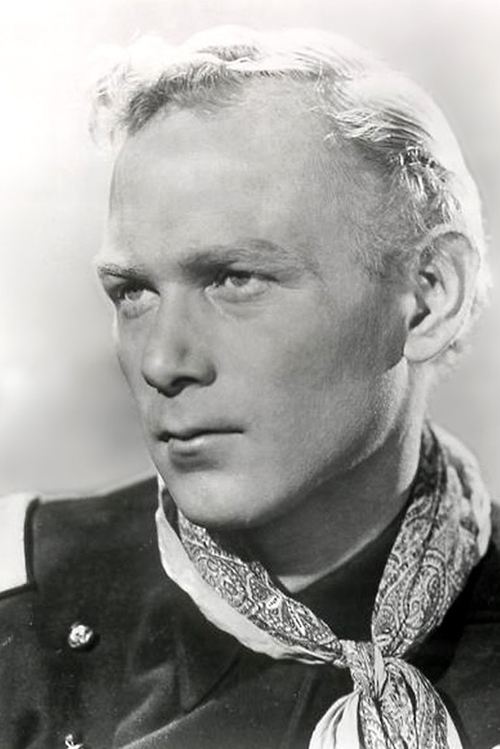
Harry Carey, Jr.
Acting
Biography
Henry George "Harry" Carey Jr. (May 16, 1921 - December 27, 2012) was an American actor. He appeared in more than ninety films including several John Ford westerns as well as numerous television series. The son of actors Harry Carey Sr. and Olive Carey, he attempted a singing career before beginning his acting career in the John Ford Stock Company. Director John Ford became a close friend and collaborator. Carey appeared in such notable Ford films as 3 Godfathers (1948), She Wore a Yellow Ribbon (1949), The Searchers (1956), and Cheyenne Autumn (1964), some also featuring appearances by his parents. He became a respected character actor like his father. Carey made four films with director Howard Hawks: Red River (1948), Monkey Business (1952), Gentlemen Prefer Blondes (1953), and Rio Bravo (1959 - scenes cut). He also frequently co-starred with actors John Wayne and Ben Johnson, acting together in nine films each. Between 1955 -1957, Carey appeared as ranch counselor Bill Burnett in the serial Spin and Marty, seen on Walt Disney's Mickey Mouse Club. In the 1960s, Carey appeared on such western series as Have Gun - Will Travel and The Legend of Jesse James. Later film roles include George Arthur in The Long Riders (1980), Mr. Anderson in Gremlins (1984), aging biker Red in Mask (1985), Joshua Brackett in The Whales of August (1987), saloon old-timer Zeke in Back to the Future Part III (1990), and Marshal Fred White in Tombstone (1993).
Known For

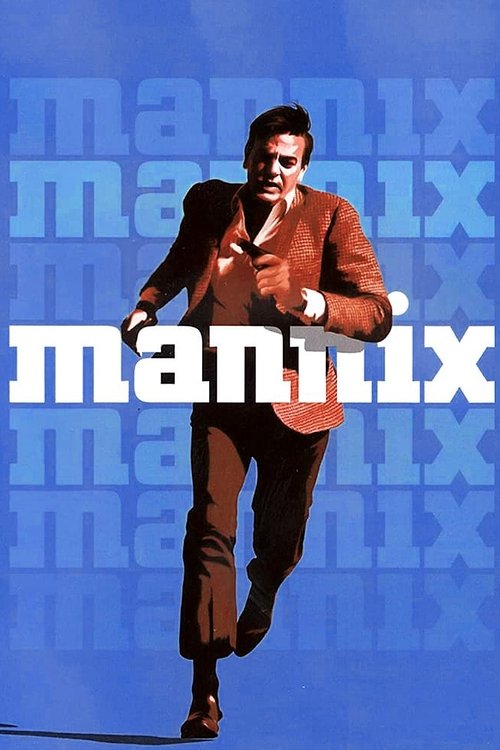
Mannix is an American television detective series that ran from 1967 through 1975 on CBS. Created by Richard Levinson and William Link and developed by executive producer Bruce Geller, the title character, Joe Mannix, is a private investigator. He is played by Mike Connors. Mannix was the last series produced by Desilu Productions.
Mannix

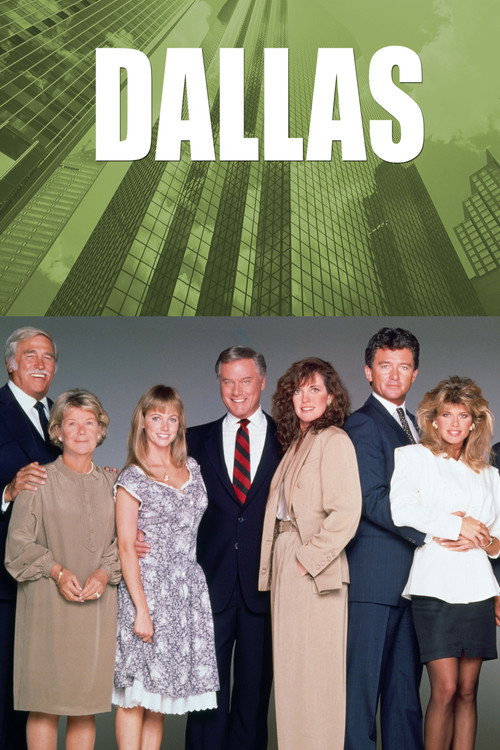
The world's first mega-soap, and one of the most popular ever produced, Dallas had it all. Beautiful women, expensive cars, and men playing Monopoly with real buildings. Famous for one of the best cliffhangers in TV history, as the world asked "Who shot J.R.?" A slow-burner to begin with, Dallas hit its stride in the 2nd season, with long storylines and expert character development. Dallas ruled the airwaves in the 1980's.
Dallas

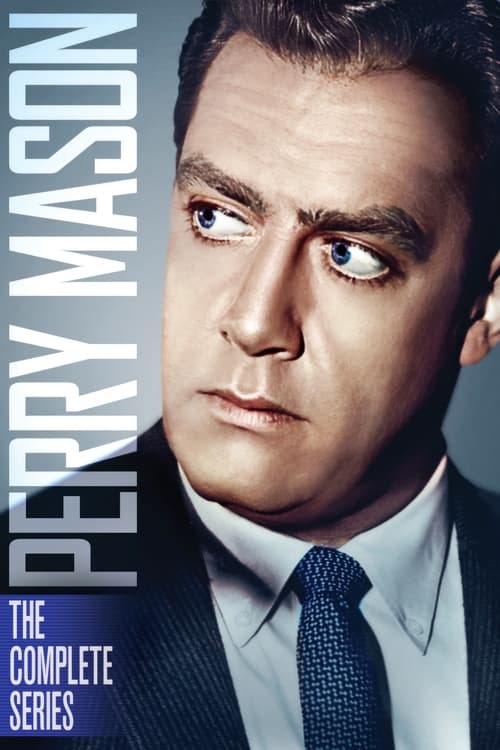
The cases of master criminal defense attorney Perry Mason and his staff who handled the most difficult of cases in the aid of the innocent.
Perry Mason

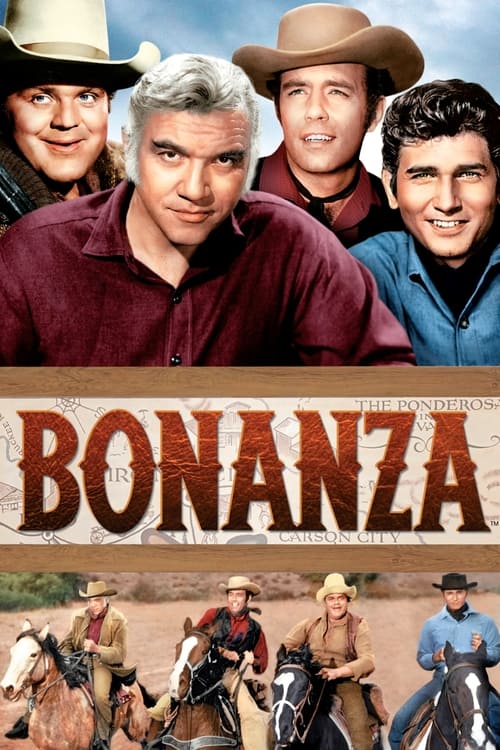
The High-Sierra adventures of Ben Cartwright and his sons as they run and defend their ranch while helping the surrounding community.
Bonanza

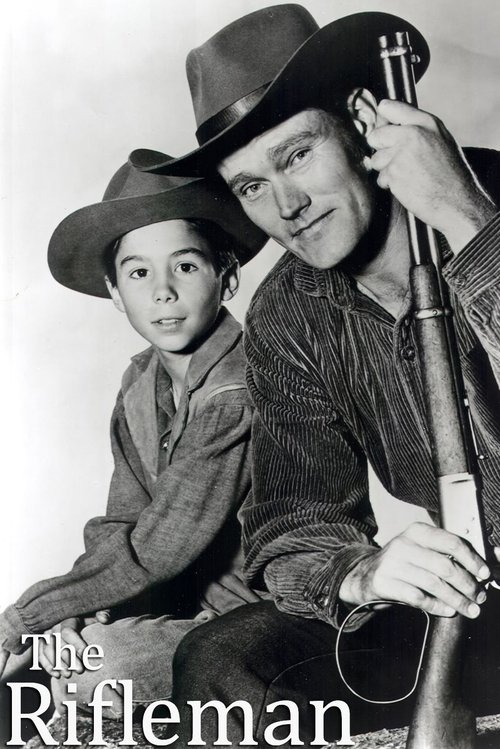
The Rifleman is an American Western television program starring Chuck Connors as rancher Lucas McCain and Johnny Crawford as his son, Mark McCain. It was set in the 1880s in the town of North Fork, New Mexico Territory. The show was filmed in black-and-white, half-hour episodes. "The Rifleman" aired on ABC from September 30, 1958 to April 8, 1963 as a production of Four Star Television. It was one of the first prime time series to have a widowed parent raise a child.
The Rifleman

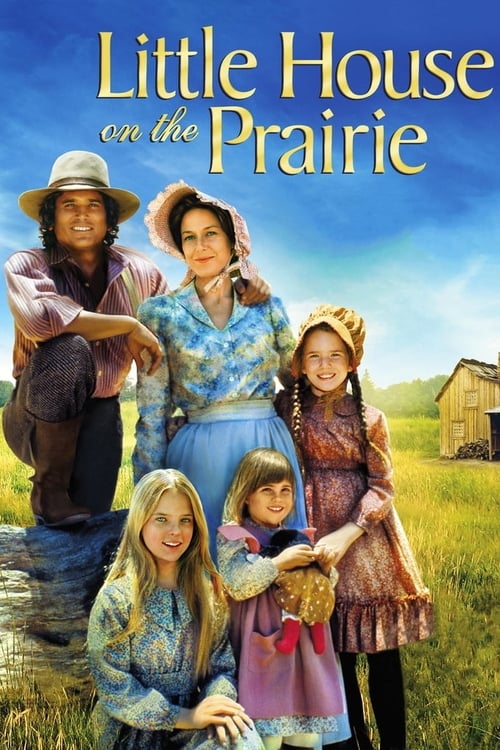
When the big woods of Wisconsin becomes a difficult spot for hunting, Charles Ingalls reluctantly decides to move his family, pioneering west. Their life on the farm in Walnut Grove, Minnesota, in the 1870s and 1880s is full of adventure, tragedy, and triumph. Based on the books of Laura Ingalls Wilder.
Little House on the Prairie

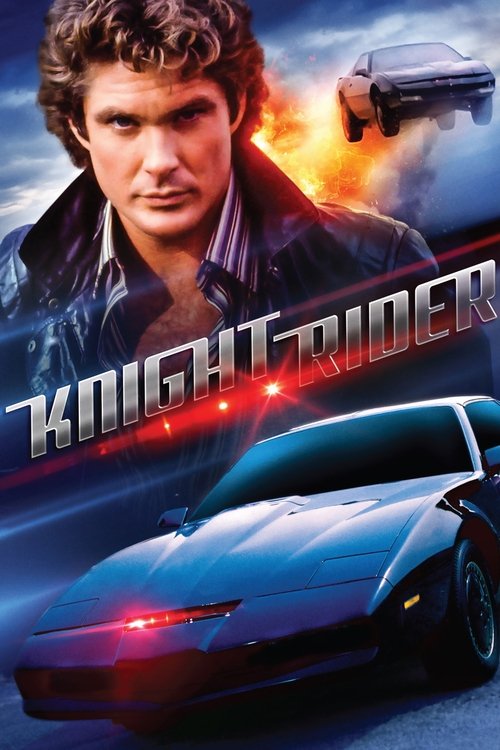
Michael Long, an undercover police officer, is shot while investigating a case and left for dead by his assailants. He is rescued by Wilton Knight, a wealthy, dying millionaire and inventor who arranges life-saving surgery, including a new face and a new identity--that of Michael Knight. Michael is then given a special computerized and indestructible car called the Knight Industries Two Thousand (nicknamed KITT), and a mission: apprehend criminals who are beyond the reach of the law. The series depicts Michael's exploits as he and KITT battle the forces of evil on behalf of the Foundation for Law and Government.
Knight Rider

Lassie is the pet of Jeff Miller, an 11-year-old farm boy. The two become best friends and enjoy family adventures in the American countryside, teaching each other about love, nature and commitment.
Lassie

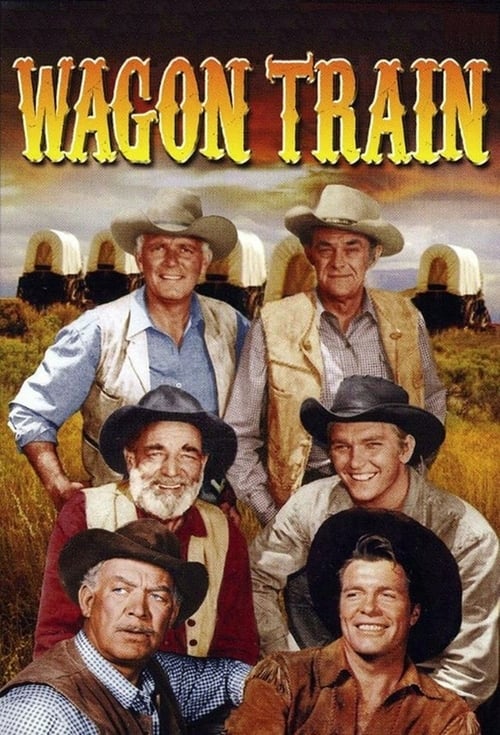
The series initially starred veteran movie supporting actor Ward Bond as the wagon master, later replaced upon his death by John McIntire, and Robert Horton as the scout, subsequently replaced by lookalike Robert Fuller a year after Horton had decided to leave the series. The series was inspired by the 1950 film Wagon Master directed by John Ford and starring Ben Johnson, Harry Carey Jr. and Ward Bond, and harkens back to the early widescreen wagon train epic The Big Trail starring John Wayne and featuring Bond in his first major screen appearance playing a supporting role. Horton's buckskin outfit as the scout in the first season of the television series resembles Wayne's, who also played the wagon train's scout in the earlier film.
Wagon Train

The Shiloh Ranch in Wyoming Territory of the 1890s is owned in sequence by Judge Henry Garth, the Grainger brothers, and Colonel Alan MacKenzie. It is the setting for a variety of stories, many more based on character and relationships than the usual western.
The Virginian

Have Gun – Will Travel is an American Western television series that aired on CBS from 1957 through 1963. It was rated number three or number four in the Nielsen ratings every year of its first four seasons. It was one of the few television shows to spawn a successful radio version. The radio series debuted November 23, 1958. The television show is presently shown on the Encore-Western channel. Have Gun – Will Travel was created by Sam Rolfe and Herb Meadow and produced by Frank Pierson, Don Ingalls, Robert Sparks, and Julian Claman. There were 225 episodes of the TV series, 24 written by Gene Roddenberry. Other contributors included Bruce Geller, Harry Julian Fink, Don Brinkley and Irving Wallace. Andrew McLaglen directed 101 episodes and 19 were directed by series star Richard Boone.
Have Gun, Will Travel

Climax! is an American anthology series that aired on CBS from 1954 to 1958. The series was hosted by William Lundigan and later co-hosted by Mary Costa. It was one of the few CBS programs of that era to be broadcast in color. Many of the episodes were performed and broadcast live.
Climax!

Matinee Theater is an American anthology series that aired on NBC during the Golden Age of Television, from 1955 to 1958. The series, which ran daily in the afternoon, was frequently live. It was produced by Albert McCleery, Darrell Ross, George Cahan and Frank Price with executive producer George Lowther. McCleery had previously produced the live series Cameo Theatre which introduced to television the concept of theater-in-the-round, TV plays staged with minimal sets. Jim Buckley of the Pewter Plough Playhouse recalled: When Al McCleery got back to the States, he originated a most ambitious theatrical TV series for NBC called Matinee Theater: to televise five different stage plays per week live, airing around noon in order to promote color TV to the American housewife as she labored over her ironing. Al was the producer. He hired five directors and five art directors. Richard Bennett, one of our first early presidents of the Pewter Plough Corporation, was one of the directors and I was one of the art directors and, as soon as we were through televising one play, we had lunch and then met to plan next week’s show. That was over 50 years ago, and I’m trying to think; I believe the TV art director is his own set decorator —yes, of course! It had to be, since one of McCleery’s chief claims to favor with the producers was his elimination of the setting per se and simply decorating the scene with a minimum of props. It took a bit of ingenuity.
Matinee Theater

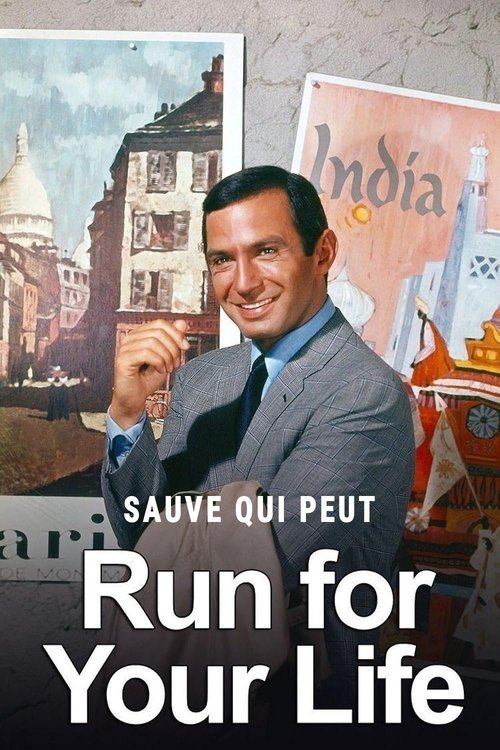
Run for Your Life is an American television drama series starring Ben Gazzara as a man with only a short time to live. It ran on NBC from 1965 to 1968. The series was created by Roy Huggins, who had previously explored the "man on the move" concept with The Fugitive.
Run for Your Life

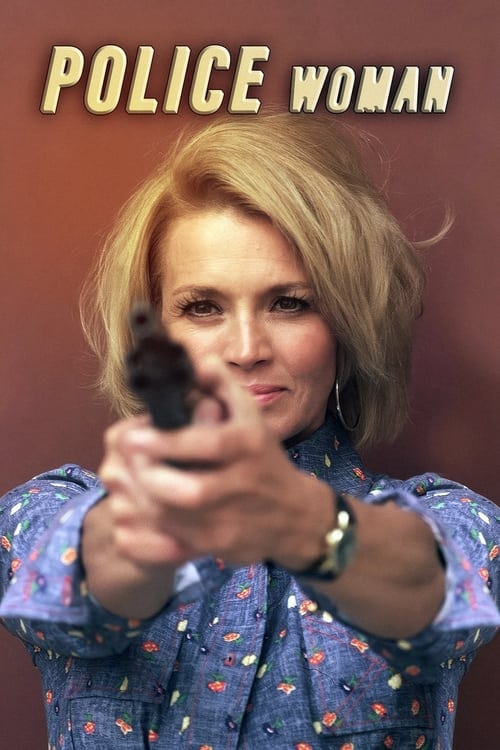
Sergeant “Pepper"” Anderson, an undercover cop for the Criminal Conspiracy Unit of the Los Angeles Police Department, poses undercover from mob girl to prostitute.
Police Woman

The tale of trail boss Gil Favor and his trusty foreman Rowdy Yates as they drives cattle across the old west. Along the way they meet up with adventure and drama.
Rawhide

The Ed Sullivan Show is an American TV variety show that originally ran on CBS from Sunday June 20, 1948 to Sunday June 6, 1971, and was hosted by New York entertainment columnist Ed Sullivan. It was replaced in September 1971 by the CBS Sunday Night Movie, which ran only one season and was eventually replaced by other shows. In 2002, The Ed Sullivan Show was ranked #15 on TV Guide's 50 Greatest TV Shows of All Time.
The Ed Sullivan Show

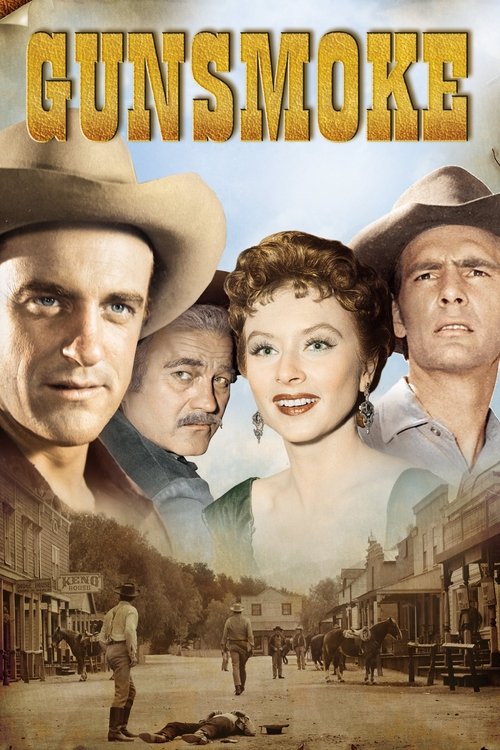
Gunsmoke is an American radio and television Western drama series created by director Norman MacDonnell and writer John Meston. The stories take place in and around Dodge City, Kansas, during the settlement of the American West. The central character is lawman Marshal Matt Dillon, played by William Conrad on radio and James Arness on television.
Gunsmoke

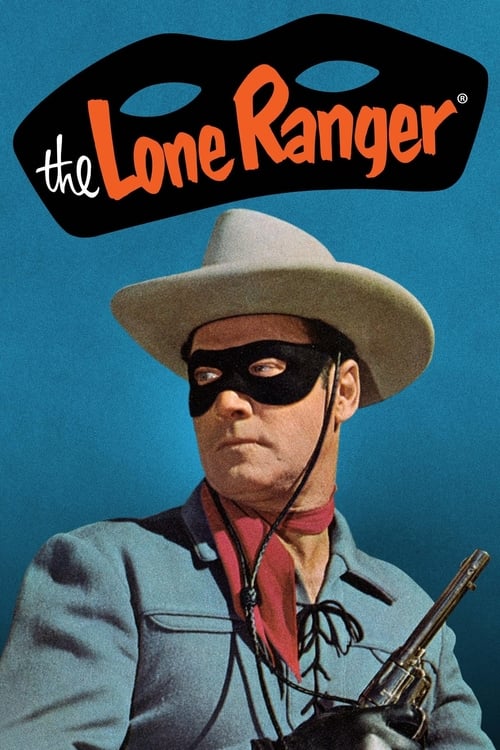
The Lone Ranger is an American western television series that ran from 1949 to 1957, starring Clayton Moore with Jay Silverheels as Tonto. The live-action series initially featured Gerald Mohr as the episode narrator. Fred Foy served as both narrator and announcer of the radio series from 1948 to its finish and became announcer of the television version when story narration was dropped there. This was by far the highest-rated television program on the ABC network in the early 1950s and its first true "hit".
The Lone Ranger

Two police officers, the older Lt. Stone and the young upstart Inspector Keller, investigate murders and other serious crimes in San Francisco. Stone would become a second father to Keller as he learned the rigors and procedures of detective work.