
Raúl Díaz Soto
Directing
Biography
Chilean director from the commune of Maipú. His films are characterized by valuing honesty and disdaining pretension. Down with bourgeois cinema.
Known For
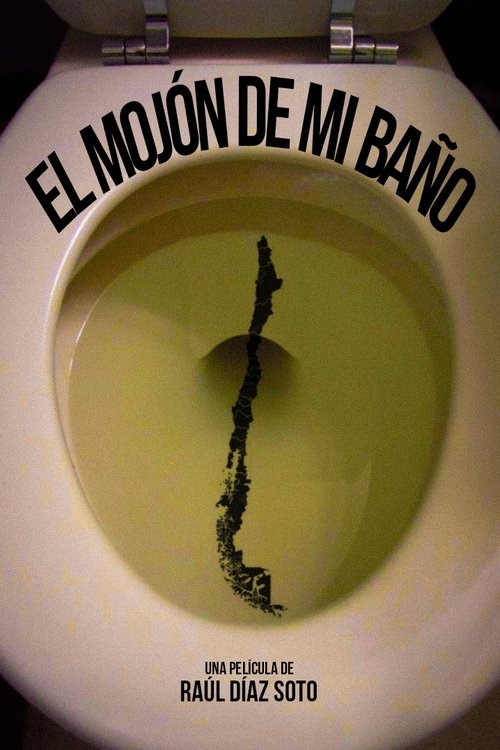
A Chilean stomach and social discomfort.
The Poop in my Bathroom
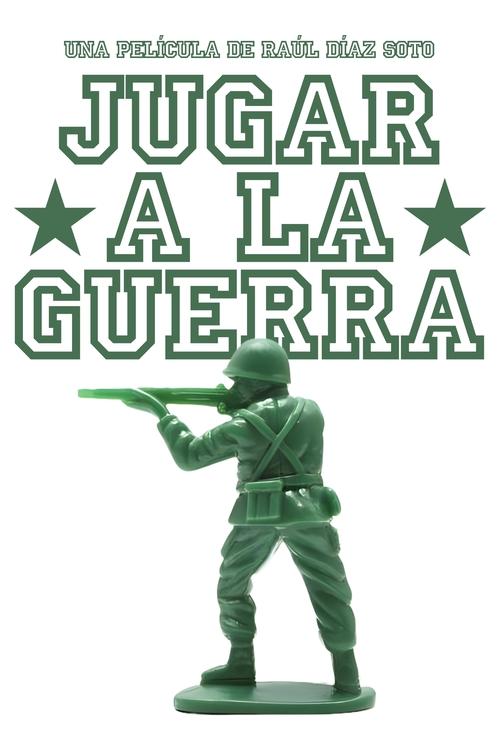
In war, people's lives are at stake; in this world, people are the object of a child's whim, which can lead many to break their worldview... literally.
Playing War
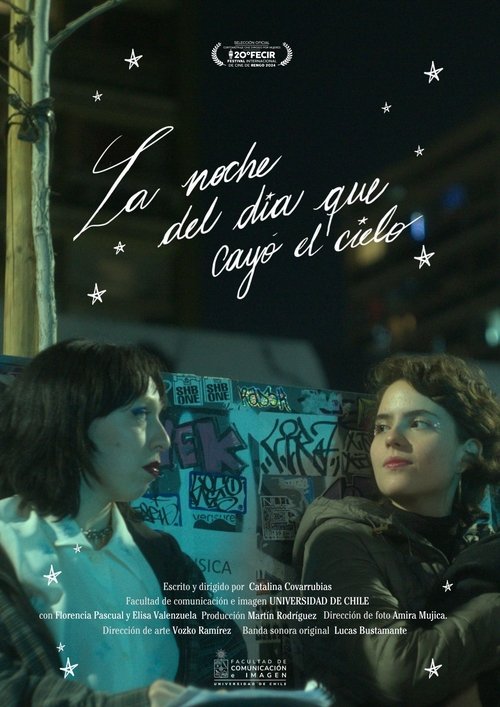
Two girls meet by chance in a gas station bathroom late at night. They walk through the city and after long conversations under the spotlights, they find in each other a connection that may go beyond a coincidence.
The Night of the Day the Sky Fell
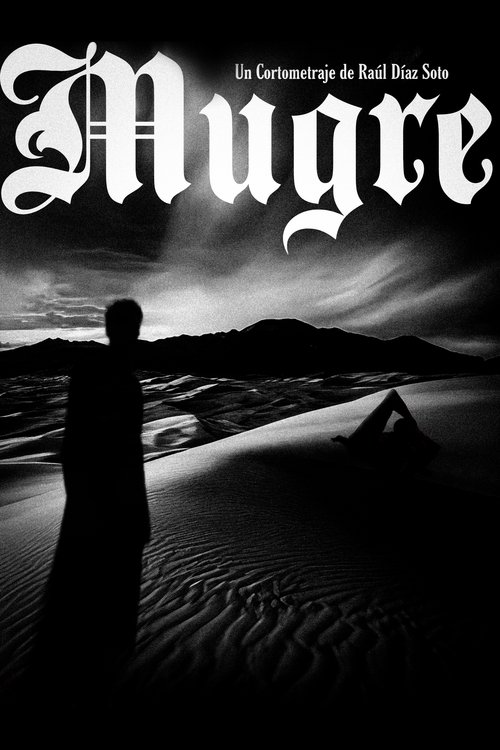
There are people without nuances and there is no repentance in people who act confidently.
Dirt
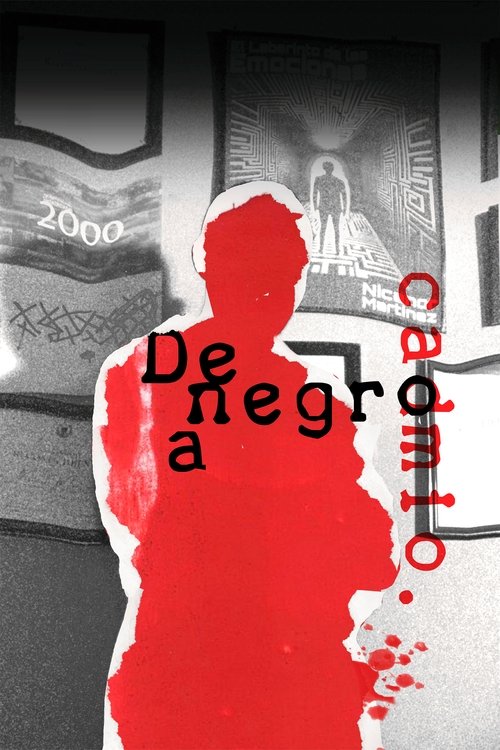
Nicanor, a struggling writer, is desperately looking for an artist to illustrate the cover of his book. However, the artist's conditions will reveal a dark and disturbing journey towards artistic obsession.
From Black to Cadmium
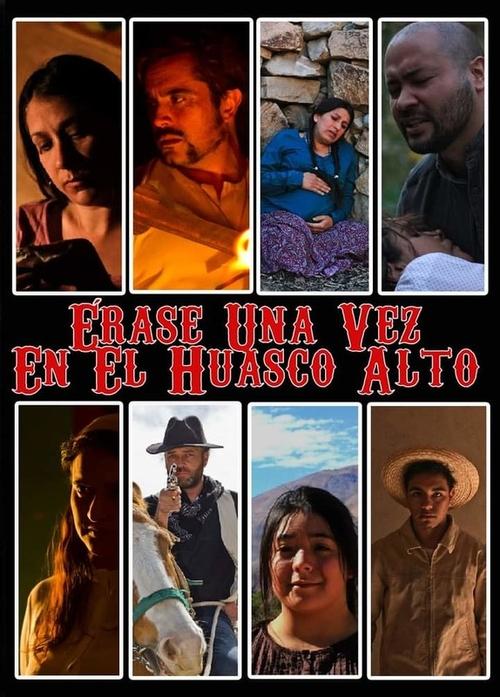
In a place in northern Chile where oral tradition, myths and history are mixed in a single mysterious universe, four stories take place surrounded by emotion, music and local identity.
Once upon a time in Huasco Alto
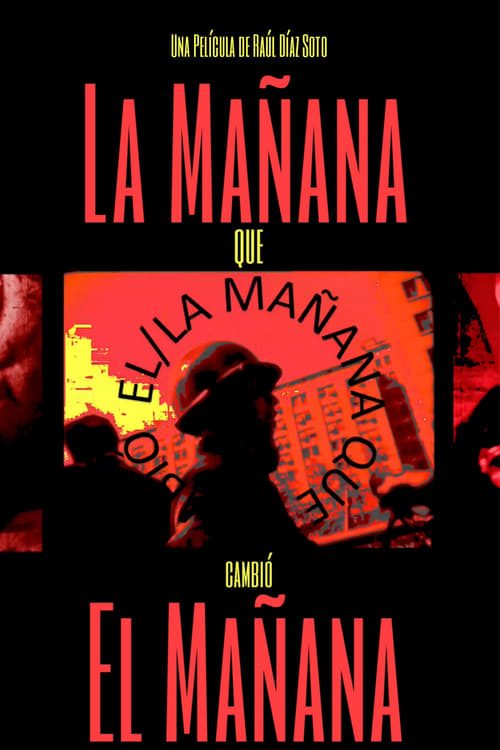
Chile, a prosperous and abundant country, wakes up on the morning of September 11, 1973, to say goodbye to the future and embrace the crimes along with the social, political and cultural decline, portrayed through archival material of the time.
The Morning that changed Tomorrow
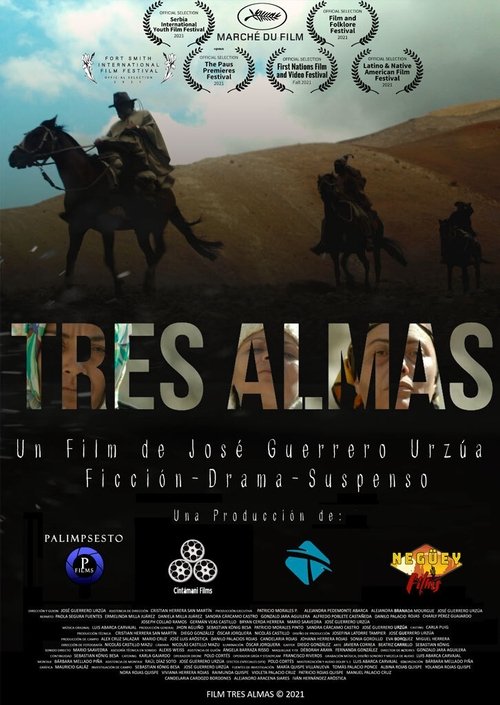
Three Pirquineros mounted on horseback to a long-seeked vein of gold located in the high mountain range of Atacama. Not long after reaching the planned place, the controversy arises over the Quispe sisters, belonging to the Kolla ethnic group, and their mysterious tragedy, as the place is a few meters from the rock where they were found hanging without life in December 1974. The Pirquineros arrive at their destination with rarefied spirits. They set up the base camp in the middle of an atmosphere charged with disturbing mystery. There, around the fire, they begin to tell some ghost stories, until Pascual resumes the theme about the triple crime, providing a testimony about his experience of having witnessed the macabre discovery. Paicha, who listens silently and attentively, has a traumatic memory of when he was a child: hidden behind a rock, he observes a violent episode of repression and mistreatment of indigenous shepherds.