
John Martin
Sound
Biography
John Martin was born in 1952 in Charlottetown, Prince Edward Island, Canada. He has worked in the sound department for over 100 films and television series, including North to Nowhere (1989), The Sacred Balance (2002) and South of Wawa (1991). He has been married to Elizabeth Klinck since 1988. They have two children. Photo by Kent Nason.
Known For
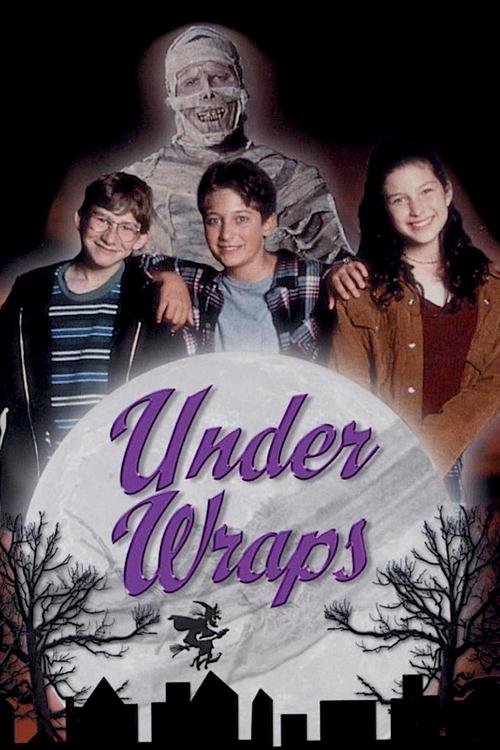
A comedy-adventure in which three twelve-year-olds have a close encounter with a 3,000-year-old mummy. Marshall, Gilbert and Amy accidentally set the mummy free, but if they don't get him back to his resting place by midnight on Halloween, he'll turn into dust and lose his only chance of being reunited with his long-lost love.
Under Wraps
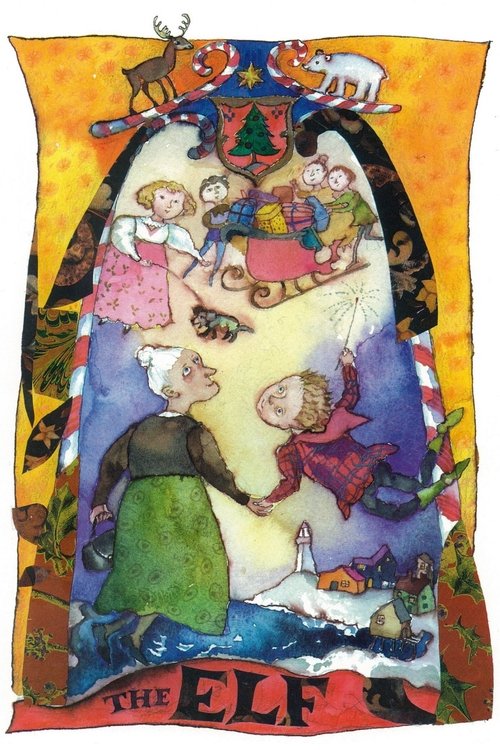
In this Christmas drama, a boy and his family discover he is an elf.
The Elf
Lizette, a waitress in a donut shop in small town has a milestone birthday coming up that she's not happy about. The only thing that could make it better is if her husband Terry buys her tickets to a Dan Hill concert in Toronto she wants to see. The problem is he will only go if his friend Simon goes and only if Simon has a date. The only person Lizette can find is Cheryl-Ann, a permanently happy, innocent waitress at the same donut shop, whom Lizette can't stand. When the night finally comes, things don't go as planned.
South of Wawa
This short documentary examines the complex range of issues affecting urban transport in developing countries. After examining cost and available technology, as well as the different needs of the industrialized middle class and the urban poor, the film proposes some surprising solutions.
Mobility
The film explores how the three British colonies of New Brunswick, Nova Scotia and Prince Edward Island became provinces of Canada and charts the subsequent decline of their economies after Confederation. Photographs, archival drawings, cartoons and interviews with Maritime historians are used to document the case.
Empty Harbours, Empty Dreams
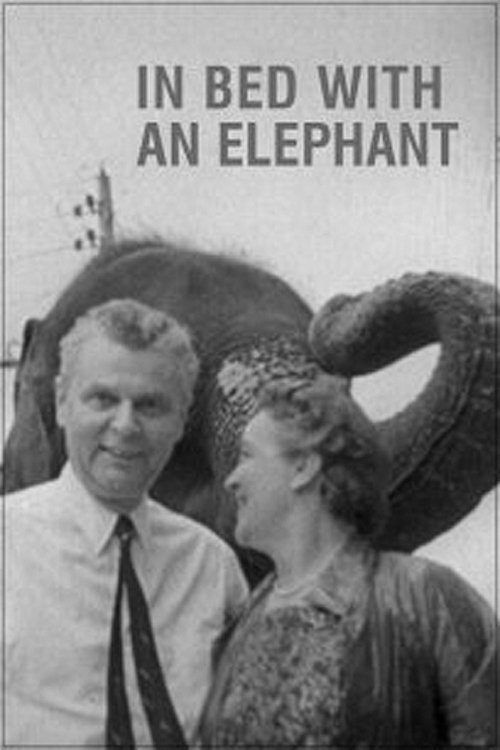
This feature documentary provides a gripping retrospective of United States-Canada relationships through a study of successive presidents and prime ministers. Using archival film footage, it demonstrates that Canadian prime ministers, from John A. Macdonald down, all began their tenures by making overtures to their American counterparts. Attitudes and outcomes have varied widely. The almost comic antipathy between Kennedy and Diefenbaker, for instance, is as palpable here as is the folksy camaraderie of Reagan and Mulroney. Part four of Reckoning: The Political Economy of Canada series.
In Bed with an Elephant
Documentary about Canadian composer John Wyre.
John Wyre: Drawing on Sound
The fur trade is Canada's oldest industry, but today some people challenge the morality of killing animals for their fur. This film examines the public relations war raging between the industry and its opponents and takes an objective look at the ethical, environmental and economic issues raised by the debate. The struggle to win over public opinion has been joined by Indigenous peoples in Canada who fear that their way of life will be jeopardized if the fur industry is destroyed. The cycle of the industry is followed from the trapper's bush camp and the fur ranch to the final sale of a coat in the furrier's salon. Throughout the film, the conflicting opinions of fur industry representatives, animal rights activists and Indigenous people challenge the viewer to consider all aspects of this complex debate. —NFB
Pelts: Politics of the Fur Trade
Six composers work on a composition to be performed in a shopping mall.
Fanfares
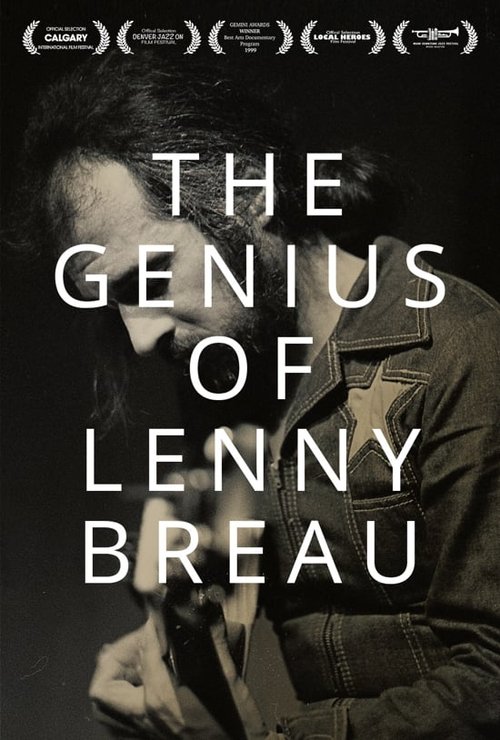
This documentary explores and celebrates the all-too-short, heartbreaking but triumphant life and unworldly talent of Lenny Breau, considered by many to have been the greatest guitar player of all time. Long before the term "fusion" was coined, Lenny was melting musical boundaries to produce original pieces that borrowed from styles as diverse as jazz, classical and flamenco. Through a combination of never-before-seen archival footage and interviews with family and colleagues, viewers are offered a close-up look at a sensitive, selfless but flawed musical genius who redefined what the guitar could do. - Telefilm Canada
The Genius of Lenny Breau
This documentary portrays the front-line street workers who serve the needy under the umbrella of the Salvation Army. Shot in Toronto at Christmastime, the film chronicles the small hopes and tiny victories of life lived below the poverty line and the daily rewards for those who work to serve others.
Salvation
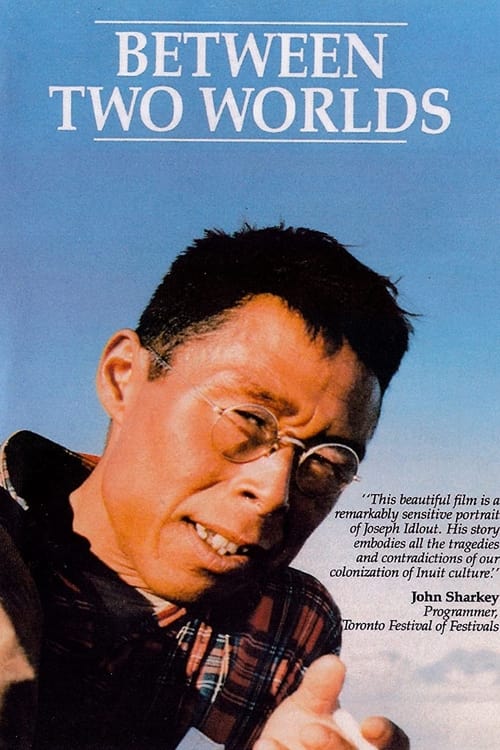
This feature film is a documentary portrait of Joseph Idlout, a man who was once the world's most famous Inuit. Unknown to most Canadians today, Idlout was the subject of many films and books, and one of the Inuit hunters pictured for many years on the back of Canada's $2 bill. In this film Idlout's son, Peter Paniloo, takes us on a journey through his father's life - that of a man caught "between two worlds."
Between Two Worlds
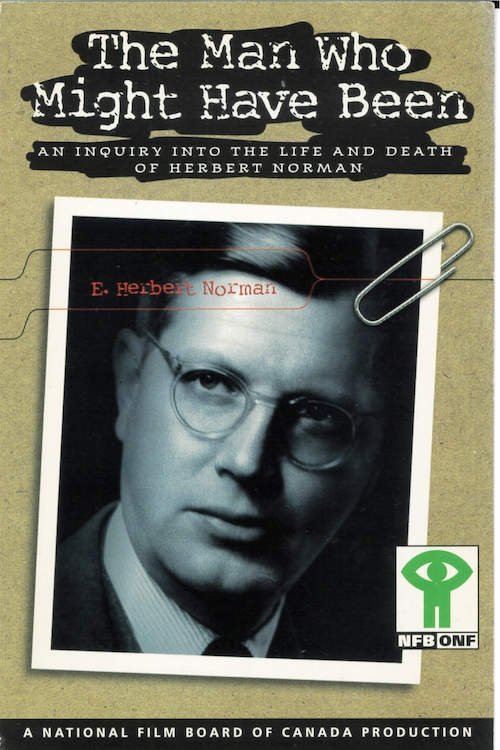
On April 4, 1957, Herbert Norman, the Canadian ambassador to Egypt, leapt to his death from a Cairo rooftop. During his remarkable life, Norman helped set the course of post-war Japan and played a key role during the Suez crisis. But with all of his talents and achievements, there was something haunting Herbert Norman and following him to every corner of the globe: the accusation that he was a Soviet spy. This documentary takes us back to a time when the Cold War was heating up and when the mere accusation of communist sympathies could destroy a man's career. Using de-classified documents, interviews with key players and dramatizations filmed around the world, the film reconstructs the ordeal that Norman endured for seven long years, as a US Senate subcommittee relentlessly probed his past beliefs and current loyalties.
The Man Who Might Have Been: An Inquiry Into the Life and Death of Herbert Norman
This documentary looks at the microchip, an American invention exploited by the Japanese that caused a second industrial revolution. The devastating effect on millions of human lives is related through interviews with some of the newly jobless in Hamilton, Ontario. Using the example of Japan for contrast, host James Laxer demonstrates that the cost of technological advances need not be so high if their effects are foreseen and planned for. Part 2 of the series Reckoning: The Political Economy of Canada.