Directing
Ze'ev Revach, Israel's popular comedian, became trapped in the typecast that would later become his prison. From the prestigious stage of the Cameri Theater to film characters engraved in cultural memory, Revach struggled to find his place between worlds: between religion and secularism, between cult cinema and high art. Through rare footage and extraordinary testimonies, "Better Days" traces Revach's complex story—a cinematic journey of passion and tragedy, revealing a screen legend we never truly knew.
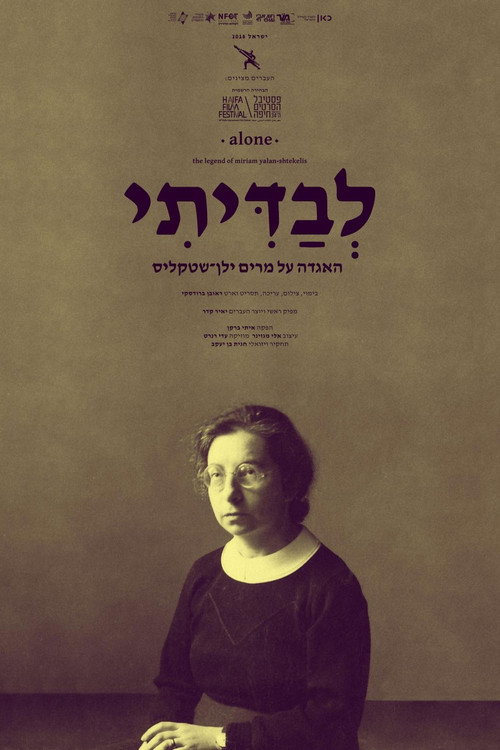
In a little Jerusalem apartment, surrounded by dolls and cats, Miriam Yalan-Shtekelis wrote children’s songs that have captured hearts for many generations of Israelis: The Doll Named Zehava, The Soap that Cried a Lot, Michael, and many more. The director, photographer, editor, designer and writer Reuven Brodeski created the atmosphere of a Russian legend about Yalan-Shtekelis, using miniatures that he fashioned himself for the film, interviewing people who knew her, and telling the story of Israel’s most important figure in children’s literature.
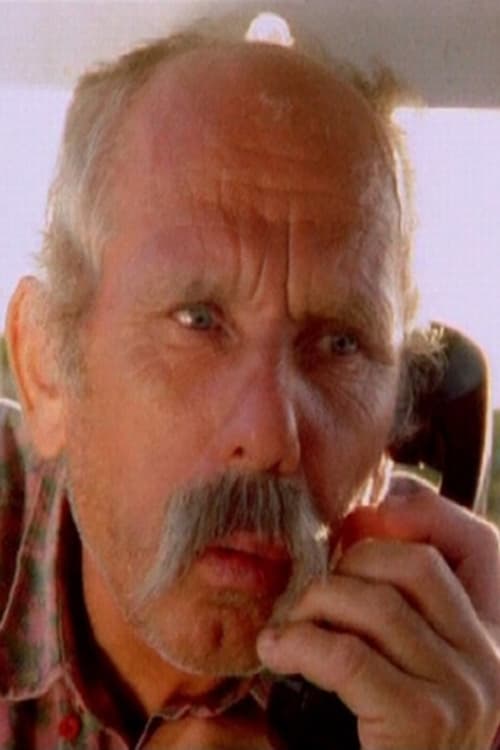
On International Women’s Day, when all his fellow migrant workers call their distant wives, Tolya remains speechless as he calls his wife, Natasha. He can’t produce anything except a whistling mumble with his toothless mouth. Tolya is ready to give up on words, but not on his romantic message.
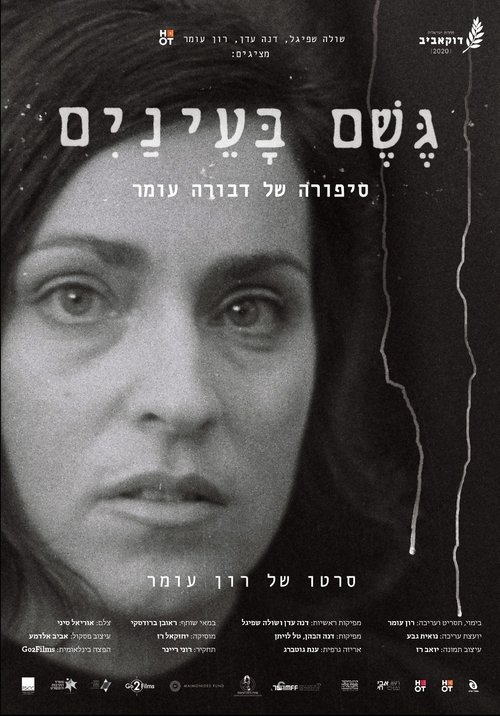
Kibbutz Maoz Chaim children's house, 1943. A gunshot rings out, followed by silence.11-year-old Dvor'aleh is orphaned. She was told that her mother was killed by a stray bullet during weapons training, but soon begins hearing the word "suicide" whispered among the kibbutz members. Dvora is deeply troubled: was it an accident or was it suicide? If it was suicide, how could her mother leave her alone in the world like that? Only years later does Dvora discover the truth. Journeying to the past, her son, the filmmaker, revisits the childhood of a mother with "rain in her eyes", as she described herself - a mother whose tormented life story shaped her writing and her relationship with her children and family.
After their son is killed during his army service, Irit and Asher asked to extract his sperm and use it to have a child via surrogate. Empty Room raises ethical and scientific questions while taking the audience on a journey of hope and deep sorrow.
After a twelve-year separation from her son and from the city of her dreams, Liza travels to St. Petersburg to visit them both. The purpose of her trip is to convince Leonid to return with her to Israel, but an insurmountable barrier stands in her way, in Israel Leonid is waiting for a prison.
Located in the city of Rehovot lies the Marmorek neighborhood. Its Yemenite residents pride in the Hapoel Marmorek Soccer team with its director, Hanan Adani, 73. A veteran of many battles. Players and coaches alike have changed multiple times while he stays in a little room within the stadium dominating the group with an iron fist. The only thing bothering him is retirement. The director, Ruben Brodsky draws a portrait of a man defined by his eternal love: Hapoel Marmorek.
The last thing that somehow preserves the appearance of the unity of the director's family is the apartment on the ground floor in Jerusalem. A lot has been experienced here, here recent St. Petersburg residents fought together with the ordeals of emigration, a grandson grew up here. But the family broke up, each of its members found their new way in their new homeland. And now it is not clear what to do with the old apartment, it is so difficult to refuse it, too much is connected with it. And its residents still have too much in common with each other.