Acting
Aucune description disponible.
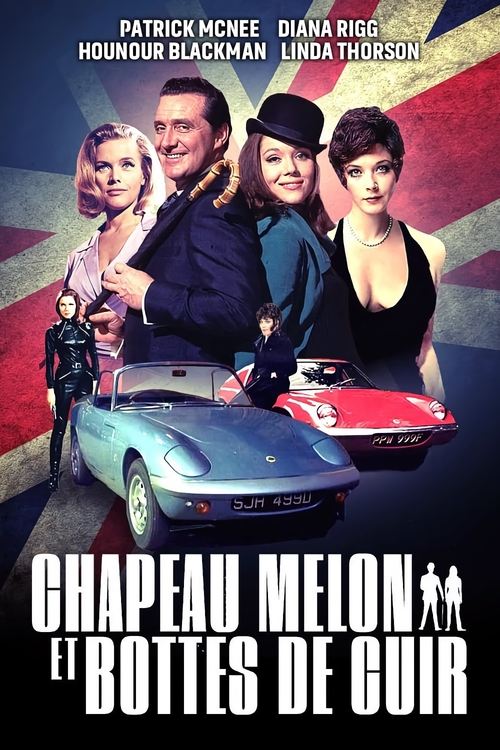
John Steed, un agent des services secrets britanniques, flanqué d'accortes acolytes nommées Cathy Gale, Emma Peel ou Tara King, combat le crime et résout des mystères souvent mâtinés d'énigmes surnaturelles. Sans se départir de son flegme et ponctuant ses actions de citations tirées de Shakespeare ou Wilde, il affronte des criminels plus flamboyants et mégalomaniaques les uns que les autres...
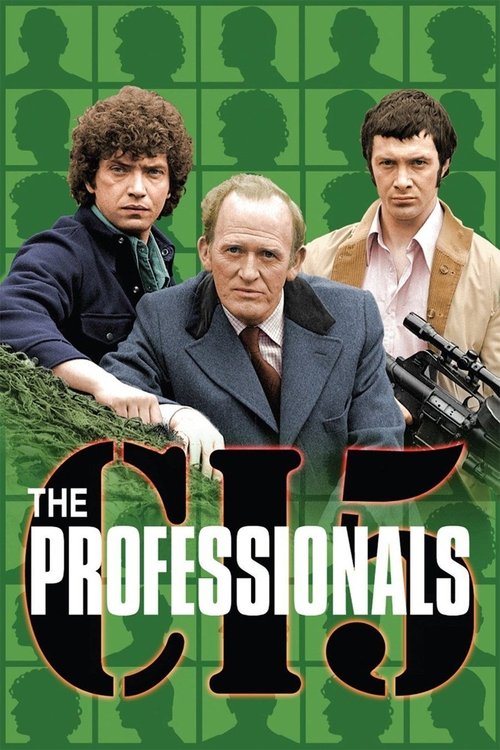
Cette série met en scène les aventures de William Bodie et Raymond Doyle deux des meilleurs agents du CI5 (Criminal Intelligence 5), une organisation secrète chargée de maintenir la sécurité en Angleterre dont le patron est l'irascible George Cowley.
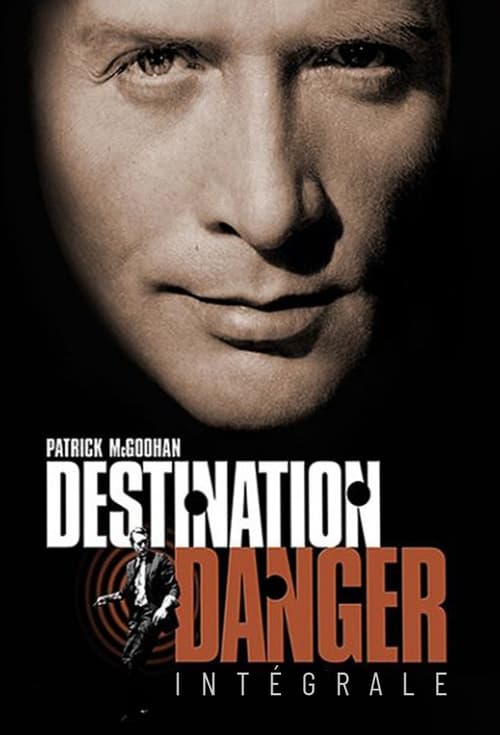
John Drake (Patrick McGoohan), solitaire et non violent, jamais armé, préférant utiliser son intelligence. Néanmoins, tout comme James Bond, il est équipé de gadgets mis au point par le service pour lequel il travaille. Très apprécié par ses supérieurs pour son efficacité, il lui arrive cependant de s'opposer à eux et d'aller à l'encontre de leurs ordres, quand il estime qu'ils ont tort.
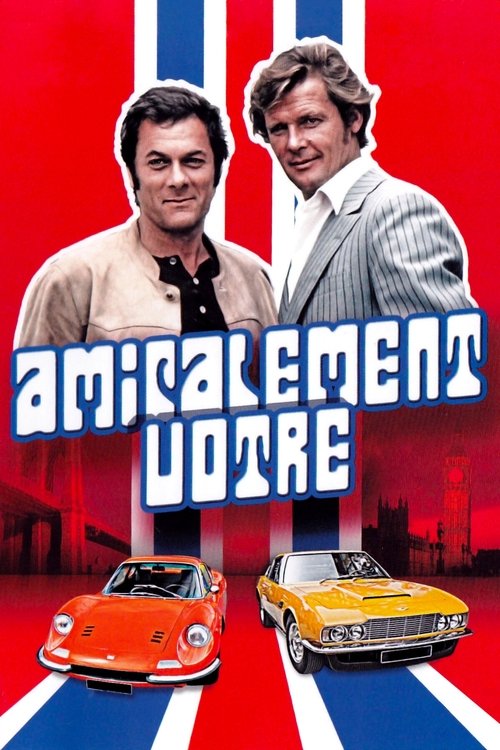
Lord Brett Sinclair, un aristocrate britannique, et Danny Wilde, un riche self-made-man américain, n'ont rien en commun, si ce n'est leur fortune, leur goût pour les femmes et leurs fonctions secrètes au service de la justice. Tous deux aident en effet le juge Fulton, un magistrat en retraite, à appréhender les bandits ayant échappé à la justice. Avec pour seules armes leurs poings et leur sens de l'humour, Brett et Danny finissent par intervenir dans toute l'Europe, de préférence sous le soleil de la Côte d'Azur ou dans les meilleurs palaces du continent, où pullulent margoulins, maîtres-chanteurs et espions.
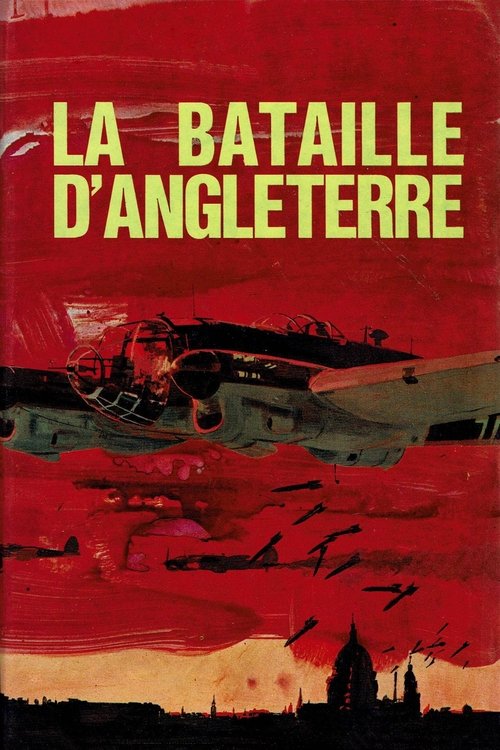
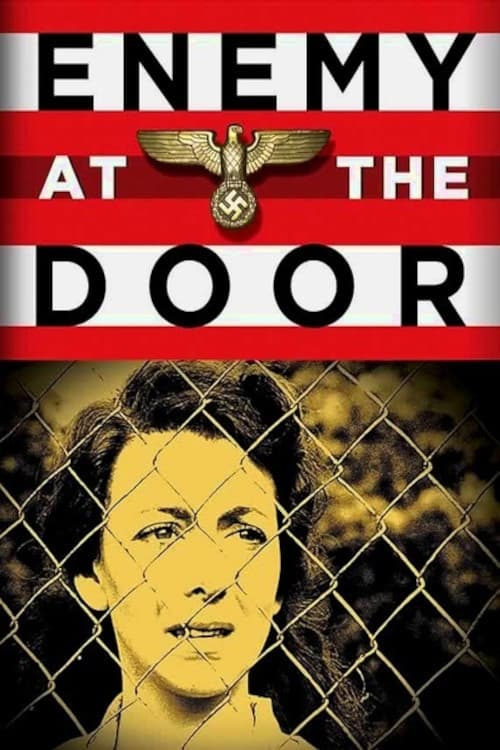
En 1940, l'Angleterre attend d'être envahie par l'Allemagne nazie. Les Allemands bombardent Londres et les Anglais en font de même sur Berlin. Commence alors la bataille aérienne, la plus spectaculaire de la seconde guerre mondiale.
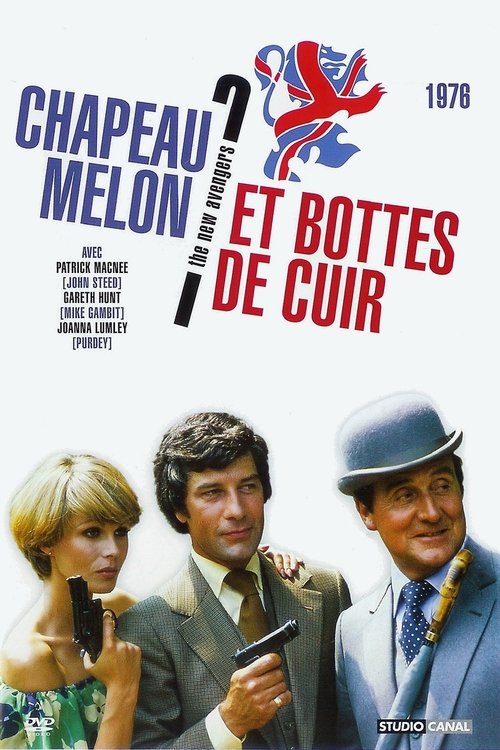
John Steed, agent secret britannique, s'est entouré de deux nouveaux agents : Mike Gambit, un agent de haut niveau, tireur d'élite et expert en arts martiaux, et Purdey, une ancienne stagiaire du Royal Ballet qui réunissait les meilleurs talents des anciennes partenaires féminines de Steed. Ensemble, ils doivent contrer les plans élaborés d'ennemis toujours plus diaboliques, partout dans le monde. « The New Avengers (Chapeau melon et bottes de cuir) » est une série télévisée britannique d'aventure fantastique diffusée au Royaume-Uni, sur ITV entre le 22 octobre 1976 et le 18 novembre 1977. Une suite de la série de 1961 « The Avengers (Chapeau melon et bottes de cuir) », développée par Albert Fennell et Brian Clemens. Production conjointe du Royaume-Uni, de la France et du Canada, elle reprend les aventures de John Steed et de son équipe d'Avengers qui combattent les complots maléfiques et la domination mondiale.
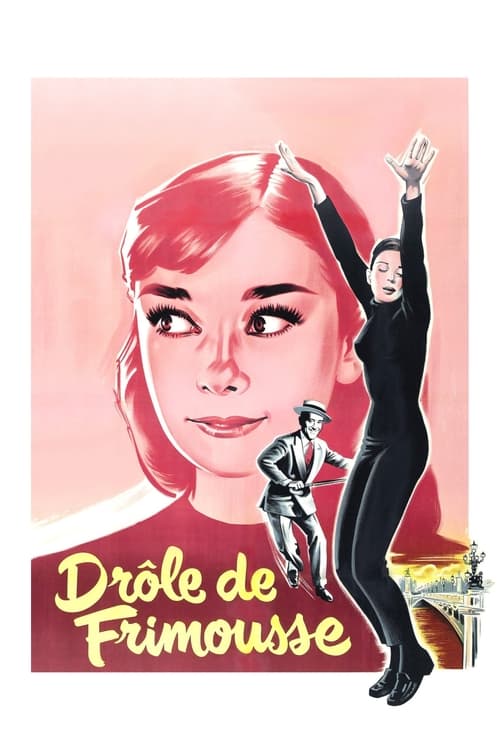
Une jeune libraire du village new-yorkais, adepte de l'empathie, se voit propulsée, par un journal, à Paris pour présenter la collection d'un grand couturier. Là elle rencontre le grand maître « empathicaliste » qui ne reste pas insensible à ses charmes tandis que le photographe du journal la poursuit de ses assiduités. Une musique de Gershwin pour cette suave comédie musicale qui propose un Paris très hollywoodien.