Edda Seippel
Acting
Known For

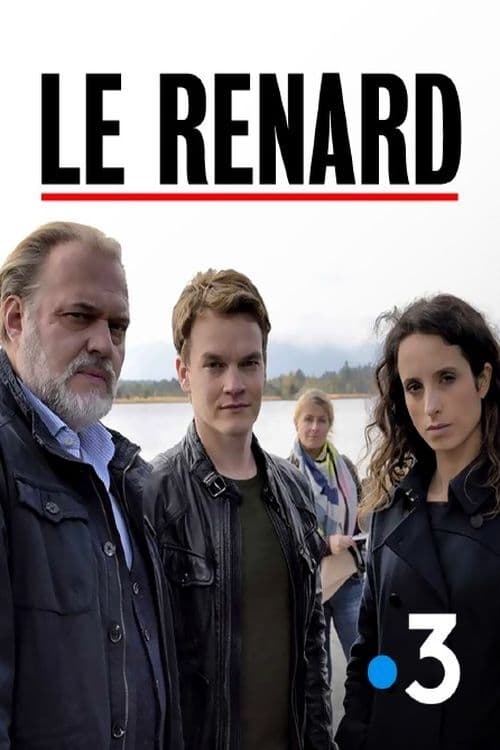
A police department, lead by an older, experienced detective solve crimes together.
The Old Fox

Derrick was a German TV series produced by Telenova Film und Fernsehproduktion in association with ZDF, ORF and SRG between 1974 and 1998 about Detective Chief Inspector Stephan Derrick and his loyal assistant Inspector Harry Klein, who solve murder cases in Munich and surroundings.
Derrick
No description available.
German Film Award

Der Kommissar is a German television series about a group of detectives of the Munich homicide squad. All 97 episodes, which were shot in black-and-white and first broadcast between 1969 and 1976, were written by Herbert Reinecker and starred Erik Ode as Kommissar Herbert Keller. Keller's assistants were Walter Grabert, Robert Heines, and Harry Klein who, in 1974, was replaced by his younger brother Erwin Klein.
The Commissioner

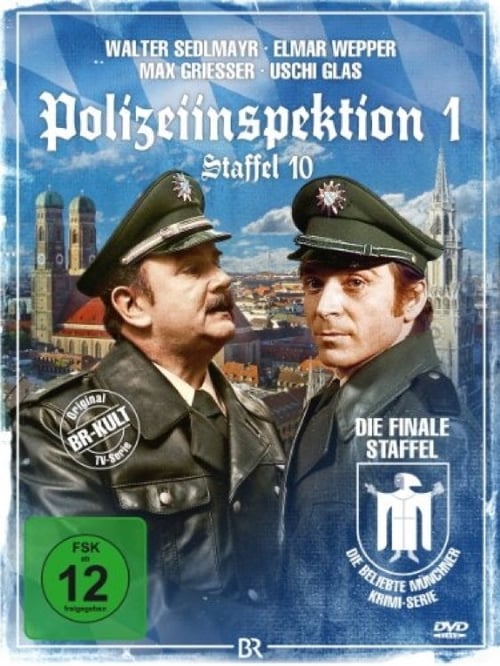
Polizeiinspektion 1 is a German television series.
Polizeiinspektion 1

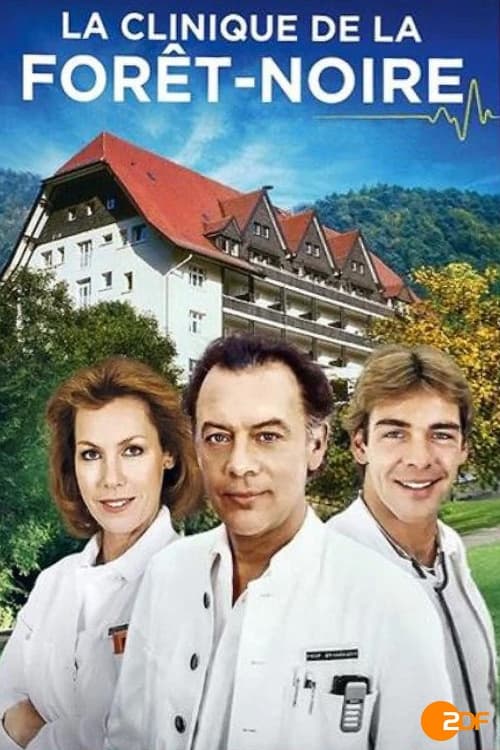
The Black Forest Clinic is a German language medical drama television series that was produced by and filmed in West Germany. The series was produced between 1984 and 1988 with the original airing being from October 2, 1985 to March 25, 1989 on West Germany's ZDF television channel. The series' storyline follows the inner workings of a small fictional hospital in the Black Forest region of Germany as well as the lives of the Brinkmann family of doctors who work at the hospital. Shortly after broadcasting had begun in 1985, The Black Forest Clinic became a highly popular television event, reaching audiences of over 20 million viewers. 25 years since its debut, it is still highly regarded in Germany. The series had been re-broadcast several times since 1985 and has spawned two television films released 20 years after its initial airing.
Die Schwarzwaldklinik

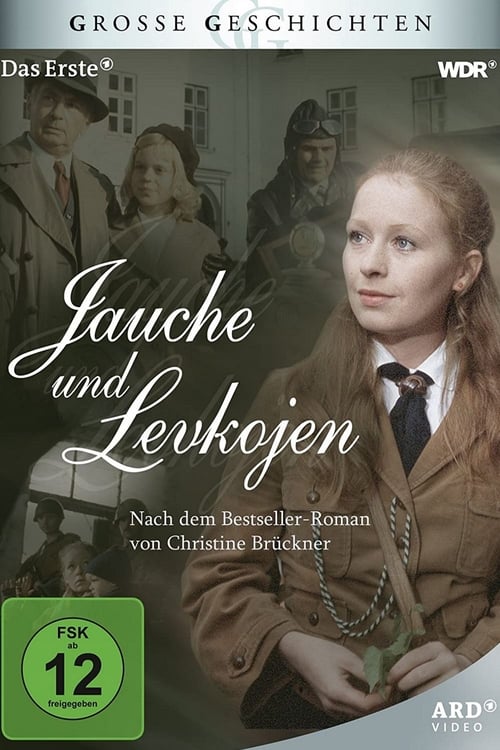
A story about the life of Maximiliane Irene von Quindt based on a classic novel by Christine Bruckner .
Manure and Gillyflowers
No description available.
Pariser Geschichten
No description available.
Leute wie du und ich

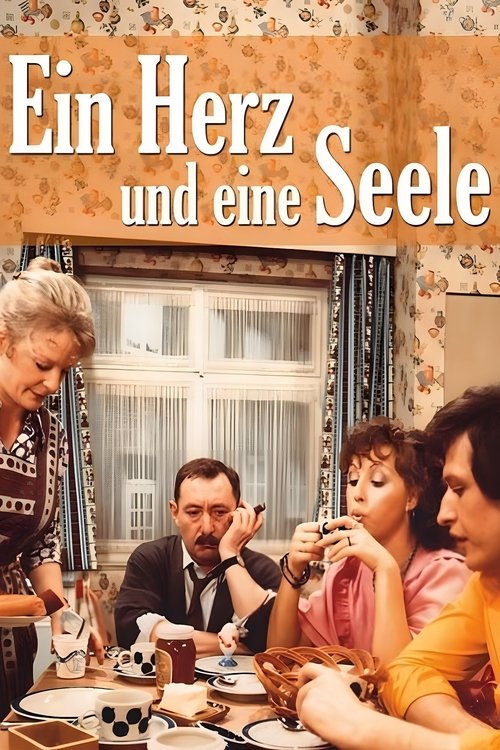
Ein Herz und eine Seele is a German cult sitcom based on the British sitcom Till Death Us Do Part by Johnny Speight. The show premiered on January 15, 1973 and lasted for about twenty episodes, airing its last on November 4, 1974. In 1976, the show had a short-lived revival with another four episodes. Ein Herz und eine Seele was written by Wolfgang Menge. The show was extremely successful during its initial run and it still proves very popular in reruns. Two episodes in particular, Silvesterpunsch and Rosenmontagszug have gained such popularity that they are now shown traditionally on German TV on New Year's Eve and Rosenmontag, respectively.
Ein Herz und eine Seele
No description available.
Alte Gauner

Paul Winkelmann is the CEO of a successful business in Hamburg that he took over after the death of his father eight years ago. But he is still strongly dominated by his 78 year old mother who cares for him as a child, and who cannot understand why he took an apartment on his own after all these years. The real "problem" starts when Paul gets to know psychologist Margarethe Tietze whose relationship to her parents is also not so easy after all.
Ă–dipussi

A German Marquise has to deal with a pregnancy she cannot explain and an infatuated Russian Count.
The Marquise of O

Documentary about German comedian Loriot alias Vicco von BĂĽlow, who would have been 100 years old in 2023.
Loriot 100

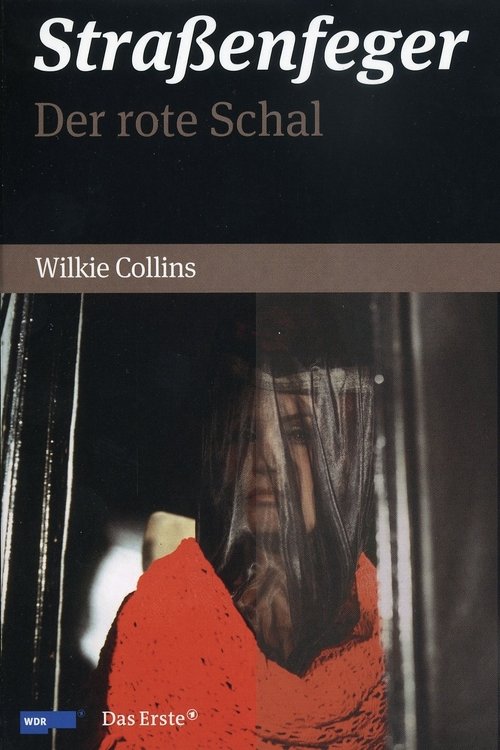
The story is set in Victorian England and revolves around two young men, Allan Armadale and Ozias Midwinter, who are connected by their fathers' dark past. Both fall in love with Lydia Gwilt, the mysterious woman with the red scarf, who has her own sinister plans.
Der rote Schal

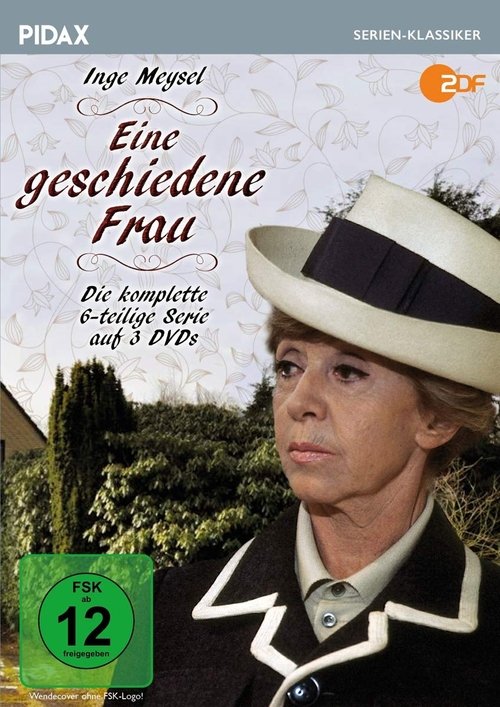
Erika Seipold is getting divorced after more than 30 years of marriage. The six-part series very successfully depicts the fate of a woman well over 50 who has been "dumped" from the perspective of the early 1970s, when it was still normal for wives not to have a career and, after a divorce, not only fell into an emotional hole but also had to endure existential fears. Her selfish children and largely unsympathetic environment offer little help; everywhere the protagonist encounters the stigma of being an older, single, supposedly useless member of society – a foreshadowing of the dark side of the cult of youth.
Eine geschiedene Frau

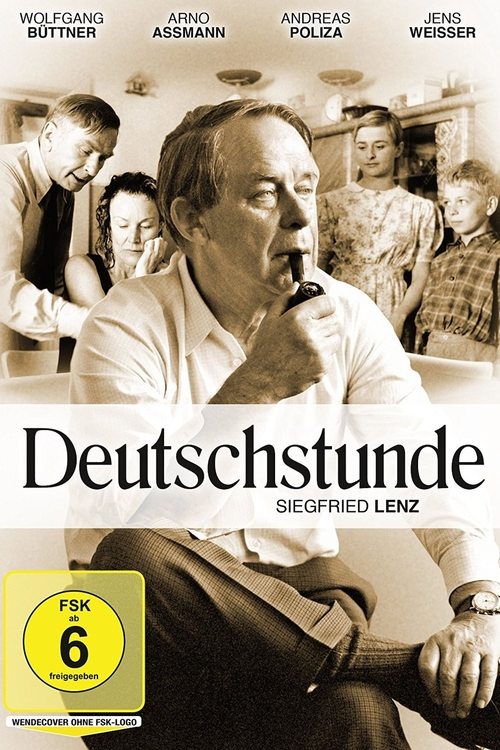
Siggi Jepsen, an inmate at the juvenile detention center, is assigned to write an essay in the 1950s. Topic: the joys of duty. He immediately thinks of his own father. As a police sergeant, his father took his official duties more than seriously during the Nazi regime. Siggi becomes increasingly pensive. He writes about his father, who even sacrifices his friendship with an old friend for the sake of his sense of duty. Siggi had protected this friend as a child, and now has to serve time for it…
The German Lesson

Rostock at the turn of 1945/46. Following the death of shipowner Karl Kempowski, the next generation must step up, supported by grandfather de Bonsac and Eduard Corneli, an old friend of the family. Robert Kempowski has returned from captivity as a prisoner of war and is attempting to rebuild the family's shipbrokerage business. This requires considerable perseverance.
Ein Kapitel fĂĽr sich

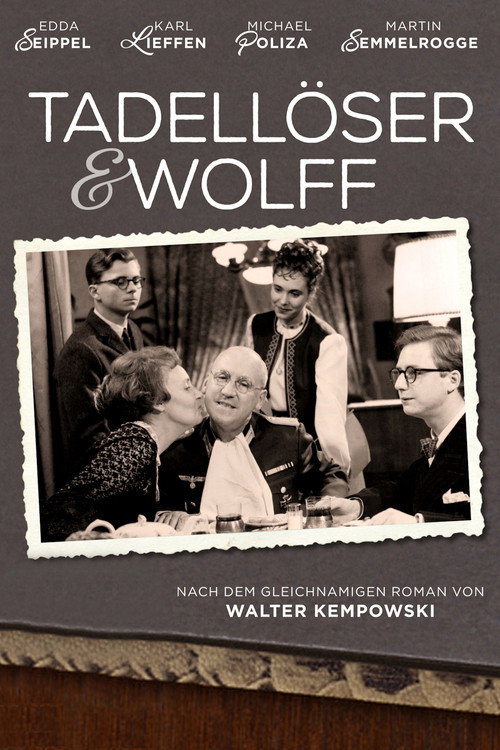
The film depicts the life of the middle-class Kempowski family in Rostock between 1939 and 1945 in great detail and closely following the novel on which it is based. In addition to describing the special events in Walter's life and in the family, there are also repeated depictions of everyday life, such as walks with his father through Rostock, at school and in youth groups, with friends and swing music, at family meals and Christmas celebrations, at church or at the cinema. Father Karl loves cigars from the company "Loeser & Wolff," which always prompts him to say "impeccable, more impeccable, Tadellöser and Wolff" when praising them.
Tadellöser & Wolff

"Spring Symphony" is the story of Robert Schumann and Clara Wieck. Both were music entities. Robert Schumann turns out to have been a second tier composer, if that, never rising to the heights of a Beethoven or Mozart. In contrast, Clara Wieck was a master technician in the playing of the piano, a composer (probably not at Schumann's level), and was a child prodigy.