FEEL IT.STREAM
?

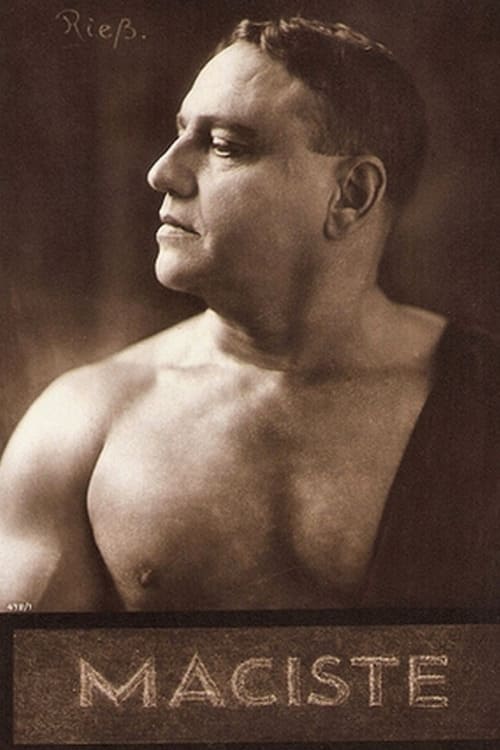
Bartolomeo Pagano

Acting

Biography

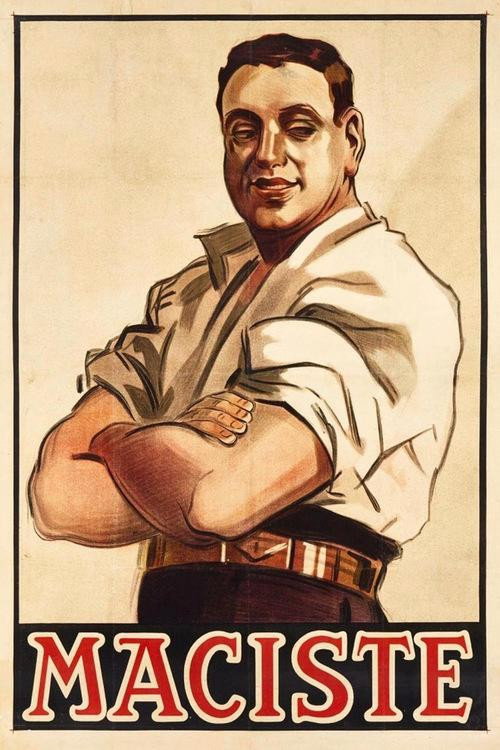
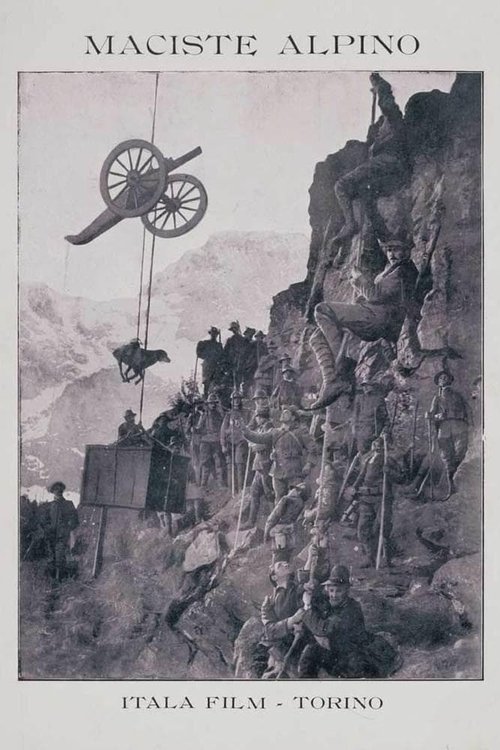
Italian motion picture actor of the Silent Era. Before his cinema career, Pagano was a stevedore who worked at the port of Genoa. There, he was discovered and selected to play the role of Maciste, a muscular slave, in the silent movie classic Cabiria in 1914. As the originator of this role, he went on to play the character for the next 14 years in a series of sequels. Pagano became an international star. In the 1920s he was one of the most well paid actors in Italy, receiving up to 600.000 lire a year. The actor retired from films in 1929 to marry and raise a family in his home town of Genoa. He died there, aged 68, and is buried on the family estate in Italy.
Known For

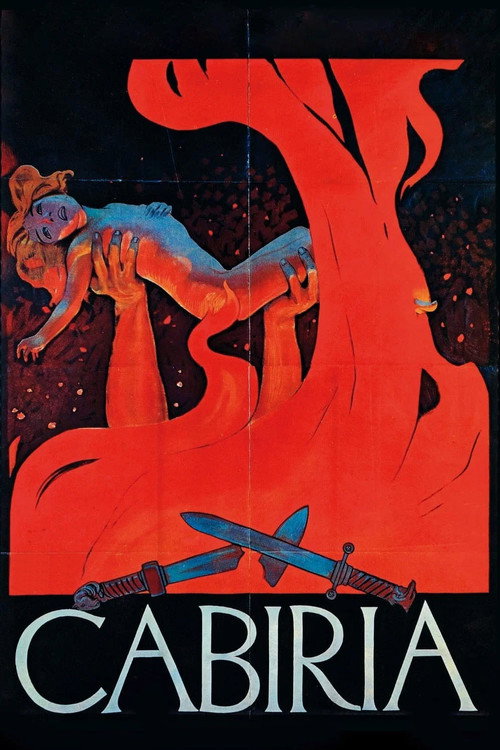
Cabiria
7.2

Young Cabiria is kidnapped by pirates and sold as a slave in Carthage. Just as she's to be sacrificed to Moloch, Cabiria is rescued by Fulvius Axilla, a good-hearted Roman spy, and his powerful slave, Maciste. The trio are broken up as Cabiria is entrusted to a woman of noble birth. With Cabiria's fate unknown, Maciste punished for his heroism, and Fulvius sent away to fight for Rome, is there any hope of our heroes reuniting?

Cabiria

1914
Maciste in Hell
6.8

The devil takes Maciste down to hell in an attempt to corrupt and ruin his morality.

Maciste in Hell

1925
No image
8.0

Maciste is on the trail of a gang of criminals who have kidnapped the beautiful princess Maria Letícia de Livonia, traveling to Rome, and go to hide near a port. in this adventure, Maciste is helped by his friend, the journalist Tito Fabrizi, who was breastfed by the same woman.

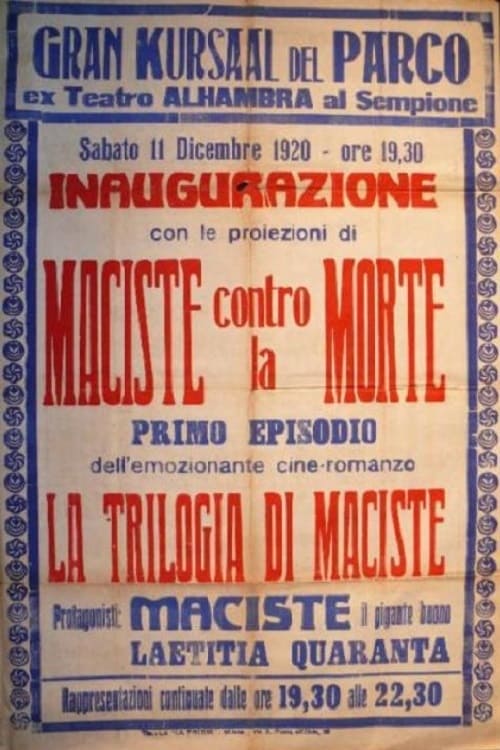
Maciste Against Death

1920
No image
10.0

A young girl is abducted by her tutor, and they set off in a ship which has a sheik on board, who tries to molest her, but she is saved by a sailor. He and Maciste fight off the entire crew but the girl is captured again by the sheik and carried off to his harem, where Maciste and the sailor rescue her and take her back to Italy.

Maciste contro lo sceicco

1926
No image
8.0

Giuditta e Oloferne is a 1929 Italian silent historical film directed by Baldassarre Negroni and starring Bartolomeo Pagano, Jia Ruskaja and Franz Sala. It was the final film of Pagano, who had been famous during the silent era for his portrayals of Maciste. The film is based on the story of Judith Beheading Holofernes.

Judith and Holophernes

1929
Maciste
5.8

A young girl, pursued by a band of conspirators, hides in a movie theatre where she watches the film Cabiria. She determines to seek the aid of that film's strongman, Maciste. When she locates him, he helps her overcome her enemies, but not without many thrilling and dangerous adventures.

Maciste

1915
The Warrior
5.9

A soldier of near-superhuman strength fights battles in the First World War and wages a private war to rescue a young woman from the castle where she is imprisoned.

The Warrior

1916
Il gigante delle Dolomiti
9.0

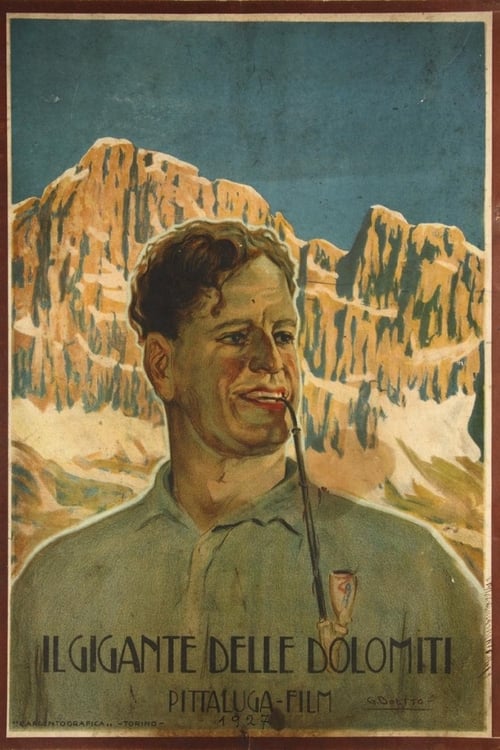
The Giant of the Dolomites (Italian: Il gigante delle Dolomiti) is a 1927 Italian silent adventure film directed by Guido Brignone and starring Bartolomeo Pagano, Aldo Marus and Elena Lunda.[1] It was the last in a series of silent films featuring the peplum hero Maciste, but the character was later revived in the 1960s.

Il gigante delle Dolomiti

1927
Maciste und die chinesische Truhe
N/A

No description available.

Maciste und die chinesische Truhe

1923
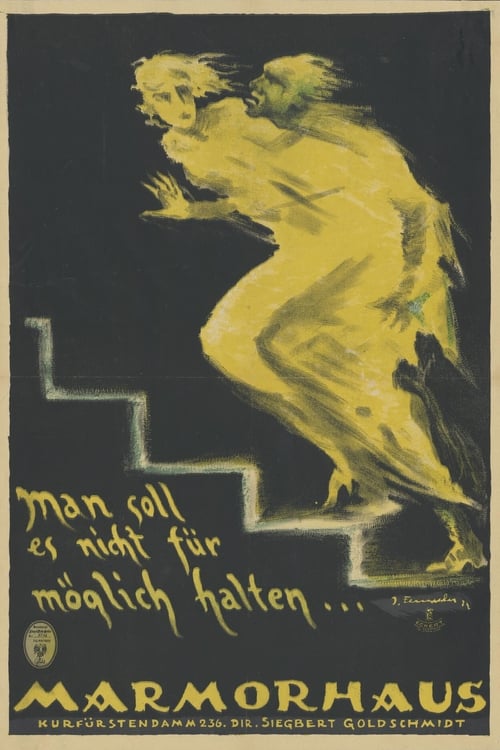
Man soll es nicht für möglich halten ...
9.0

No description available.

Man soll es nicht für möglich halten ...

1922
La trilogia di Maciste
N/A

No description available.

La trilogia di Maciste

1920
No image
9.0

A 1920 silent film directed by and starring Carlo Campogalliani who supports Bartolomeo Pagano in the role of Maciste.

Maciste's Testament

1920
No image
N/A

A real anti-communist potboiler directer by Italian director Baldassarre Negroni.

Gli ultimi zar

1928
Maciste on His Vacation
N/A

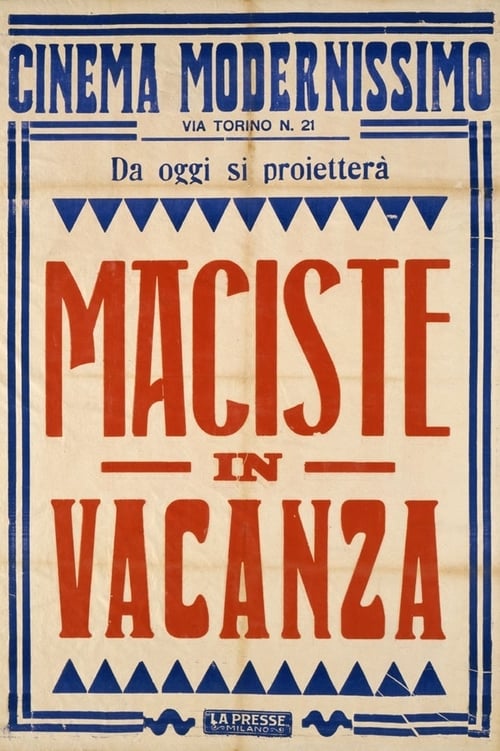
The most explosive and surreal episode of the Maciste series in which we see the hero up against the hardships of the average man: stress, women and cars. The Itala studios are in a disorderly state, the crew watches Maciste in the courtyard as he happily darts around in his new car, a single seater renamed Diattolina in honor of the car maker Diatto, the film’s “sponsor”. Maciste is happy; he caresses the car and talks about his vehicle as if it were his bride. The only thing missing is the honeymoon. But peace and tranquility are not easy to come by: in every corner of the country Maciste is recognized as a generous film star. Waiters, salesmen, passersby and little kids: everyone has a problem for him. Who said something about relaxing? An abandoned castle looks like a peaceful place, but Maciste has not met the wild American girl hiding in the cellar…

Maciste on His Vacation

1921
No image
N/A

No description available.

Maciste und der Sträfling Nr. 51

1923
Maciste atleta
N/A

No description available.

Maciste atleta

1918
Maciste poliziotto
N/A

No description available.

Maciste poliziotto

1918
Maciste in Love
N/A

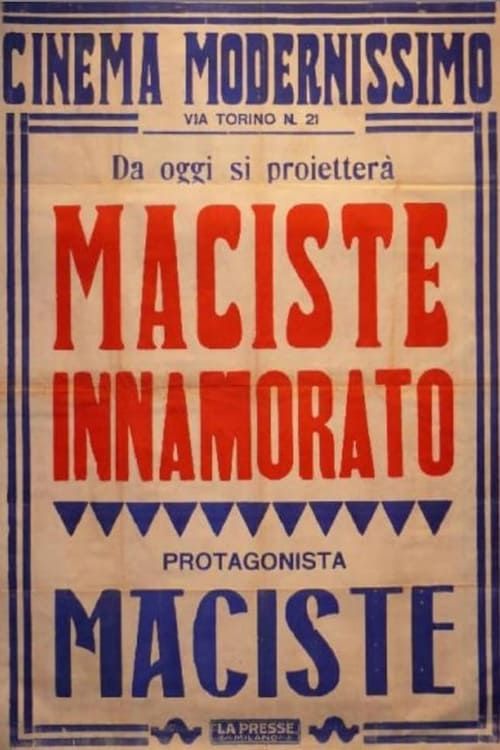
Maciste, for the first time, suddenly discovers to be in love. The object of his love is Ada, the daughter of Thompson, an enlightened industrialist persecuted by Bethel, a competitor without scruples. He first makes use of a small group of agitators in order to foment the workers, then he tries to affect his loved ones, kidnapping his daughter. But he hasn’t squared things up with Maciste. In Maciste innamorato private and politic life interlace and condition each other. Maciste, a new popular hero, acts in advance of his time and sees himself as a media idol: after punishing the instigators, the crowd will recognize him as a movie star and promptly forget their claims carrying him shoulder-high. A hero, though, doomed to an unhappy love.

Maciste in Love

1919
Maciste e il nipote d'America
N/A

No description available.

Maciste e il nipote d'America

1924
Maciste nella gabbia dei leoni
7.8

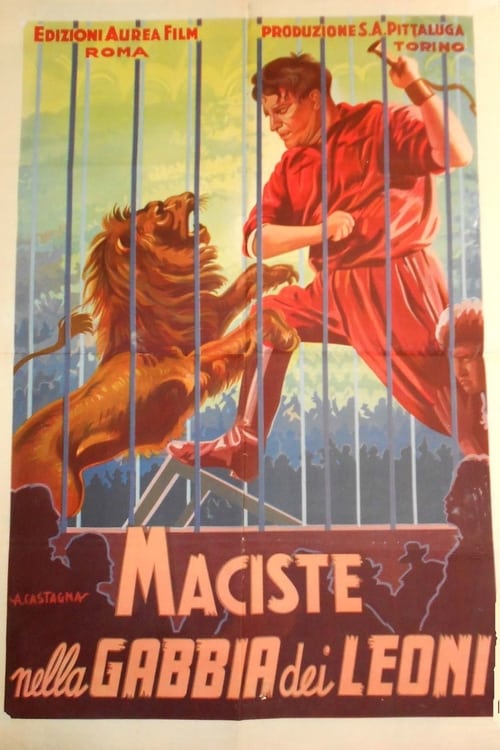
Bartolomeo Pagano as Maciste in Maciste in the Lions' Den. A Italian silent from 1926.

Maciste nella gabbia dei leoni

1926