FEEL IT.STREAM
Mehdi Jahan

Mehdi Jahan

Directing

Biography

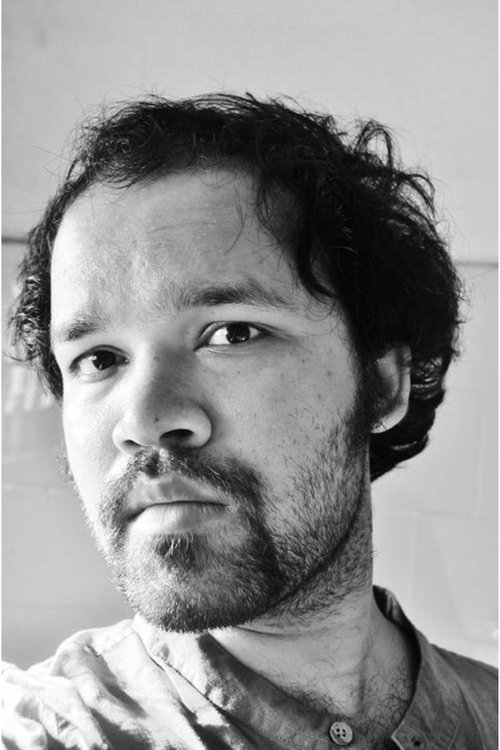
Mehdi Jahan Born in North Lakhimpur town in the North-Eastern Indian state of Assam in 1988, Guwahati based filmmaker and video artist Mehdi Jahan is an alumnus of A.J.K. Mass Communication and Research Centre, Jamia Millia Islamia, New Delhi. His work confronts normative, dominant, and mainstream modes of image production, incorporating elements from the rich oral storytelling traditions of his region, cultivating a purely sensorial aesthetic through narrative and material experimentations to arrive at a synthesis between personal and collective histories, generating a language of film closer to poetry, memories, and dreams. His formal investigations and expression emerge from a deep personal association and engagement with the history of Cinema, oral storytelling techniques ( particularly the Sufi oral tradition of his paternal grandparents ), and the relationship between the two, opening up a multitude of cinematic possibilities. He strongly believes the dreams, memories, and personal stories of individuals are windows which make visible the political narratives of a place.

Known For

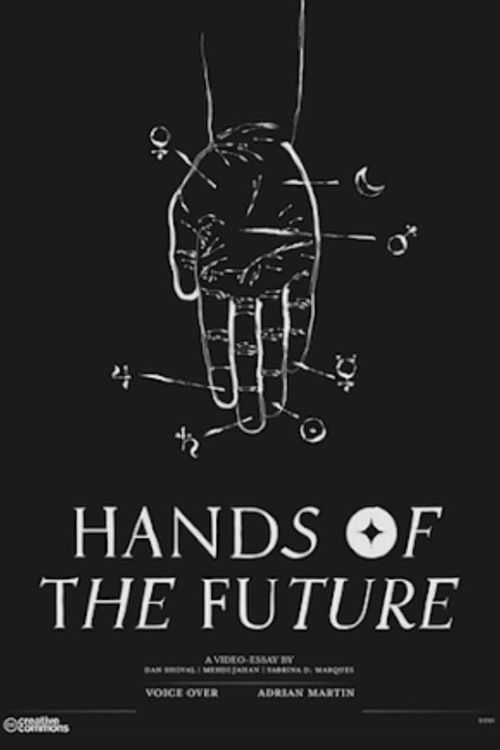
Hands Of The Future
N/A

A video essay exploring 'palm reading' in Cinema history. Fragments from various films come together and interact with one another, constructing a narrative about the possible exchanges between the past and future that is predicted in the present moment through the act of palm reading in Cinema, hinting at narrative possibilities and associations across the history of Cinema.

Hands Of The Future

The Home My Mother Never Found
N/A

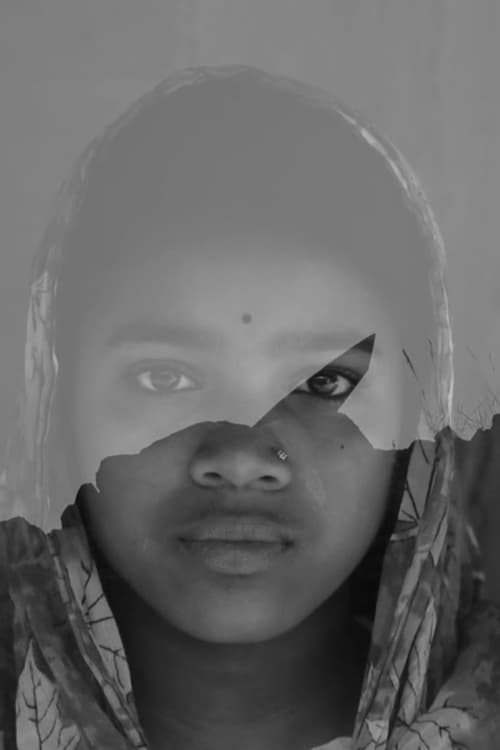
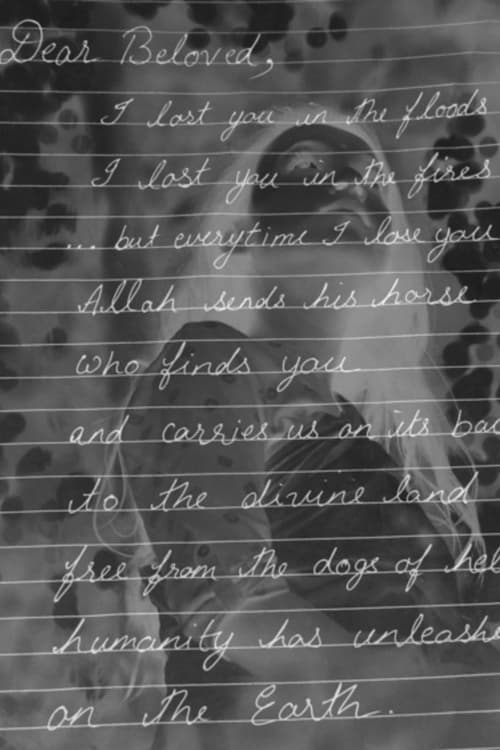
Mehdi Jahan attempts to depict his mother's interaction with disturbing memories that trigger her panic attacks. In his mother’s memory, private, everyday experience is combined with political events from the history of India: Partition, the Indo-China War, the Assam Movement. She describes her experiences in the form of letters addressed to her mother, the director’s grandmother, who passed away several years ago. These touching messages about family, love, and homeland prove to have a therapeutic effect on the heroine and give her a sense of peace.

The Home My Mother Never Found

2020
Joymoti Never Left
5.2

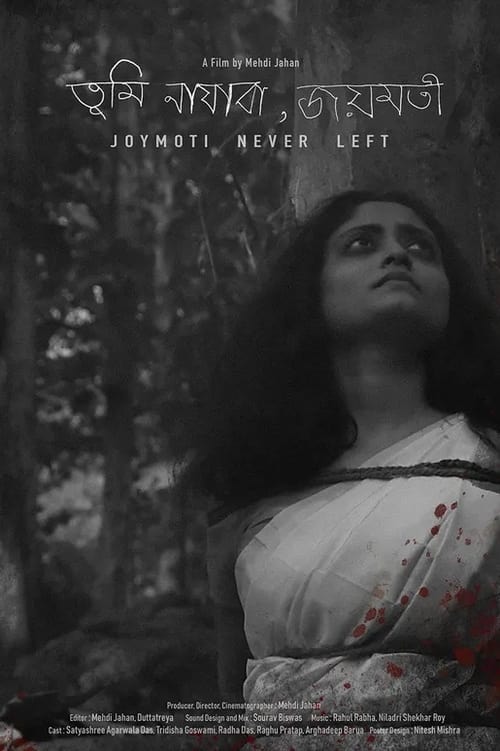
In 1935, celebrated writer Jyotiprasad Agarwala directed the first Assamese film: Joymoti – a milestone in Indian cinema. Joymoti had a troubled legacy, the film vanished around the time of India's independence, to resurface only partly in the early 70s, with more reels reappearing over time.

Joymoti Never Left

2024
My Grandfather's House
N/A

Alvina visits her late Grandfather’s House, on the 5th anniversary of his demise. She and her grandmother bond over their memories and affection towards him. As they spend slow afternoons together, talking about him, his patriarchal tendencies begin to surface. Alvina speaks to her father, and a childhood of fear and tyranny surfaces in her father’s recollections. Her grandmother’s experiences as a woman and a wife are colored by the same tyranny. These well kept secrets only had the tree outside the balcony and the walls of the house as witness, and their burden brings the house to life, and makes the tree restless.

My Grandfather's House

Can They Hear Our Songs?
N/A

Can they hear our songs? is a short experimental film by Mehdi Jahan, inspired by the sufi oral storytelling tradition of his ancestral village in Assam. A tradition that is slowing fading away from the cultural landscape of Assam.

Can They Hear Our Songs?

He Used To Bring Me Apples
N/A

A deadly epidemic has claimed several lives in a remote village in Assam. The villagers are convinced of foul play. For several years, there have been attempts by the authorities to get the villagers displaced in order to use their lands for setting up factories but they have been offering a firm resistance, despite industrial wastes from a neighbouring industrial area affecting their fields. They are being led by a woman in her late 50s, Ayesha. Ayesha’s husband joined the insurgency in Assam several years ago and never returned. Despite him being gone for more than 3 decades, Ayesha hopes he’ll return one day. She promised to look after his village people in his absence. Ayesha, herself suffering from the disease, lives in a state where her memories and dreams are as real as her present. It’s as if she’s living different stages of her life simultaneously.

He Used To Bring Me Apples

2020
No image
N/A

A fatally shot rebel stumbles upon an old woman in a mysterious forest. Personal memories and collective histories blend into one entity as the old lady’s story unfolds, transforming the landscape into a theater of dreams and memories where several scenes from the history of Assam play out again.

Jyoti and Joymoti